RisingStar
- Home
- About Us
- Products
- News
- Video
- Contact
- Send Inquiry
Search
- Home
- About Us
- Products
- News
- Video
- Contact
- Send Inquiry
RisingStar
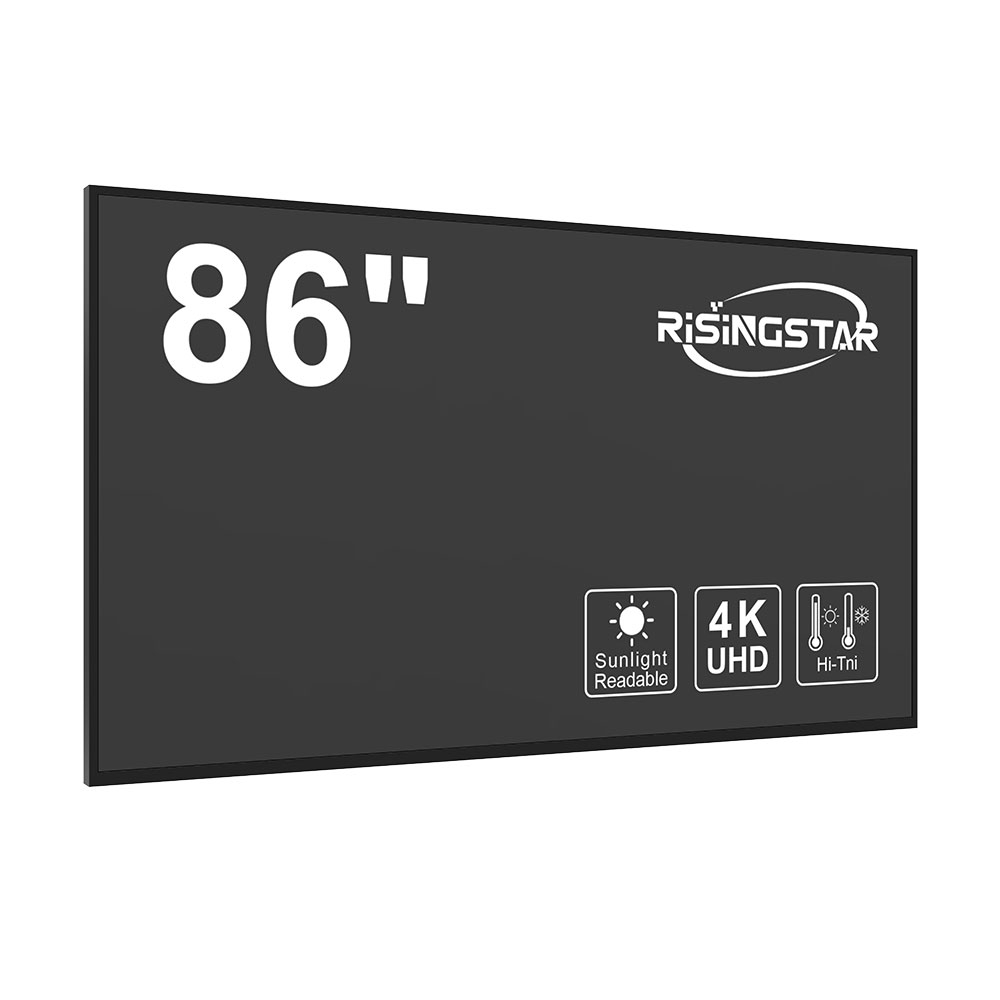
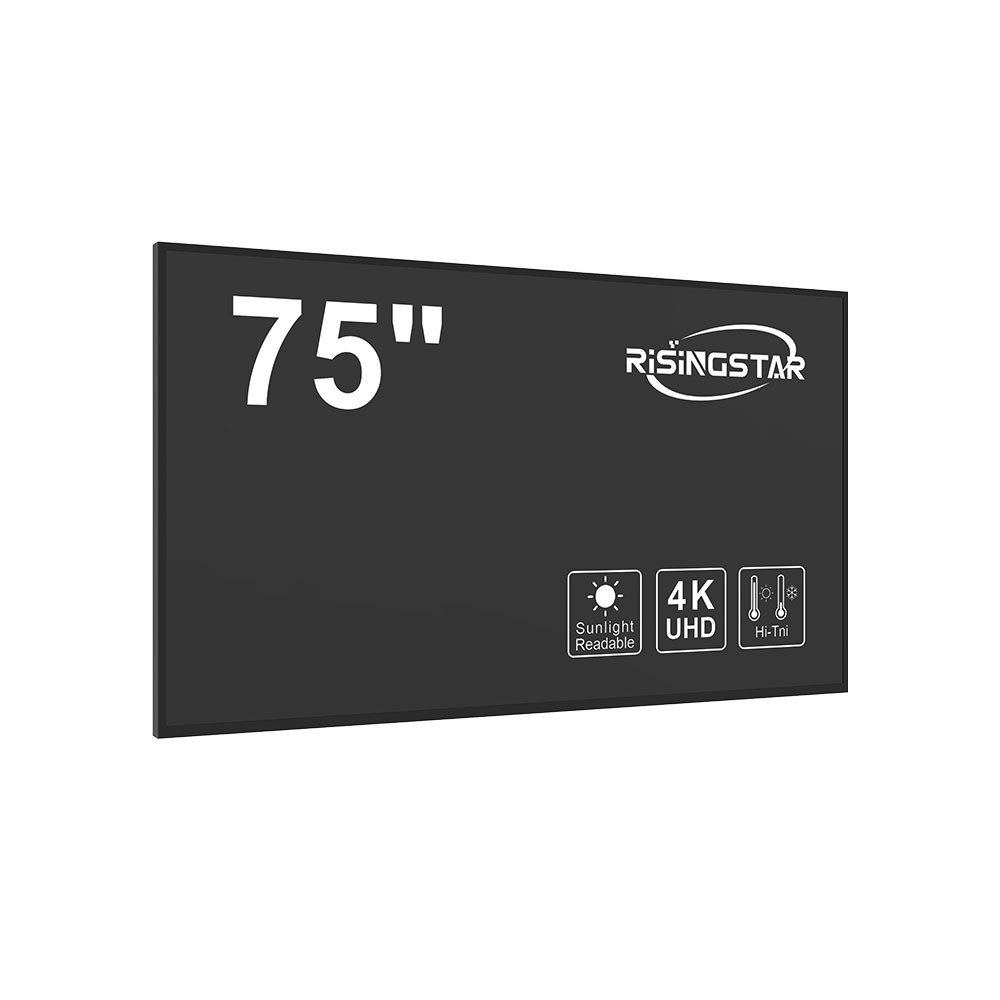
High-brightness sunlight-readable LCD screens have become indispensable in modern outdoor environments where visibility under direct sunlight is critical. These displays are engineered to maintain clarity and functionality even under extreme lighting conditions—such as those found in military vehicles, industrial control panels, public transportation systems, and outdoor kiosks. According to a 2023 report by MarketsandMarkets, the global market for high-brightness LCDs is projected to grow at a CAGR of 6.8% from 2023 to 2028, driven by increasing demand in defense, automotive, and smart city infrastructure.
A key advantage of these screens lies in their ability to achieve brightness levels between 3,000 and 10,000 nits—far exceeding standard indoor LCDs (typically 250–500 nits). This luminance ensures legibility in full daylight without glare or washout. Manufacturers often employ technologies such as anti-glare coatings, enhanced LED backlighting, and polarized filters to optimize contrast and reduce ambient light interference. For instance, Sharp’s proprietary “Sunlight Readable” technology uses an advanced optical stack that boosts contrast ratios up to 10,000:1, making it ideal for aviation and field medical devices.
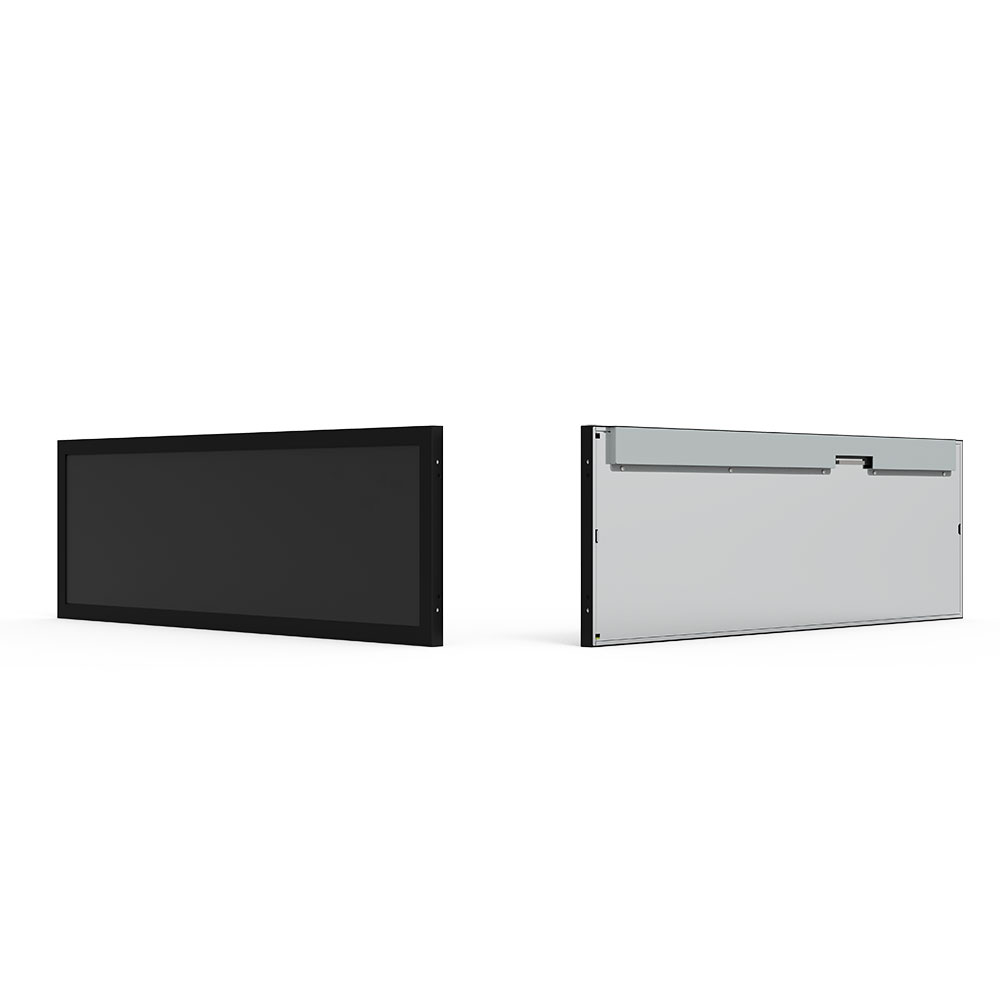
Practical applications span diverse industries. In the defense sector, the U.S. Army’s Future Vertical Lift (FVL) program mandates sunlight-readable displays for cockpit instruments, ensuring mission-critical data remains visible during combat operations. Similarly, in smart cities, municipal agencies use these screens in traffic signal monitoring units and digital signage for real-time updates, reducing downtime due to poor visibility.
However, challenges remain. One common issue is thermal management—high-brightness LEDs generate more heat, potentially shortening screen lifespan if not properly dissipated. Engineers address this through passive cooling solutions like aluminum heat sinks and active systems such as fans integrated into ruggedized enclosures. Another concern is power consumption; brighter screens consume more energy, which is especially problematic in battery-powered devices. Recent innovations like OLED-on-Silicon (OOS) microdisplays offer higher efficiency, though at a premium cost.
The latest trend involves integrating AI-based adaptive brightness algorithms. These systems dynamically adjust screen luminance based on ambient light sensors and user behavior patterns, optimizing both readability and energy efficiency. Companies like LG Display and AU Optronics have launched prototypes featuring this feature, targeting applications in electric vehicles and autonomous drones.
In conclusion, high-brightness sunlight-readable LCDs are not just a niche solution—they represent a mature, scalable technology enabling reliable human-machine interaction in demanding outdoor environments. As industries push toward automation and real-time data access, these displays will continue to evolve with smarter optics, lower power demands, and greater environmental resilience.