RisingStar
- Home
- About Us
- Products
- News
- Video
- Contact
- Send Inquiry
Search
- Home
- About Us
- Products
- News
- Video
- Contact
- Send Inquiry
RisingStar
High-brightness sunlight-readable LCD displays are a critical component in modern outdoor electronic systems, particularly in environments where visibility under direct sunlight is essential. These displays are engineered to maintain clarity and functionality even when exposed to intense ambient light—typically exceeding 100,000 lux—a condition that would render standard LCDs unusable. The technology behind these screens combines advanced backlighting, optimized panel materials, and specialized surface treatments such as anti-glare coatings and polarization filters.
One of the most significant practical applications of high-brightness sunlight-readable LCDs is in military and defense equipment. For example, the U.S. Department of Defense mandates the use of MIL-STD-810-compliant displays in field operations, ensuring reliability under extreme environmental conditions including temperature extremes, vibration, and exposure to dust and moisture. In addition, industrial control panels in oil and gas platforms, construction machinery, and agricultural equipment rely on these displays to provide real-time data without glare or distortion—even at noon under full sun.
Advantages of sunlight-readable LCDs extend beyond brightness alone. They offer improved contrast ratios (often 5000:1 or higher), wide viewing angles (up to 178°), and energy-efficient power management through adaptive brightness control. Some models integrate with ambient light sensors that dynamically adjust luminance based on environmental conditions, reducing power consumption by up to 30% compared to fixed-brightness systems. Furthermore, their ruggedized designs make them ideal for mobile computing devices such as rugged tablets used in logistics, public safety, and emergency response scenarios.
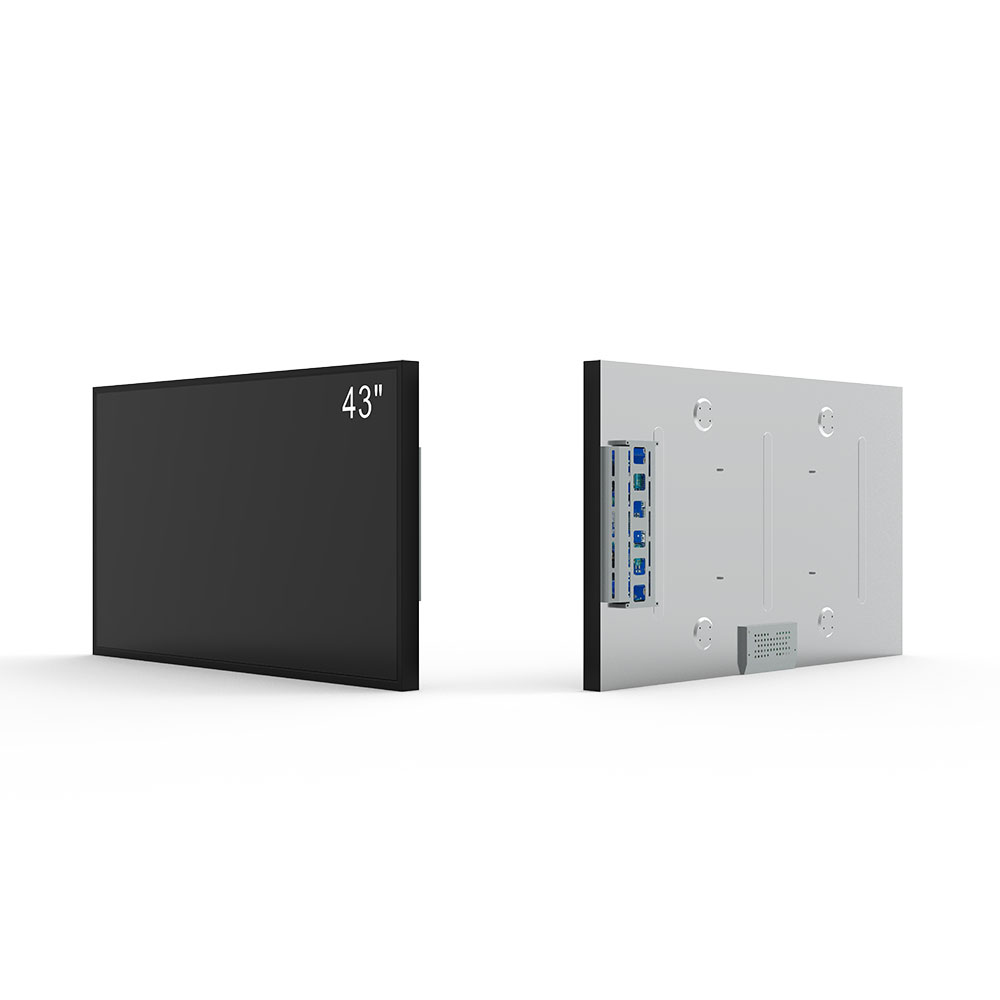
Despite their robust performance, common problems still arise. One frequent issue is image retention or burn-in due to prolonged display of static content—such as maps or instrument panels—especially in older TN (Twisted Nematic) panel technologies. Modern IPS (In-Plane Switching) panels mitigate this problem significantly, offering better color uniformity and faster response times. Another challenge is thermal management; high brightness requires more heat dissipation, which can be problematic in enclosed spaces like vehicle dashboards or sealed enclosures. Proper thermal design, including heatsinks and passive cooling solutions, is crucial during integration.
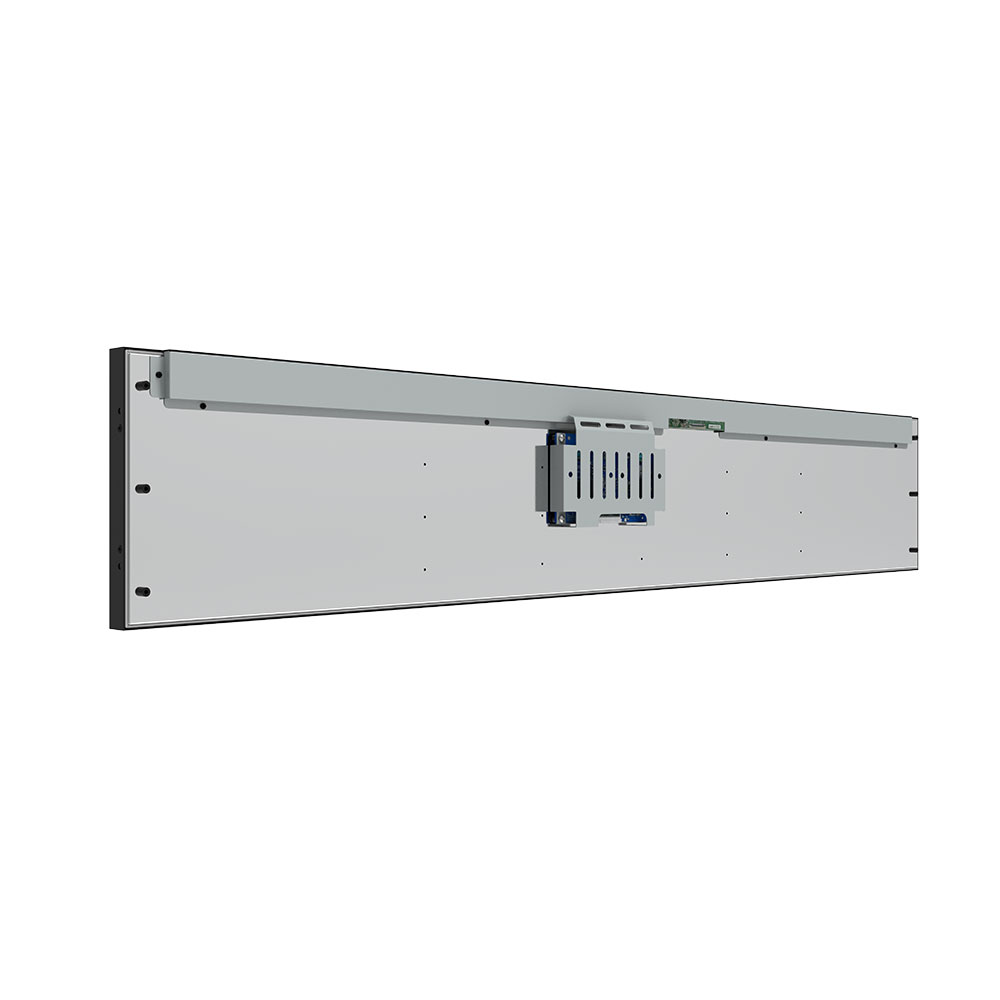
The latest trends in this sector include the adoption of micro-LED backlights, which offer superior brightness uniformity and lower power consumption than traditional LED arrays. Additionally, OLED-based sunlight-readable displays are emerging, though they currently face challenges with peak brightness and lifetime durability under constant high illumination. A growing focus is also on integrating AI-driven display optimization algorithms that analyze user behavior and environmental conditions to enhance readability while minimizing battery drain—a feature increasingly valued in portable outdoor devices.
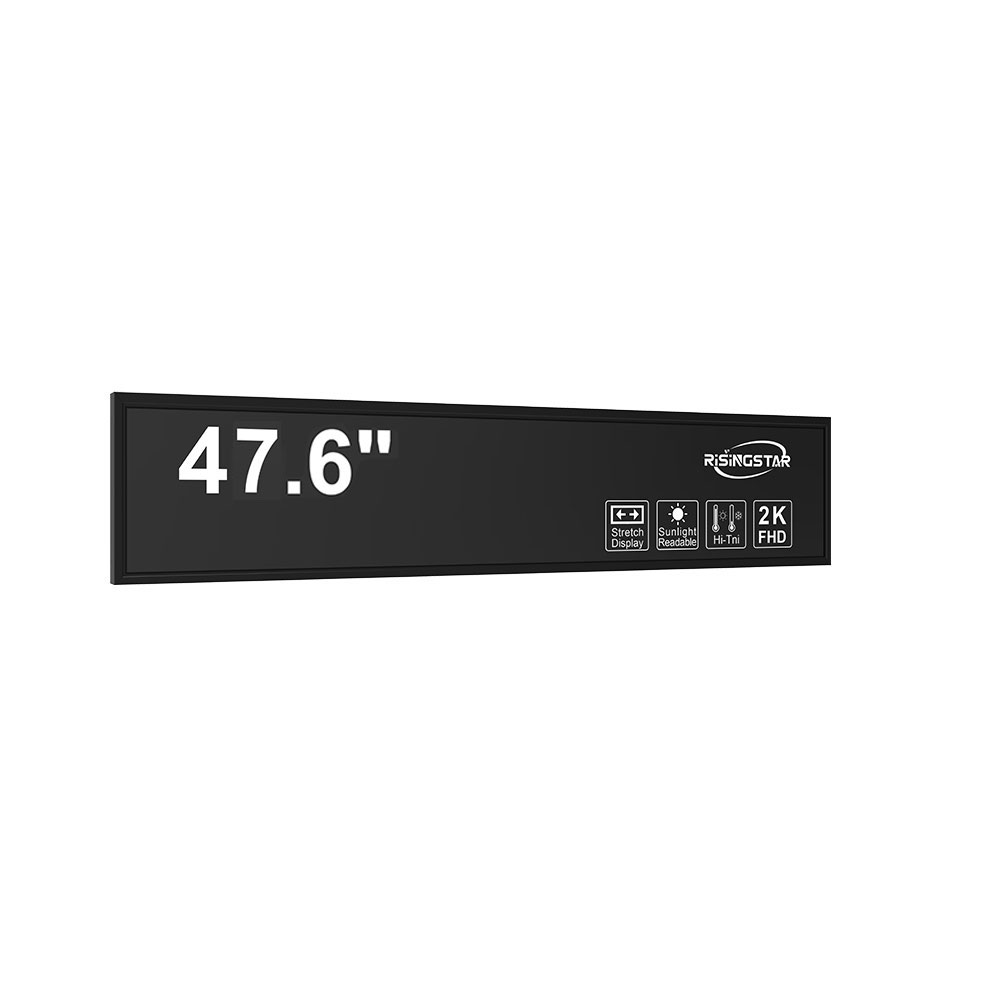
According to a 2023 report by MarketsandMarkets, the global market for sunlight-readable displays is projected to reach $1.8 billion by 2028, driven by rising demand from smart city infrastructure, autonomous vehicles, and IoT-enabled outdoor kiosks. Industry leaders like Crystalfontz, LG Display, and Sharp continue to invest heavily in R&D to push the boundaries of brightness, durability, and efficiency in these displays.
These advancements underscore why high-brightness sunlight-readable LCDs are no longer just a niche requirement—they are now an industry standard for any device intended for outdoor use, from aviation instrumentation to consumer-grade drones and public information terminals.