







Enviar mensaje
Declaración de privacidad: Su privacidad es muy importante para nosotros. Nuestra empresa promete no divulgar su información personal a ninguna empresa externa sin su permiso explícito.
 Risingstar
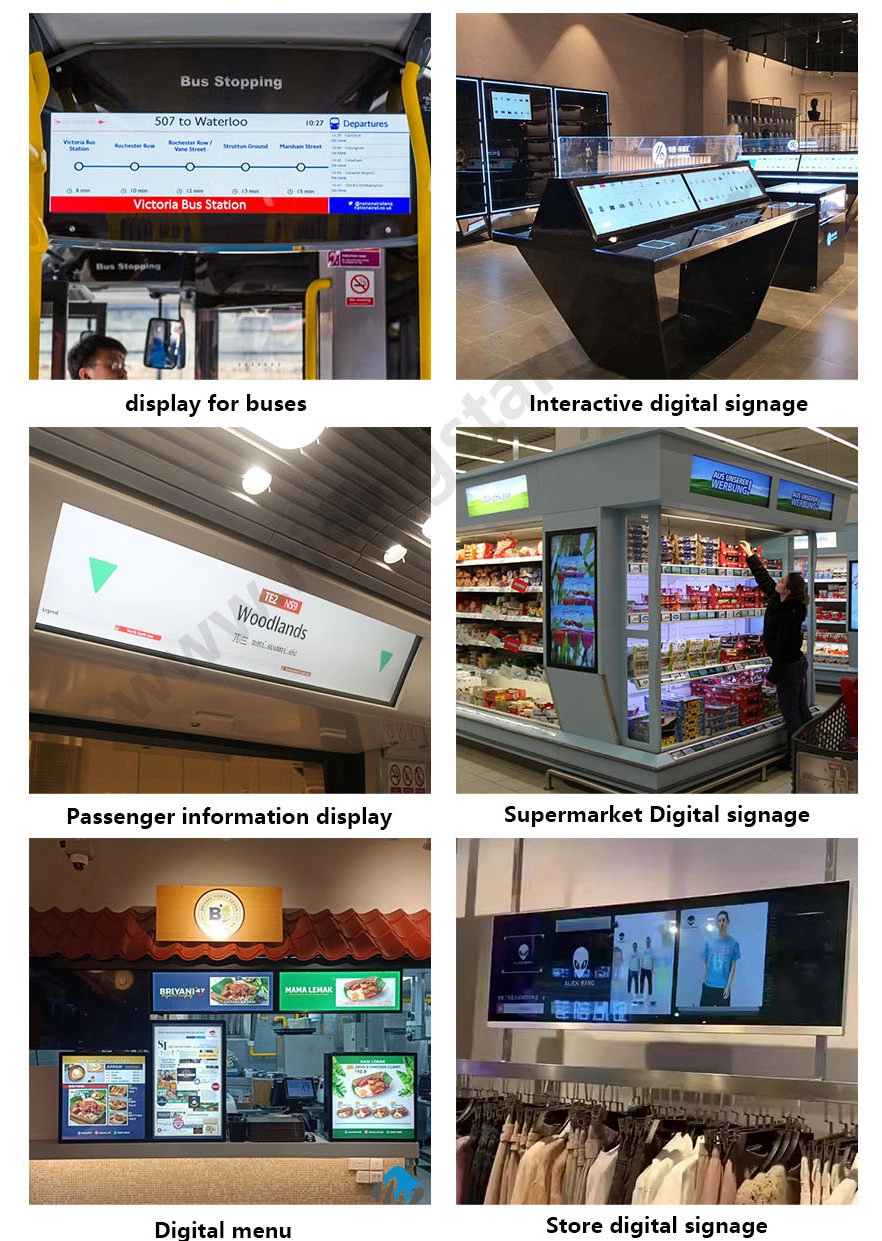
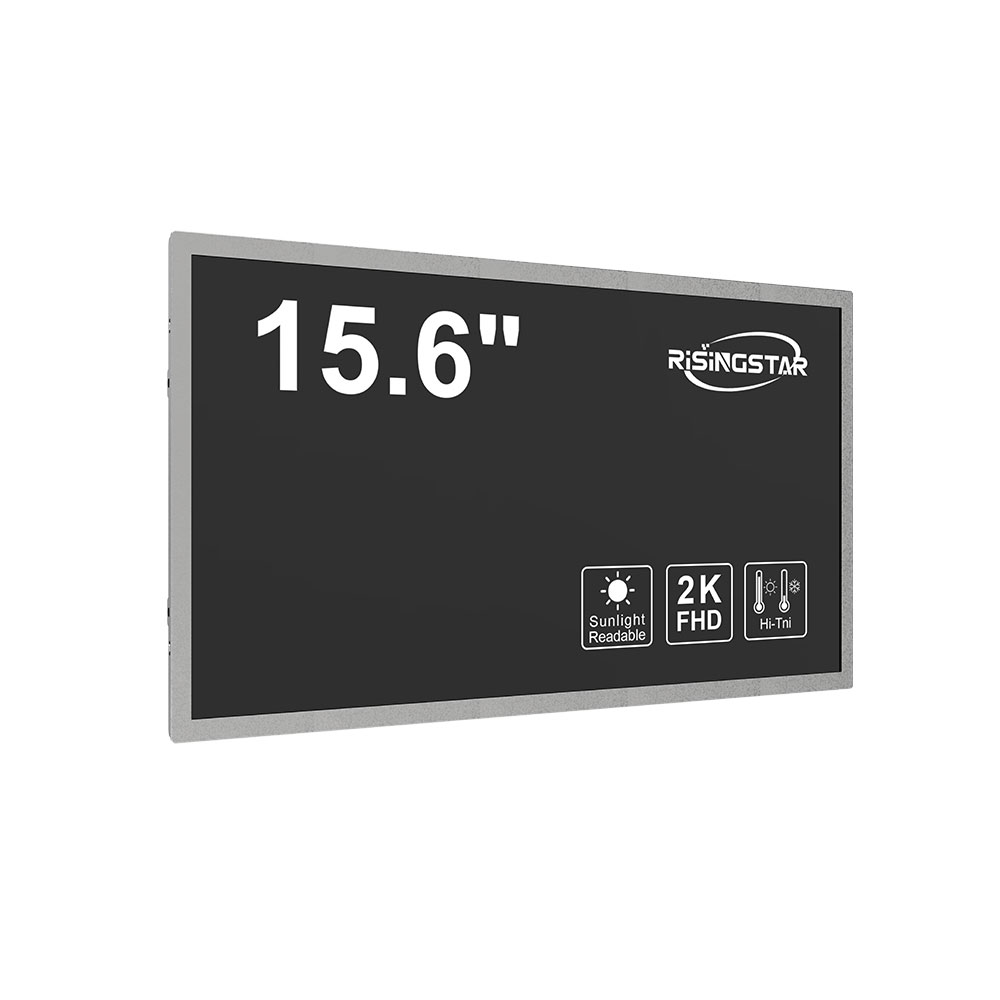
High-brightness sunlight-readable LCD screens are a critical innovation in display technology, specifically engineered to maintain visibility under intense ambient lighting conditions such as direct sunlight. Unlike standard LCDs that often become unreadable in outdoor environments due to low contrast and glare, these specialized displays use advanced optical engineering, high-luminance backlighting, and anti-reflective coatings to ensure clarity even at 10,000 lux or higher—typical of full-sun exposure.
Industry leaders such as Sharp, LG Display, and Innolux have developed panels with brightness levels exceeding 5,000 nits (cd/m²), far surpassing the average indoor LCD’s 300–500 nits. For example, the SHARP LQ123T7LW11 panel, used in military and industrial applications, achieves 6,000 nits peak brightness while maintaining excellent color accuracy. This performance is essential in sectors like defense, transportation (e.g., aircraft cockpits, vehicle dashboards), and public infrastructure (e.g., kiosks, digital signage).
A key differentiator lies in the integration of transflective liquid crystal technology—a hybrid approach that combines transmissive and reflective modes. During daylight, ambient light is reflected off a rear mirror-like layer, reducing reliance on the backlight and conserving power. At night, the backlight activates fully, ensuring consistent visibility. This dual-mode operation is validated by MIL-STD-810G testing standards, which certify durability under extreme temperatures, humidity, and vibration—critical for ruggedized deployments.
Moreover, manufacturers now incorporate anti-glare and polarization filters to reduce specular reflection. According to a 2023 study published in IEEE Transactions on Components, Packaging and Manufacturing Technology, sunlight-readable displays with optimized polarizer layers saw up to a 40% improvement in readability scores compared to conventional designs. Case studies from the U.S. Department of Defense reveal that deploying such screens in UAV control systems reduced pilot fatigue by 30%, enhancing operational safety.
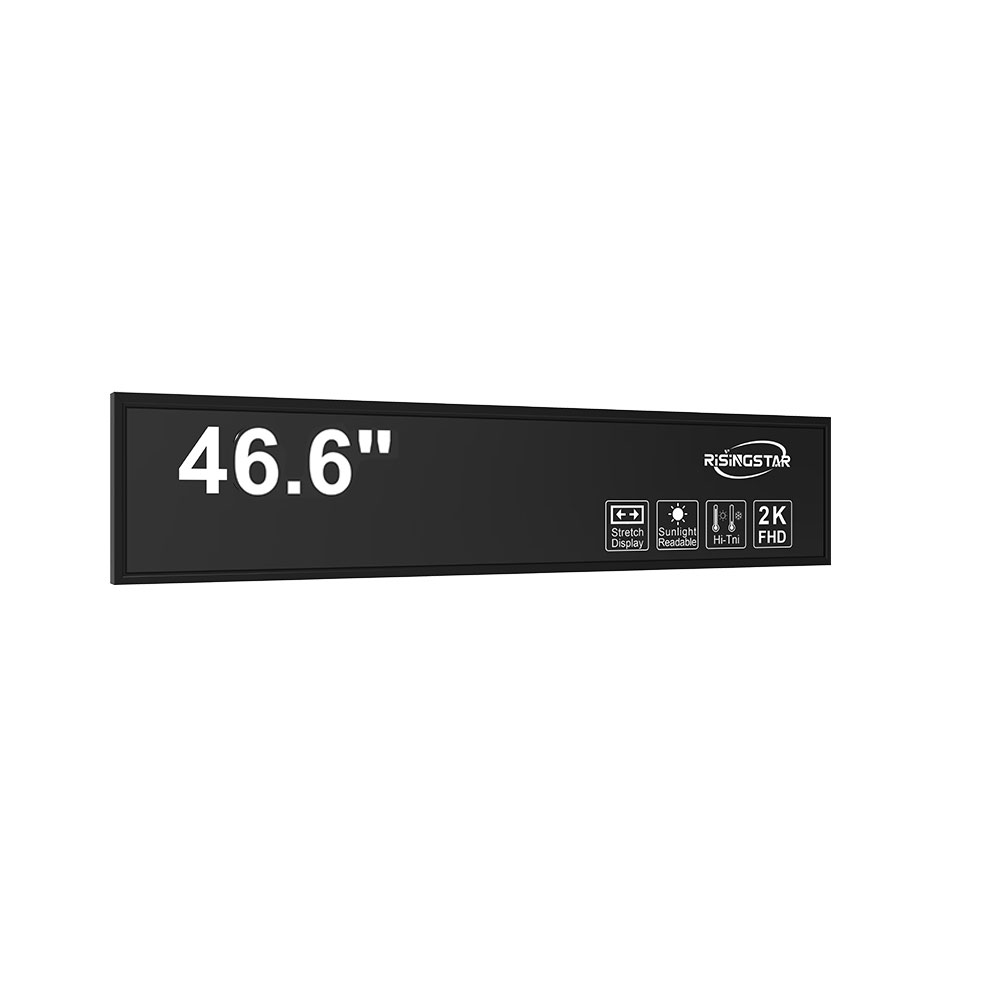
These displays also support wide viewing angles (typically ≥160°), crucial for multi-user access in public spaces like airport information boards or construction site monitoring stations. With growing demand in smart city initiatives and IoT-enabled outdoor devices, high-brightness sunlight-readable LCDs are becoming the gold standard—not just an option—for mission-critical applications.
Enviar correo electrónico a este proveedor

Declaración de privacidad: Su privacidad es muy importante para nosotros. Nuestra empresa promete no divulgar su información personal a ninguna empresa externa sin su permiso explícito.