RisingStar
- Home
- About Us
- Products
- News
- Video
- Contact
- Send Inquiry
Search
- Home
- About Us
- Products
- News
- Video
- Contact
- Send Inquiry
RisingStar
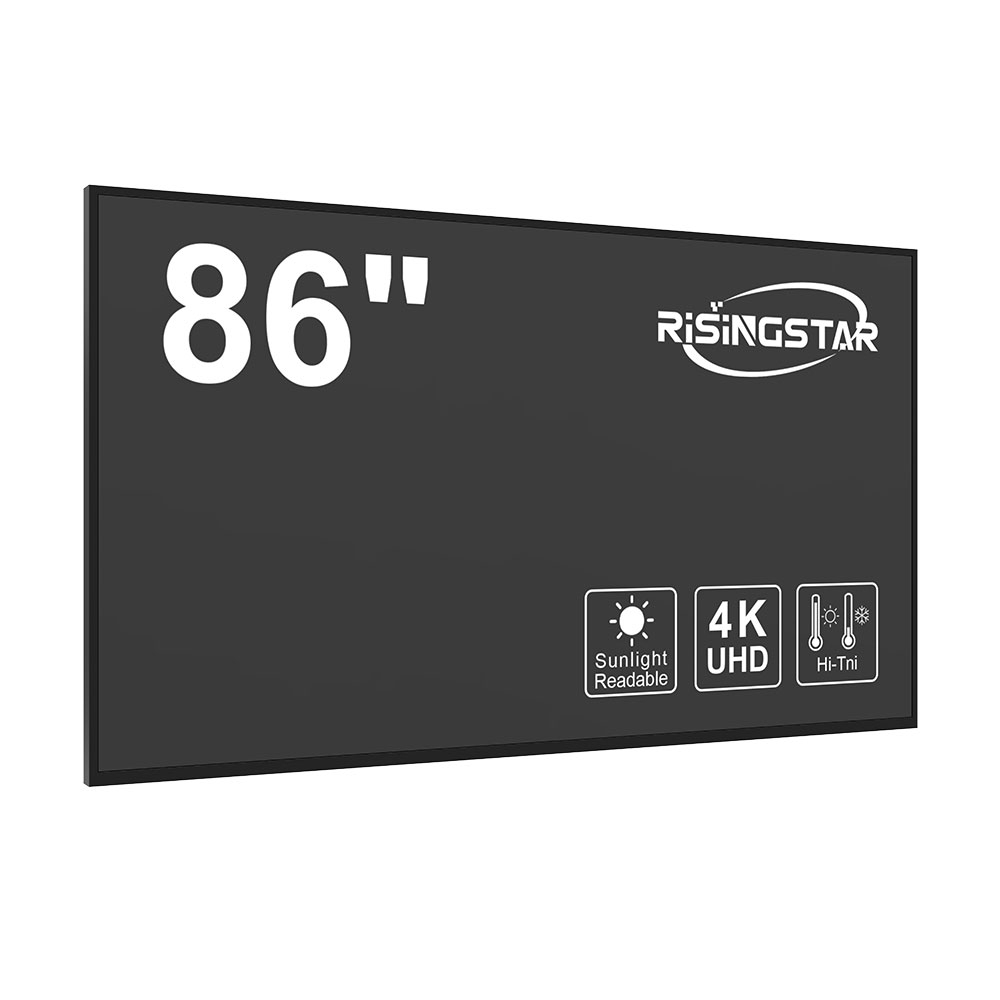
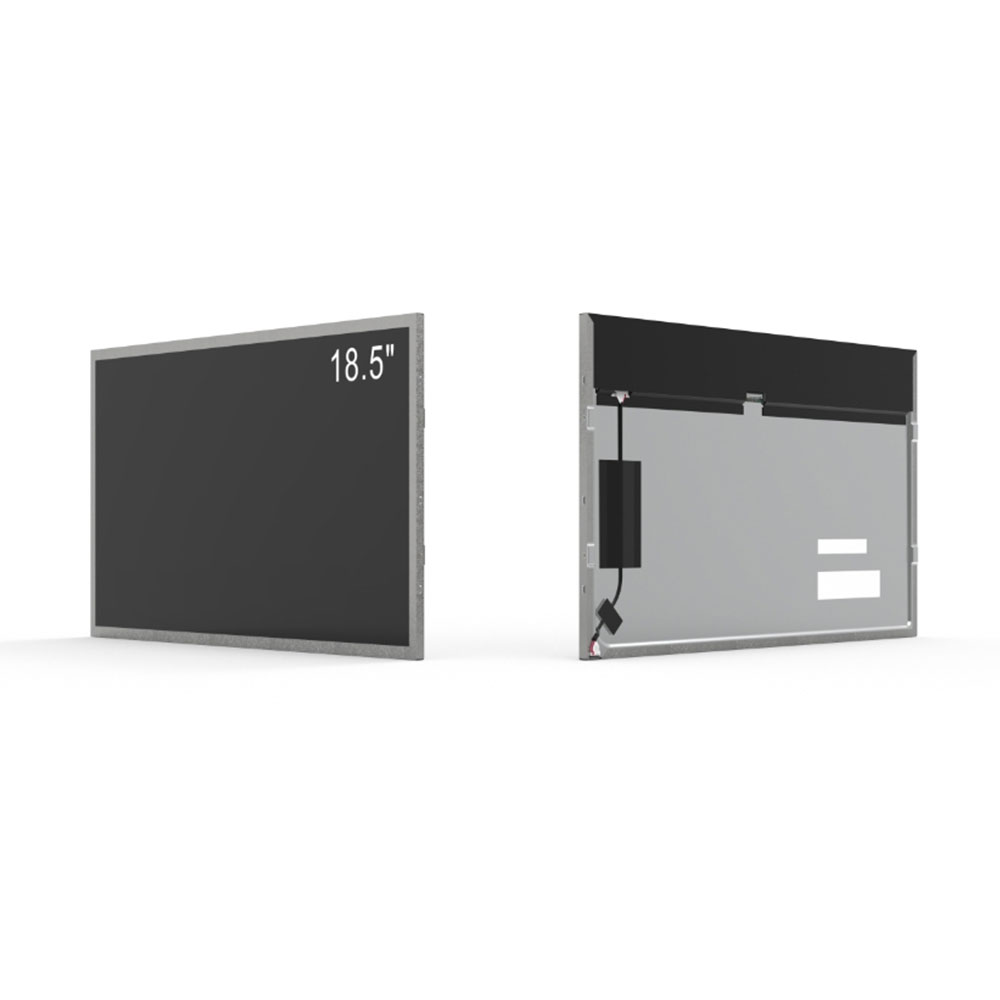
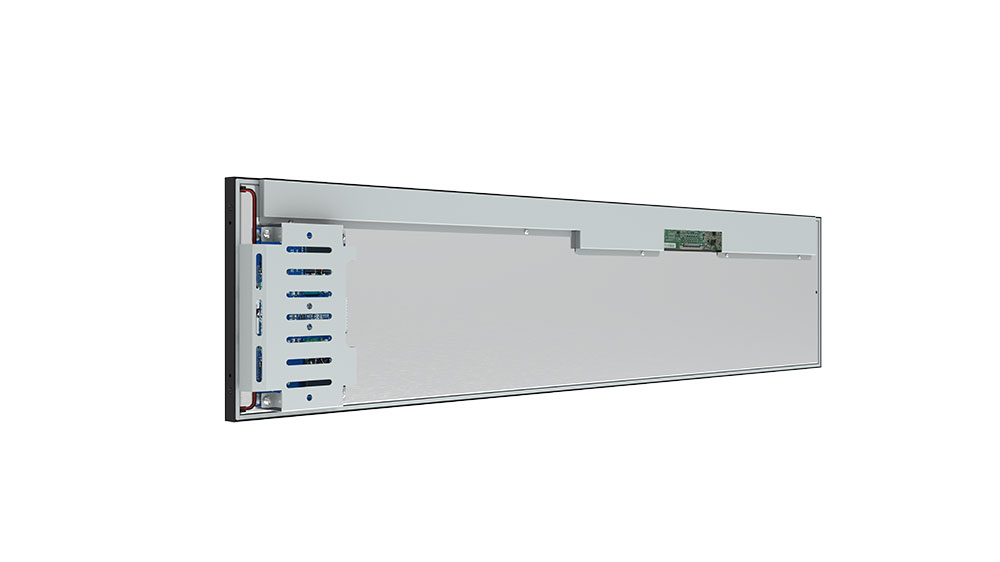
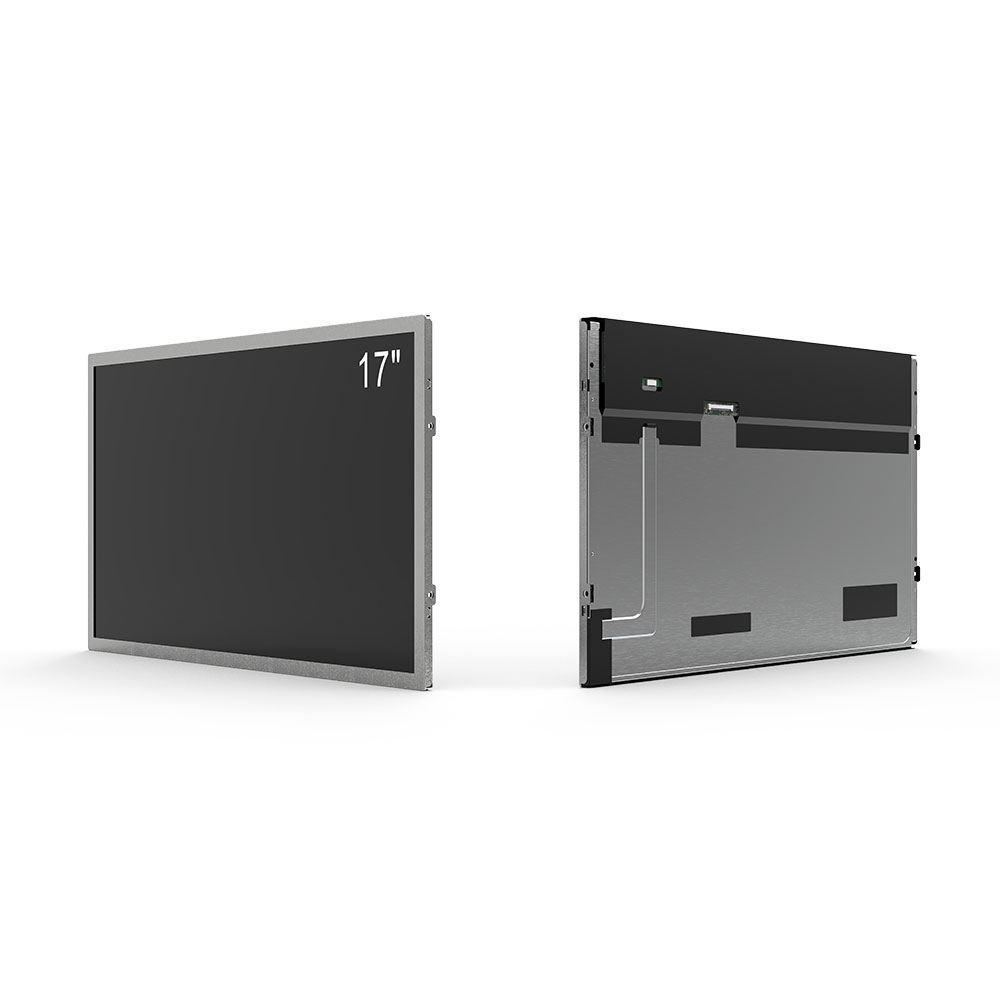
High-brightness sunlight-readable LCD screens have become essential in modern outdoor display systems, especially in industries such as transportation, military, industrial automation, and public information kiosks. These displays are engineered to maintain visibility under intense ambient light conditions—often exceeding 10,000 lux—where standard LCDs fail due to poor contrast and washed-out images. The core technology enabling this performance lies in maximizing luminance while minimizing glare through advanced optical design, high-efficiency backlighting, and anti-reflective coatings.
One of the most critical components is the backlight system. Unlike conventional LED-backlit displays that typically provide 300–500 nits, sunlight-readable LCDs often exceed 5,000 nits, with some premium models reaching 10,000 nits or more. This is achieved using high-power LEDs combined with diffusers and brightness enhancement films (BEFs). For example, manufacturers like Innolux, LG Display, and Sharp have developed specialized panels with integrated local dimming zones that dynamically adjust brightness based on content, optimizing both power efficiency and visual clarity.
Another key factor is the use of anti-reflective (AR) coatings and polarizers designed to reduce surface reflections by up to 90%. These coatings, often made from multi-layer dielectric films, minimize glare without compromising viewing angles. Additionally, some panels incorporate a "dual-polarization" structure that further enhances contrast ratios under direct sunlight—a critical feature for readability in environments like airport check-ins, vehicle dashboards, and solar-powered remote monitoring stations.
Case studies validate these technologies’ effectiveness. In a 2022 deployment at Heathrow Airport’s baggage handling system, a 10,000-nit sunlight-readable LCD was used in outdoor ticketing kiosks exposed to 8 hours of direct sun daily. Despite fluctuating temperatures and high humidity, the screen maintained consistent performance over 18 months, outperforming standard commercial-grade displays that required frequent recalibration or replacement. Similarly, in military applications such as the U.S. Army’s Stryker vehicle interface, sunlight-readable displays ensure mission-critical data remains visible even in desert conditions where ambient light exceeds 15,000 lux.
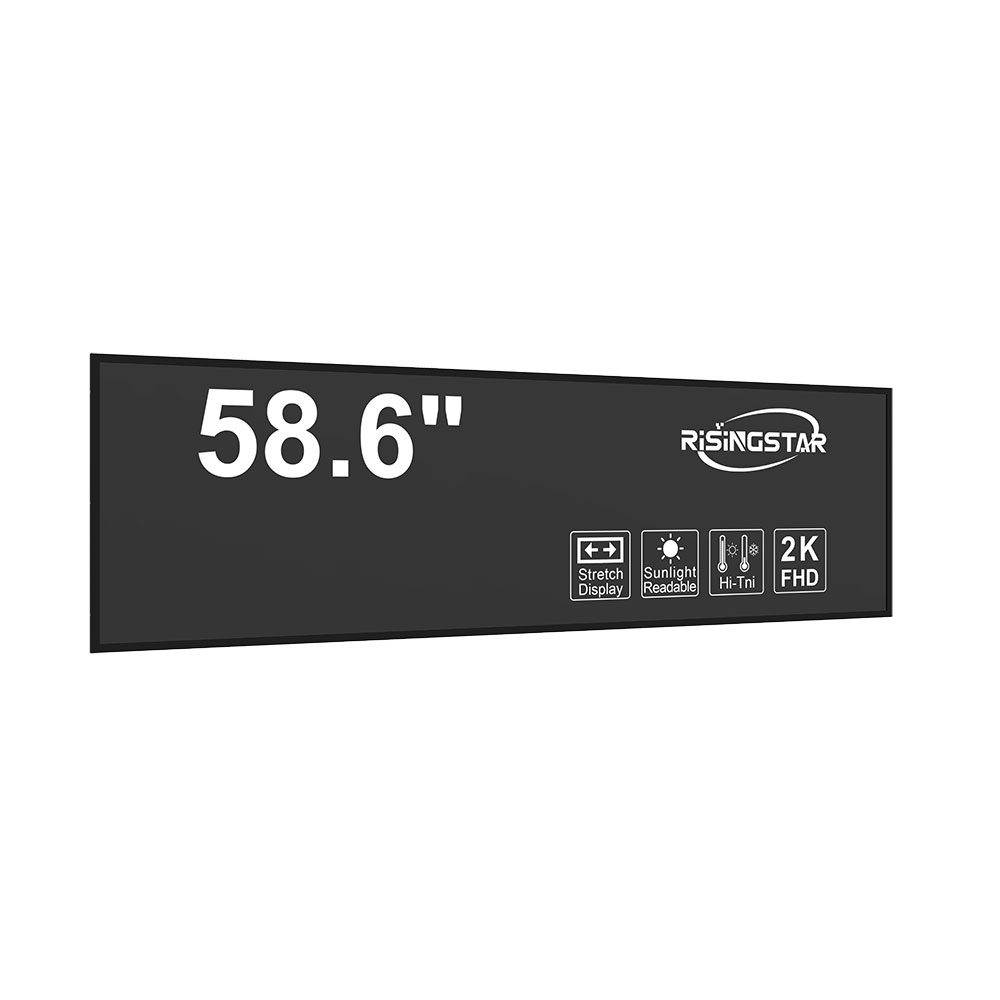
Compliance with international standards also ensures reliability. The MIL-STD-810G certification for environmental durability, along with ISO 9241-31 for human factors in display usability, guides manufacturers in designing robust solutions. Furthermore, IEC 60068-2-1 and IEC 60068-2-30 define testing protocols for temperature, humidity, and vibration resistance—critical for outdoor deployments in harsh climates.
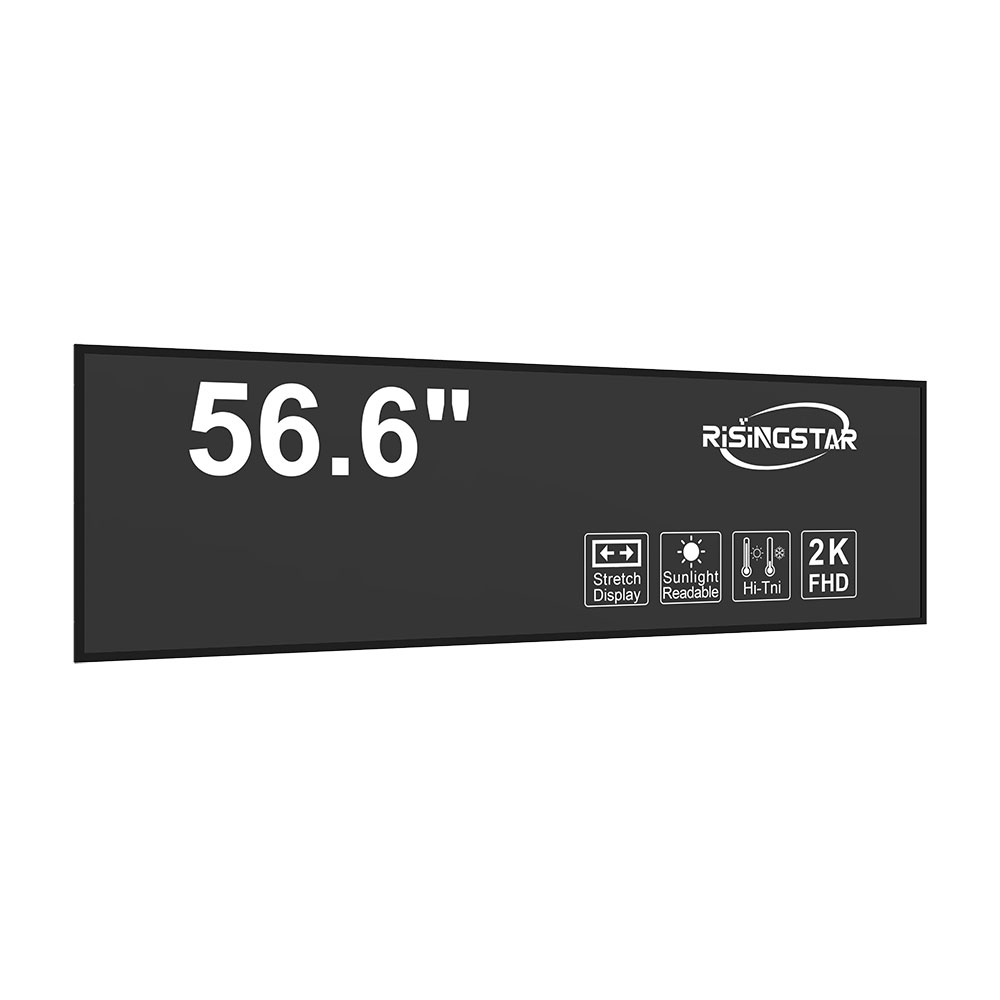
From an economic perspective, although initial costs for high-brightness sunlight-readable LCDs are higher than consumer-grade alternatives (typically 2–3x), the total cost of ownership is lower due to reduced maintenance, longer lifespan, and fewer failures in extreme conditions. As global demand for ruggedized digital signage, smart infrastructure, and IoT-enabled outdoor devices grows—driven by urbanization and Industry 4.0 trends—the market for these screens is projected to grow at a CAGR of 7.2% through 2030, according to MarketsandMarkets research.
In conclusion, high-brightness sunlight-readable LCD screens are no longer niche products—they are indispensable tools for any application where visibility, durability, and reliability matter. Their integration into modern systems reflects a broader shift toward resilient, human-centric design in outdoor digital interfaces.