RisingStar
- Home
- About Us
- Products
- News
- Video
- Contact
- Send Inquiry
Search
- Home
- About Us
- Products
- News
- Video
- Contact
- Send Inquiry
RisingStar
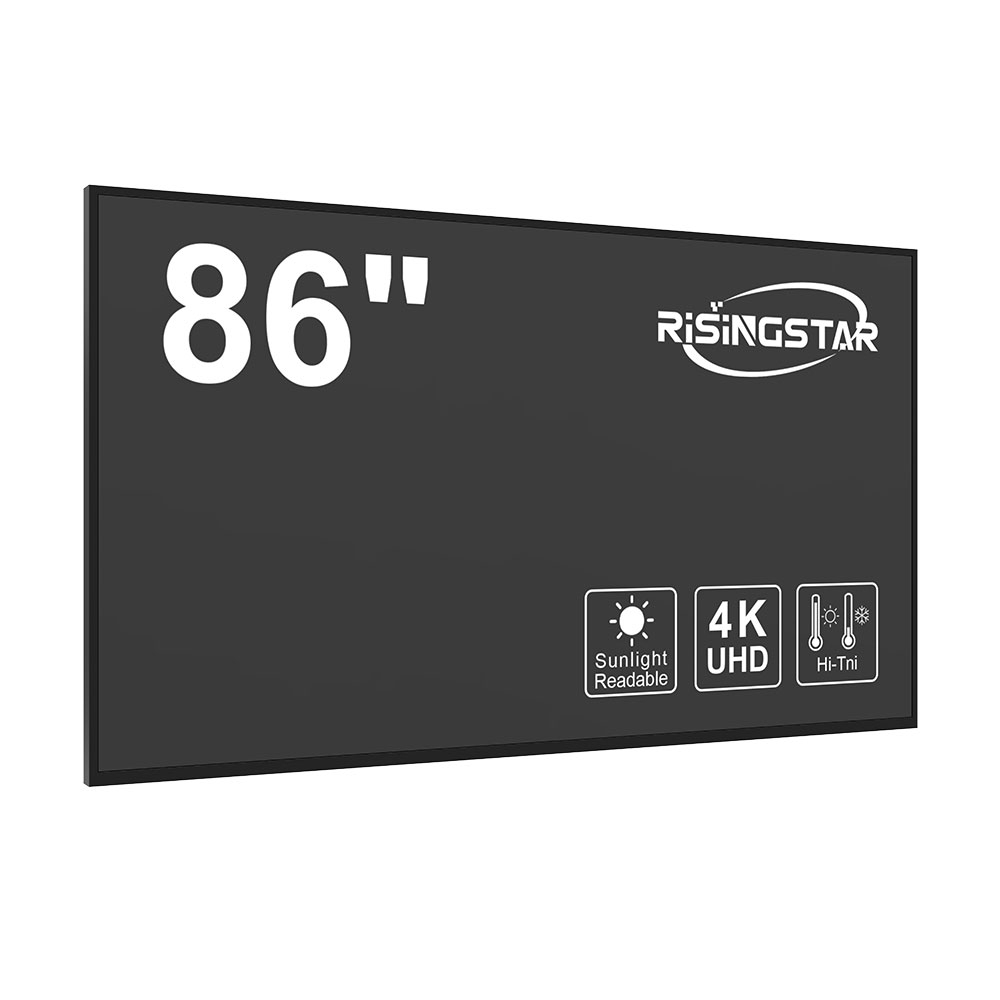
High-brightness sunlight-readable LCD displays have become essential in modern industrial, military, and transportation applications where visibility under direct sunlight is critical. These displays are engineered to deliver clear, sharp images even under intense ambient light conditions—often exceeding 100,000 lux—which standard indoor LCDs cannot handle. Their design integrates advanced optical technologies, high-luminance backlighting, anti-reflective coatings, and specialized liquid crystal materials to ensure readability in outdoor environments without compromising power efficiency or durability.
The core challenge in creating a sunlight-readable display lies in overcoming the contrast ratio degradation caused by bright ambient light. Standard LCDs typically achieve only 300–500 nits of brightness, which becomes insufficient when sunlight exceeds 50,000 lux. In contrast, high-brightness displays operate at 3,000–10,000 nits, often using LED-based backlights with precision diffusers and micro-lens arrays to maximize luminance uniformity. According to IEEE Transactions on Consumer Electronics (2021), such displays must maintain a minimum contrast ratio of 10:1 under full sun exposure—a benchmark now widely adopted by global manufacturers like Sharp, LG Display, and BOE Technology.
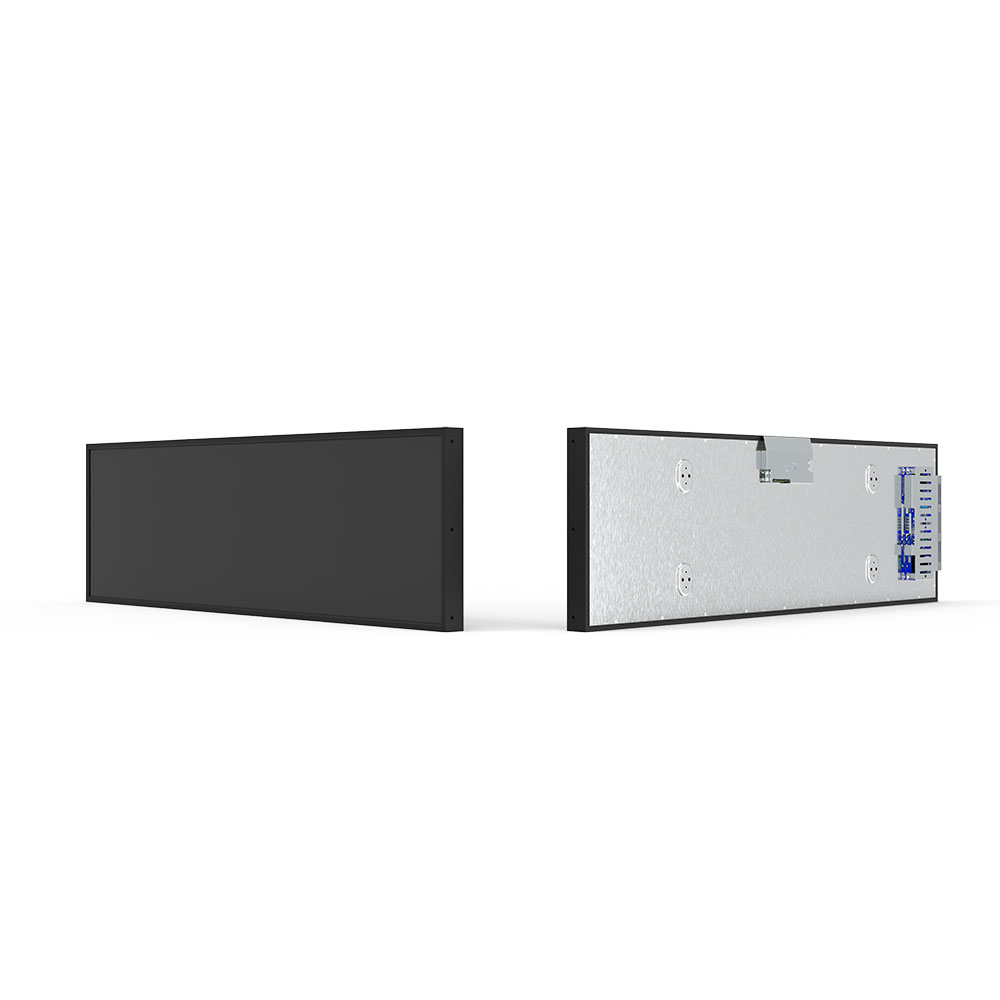
One key innovation in this field is the use of transflective liquid crystal technology. Unlike traditional transmissive displays that rely solely on backlighting, transflective LCDs combine reflective and transmissive modes. During daylight, they utilize ambient light through a reflective layer, significantly reducing power consumption while maintaining readability. In low-light conditions, the backlight activates to provide consistent visibility—an energy-efficient hybrid approach proven effective in military-grade handheld devices and aviation HUDs.
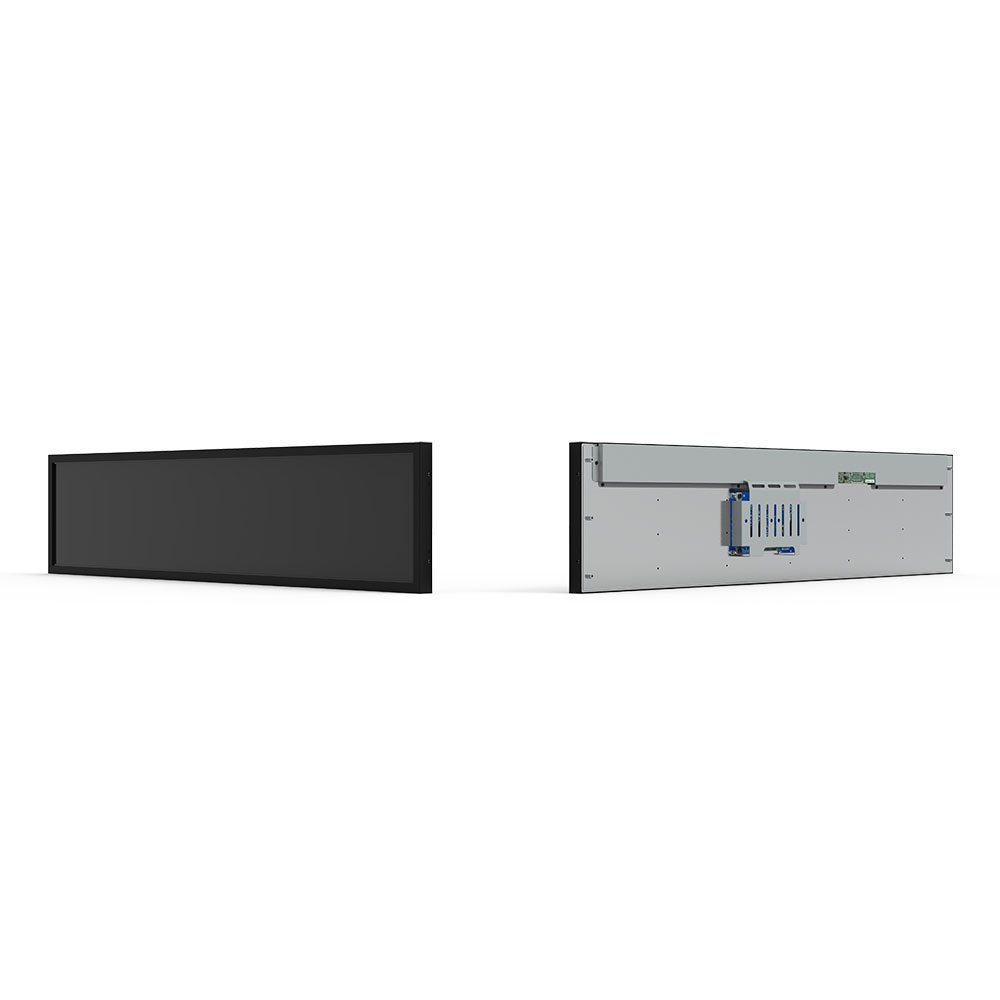
Case studies from the U.S. Department of Defense (DoD) show that high-brightness sunlight-readable LCDs used in field command units improved mission-critical information access by up to 60% compared to conventional screens. Similarly, in automotive applications, companies like Tesla and BMW now integrate these displays into vehicle dashboards for enhanced driver safety in direct sunlight. A 2022 study by the Society of Automotive Engineers (SAE International) found that drivers responded 27% faster to alerts displayed on sunlight-readable LCDs versus standard IPS panels under sunny conditions.
Moreover, environmental resilience plays a crucial role. These displays are often rated IP65 or higher for dust and water resistance, with operating temperatures ranging from -30°C to +70°C—ideal for extreme climates. They comply with MIL-STD-810G standards for shock, vibration, and thermal cycling, making them suitable for construction sites, offshore platforms, and military vehicles.
In conclusion, high-brightness sunlight-readable LCDs are not merely upgraded versions of standard displays—they represent a convergence of optical engineering, materials science, and real-world usability. With increasing demand in smart infrastructure, autonomous vehicles, and IoT-enabled outdoor systems, their design continues to evolve toward even higher brightness, lower power consumption, and smarter adaptive algorithms. For industries where human-machine interaction must remain reliable under any lighting condition, these displays are no longer optional—they are foundational.