 RisingStar
- Home
- About Us
- Products
- News
- Video
- Contact
- Send Inquiry
Search
- Home
- About Us
- Products
- News
- Video
- Contact
- Send Inquiry
RisingStar
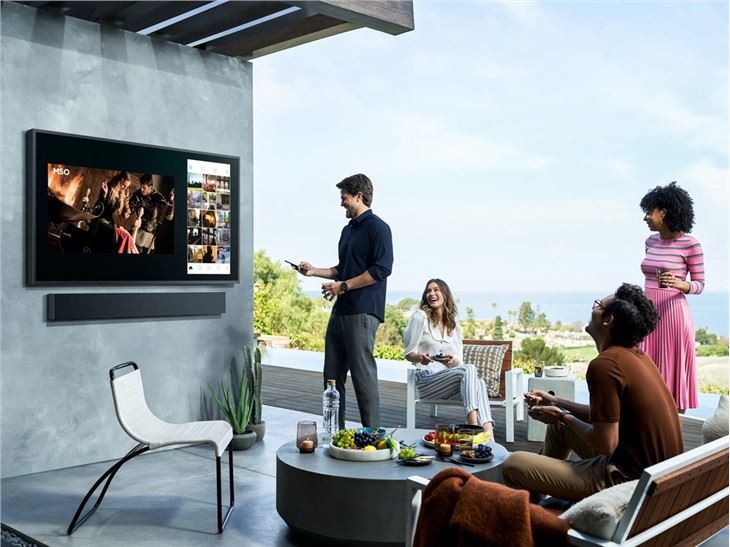
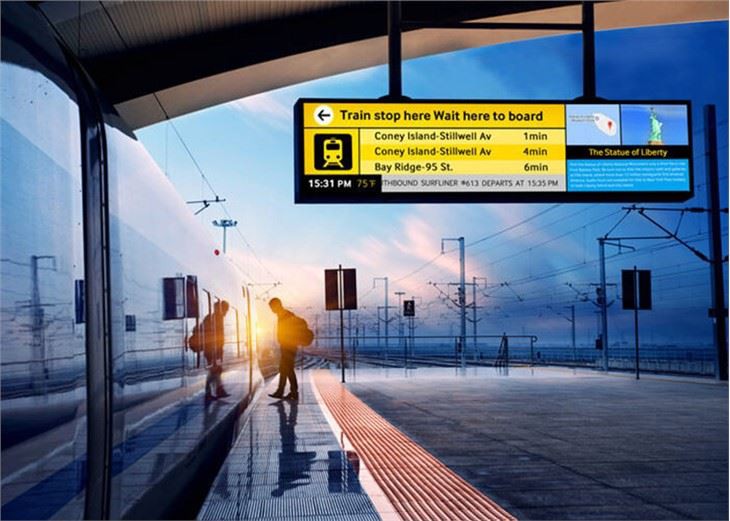
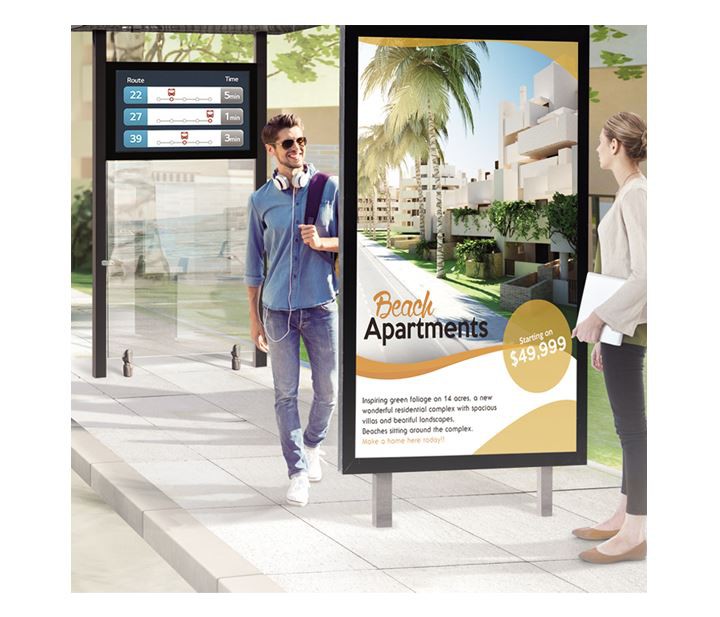
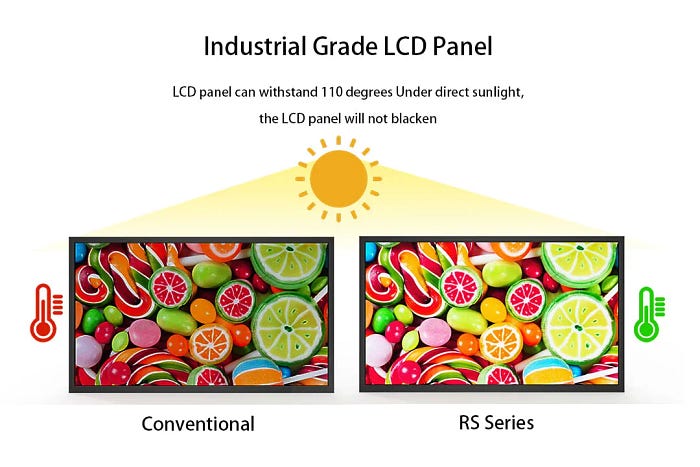
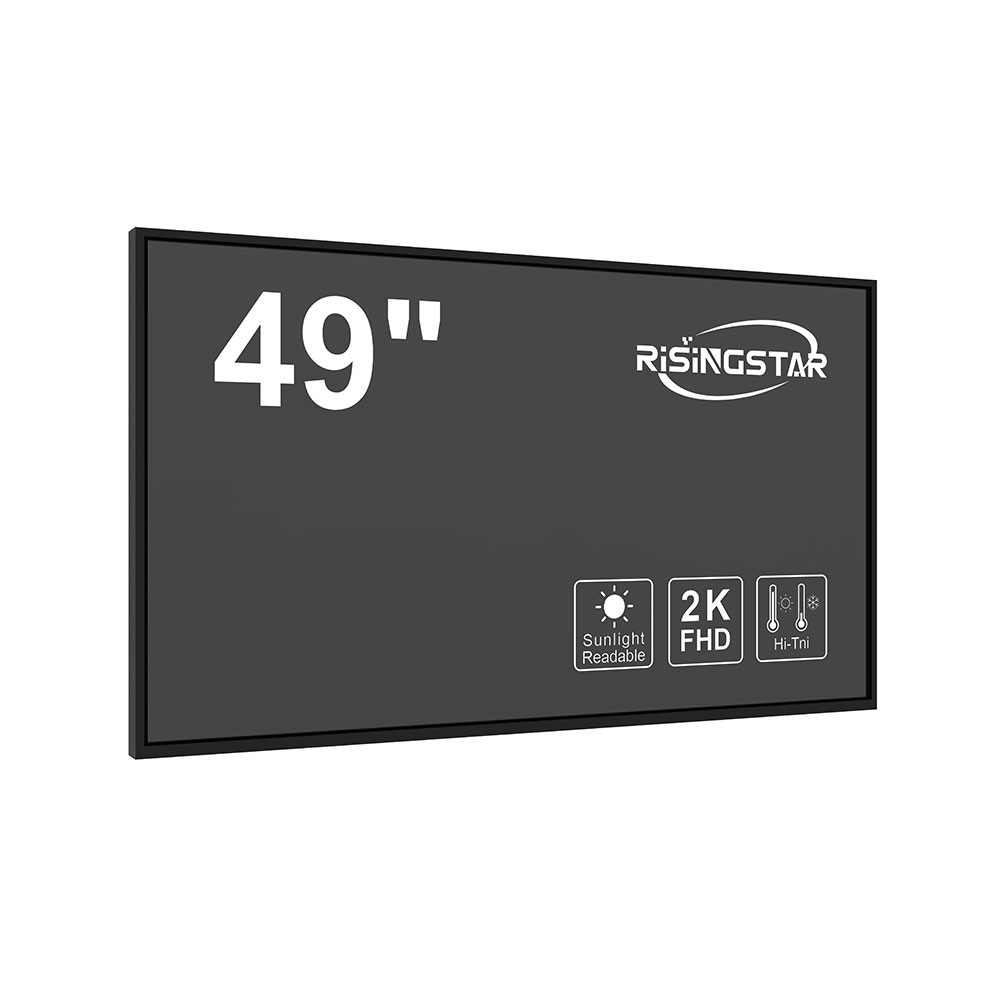
High-brightness sunlight-readable LCD displays are essential in modern outdoor applications where visibility under direct sunlight is critical. These screens, often exceeding 5,000 nits of peak brightness, are engineered to maintain clarity and readability even in intense solar conditions—such as those found on construction sites, military vehicles, aviation dashboards, and public transportation systems. Unlike standard LCDs that dim or become unusable in bright environments, sunlight-readable displays incorporate advanced technologies like high-efficiency LED backlights, anti-reflective coatings, and optimized contrast ratios to ensure consistent performance.
The foundation of a successful sunlight-readable LCD lies in its backlight system. Modern solutions use high-luminance LEDs (typically white or RGB) with precision optical films such as diffusers and reflectors to maximize light output while minimizing power consumption. For instance, some manufacturers now employ micro-lens arrays and total internal reflection (TIR) optics to enhance uniformity across the display surface—an improvement validated by ISO 9241-3 standards for visual ergonomics.
Another critical feature is the use of anti-reflective and polarization technologies. Anti-reflective coatings reduce glare from ambient light sources, while polarized filters block external reflections—particularly effective when combined with a matte or soft-touch surface finish. According to a 2023 study published in the Journal of Display Technology, these enhancements can reduce reflected light intensity by up to 85% compared to conventional glossy displays.
Additionally, sunlight-readable LCDs must operate reliably in extreme temperatures—from -30°C to +70°C—making thermal management crucial. Engineers often integrate passive heat dissipation mechanisms such as aluminum heat sinks or active cooling via fans, especially in enclosed devices like handheld industrial tablets or vehicle-mounted units. The MIL-STD-810G environmental testing standard ensures durability against shock, vibration, humidity, and temperature extremes.
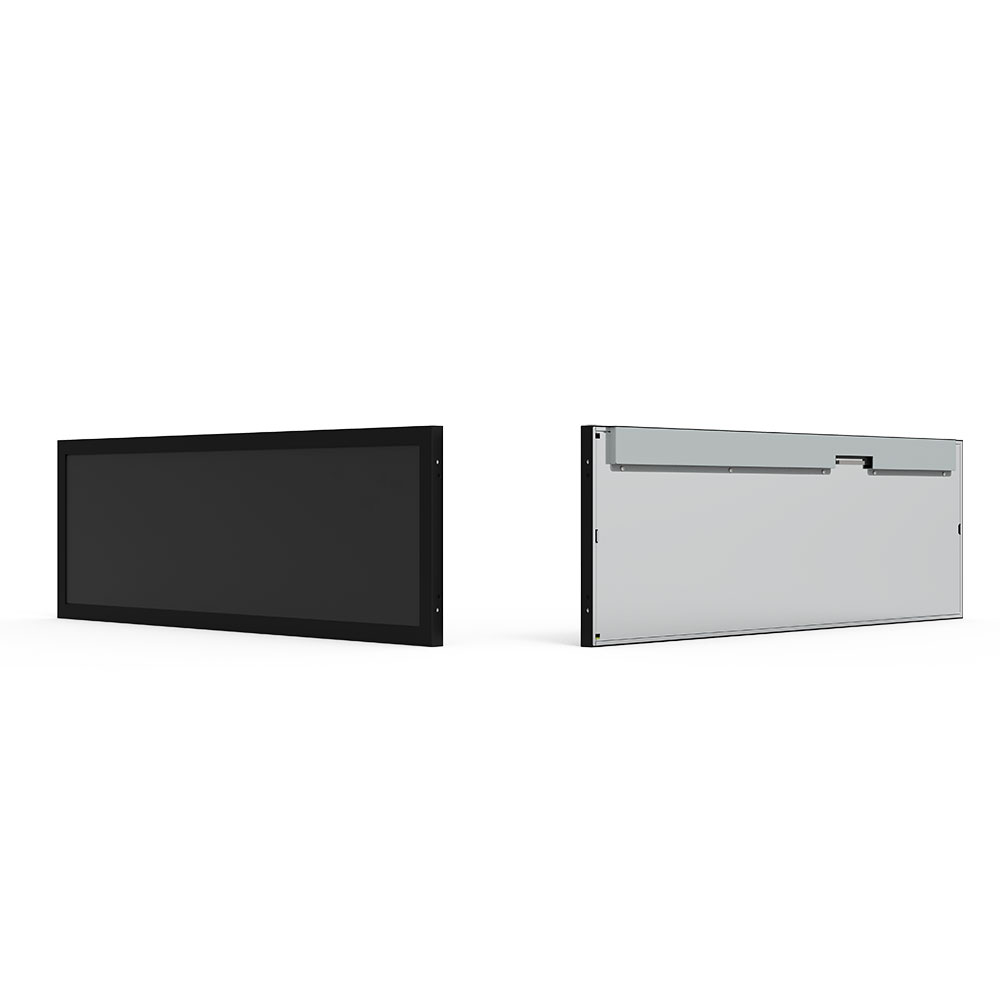
Manufacturers also leverage adaptive brightness control algorithms that dynamically adjust luminance based on ambient light sensors. This not only improves readability but also extends battery life—a key advantage for mobile and portable applications. For example, the Panasonic VIERA PRO series demonstrates adaptive brightness tuning that reduces power usage by up to 30% during low-light conditions without compromising visibility.
Case studies validate their effectiveness: In a field test conducted by the U.S. Army’s Night Vision & Electronic Sensors Directorate, a sunlight-readable LCD mounted on an armored vehicle performed consistently at over 6,000 nits in desert conditions, maintaining operational clarity during full daylight operations. Similarly, Japanese railway operator JR East implemented high-brightness displays in train control cabins, reporting a 40% reduction in driver misreads during daytime exposure to sunlight.
To remain competitive, OEMs must adhere to international standards such as EN 60068 (environmental testing), IEC 60950 (safety), and ISO 16750 (automotive reliability). These standards guide design, manufacturing, and validation processes, ensuring longevity and safety in demanding environments.
In conclusion, high-brightness sunlight-readable LCD technology is no longer optional for outdoor-facing electronics—it’s a necessity. With continuous innovation in materials science, optical engineering, and intelligent power management, these displays offer unparalleled performance, reliability, and user experience across industries ranging from defense to transportation to smart infrastructure.