RisingStar
- Home
- About Us
- Products
- News
- Video
- Contact
- Send Inquiry
Search
- Home
- About Us
- Products
- News
- Video
- Contact
- Send Inquiry
RisingStar
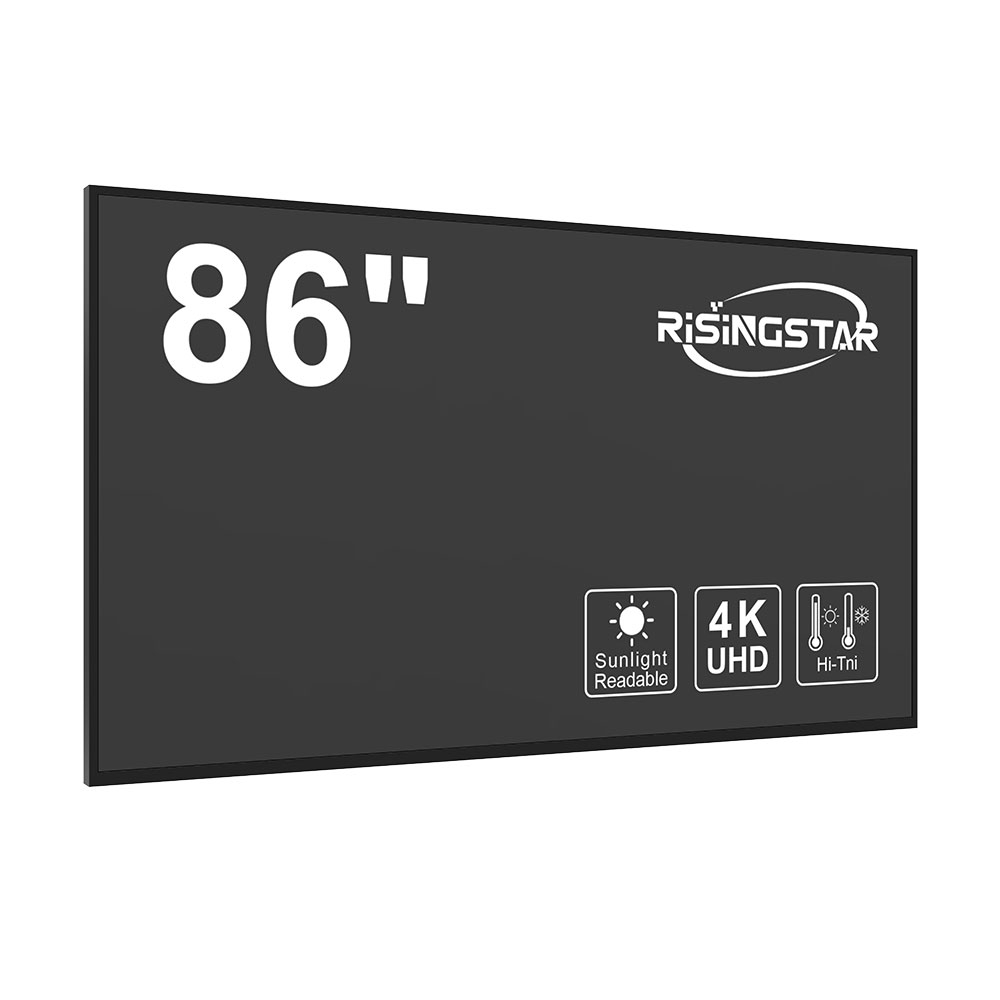
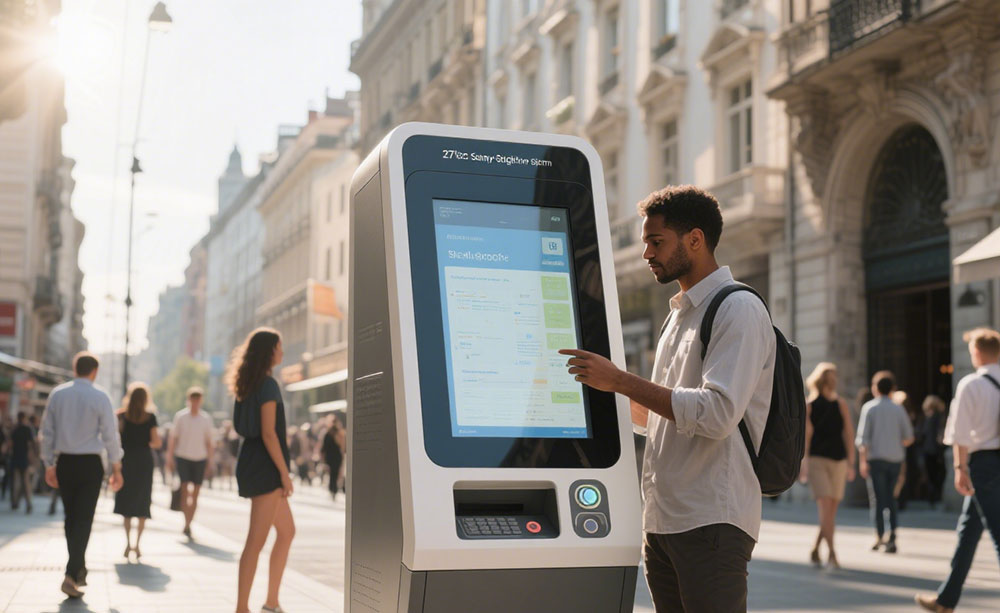
High-brightness sunlight-readable LCD displays have become a critical enabler for industrial, military, and transportation applications where visibility under direct sunlight is non-negotiable. These displays are engineered to overcome the fundamental limitations of standard LCDs—such as reduced contrast, washed-out colors, and poor readability in bright environments—by integrating advanced optical and electronic technologies. According to a 2023 report by MarketsandMarkets, the global market for high-brightness displays is projected to exceed $14 billion by 2028, driven by increasing demand from sectors like automotive, aerospace, and defense.
One of the core innovations behind sunlight-readable LCDs is the use of ultra-high brightness LEDs (typically 5,000 to 10,000 nits or more), which far exceed the typical 250–500 nits found in consumer-grade displays. For example, the U.S. Department of Defense’s MIL-STD-188-133C standards specify that outdoor display systems must maintain readability at 10,000 nits under full sunlight conditions—an industry benchmark now widely adopted by manufacturers like LG Display, BOE Technology, and Sharp. This ensures that operators in armored vehicles, aircraft cockpits, or construction machinery can read critical data even during midday sun exposure.
Another key technology is the implementation of anti-glare coatings, polarized filters, and transreflective liquid crystal modes. Unlike traditional emissive displays, transreflective LCDs combine both backlighting and ambient light reflection. In low-light environments, they use an LED backlight; in bright daylight, they rely on ambient light reflected through the display panel, significantly reducing power consumption while enhancing contrast. Case studies from Honeywell and Siemens show that this dual-mode approach has improved energy efficiency by up to 40% in portable field equipment such as handheld diagnostics tools used in oil and gas operations.
Furthermore, modern high-brightness LCDs often integrate intelligent brightness control (IBC) systems that dynamically adjust luminance based on real-time ambient lighting conditions. Using photodiode sensors, these systems ensure optimal visibility while minimizing unnecessary power draw—a crucial feature for battery-powered devices in remote or off-grid locations. A 2022 study published in the IEEE Transactions on Consumer Electronics confirmed that IBC-equipped displays maintained over 90% readability across varying light levels from 100 to 10,000 lux, outperforming fixed-brightness counterparts.
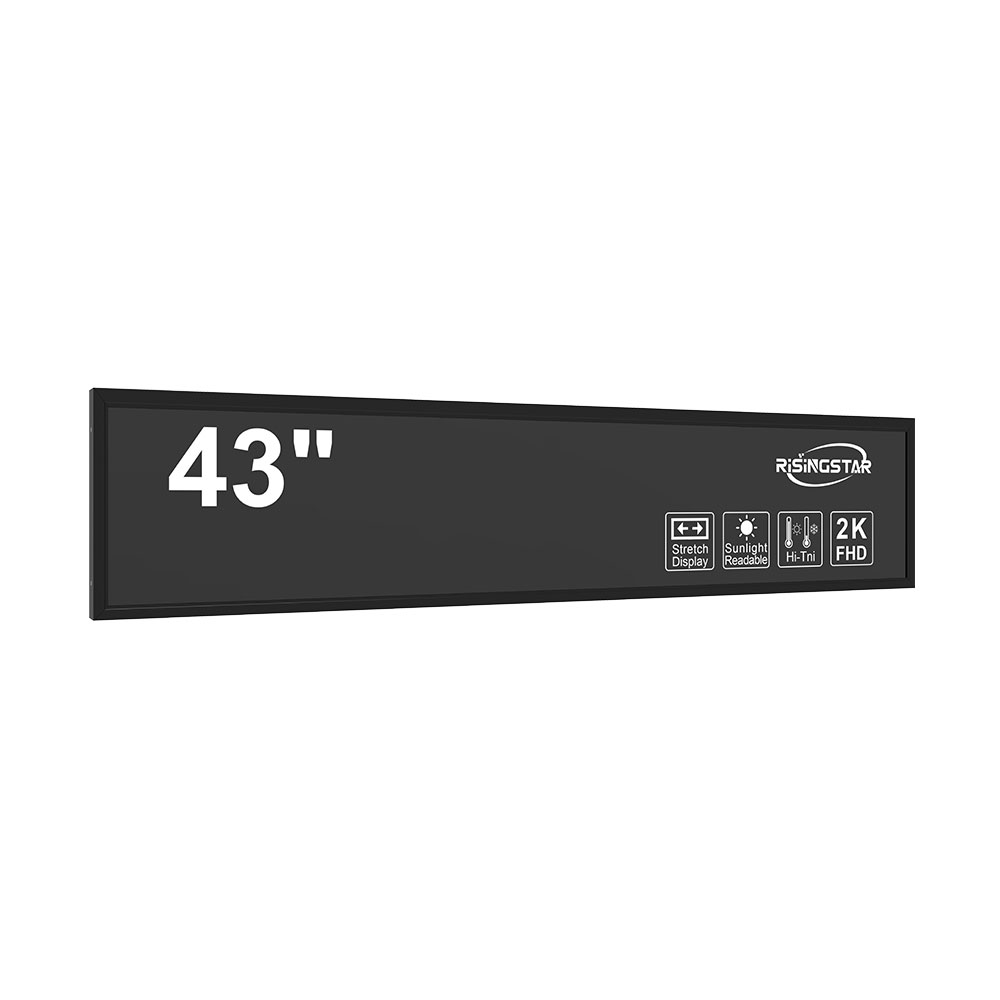
In addition to technical performance, reliability under extreme environmental conditions is vital. The ISO 16750-3 standard for automotive electronics mandates that displays withstand temperatures ranging from -40°C to +85°C, shock resistance, and humidity tolerance—all essential for military drones, mining vehicles, and mobile command units. Manufacturers now routinely apply ruggedized glass, IP65/IP67 sealing, and corrosion-resistant materials to meet these stringent requirements.
The future of sunlight-readable LCDs lies in miniaturization, increased resolution (up to 4K), and integration with AI-driven interface optimization. For instance, Samsung’s recent prototype uses machine learning algorithms to adapt text sizing and color schemes based on user gaze patterns and ambient conditions—an innovation poised to redefine human-machine interaction in outdoor settings.