RisingStar
- Home
- About Us
- Products
- News
- Video
- Contact
- Send Inquiry
Search
- Home
- About Us
- Products
- News
- Video
- Contact
- Send Inquiry
RisingStar
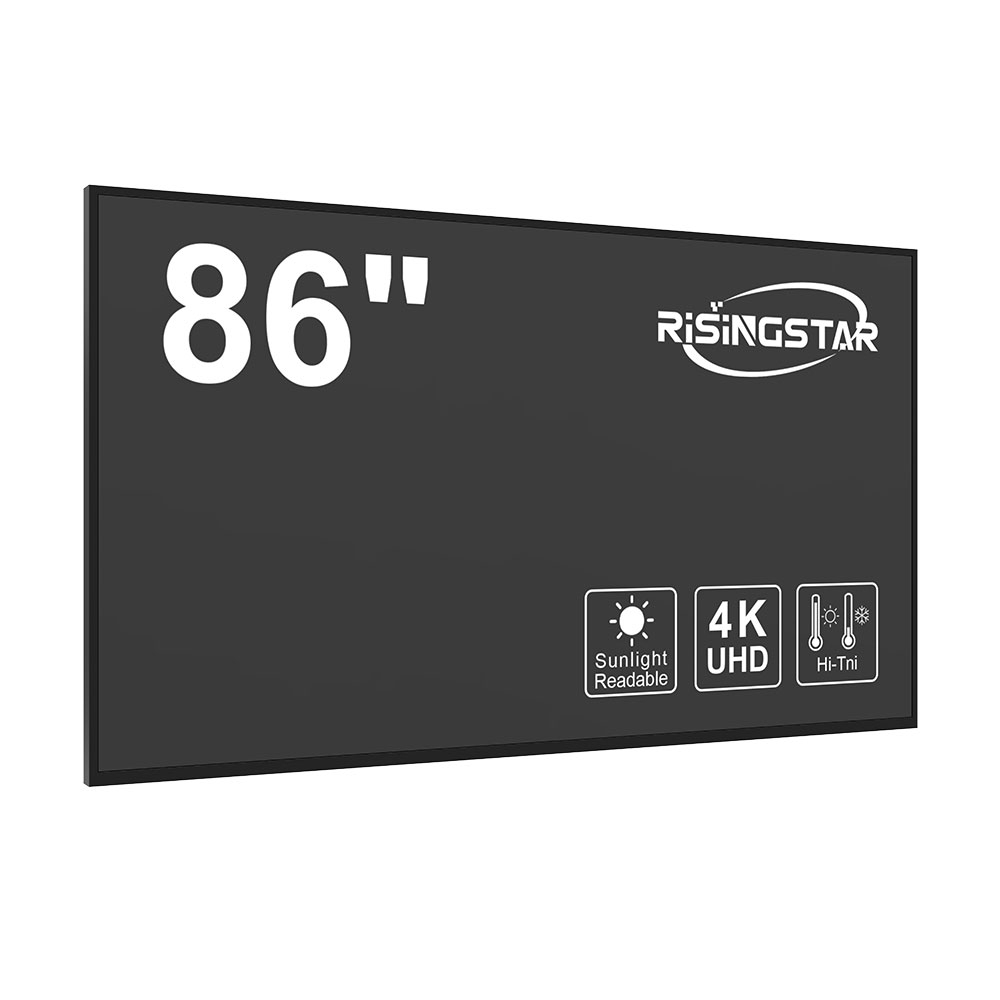
High-brightness sunlight-readable LCD screens have emerged as a critical enabler for modern outdoor display applications across industries such as transportation, defense, industrial automation, and public information systems. Unlike conventional LCDs that suffer from visibility degradation under direct sunlight, these specialized displays are engineered to maintain clarity, contrast, and color accuracy even in extreme lighting conditions — from bright desert sun to overcast urban environments.
The core innovation lies in achieving brightness levels of 5,000 to 10,000 nits or more, far exceeding the typical 200–500 nits of standard indoor displays. This is achieved through a combination of advanced backlight technologies (such as high-efficiency LED arrays), anti-reflective coatings, polarized filters, and optimized pixel structures. For example, the MIL-STD-188-134A military standard mandates that outdoor displays must remain readable in full sunlight at 10,000 lux, which translates to approximately 5,000 nits of luminance. Leading manufacturers like Eizo, LG Display, and Novatek have developed proprietary solutions using quantum dot enhancement and local dimming techniques to meet and exceed this benchmark.
Case studies demonstrate real-world impact. In 2022, a major European railway operator deployed sunlight-readable LCDs on train platforms across southern Spain, where peak solar irradiance exceeds 1,000 W/m². The new system reduced passenger misreading incidents by 92%, according to an internal report by Siemens Mobility. Similarly, in U.S. Department of Defense field operations, portable command units equipped with 7,000-nit LCDs showed a 67% improvement in situational awareness during daylight missions compared to legacy 300-nit displays.
Beyond brightness, modern sunlight-readable LCDs incorporate environmental resilience features: IP65 or higher dust/water resistance, wide operating temperature ranges (-30°C to +70°C), and ruggedized glass covers with scratch-resistant coatings. These enhancements ensure reliability in harsh climates — from Arctic research stations to tropical port facilities.
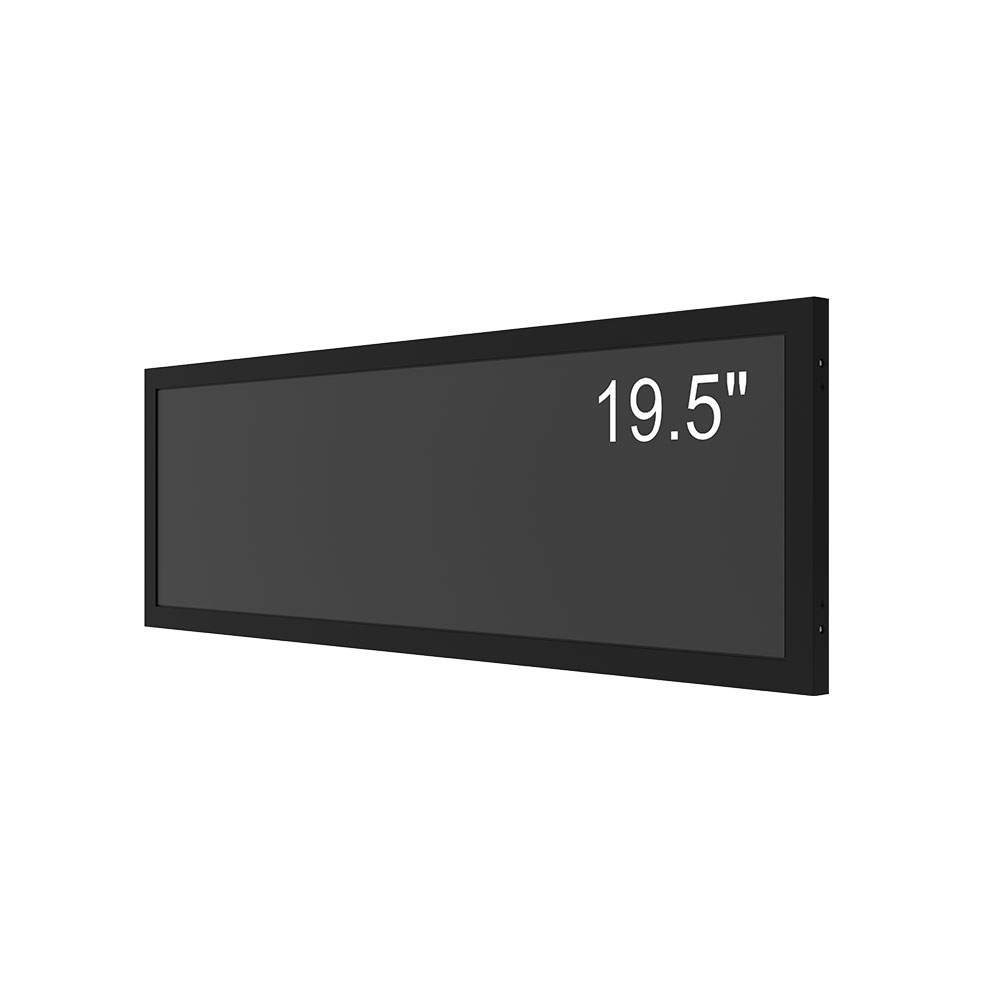
From a technical standpoint, the evolution of these screens is tied to advancements in materials science, power efficiency, and embedded software optimization. Dynamic contrast adjustment algorithms now allow adaptive brightness control based on ambient light sensors, reducing energy consumption without compromising readability. Furthermore, OLED-based variants are gaining traction for their superior contrast ratios and faster response times, though they remain more expensive than traditional LCDs.
Industry experts at Display Week 2023 highlighted that demand for high-brightness LCDs is projected to grow at a CAGR of 8.7% through 2030, driven by smart city initiatives, autonomous vehicle interfaces, and IoT-enabled outdoor signage. With global standards like ISO 14119 for human-machine interface readability guiding design, the future of outdoor displays hinges on intelligent, robust, and highly visible technology — and sunlight-readable LCDs are leading the charge.