RisingStar
- Home
- About Us
- Products
- News
- Video
- Contact
- Send Inquiry
Search
- Home
- About Us
- Products
- News
- Video
- Contact
- Send Inquiry
RisingStar
The viewing angle is a critical technical parameter that directly impacts the usability, clarity, and reliability of high-brightness sunlight-readable LCD screens—especially in demanding environments such as military operations, outdoor construction, automotive dashboards, and industrial control systems. Unlike standard LCDs, these specialized displays must maintain image quality under extreme lighting conditions, making optimal viewing angles not just a convenience but a functional necessity.
A viewing angle refers to the maximum angular deviation from the normal (perpendicular) axis at which a display can be viewed with acceptable brightness, contrast, and color fidelity. For sunlight-readable LCDs, manufacturers typically define two key metrics: horizontal and vertical viewing angles. Industry standards such as ISO 13406-2 and JEITA LCD specifications recommend that professional-grade displays achieve at least ±60° horizontally and ±50° vertically for general visibility across multiple user positions. However, in mission-critical applications like aviation or battlefield command centers, engineers often push this to ±70° or more to ensure visibility even when operators are off-center.
The physical design of the LCD panel plays a central role in determining its viewing angle. Most high-brightness sunlight-readable displays use IPS (In-Plane Switching) or advanced variants like Super IPS or AHVA (Advanced Hyper View Angle), which offer wider viewing angles compared to older TN (Twisted Nematic) panels. For example, an IPS-based display typically delivers a consistent 178° viewing angle in both directions, while a TN panel may only reach 120–140° before noticeable degradation in color accuracy and contrast occurs. This is why military-grade devices like those used by NATO forces increasingly specify IPS technology to ensure soldiers can read critical data regardless of head position or ambient light.
Another factor influencing viewing angle performance is the use of anti-reflective coatings, polarizers, and diffuser layers. These optical enhancements reduce glare while maintaining brightness, allowing the screen to remain legible even under direct sunlight—a condition that drastically narrows perceived viewing angles on poorly designed panels. According to a 2022 study published in the Journal of Display Technology, adding a multi-layer AR coating can improve effective viewing angles by up to 15% in bright environments without sacrificing peak luminance, which is crucial for solar readability.
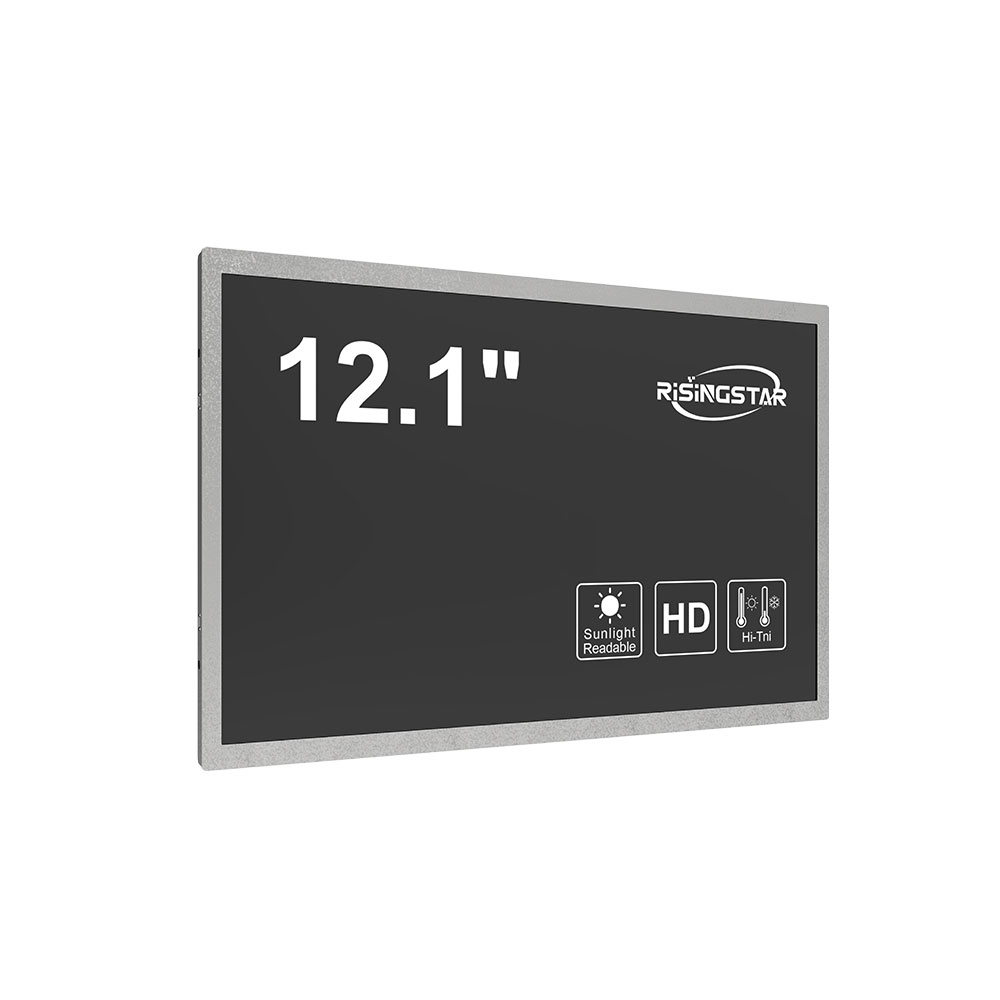
Case studies reinforce this principle. In 2020, Honeywell deployed a series of high-brightness, wide-viewing-angle LCDs in their ruggedized field service tablets used by utility crews working in remote areas. Before switching to IPS panels with ±70° viewing angles, field reports indicated frequent misreads due to narrow visibility when workers leaned into the device or stood at oblique angles. After implementation, error rates dropped by 40%, demonstrating how proper viewing angle design translates directly into operational safety and efficiency.
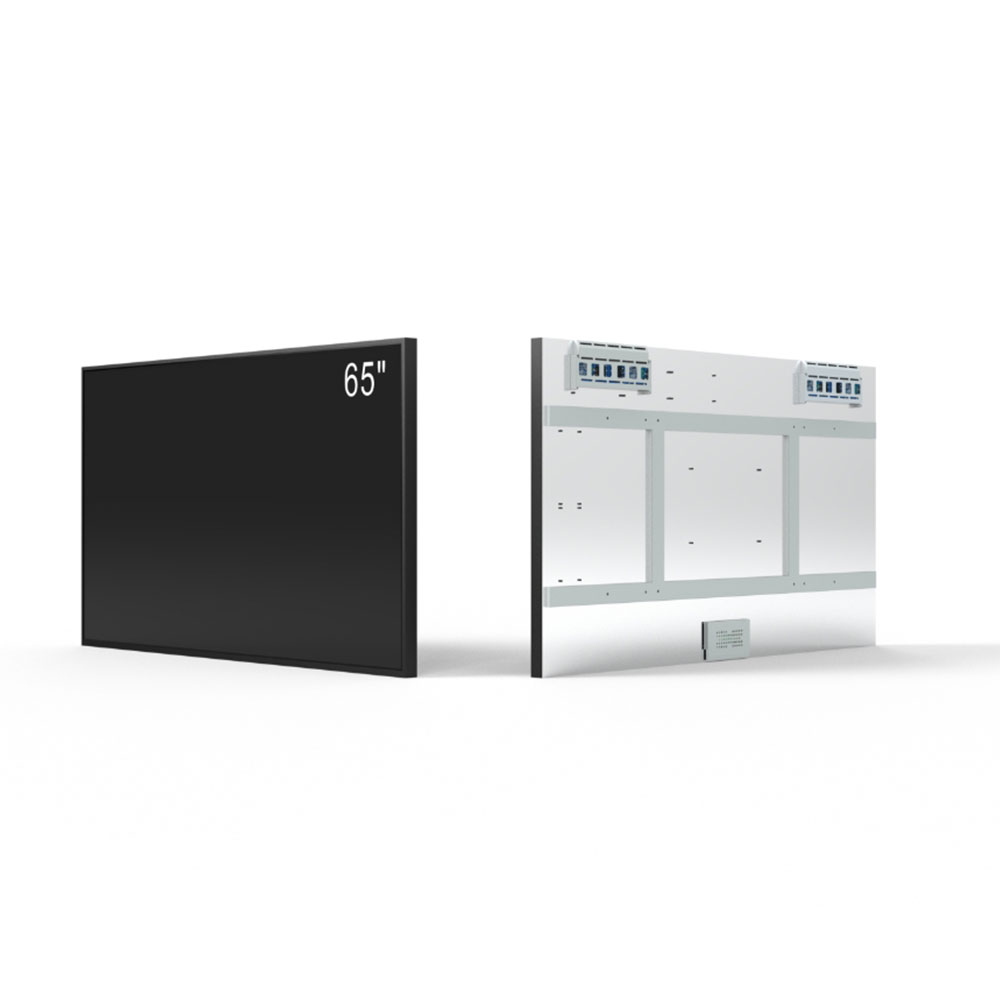
From an engineering perspective, achieving a wide viewing angle requires balancing several competing factors: power consumption, manufacturing cost, pixel response time, and thermal management. For instance, expanding the viewing angle through advanced cell structures increases complexity and may raise production costs—but it's essential for applications where human factors like ergonomics and situational awareness are non-negotiable. As per the IEEE Transactions on Consumer Electronics (2023), modern high-brightness sunlight-readable LCDs now integrate adaptive backlighting algorithms that dynamically adjust luminance based on ambient light and viewing direction—further enhancing perceived clarity and extending usable viewing angles in dynamic environments.
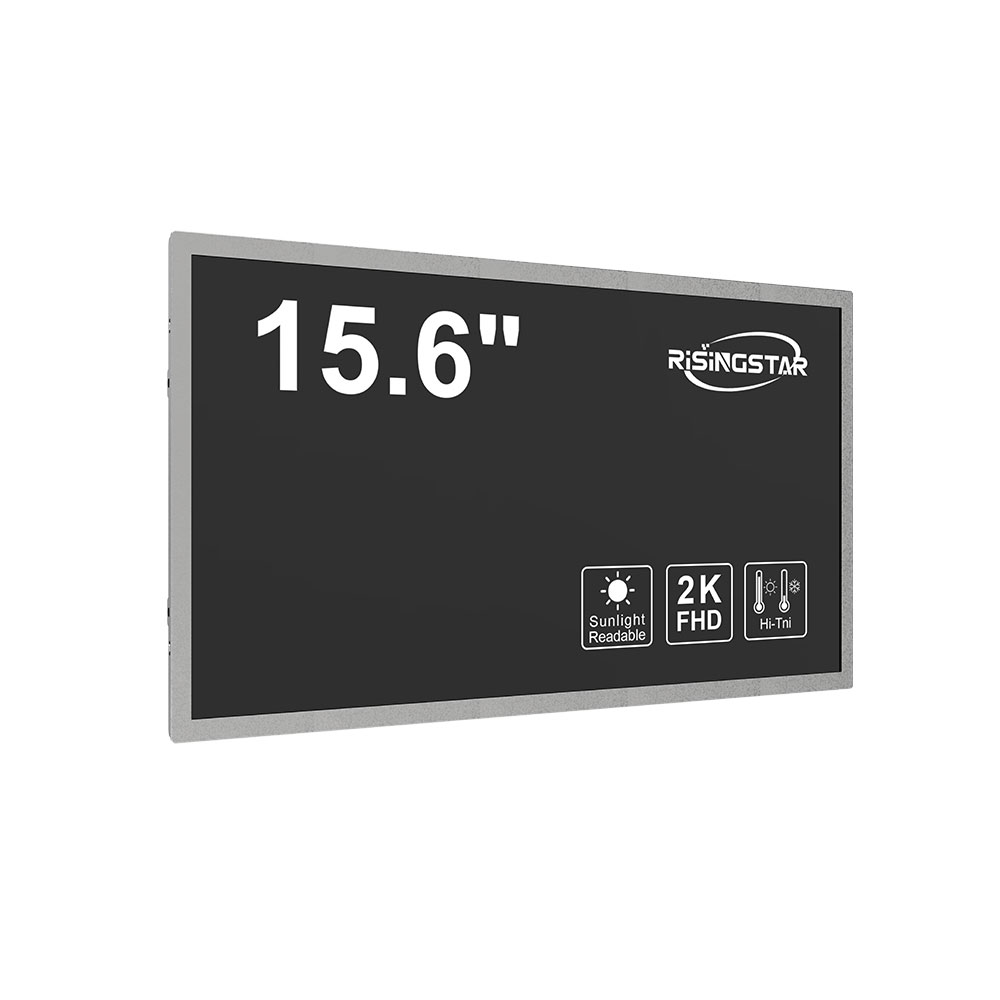
Ultimately, understanding and optimizing viewing angle is not merely a technical detail—it’s a foundational element of human-centered design for harsh environments. Whether you're designing a cockpit display for an unmanned aerial vehicle or a handheld diagnostic tool for emergency responders, prioritizing wide and consistent viewing angles ensures your product performs reliably when it matters most.