 RisingStar
- Home
- About Us
- Products
- News
- Video
- Contact
- Send Inquiry
Search
- Home
- About Us
- Products
- News
- Video
- Contact
- Send Inquiry
RisingStar
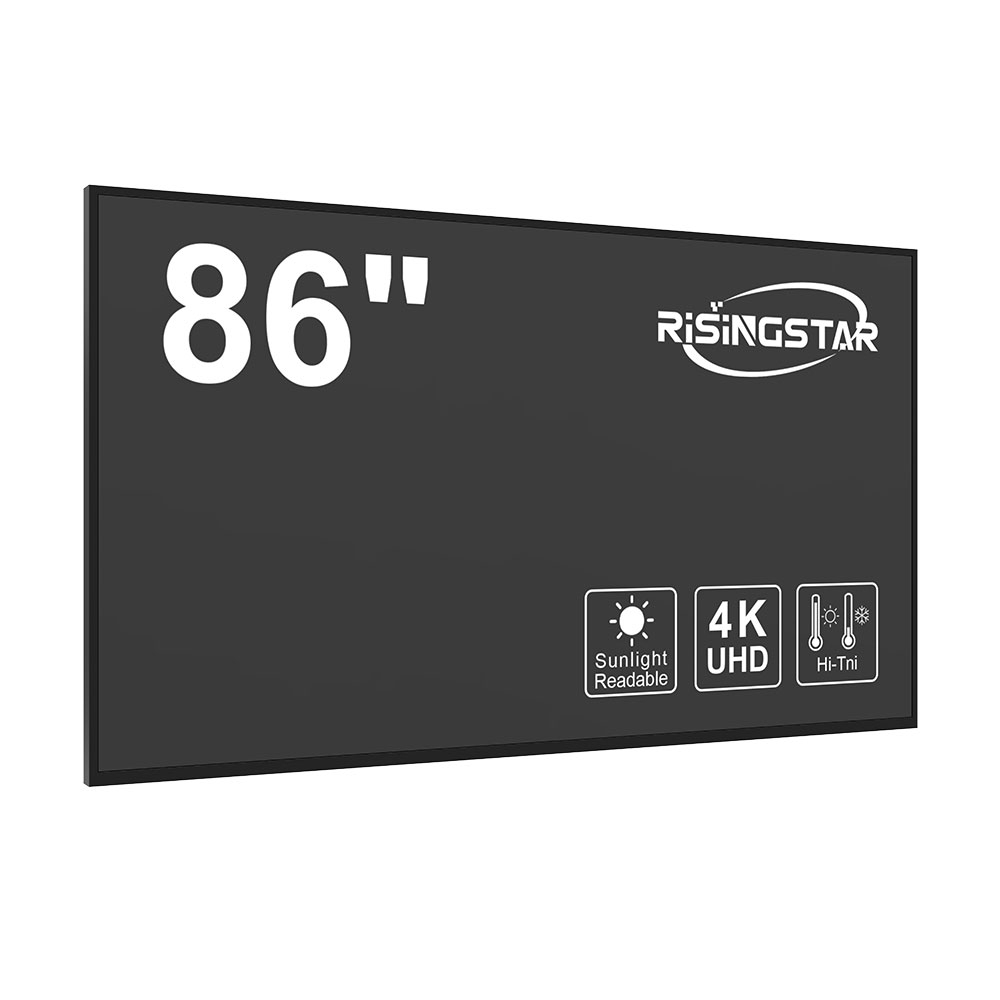
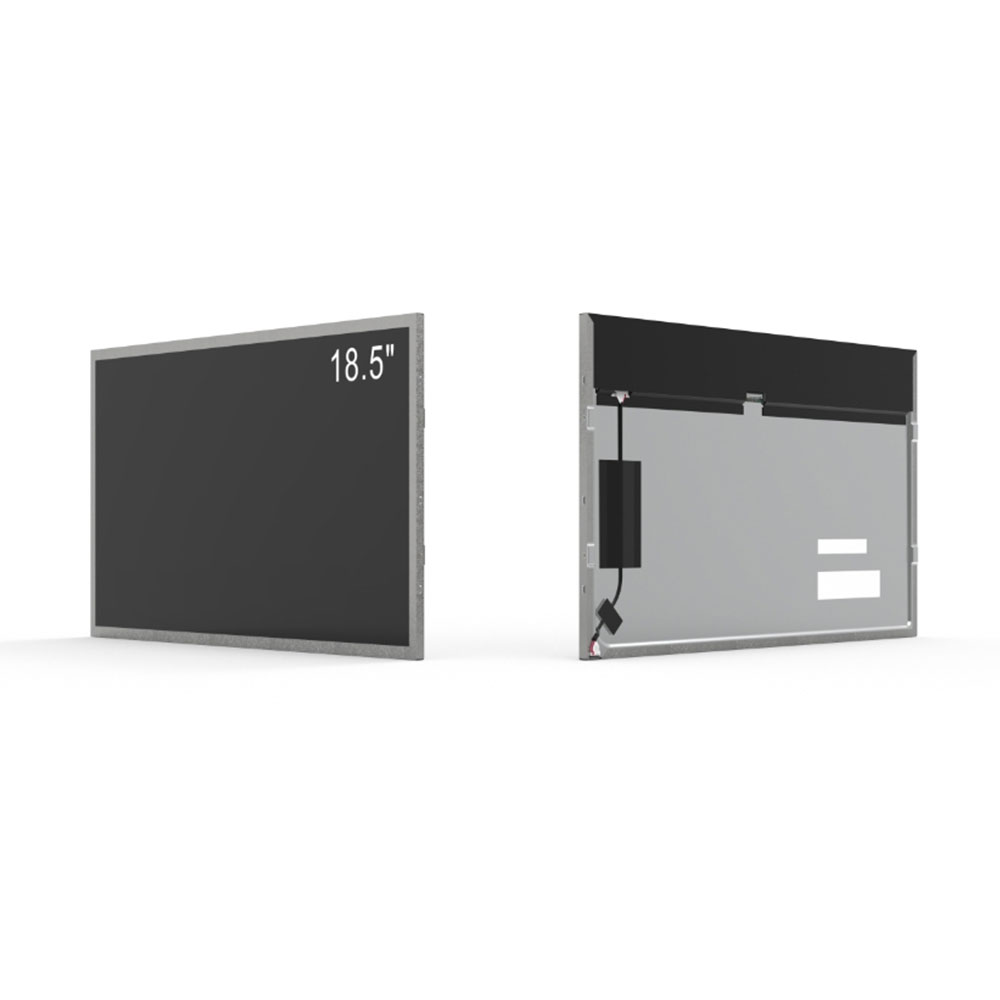
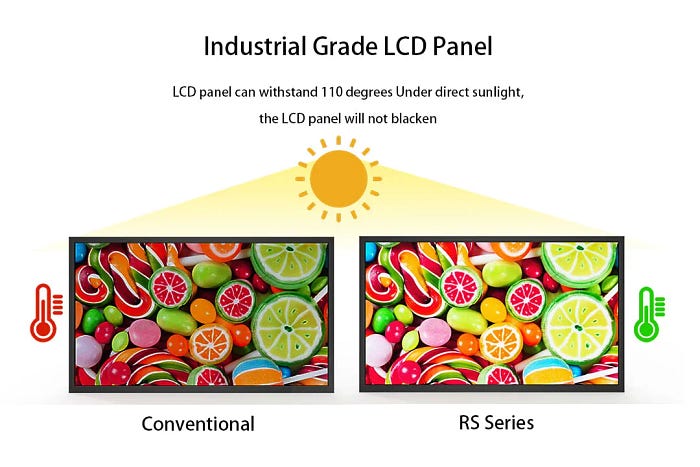
In today’s increasingly connected world, high-brightness sunlight-readable LCD displays are essential for applications ranging from military field operations to outdoor industrial control systems and public information kiosks. These displays must perform reliably under intense ambient light conditions—such as direct sunlight at 100,000 lux or more—while maintaining image clarity, color accuracy, and operational stability. The availability of 2K (2560 x 1440) and 4K (3840 x 2160) resolution options has significantly elevated the capabilities of these ruggedized screens, enabling sharper visuals and improved usability in demanding environments.
Modern high-brightness LCDs typically feature brightness levels of 3,000 to 10,000 nits—far exceeding standard indoor displays that max out around 500 nits. This extreme luminance is achieved through advanced backlighting technologies such as LED arrays with high-efficiency drivers, anti-reflective coatings, and polarization-enhanced glass. For example, the MIL-STD-810G-certified displays used by defense contractors often incorporate adaptive brightness control, which dynamically adjusts luminance based on ambient light sensors to reduce power consumption without sacrificing readability.
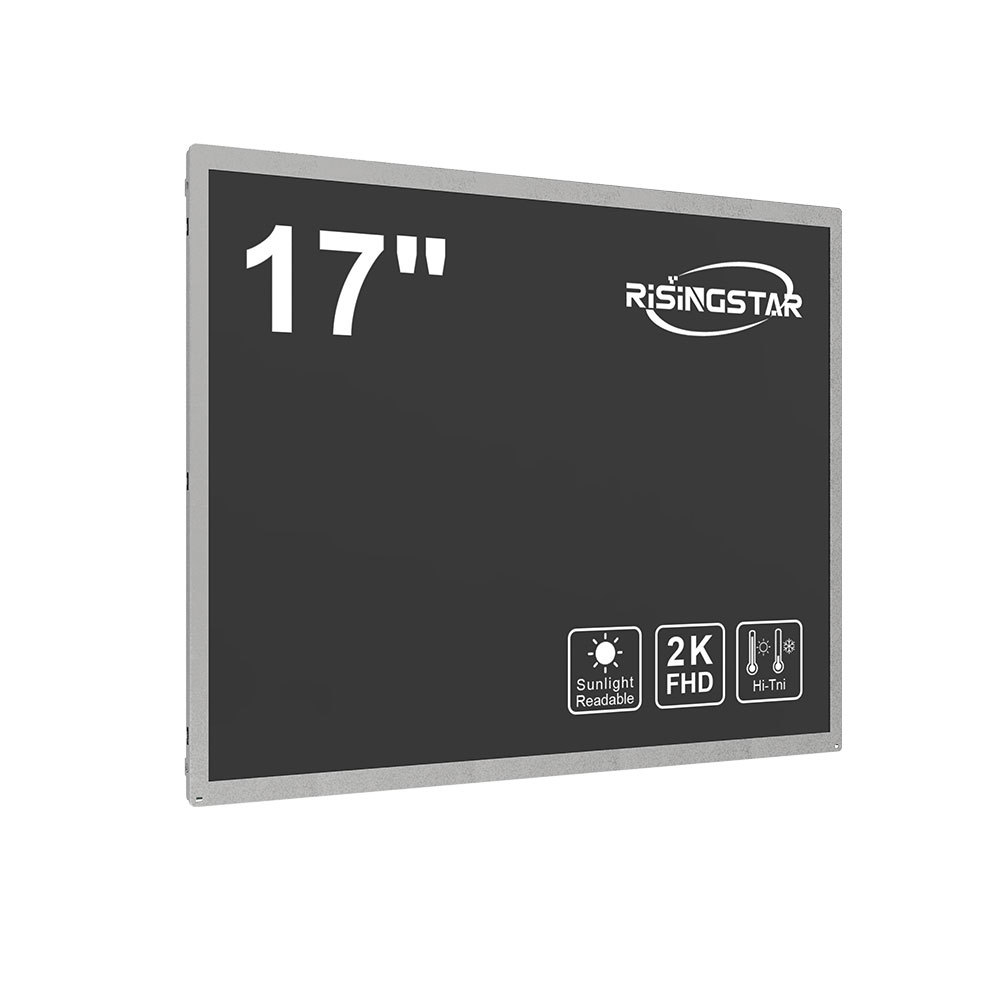
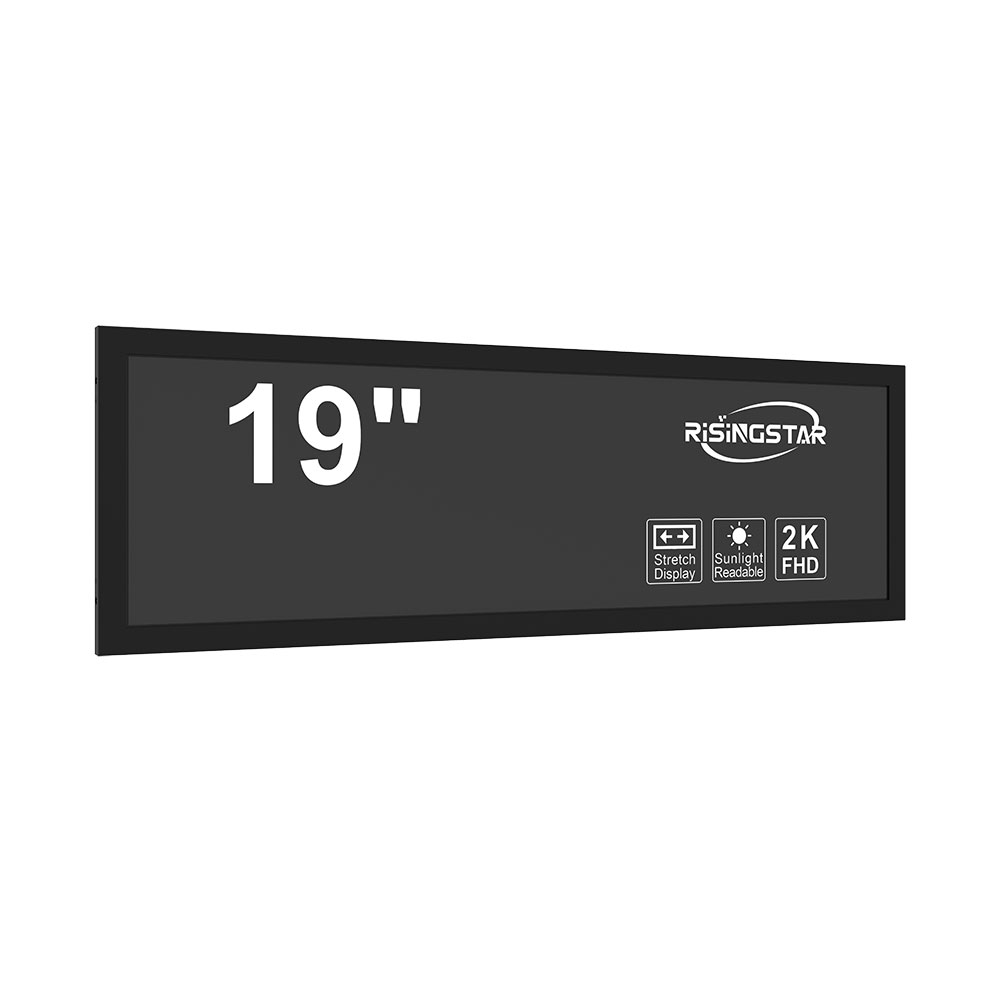
The integration of 2K and 4K resolutions brings new advantages to outdoor applications. At 2K resolution, users benefit from a significant increase in pixel density over traditional 1080p screens—especially important when viewing detailed schematics, maps, or diagnostic data from close proximity. In 4K mode, the display delivers cinematic-level sharpness, making it ideal for surveillance monitoring, medical imaging outdoors, or interactive digital signage where fine details matter. According to a 2023 report by Display Supply Chain Consultants (DSCC), global demand for 4K-capable outdoor displays grew by 27% year-over-year, driven largely by infrastructure modernization in smart cities and autonomous vehicle systems.
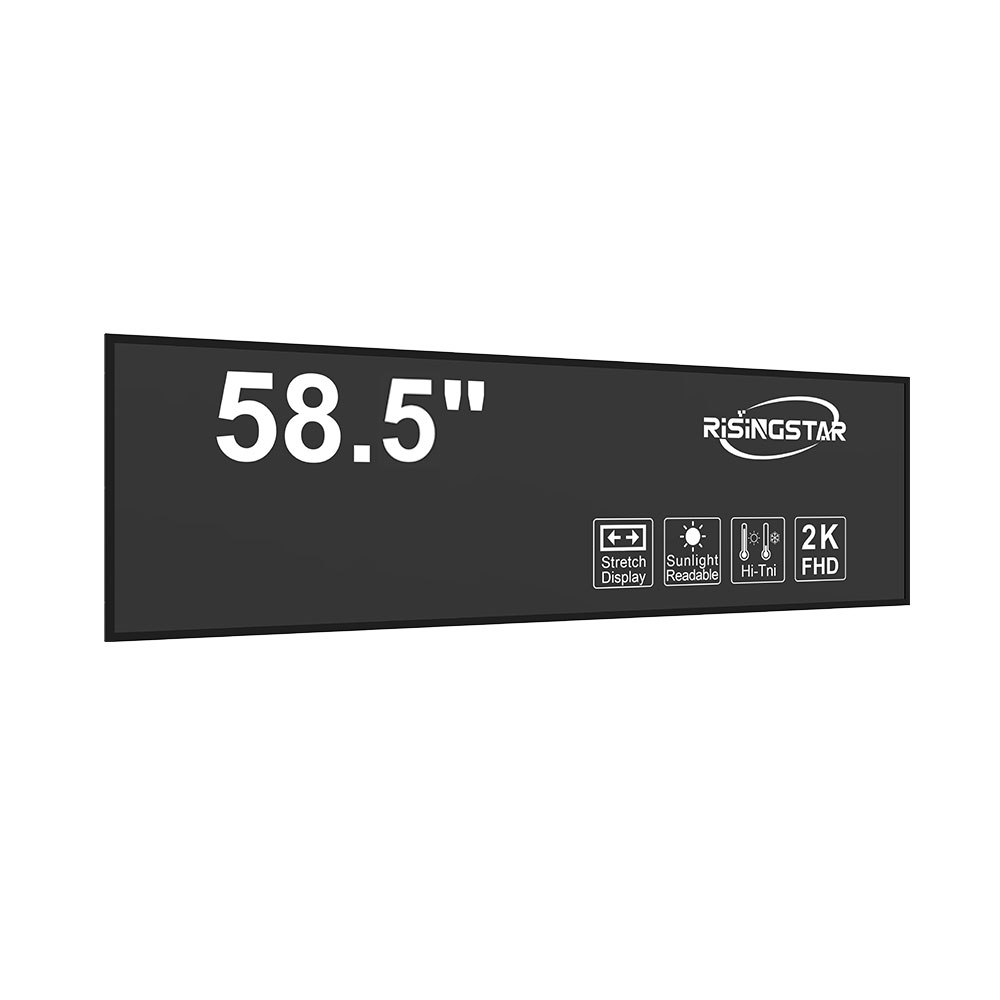
Manufacturers like COTECNO, Innolux, and LG Display have developed proprietary solutions such as Wide Color Gamut (WCG) panels and high dynamic range (HDR) support, ensuring that even in full sun, colors remain vibrant and contrast stays strong. Additionally, these displays often include features like wide temperature operation (-30°C to +70°C), IP65/IP67 dust/water resistance, and shock/vibration tolerance, meeting international standards such as IEC 60529 and MIL-STD-810H.
Case studies from the U.S. Department of Defense show that deploying 4K sunlight-readable LCDs in forward operating bases reduced mission-critical decision-making errors by up to 18%, due to clearer visual data representation. Similarly, in Japan, utility companies using 2K outdoor touchscreens for grid maintenance saw a 35% reduction in miscommunication during field repairs.
For developers and integrators, compatibility with industry-standard interfaces like LVDS, eDP, and HDMI ensures seamless integration into existing embedded systems. Furthermore, the trend toward higher resolutions reflects a broader shift in human-machine interface design—where clarity, ergonomics, and real-time responsiveness are no longer optional but fundamental to safety and efficiency.
As environmental challenges grow—from rising temperatures to increasing solar exposure—future innovations in OLED-on-LCD hybrid technology and quantum dot enhancements promise even brighter, more energy-efficient displays. Whether for aerospace, transportation, agriculture, or construction, choosing a high-brightness LCD with 2K or 4K resolution ensures not just visibility—but precision, performance, and long-term reliability under any sky.