RisingStar
- Home
- About Us
- Products
- News
- Video
- Contact
- Send Inquiry
Search
- Home
- About Us
- Products
- News
- Video
- Contact
- Send Inquiry
RisingStar
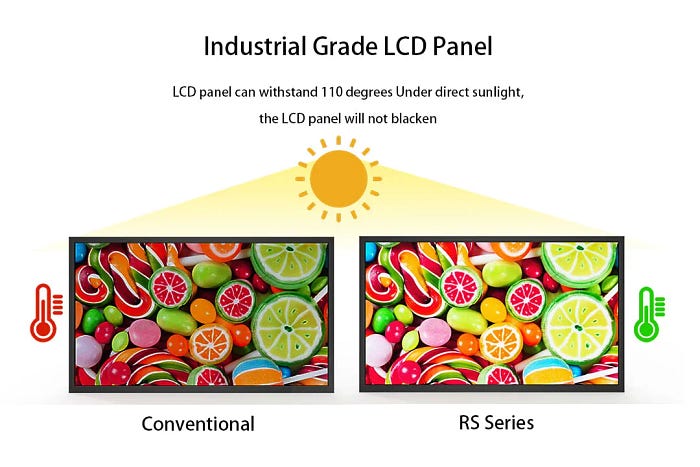
In the modern era of digital interfaces, high-brightness sunlight-readable LCD displays have emerged as a critical enabler for applications that demand reliable visual performance under extreme environmental conditions. From military field operations to industrial automation, from public transportation to outdoor advertising, these specialized displays are no longer optional—they are mission-critical components. This article explores the engineering principles, technological innovations, and real-world applications that define high-brightness sunlight-readable LCDs, providing a comprehensive understanding for engineers, product designers, and procurement professionals seeking robust display solutions.
At the heart of a sunlight-readable LCD lies its ability to maintain visibility in direct sunlight, typically requiring luminance levels between 3,000 and 10,000 cd/m²—far exceeding standard indoor displays, which usually operate at 250–500 cd/m². According to the Society for Information Display (SID), such high brightness is not merely about increasing backlight intensity; it involves a holistic system approach encompassing panel design, optical enhancements, anti-reflection coatings, and intelligent power management.
One of the most significant challenges in achieving high brightness while maintaining low power consumption is managing heat dissipation. As backlight intensity increases, so does thermal output. High-brightness LED backlights, especially those using RGB or white LEDs with phosphor conversion, generate substantial heat. Thermal runaway—a condition where rising temperature further reduces efficiency—can degrade both display performance and lifespan. Therefore, advanced thermal management strategies, including passive heat sinks, active cooling via fans or liquid cooling, and thermally conductive materials like aluminum substrates or graphene-based layers, are now integrated into industrial-grade LCD modules.
A core innovation in this space is the use of transflective technology. Unlike traditional transmissive LCDs that rely solely on a backlight, transflective panels incorporate reflective layers that bounce ambient light back through the liquid crystal layer. This dual-mode operation allows the display to function effectively in both bright sunlight (using ambient light) and low-light environments (switching to backlight). Transflective LCDs can achieve up to 50% reduction in power consumption compared to fully backlit models—an advantage particularly crucial in battery-powered systems such as handheld military devices or remote monitoring equipment.
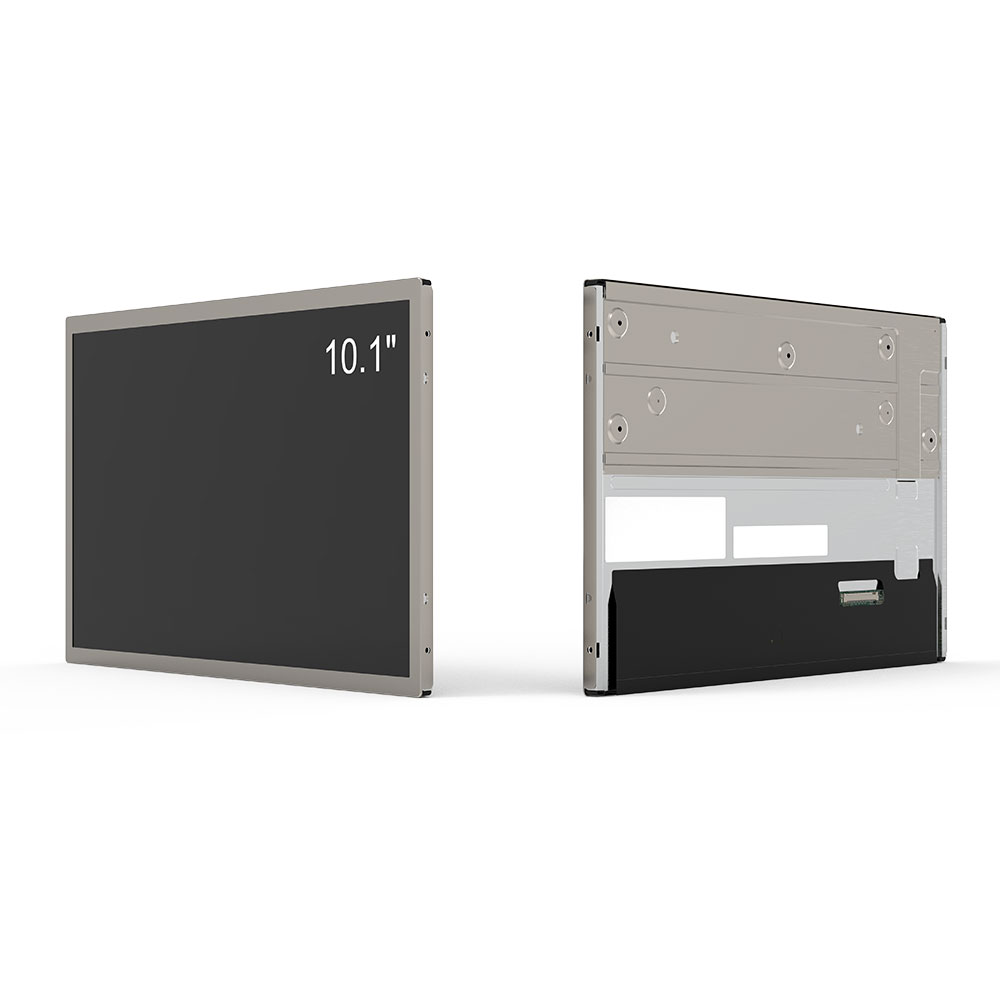
Another key advancement is the implementation of high-efficiency polarizers and anti-glare films. Standard polarizers lose efficiency above 3,000 cd/m² due to increased absorption and scattering losses. Recent developments in polymer-based polarizing films with improved extinction ratios and reduced angular dependence enable better contrast ratios even under oblique viewing angles—a common scenario in vehicle dashboards or outdoor kiosks. Additionally, nanostructured anti-reflection coatings, often based on magnesium fluoride or titanium dioxide, reduce surface reflectivity to less than 1%, significantly enhancing readability under direct sunlight.
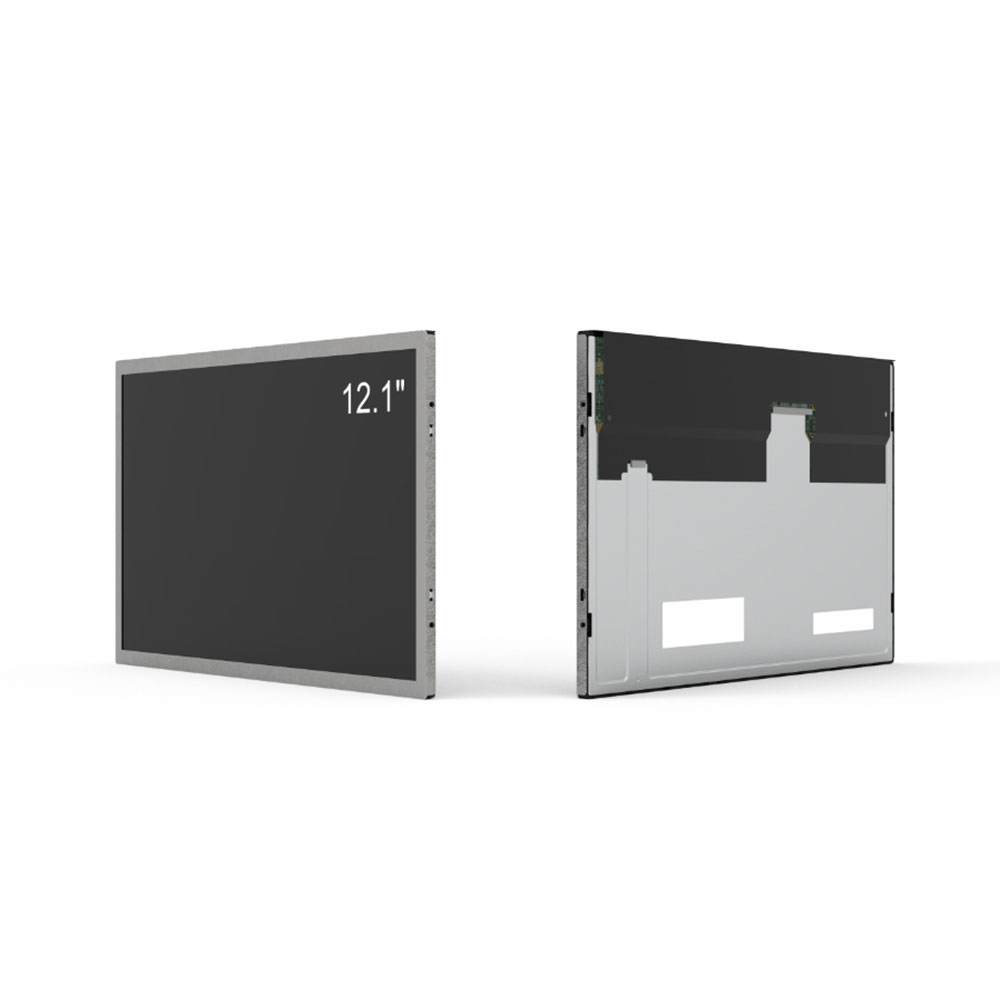
Manufacturers also leverage advanced driver ICs capable of dynamic dimming and local area control (LAC). These smart drivers adjust individual pixel groups’ brightness based on content and ambient light conditions. For example, when displaying a dark interface against a bright sky, LAC ensures only the relevant pixels are illuminated, reducing overall power draw while preserving clarity. Such techniques are widely adopted in aerospace and defense sectors, where energy conservation and image fidelity are paramount.
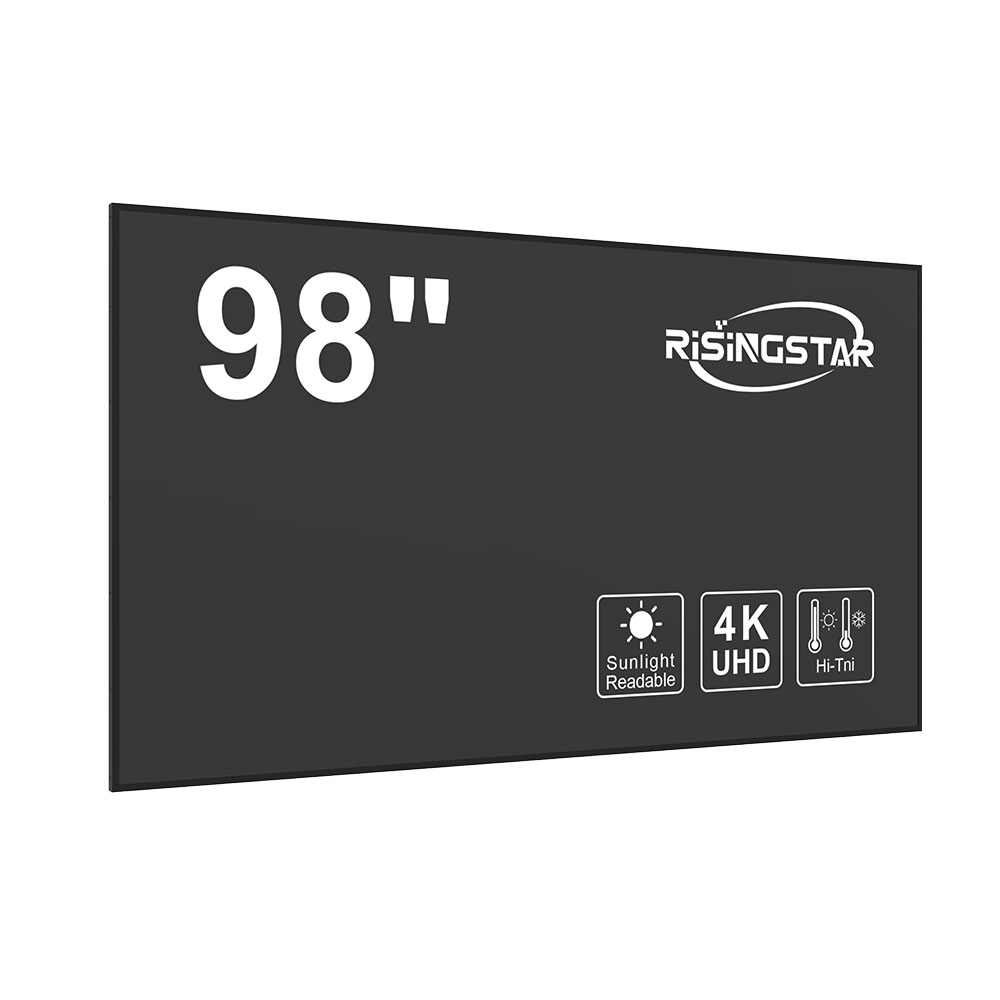
The integration of sunlight-readable displays into harsh environments requires adherence to international standards such as MIL-STD-810G (for environmental durability), IP65/IP67 (for ingress protection), and EN 60068-2-14 (for vibration resistance). These certifications ensure that displays can withstand temperature extremes (-40°C to +70°C), humidity, dust, shock, and electromagnetic interference—all vital for reliability in field-deployed systems. Case studies from Raytheon Technologies and BAE Systems demonstrate how their battlefield communication units utilize customized high-brightness LCDs rated for continuous operation in desert and arctic climates, proving the robustness of engineered solutions.
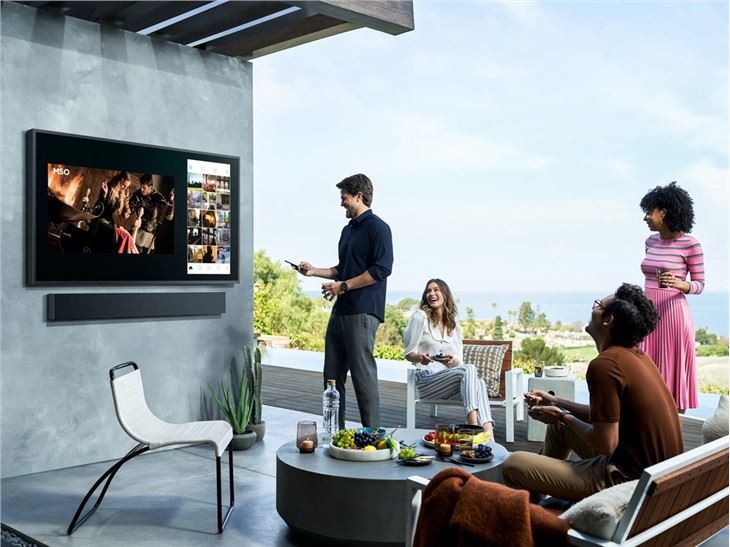
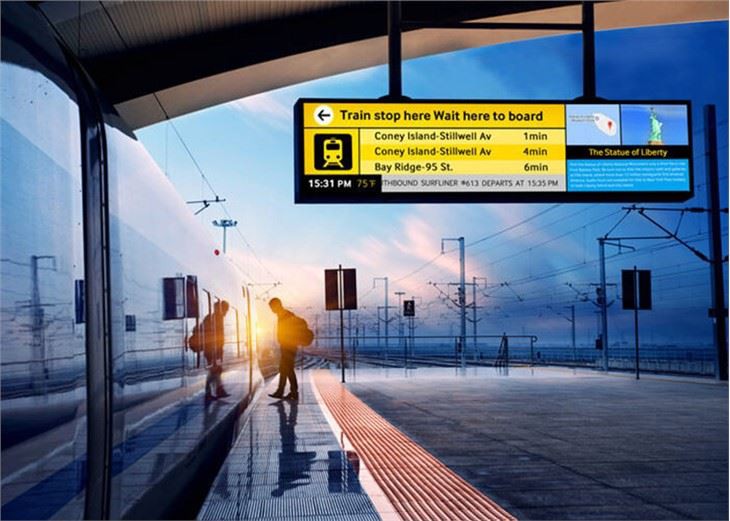
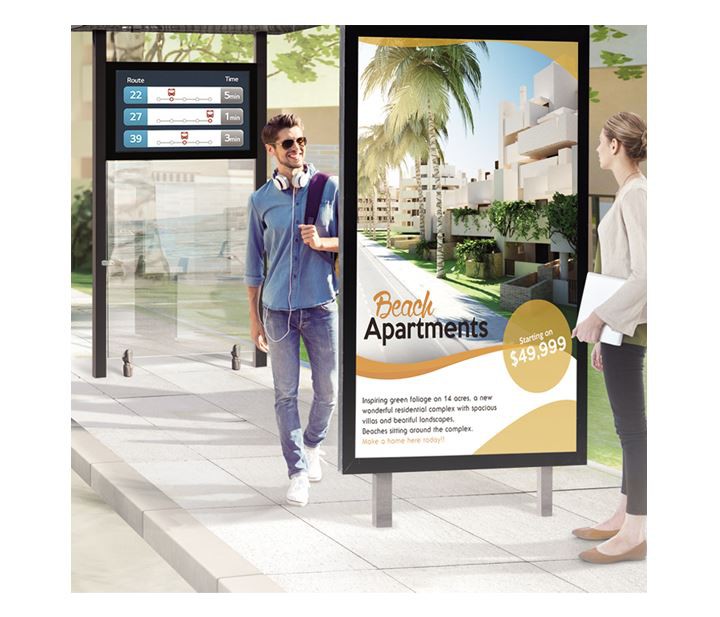
In commercial settings, companies like Samsung, LG, and Sharp have developed consumer-grade yet highly durable displays suitable for outdoor kiosks, vending machines, and public information terminals. These displays often feature automatic brightness adjustment (ABA) sensors that detect ambient light levels and dynamically optimize luminance, thereby extending lifespan and reducing energy costs. For instance, a study published in IEEE Transactions on Consumer Electronics (2023) found that ABA-enabled displays in urban transit systems reduced annual electricity consumption by up to 22% compared to fixed-brightness alternatives.
Moreover, emerging trends such as micro-LED and OLED technologies offer new pathways toward higher brightness and contrast ratios without sacrificing efficiency. While currently more expensive, micro-LED displays can reach over 10,000 cd/m² naturally due to their self-emissive nature, making them ideal candidates for next-generation sunlight-readable screens. However, current limitations in manufacturing scalability and lifetime stability mean that traditional LCDs remain the dominant choice for most applications.
From an end-user perspective, selecting the right high-brightness LCD involves balancing several factors: peak brightness, contrast ratio, viewing angle, power consumption, and cost-effectiveness. Engineers must also consider mechanical integration—whether the display will be mounted on a ruggedized enclosure or embedded in a compact device. The rise of modular display architectures, such as those offered by LEMO and Samtec, enables flexible customization, allowing OEMs to adapt existing designs quickly for new applications.
Finally, sustainability is becoming increasingly important. Eco-friendly materials, recyclable packaging, and reduced mercury content in LED backlights align with global environmental regulations such as RoHS and REACH. Leading manufacturers like AU Optronics and Innolux have committed to zero-waste production lines and carbon-neutral operations by 2030, setting benchmarks for the industry.
In conclusion, high-brightness sunlight-readable LCD displays represent the convergence of optical physics, thermal engineering, material science, and intelligent software control. Their evolution—from simple brightness boosts to full-system optimization—has transformed how humans interact with digital interfaces in the most demanding outdoor environments. Whether deployed in a naval command center or a solar-powered weather station, these displays continue to push the boundaries of what’s possible in visual clarity, durability, and efficiency.