RisingStar
- Home
- About Us
- Products
- News
- Video
- Contact
- Send Inquiry
Search
- Home
- About Us
- Products
- News
- Video
- Contact
- Send Inquiry
RisingStar
In today’s increasingly connected world, high-brightness sunlight-readable LCD screens have become essential for outdoor visibility in harsh lighting conditions—from military field operations to industrial control panels and public transportation displays. These screens are engineered not only for clarity under direct sunlight but also for durability, low power consumption, and compatibility with a wide range of display ratios, including the industry-standard 16:9 format.
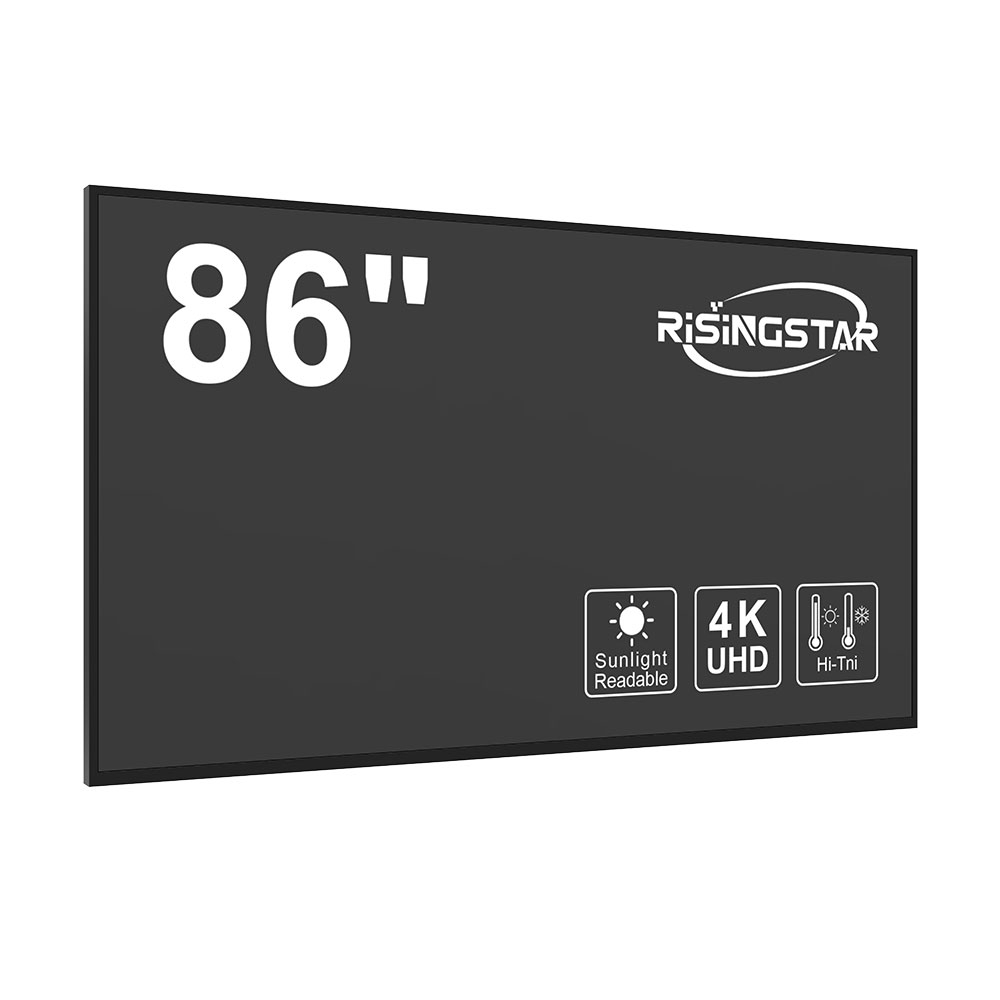
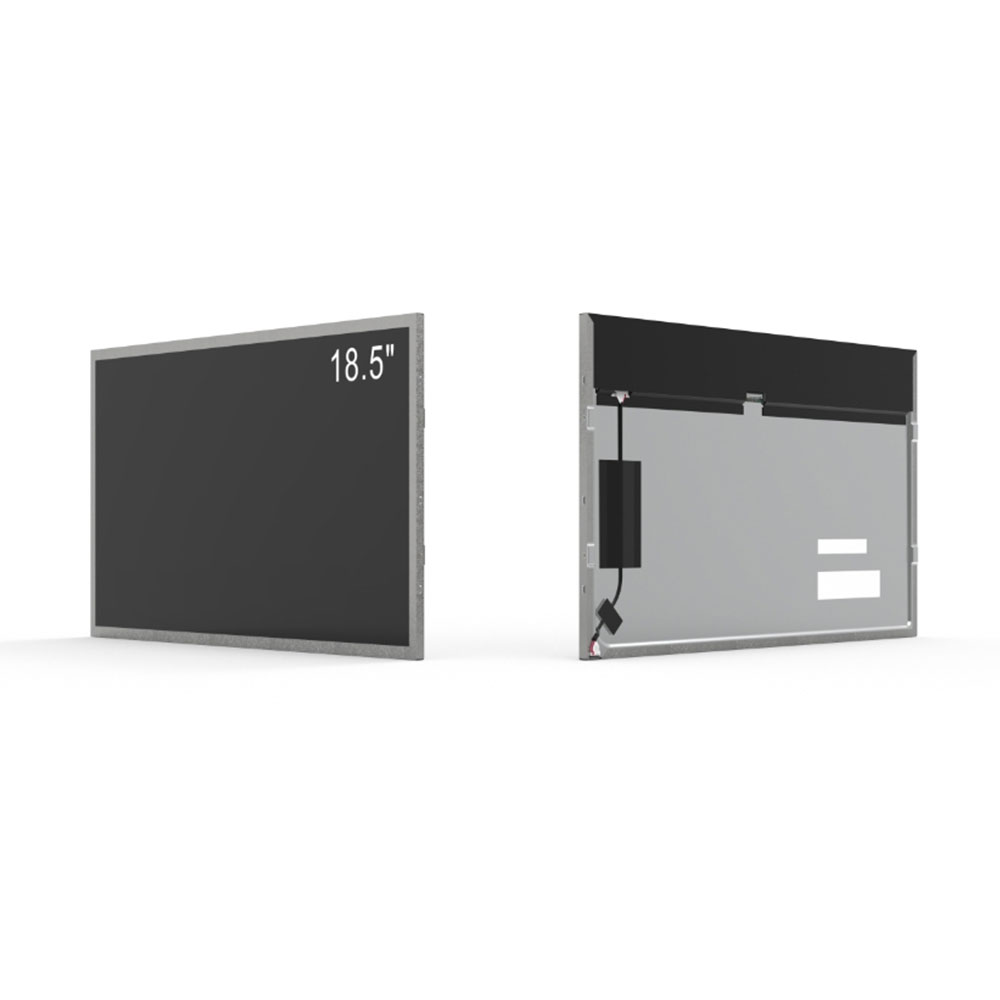
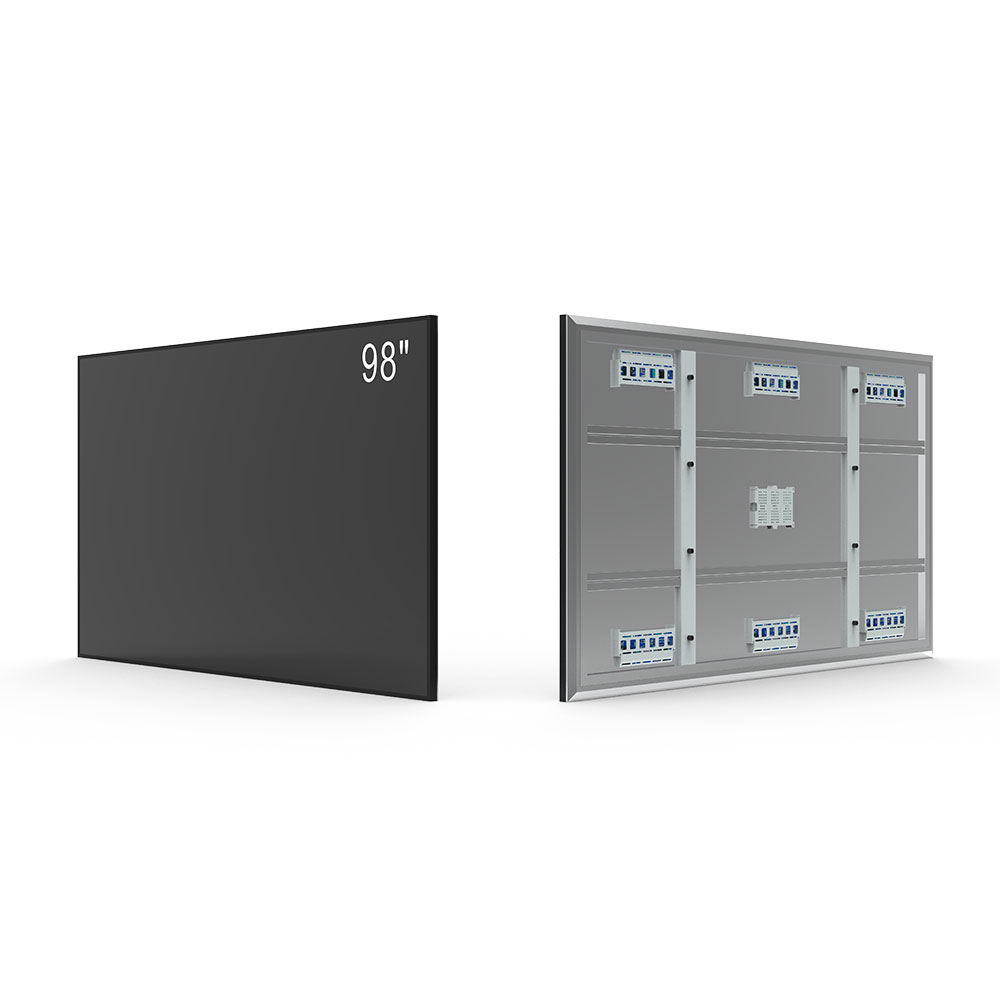
The most commonly used sizes for high-brightness sunlight-readable LCDs include 10.1", 13.3", 15.6", 18.5", 21.5", 23.8", 27", 32", 43", 46", 49", 55", 65", 75", 86", 98", and even 110" — each tailored for specific applications. For example, 10.1" and 13.3" displays are ideal for handheld ruggedized devices used by field technicians, while 55" to 110" units dominate digital signage, command centers, and vehicle dashboards where visibility from distance is critical.
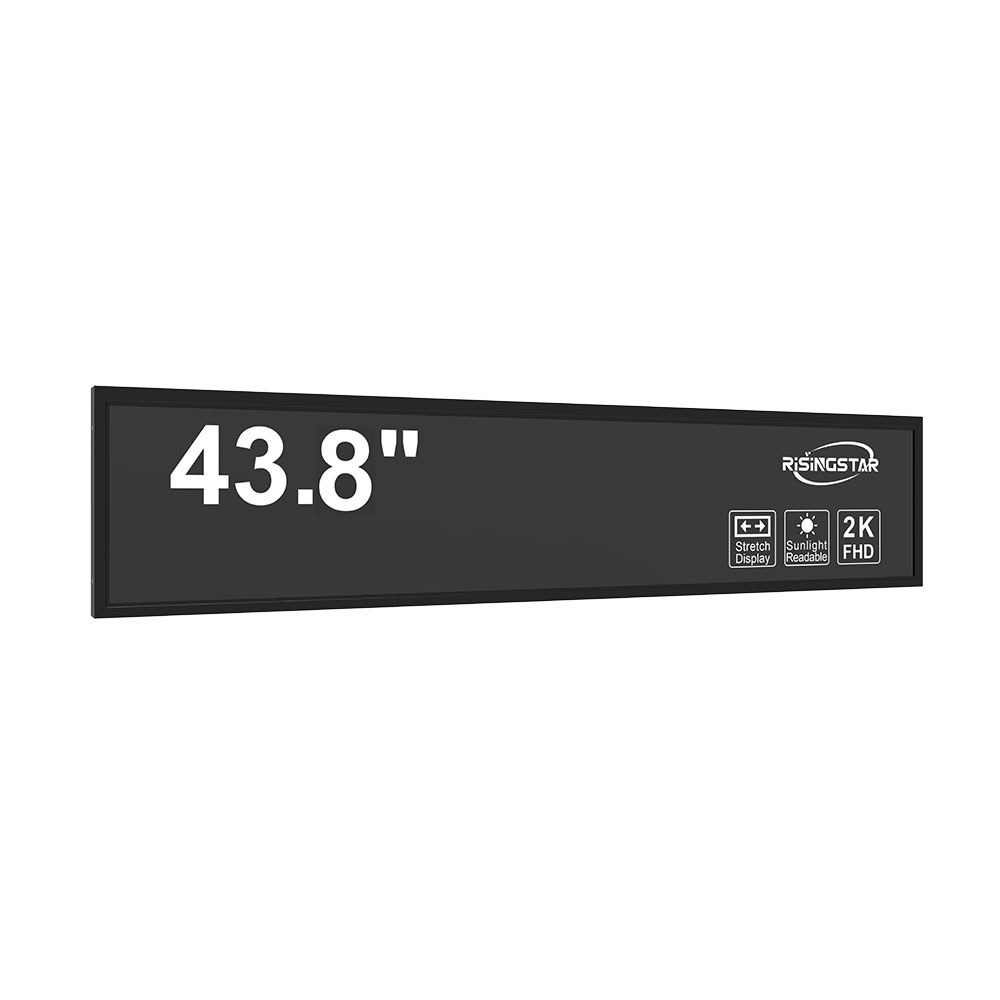
What makes these displays "sunlight-readable" is their ability to achieve brightness levels of at least 3,000 nits (some models exceed 5,000 nits), far beyond standard indoor LCDs that typically max out around 500–700 nits. This is achieved through advanced technologies such as:
- High-efficiency LED backlighting (often RGB or white LEDs with optimized optics)
- Anti-glare and anti-reflection coatings on the glass surface
- Polarized film structures that reduce ambient light interference
- Dynamic contrast enhancement algorithms (e.g., adaptive gamma correction)
According to IEEE and Display Week research, the demand for high-brightness LCDs has surged in sectors like defense, healthcare, logistics, and smart city infrastructure. A 2023 case study by LG Display demonstrated that a 43" sunlight-readable screen installed on an airport baggage handling system improved operational efficiency by 22% due to reduced misreading errors in bright daylight environments.
Moreover, compliance with MIL-STD-810G and IP65/IP67 ratings ensures resilience against shock, vibration, dust, and moisture—making them suitable for marine, automotive, and extreme weather applications. The 16:9 aspect ratio remains dominant because it aligns with HD, Full HD, and UHD video content standards, ensuring seamless integration into modern media systems without black bars or image distortion.
Manufacturers such as Innolux, BOE, AU Optronics, and Sharp now offer full-color, touch-enabled variants across all listed sizes, enabling intuitive user interaction even in gloves or wet conditions. These innovations are supported by real-world testing protocols defined in ISO 12363 and EN 55024, which ensure electromagnetic compatibility and visual performance consistency under variable environmental conditions.
For engineers and procurement managers evaluating options, selecting the right size and brightness level requires understanding the application context: whether it's a mobile unit needing portability (10.1"–15.6") or a fixed installation requiring long-range readability (43"+). The future of sunlight-readable LCDs lies in OLED-on-LCD hybrid solutions, AI-based brightness optimization, and ultra-low-power designs targeting IoT and edge computing use cases.