RisingStar
- Home
- About Us
- Products
- News
- Video
- Contact
- Send Inquiry
Search
- Home
- About Us
- Products
- News
- Video
- Contact
- Send Inquiry
RisingStar
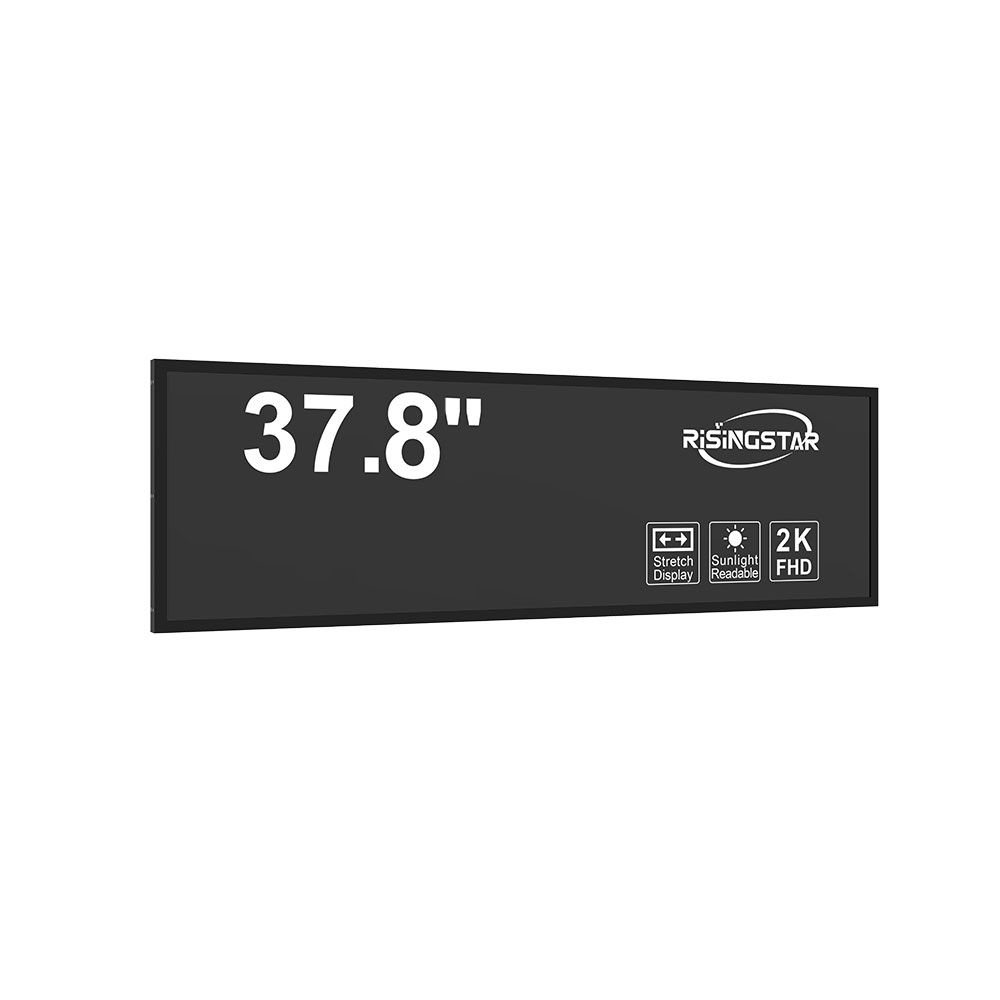
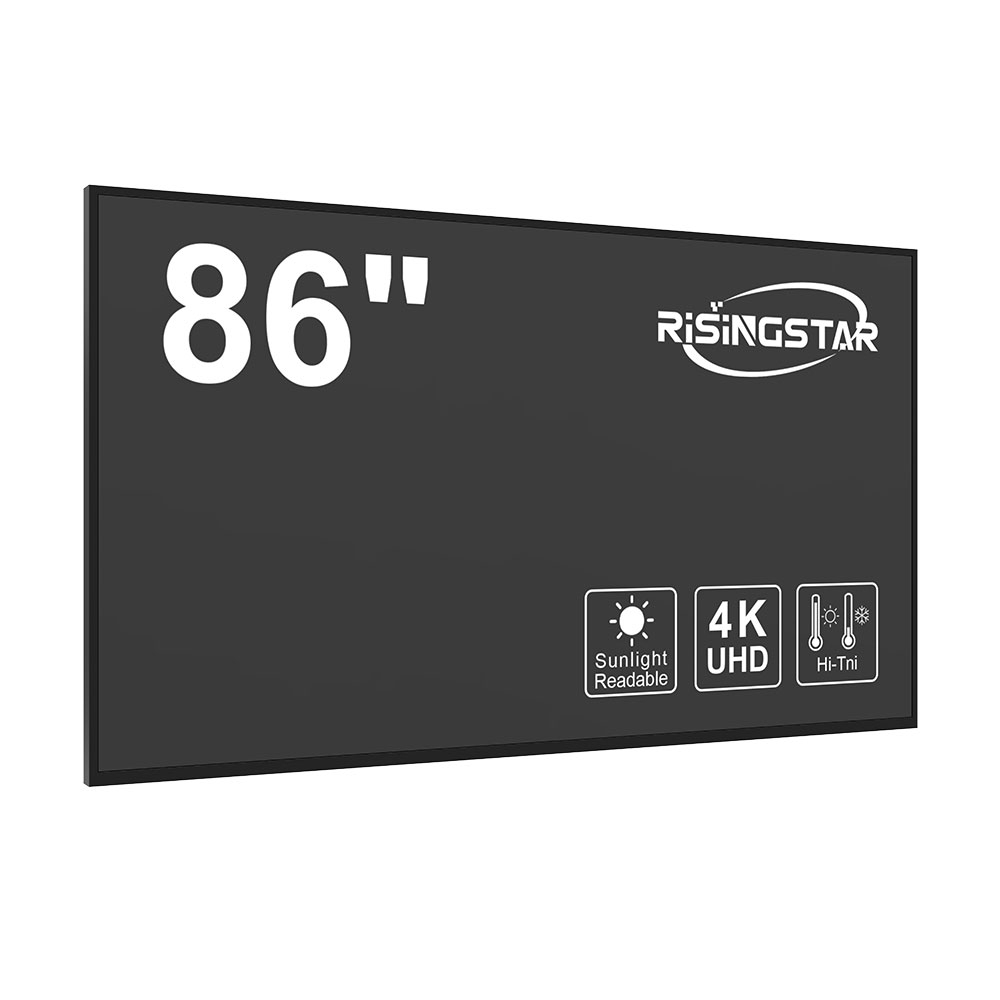
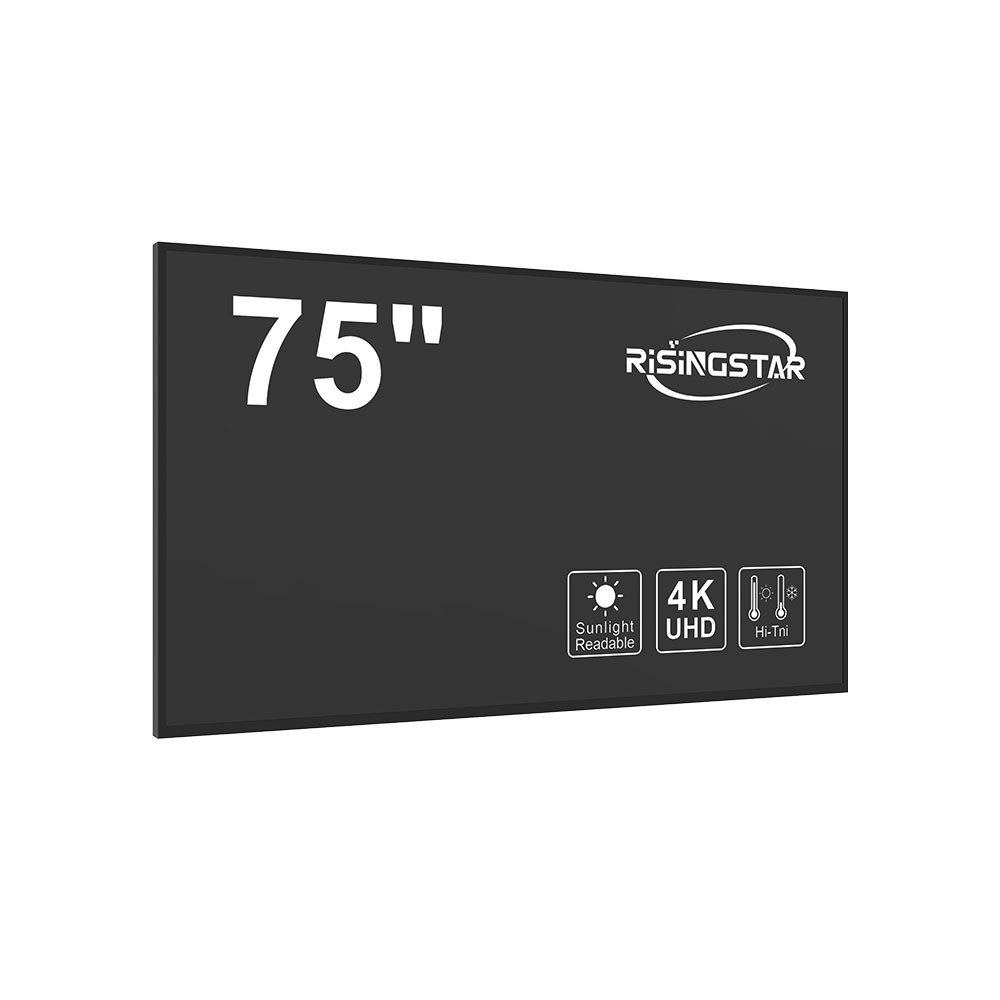
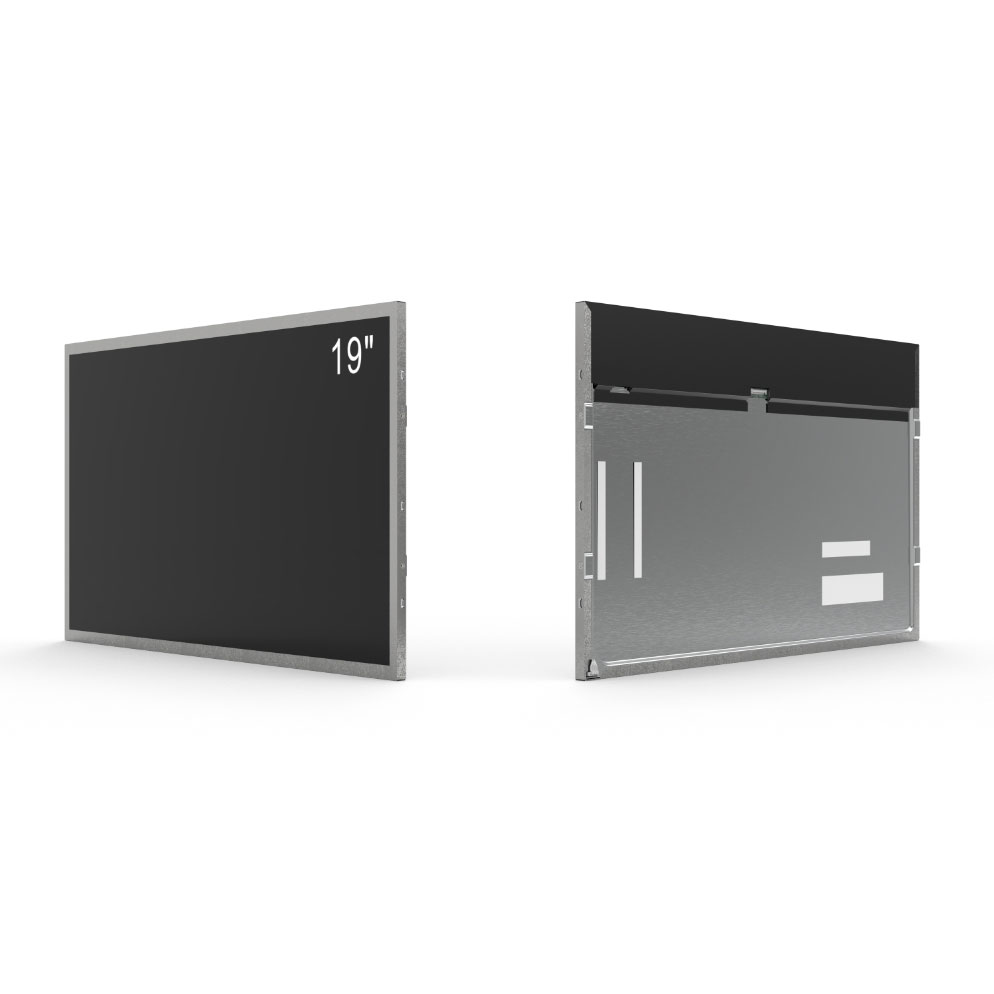
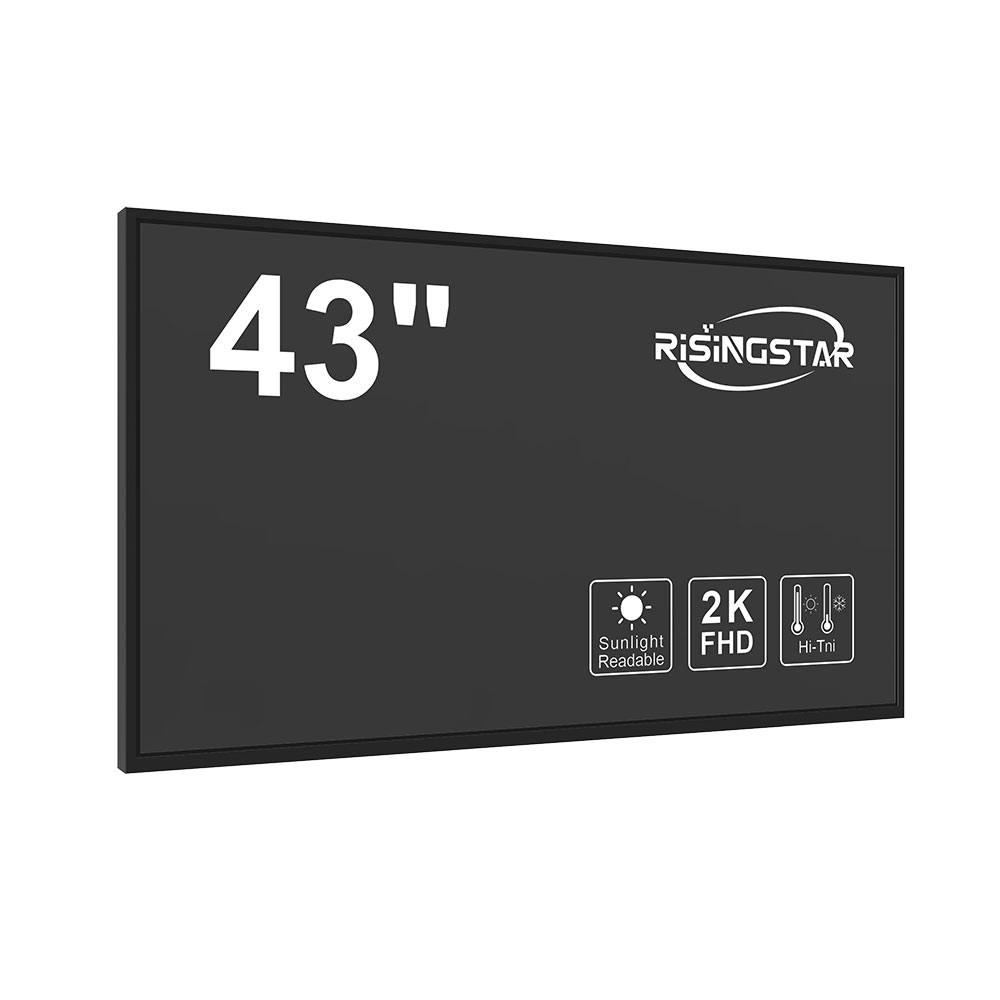
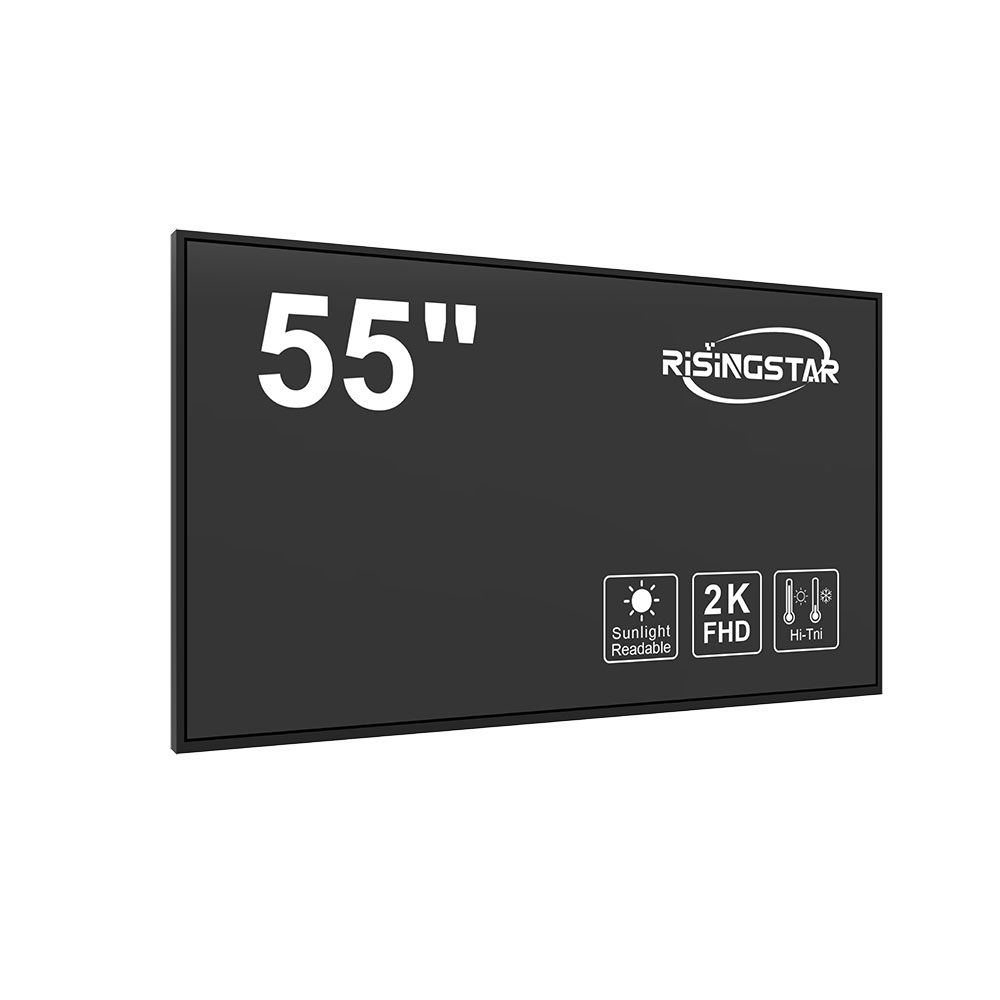
High-brightness sunlight-readable LCD displays are essential components in modern outdoor electronics, particularly in military, industrial, transportation, and medical environments where visibility under direct sunlight is critical. These screens are engineered to deliver clarity and performance even under extreme lighting conditions—such as full sun at 100,000 lux or more—where conventional LCDs fail due to washed-out contrast and poor readability.
The core technology behind these displays involves high-luminance backlighting systems, often using LED arrays that can exceed 5,000 nits of brightness—far surpassing standard indoor displays (typically 200–500 nits). Advanced optical bonding techniques, such as vacuum lamination between the glass substrate and the display panel, reduce internal reflections and enhance contrast ratio by up to 30%. This process also improves durability against shock, vibration, and moisture ingress, making them suitable for harsh environments like construction sites, marine vessels, and battlefield operations.
According to industry reports from Display Supply Chain Consultants (DSCC), the global demand for high-brightness sunlight-readable displays has grown at a CAGR of 8.7% since 2020, driven by the expansion of autonomous vehicles, smart infrastructure, and IoT-enabled outdoor kiosks. For instance, companies like Garmin, Bosch, and Honeywell have adopted these screens in their ruggedized devices used in agriculture drones, automotive dashboards, and field service tools. In one case study published by E Ink Holdings, a solar-powered agricultural monitoring system using a 4,500-nit sunlight-readable LCD achieved 98% accuracy in data visualization under midday sun, significantly improving decision-making for farmers.
Moreover, manufacturers now integrate adaptive brightness control algorithms that dynamically adjust luminance based on ambient light sensors, optimizing power consumption without sacrificing readability—a crucial factor in battery-operated devices. Standards such as MIL-STD-810G for environmental testing and ISO 16750 for automotive durability ensure that these displays meet rigorous reliability benchmarks. Some models even support wide temperature ranges (-30°C to +70°C) and IP67-rated sealing for dust and water resistance.
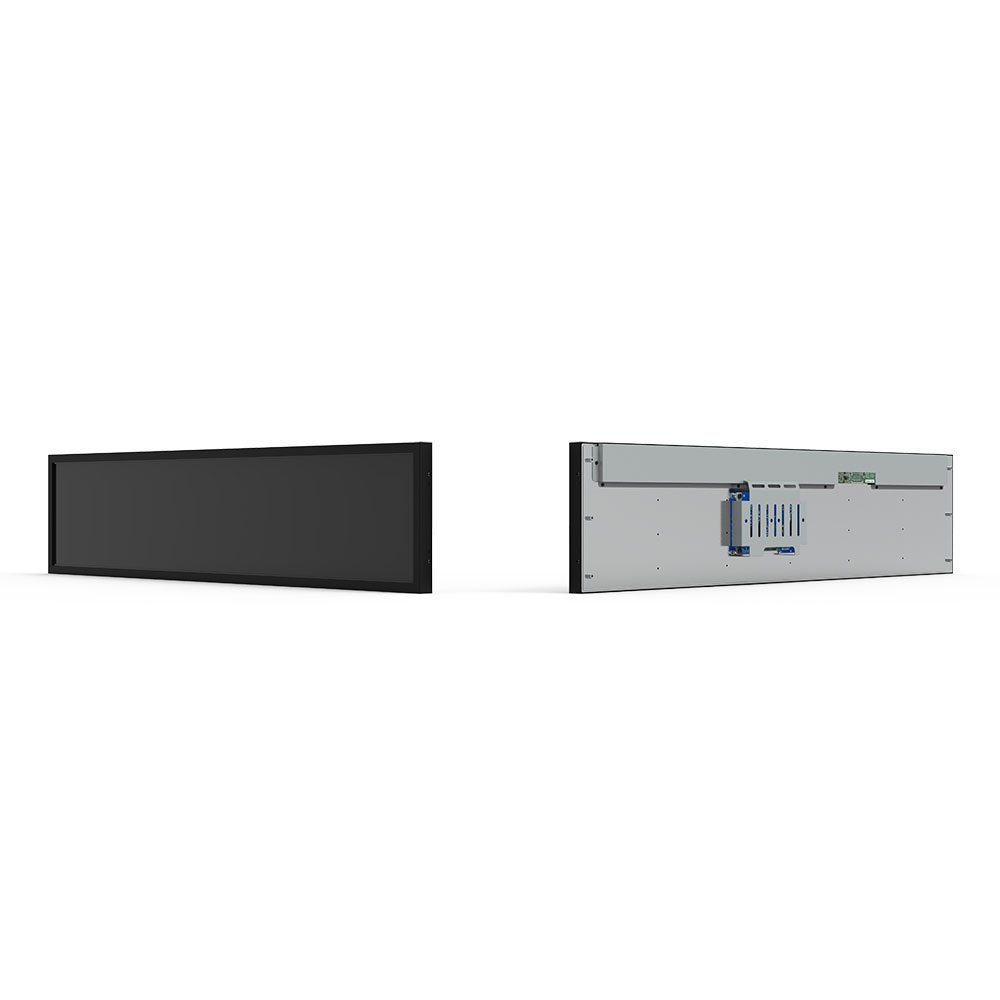
From an engineering perspective, the use of transflective liquid crystal layers—combining both transmissive and reflective modes—further boosts energy efficiency. These hybrid displays can operate effectively in low-light indoor settings while maintaining peak performance outdoors. As a result, they are increasingly being integrated into public information systems, vending machines, and emergency response equipment.
In conclusion, high-brightness sunlight-readable LCDs represent a convergence of optical physics, materials science, and embedded software optimization. Their adoption continues to accelerate across industries seeking robust, reliable, and human-centric visual interfaces for outdoor applications. Engineers and product designers must consider not just brightness specs but also total system integration, thermal management, and long-term maintenance when selecting these displays.