RisingStar
- Home
- About Us
- Products
- News
- Video
- Contact
- Send Inquiry
Search
- Home
- About Us
- Products
- News
- Video
- Contact
- Send Inquiry
RisingStar
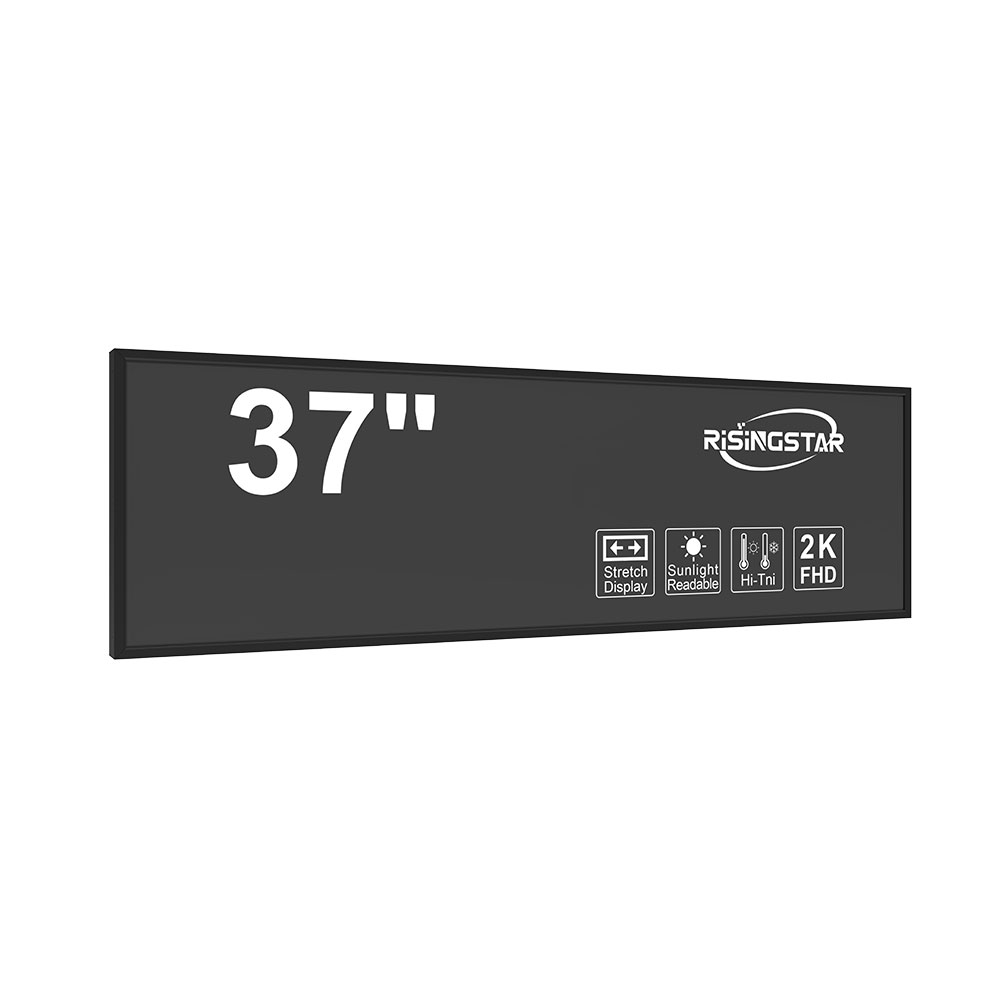
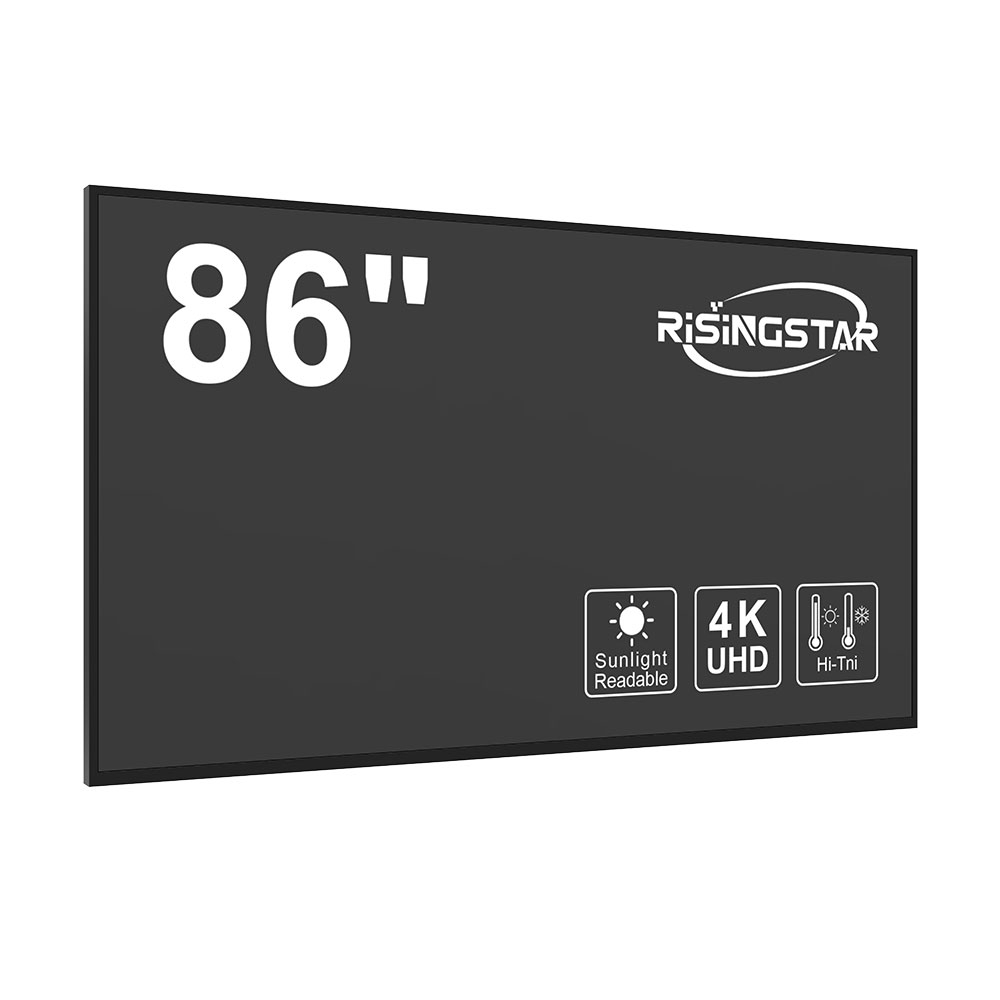
High-brightness sunlight-readable LCD screens have become a critical enabler of modern outdoor display systems across industries such as transportation, military, industrial automation, and retail. Unlike standard LCDs that suffer from poor visibility under direct sunlight or in high ambient light conditions, these specialized displays use advanced optical engineering, enhanced backlighting, and anti-glare coatings to ensure legible content even in full daylight. According to a 2023 report by MarketsandMarkets, the global market for high-brightness displays is projected to exceed $12 billion by 2028, driven by demand in automotive dashboards, kiosks, and public information systems.
The core innovation behind sunlight-readable LCDs lies in achieving brightness levels of at least 5,000 nits—far above the typical 300–500 nits of consumer-grade LCDs. This is achieved through multiple design strategies. First, LED-based backlights with optimized diffuser layers distribute light uniformly across the screen while minimizing hotspots. Second, polarized filters and micro-lens arrays reduce ambient light reflection—a key cause of “mirror effect” in conventional displays. Third, manufacturers integrate adaptive brightness sensors that automatically adjust luminance based on environmental lighting, optimizing power efficiency without compromising readability.
Case studies illustrate real-world effectiveness. For example, in a 2022 deployment by Siemens for railway control systems in Dubai, high-brightness LCDs enabled operators to read critical data during peak sun hours without squinting or adjusting glare filters. Similarly, in defense applications, U.S. Department of Defense (DoD) contracts awarded to companies like Rockwell Collins and L3Harris have specified 7,000-nit displays for field-deployable command units, ensuring operational clarity in harsh environments.
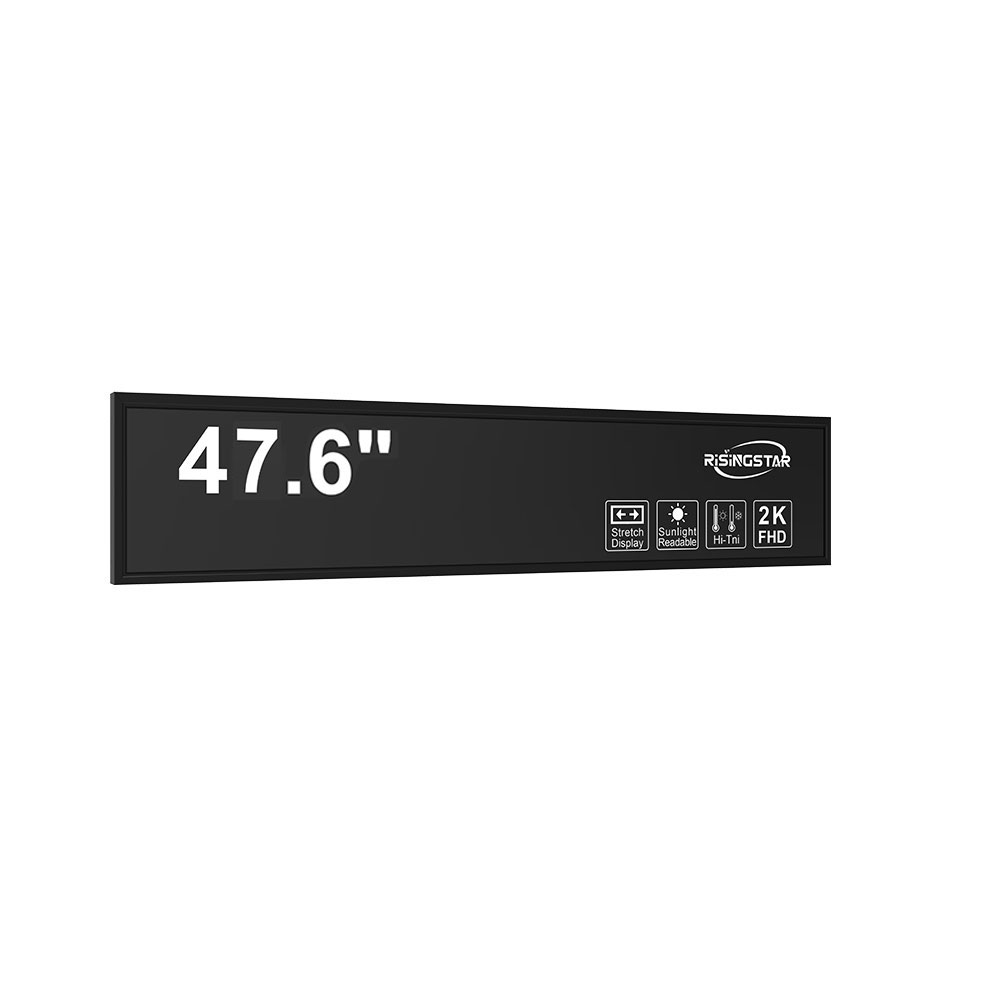
These displays also comply with international standards such as MIL-STD-810G for ruggedness and ISO 9241-307 for human factors in outdoor usability. Manufacturers must now integrate not only brightness but also wide viewing angles (>160°), fast response times (<20ms), and long-term reliability under temperature extremes (-20°C to +70°C). With advancements in OLED-on-LCD hybrid technologies and quantum dot enhancements, future iterations promise even better contrast ratios and color accuracy under direct sunlight.
In summary, high-brightness sunlight-readable LCD screens are no longer niche products—they are essential components of any system operating outdoors. As global urbanization accelerates and digital signage becomes more prevalent, the demand for robust, readable, and energy-efficient outdoor displays will continue to rise, making this technology a cornerstone of smart infrastructure and connected ecosystems worldwide.