RisingStar
- Home
- About Us
- Products
- News
- Video
- Contact
- Send Inquiry
Search
- Home
- About Us
- Products
- News
- Video
- Contact
- Send Inquiry
RisingStar
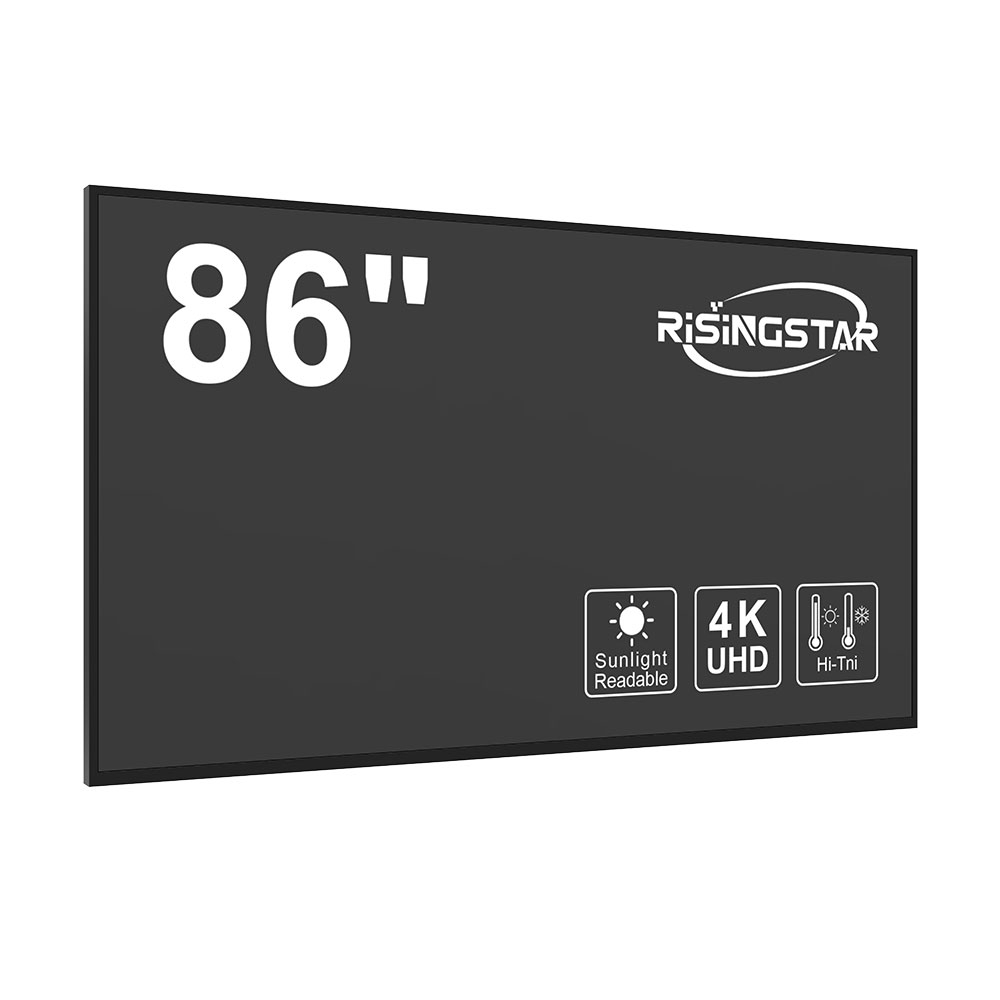
High-brightness sunlight-readable LCD displays are a critical component in modern outdoor electronics, especially in environments where visibility under direct sunlight is essential. These displays are engineered to maintain clarity and readability even under intense solar radiation—typically ranging from 5,000 to 10,000 lux or more—where standard LCDs fail due to glare and reduced contrast. They are widely used in military, transportation, industrial automation, and medical devices operating in uncontrolled lighting conditions.
One of the most prominent practical applications lies in military field equipment such as handheld radios, GPS units, and command-and-control consoles. For example, the U.S. Department of Defense has adopted MIL-STD-810 compliance for all outdoor display systems, which mandates that devices operate reliably in extreme temperatures, humidity, and sunlight exposure. Similarly, in the transportation sector, high-brightness LCDs power vehicle dashboards, train control panels, and airport ground support equipment—where misreading a critical parameter could lead to safety risks.
Advantages of these displays include enhanced contrast ratios (often above 1000:1), anti-glare coatings, and advanced backlighting technologies like LED arrays with distributed light guides. Some models incorporate automatic brightness adjustment based on ambient light sensors—a feature now standard in many ruggedized tablets and outdoor kiosks. This not only improves readability but also reduces power consumption by up to 30%, extending battery life in mobile systems.
However, common problems persist. Thermal management remains a challenge; excessive heat can degrade liquid crystal performance and reduce lifespan. In hot climates, some manufacturers integrate passive cooling structures such as aluminum heatsinks or thermal vias. Another frequent issue is touch responsiveness under gloves or wet conditions—addressed in recent models using capacitive+resistive hybrid touch layers, as seen in devices like the Panasonic Toughpad series.
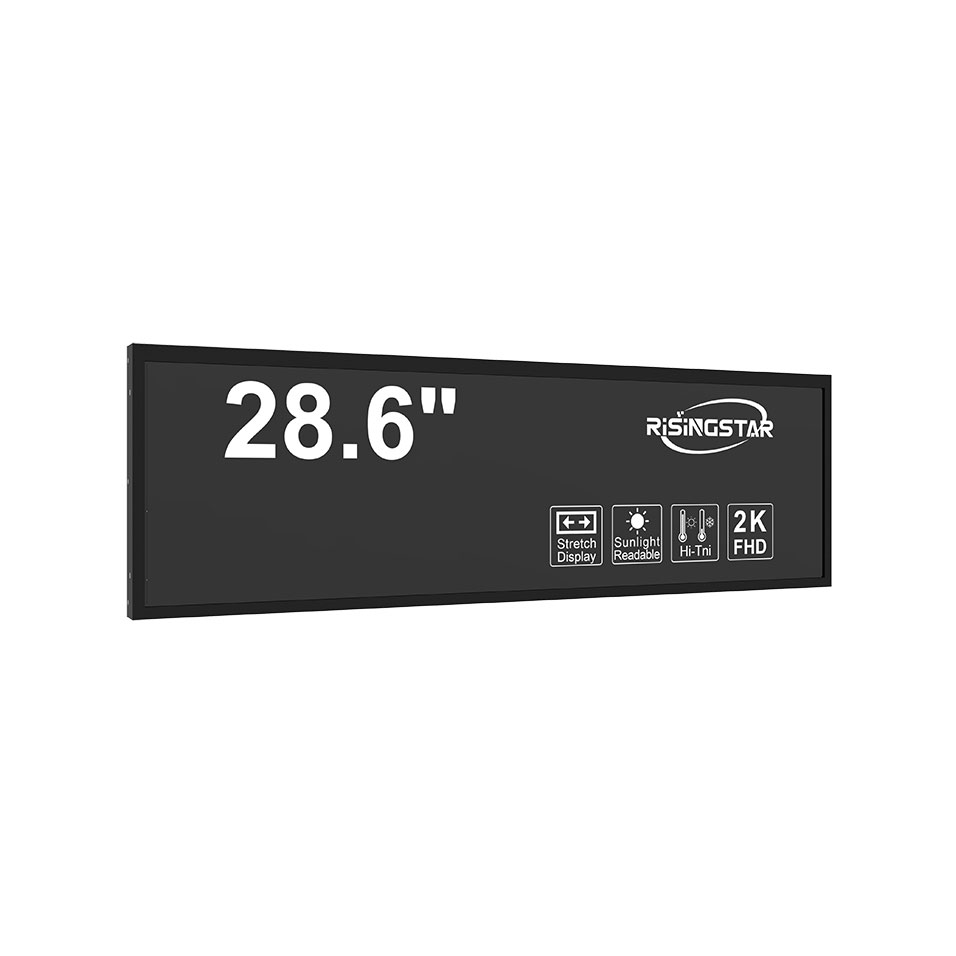
The latest trends point toward miniaturization, energy efficiency, and integration with smart features. OLED-based sunlight-readable displays are emerging as a promising alternative, offering higher contrast and faster response times than traditional LCDs. Moreover, AI-driven adaptive brightness algorithms are now being embedded directly into display controllers, enabling real-time optimization based on environmental data. According to a 2023 report by MarketsandMarkets, the global market for high-brightness outdoor displays is projected to grow at a CAGR of 7.4% through 2028, driven by increased demand in IoT-enabled infrastructure, autonomous vehicles, and smart city initiatives.
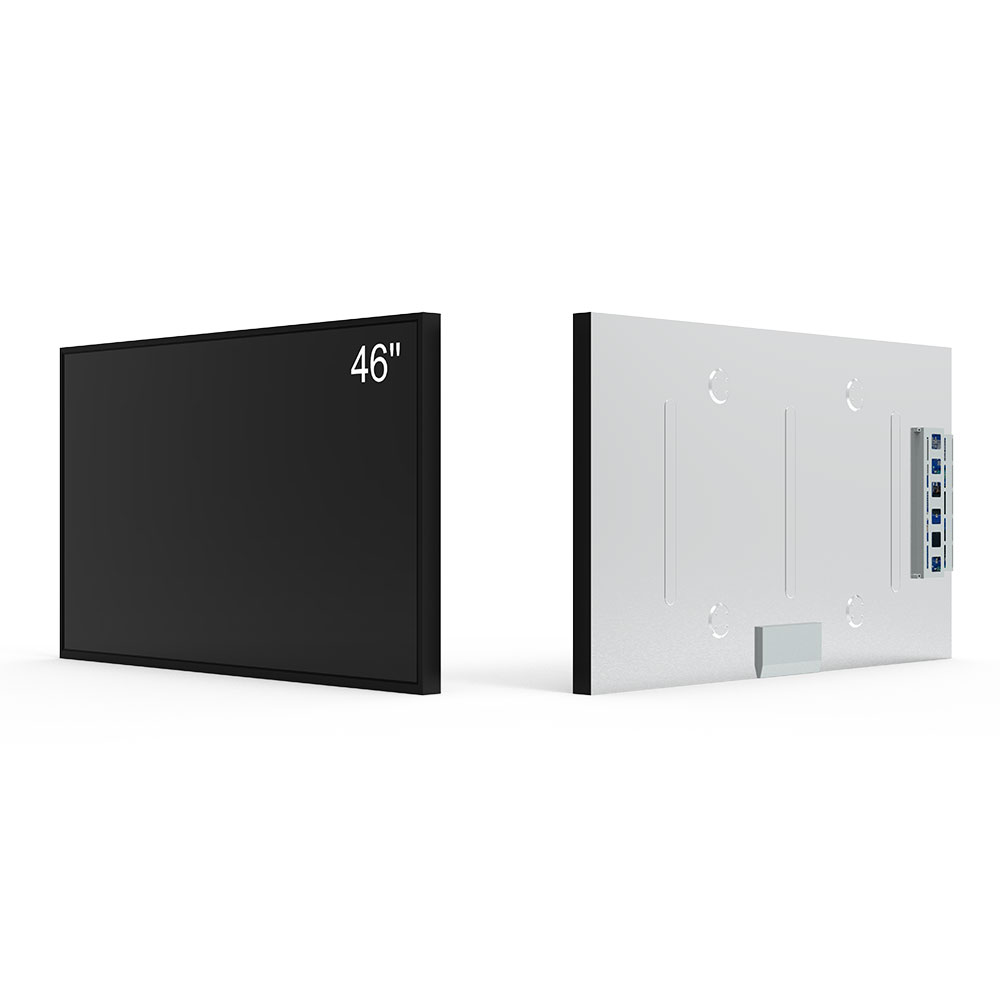
For engineers and system designers, selecting the right display involves evaluating luminance levels (measured in cd/m²), viewing angles, IP ratings for dust/water resistance, and compatibility with ruggedized enclosures. Industry standards such as ISO 16750 (for automotive) and IEC 60068 (for environmental testing) provide benchmarks for performance validation. Ultimately, the success of any sunlight-readable LCD solution hinges on balancing performance, durability, and cost-effectiveness—an area where innovation continues to accelerate rapidly.