RisingStar
- Home
- About Us
- Products
- News
- Video
- Contact
- Send Inquiry
Search
- Home
- About Us
- Products
- News
- Video
- Contact
- Send Inquiry
RisingStar
High-brightness sunlight-readable LCD displays have become indispensable in modern outdoor environments where visibility under direct sunlight is critical. These specialized screens are engineered to deliver exceptional clarity and contrast even under extreme lighting conditions, such as those found in military operations, transportation systems, industrial control panels, and public information kiosks. According to a 2023 report by MarketsandMarkets, the global market for high-brightness LCDs is projected to grow at a CAGR of 6.7% from 2023 to 2028, driven largely by increased demand in automotive dashboards, construction equipment, and smart city infrastructure.
One of the most significant advantages of these displays is their ability to maintain readability in full daylight without relying on ambient lighting adjustments or user intervention. Traditional LCDs often fail in bright sunlight due to low peak brightness levels (typically 250–350 nits), while sunlight-readable models typically exceed 5,000 nits—some even reaching 10,000 nits or more. This is achieved through advanced backlighting technologies such as LED arrays with optimized diffusers, reflective polarizers, and high-efficiency light guides. For example, companies like Sharp, LG Display, and AU Optronics have developed proprietary film-based brightness enhancement solutions that reduce power consumption while maximizing luminance.
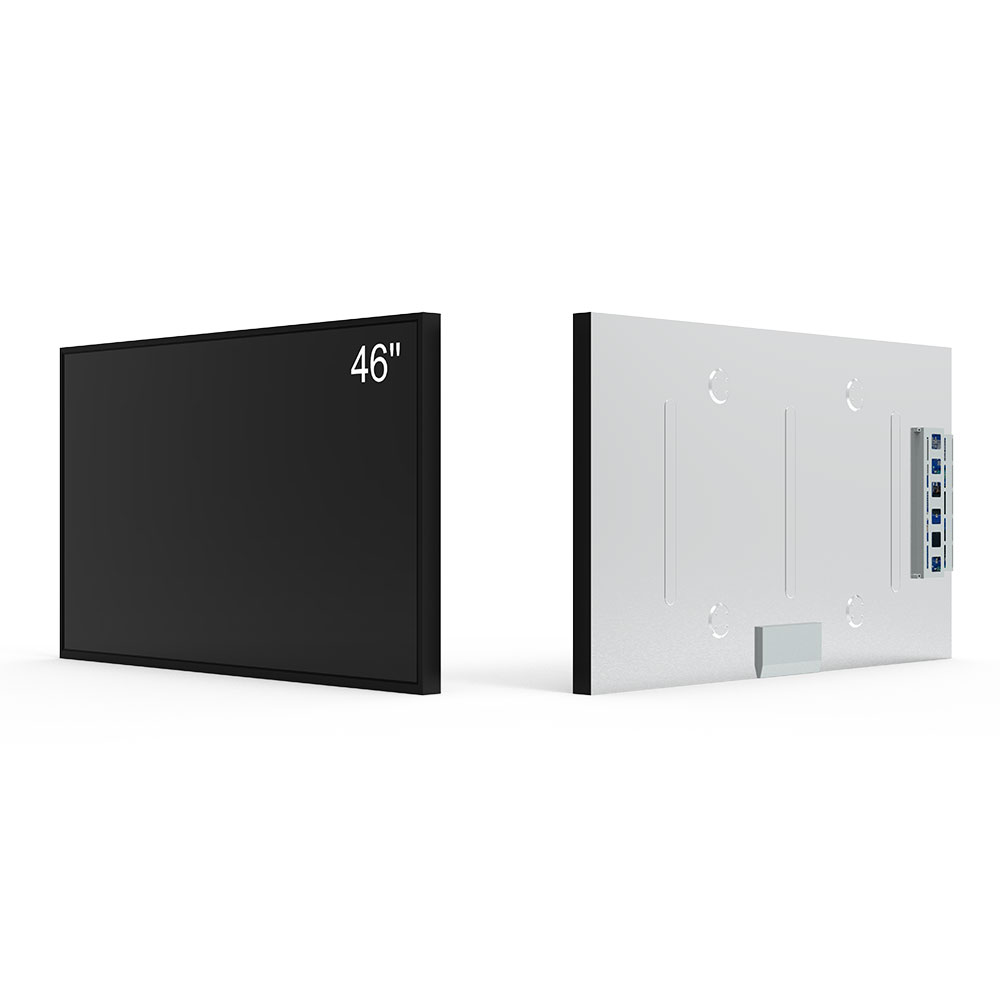
Practical applications span across sectors. In aviation, sunlight-readable displays are essential for cockpit instruments and ground crew communication systems. In defense, ruggedized displays used in armored vehicles must withstand vibration, temperature extremes, and exposure to dust—all while remaining readable in broad daylight. In commercial settings, digital signage in shopping malls, transit stations, and outdoor advertising boards rely on these displays to attract attention and convey real-time data effectively.
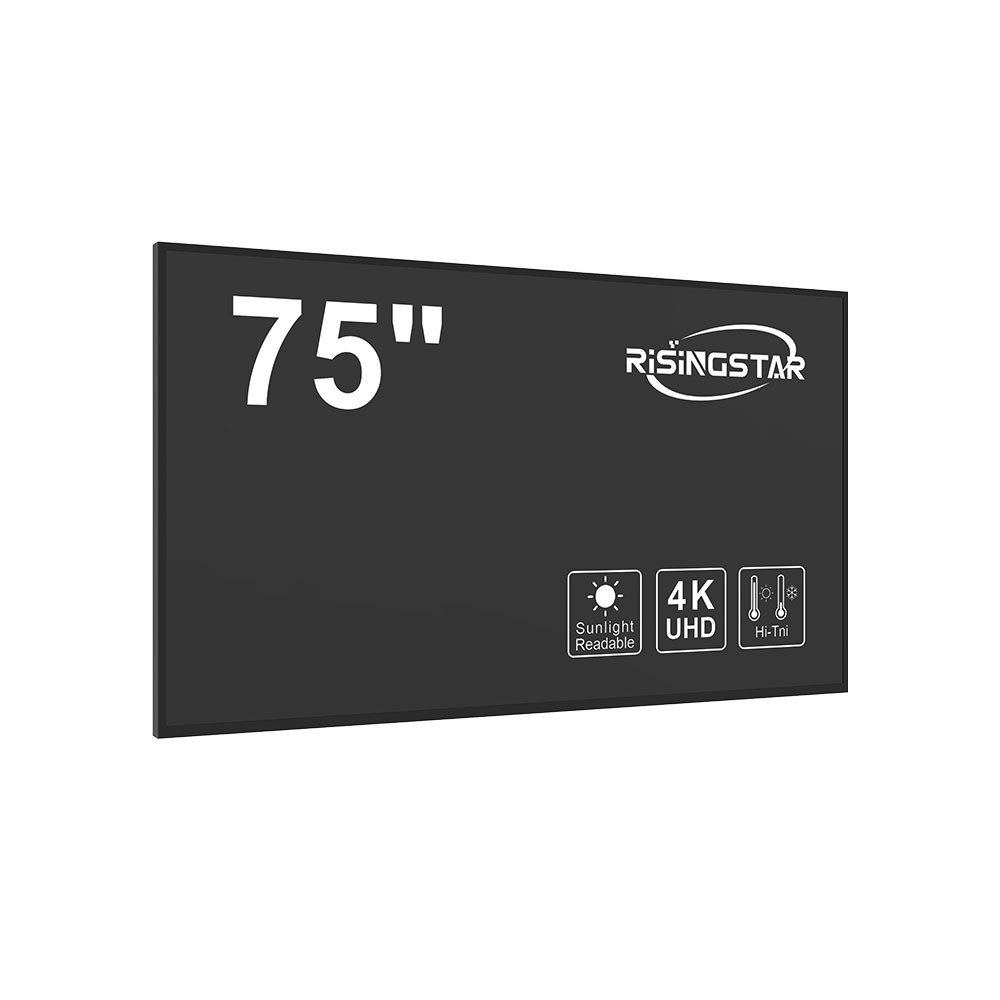
Despite their benefits, common problems persist. One frequent issue is thermal management—high brightness increases heat output, which can degrade display performance over time if not properly addressed. Poor thermal design may cause premature aging of LEDs or color shift. Another challenge is cost: high-brightness modules are significantly more expensive than standard LCDs, limiting adoption in budget-sensitive industries. Additionally, some users report reduced contrast ratios when ambient light is very low, which affects usability during nighttime operation unless adaptive brightness control is implemented.
Recent trends show a move toward integrating AI-driven automatic brightness adjustment and touch-enabled interfaces that work reliably with gloves or styluses—a necessity in industrial and field environments. Furthermore, manufacturers are exploring micro-LED and quantum dot technologies to push brightness limits further while improving energy efficiency and color accuracy. A notable case study from the U.S. Department of Defense’s Advanced Research Projects Agency (DARPA) highlights how sunlight-readable displays enabled mission-critical decision-making in open-field operations in Afghanistan, where traditional displays were rendered useless by solar glare.
As environmental sustainability becomes a priority, there is growing interest in eco-friendly materials and lower-power designs. Industry standards such as ISO 9241-3 and MIL-STD-810G ensure durability and human factors compliance, reinforcing trust among government and enterprise buyers. With continued innovation in optics, materials science, and embedded intelligence, high-brightness sunlight-readable LCDs are set to remain a cornerstone of robust outdoor human-machine interfaces.