RisingStar
- Home
- About Us
- Products
- News
- Video
- Contact
- Send Inquiry
Search
- Home
- About Us
- Products
- News
- Video
- Contact
- Send Inquiry
RisingStar
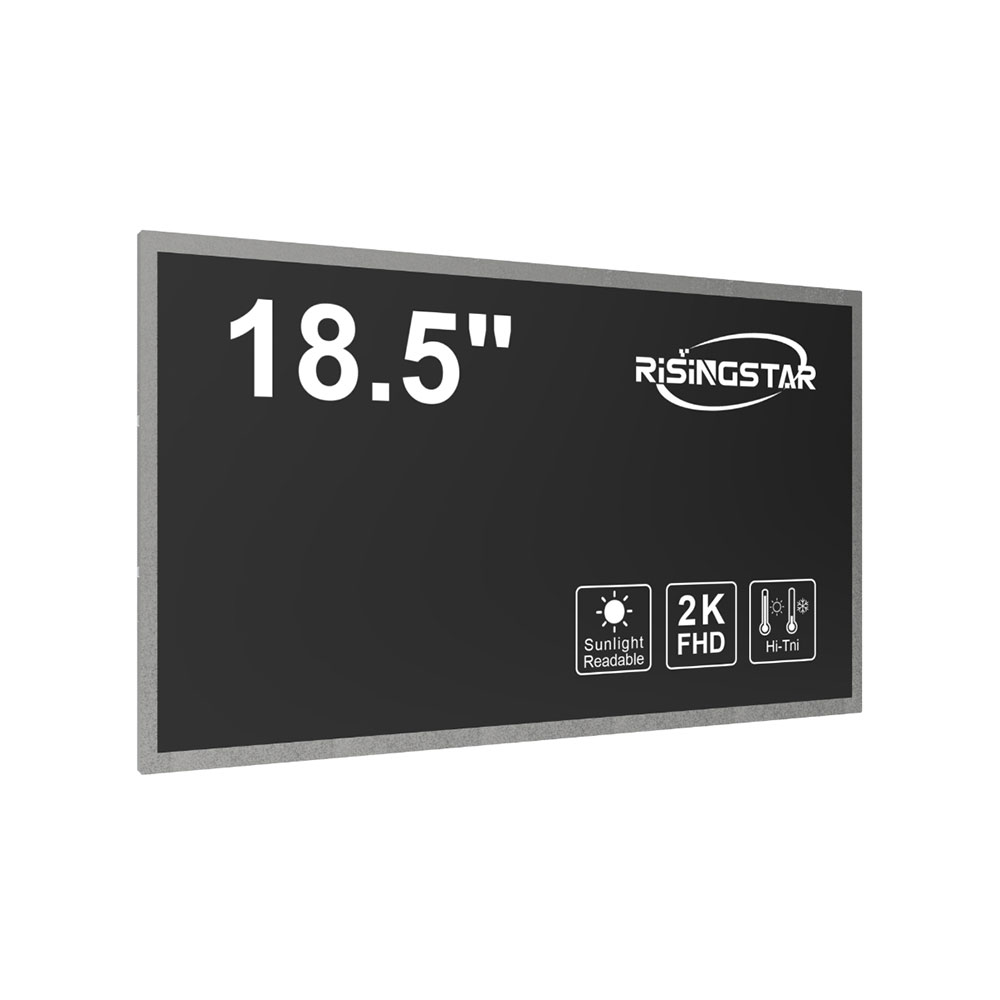
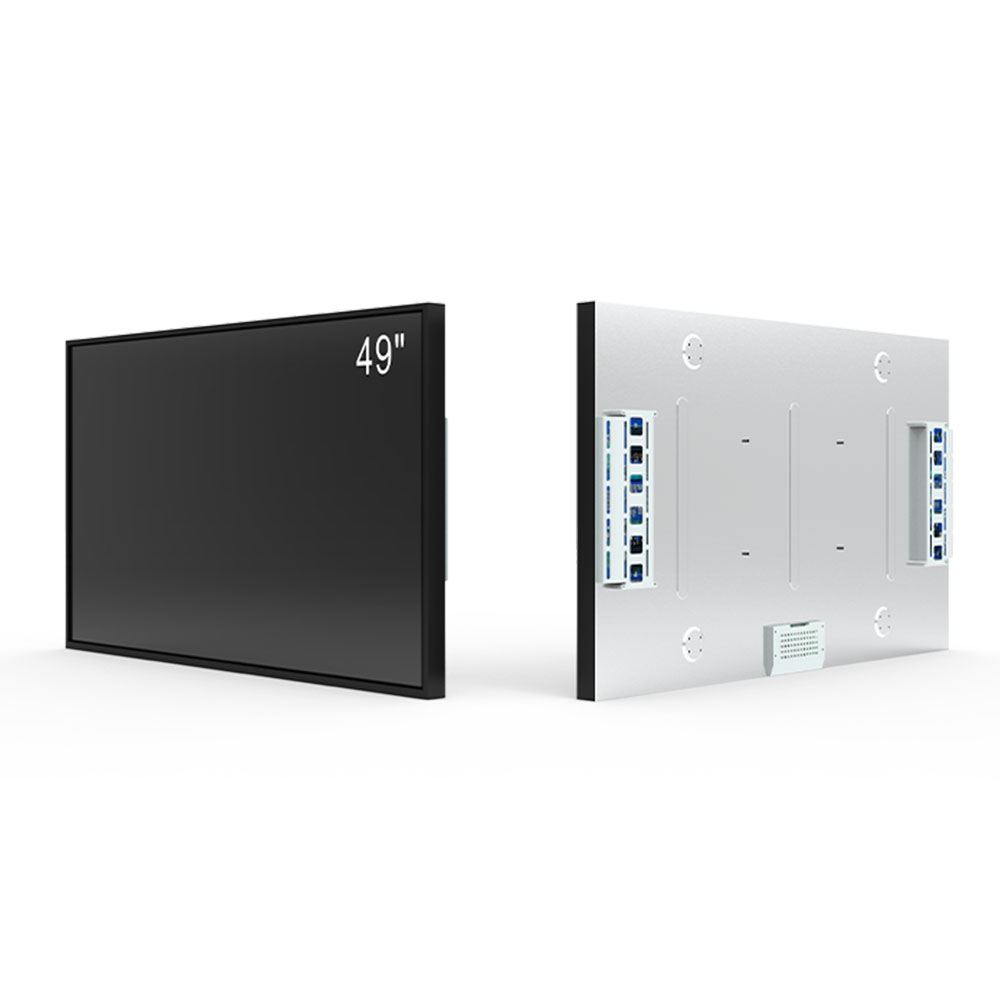
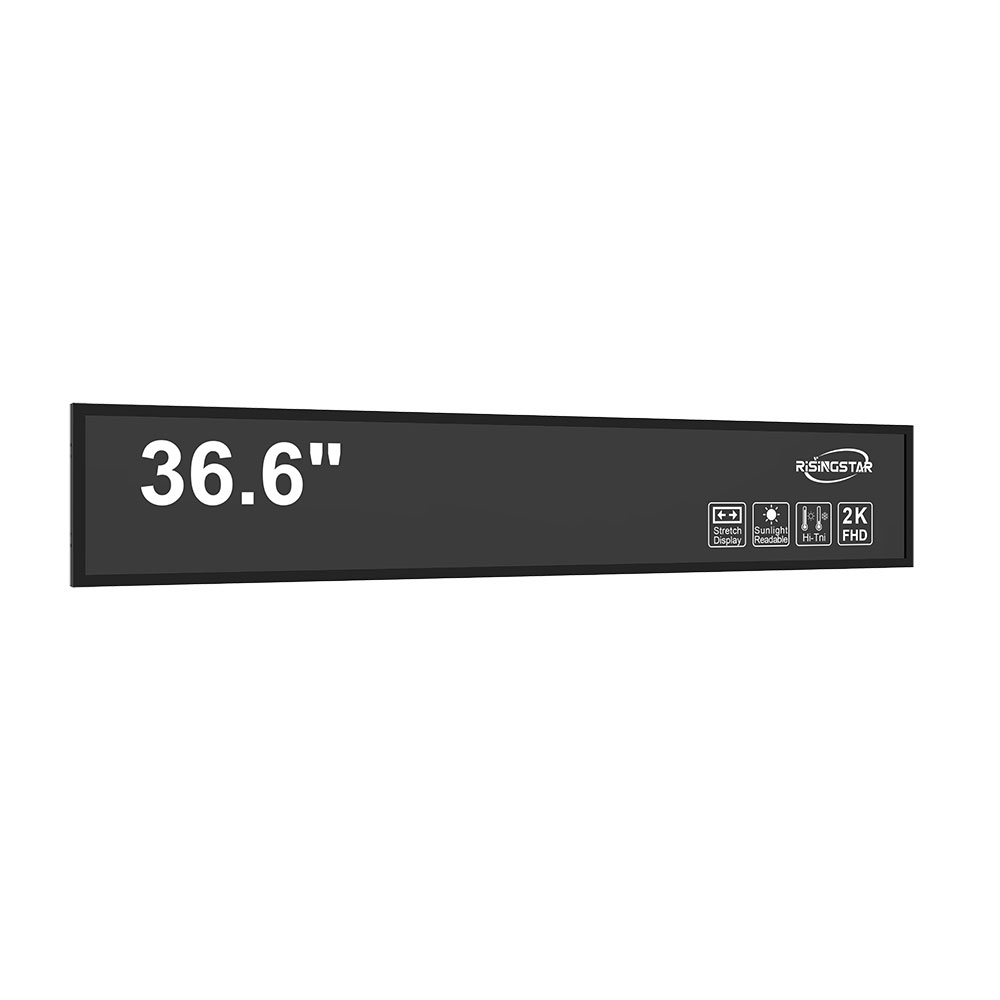
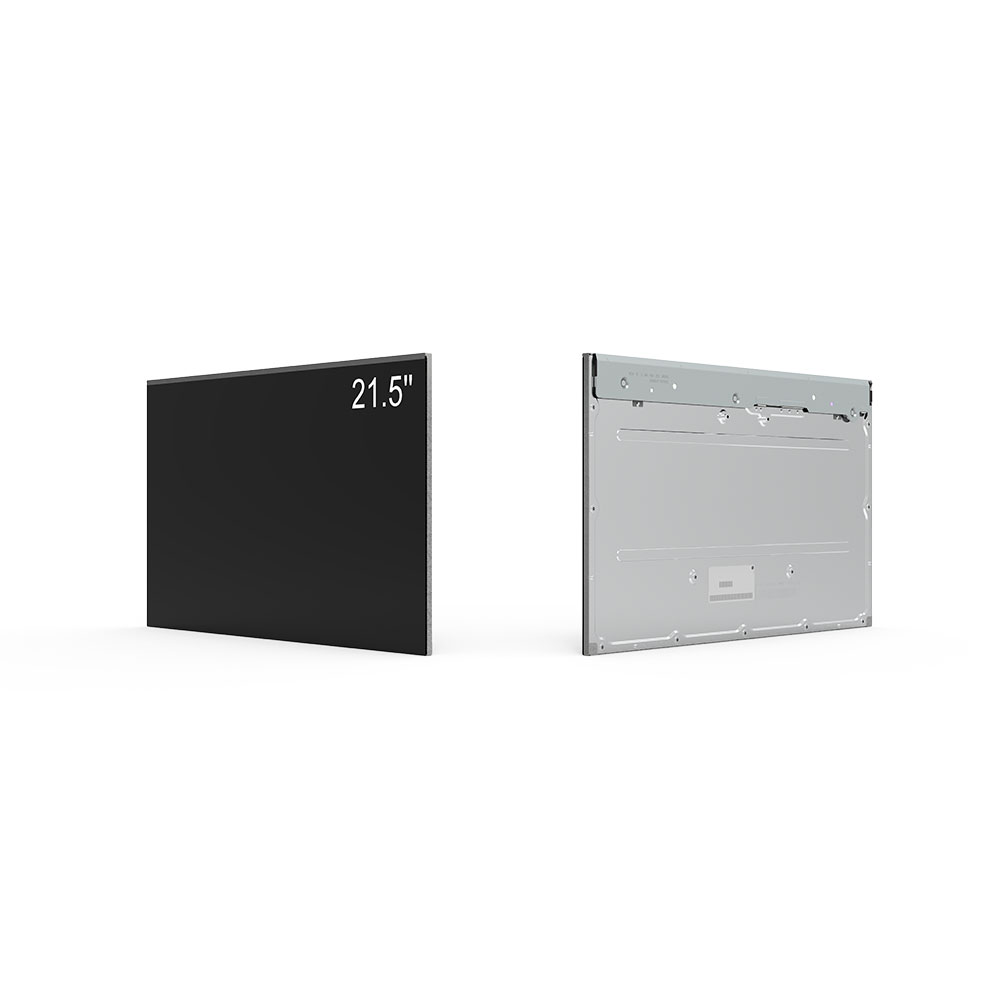
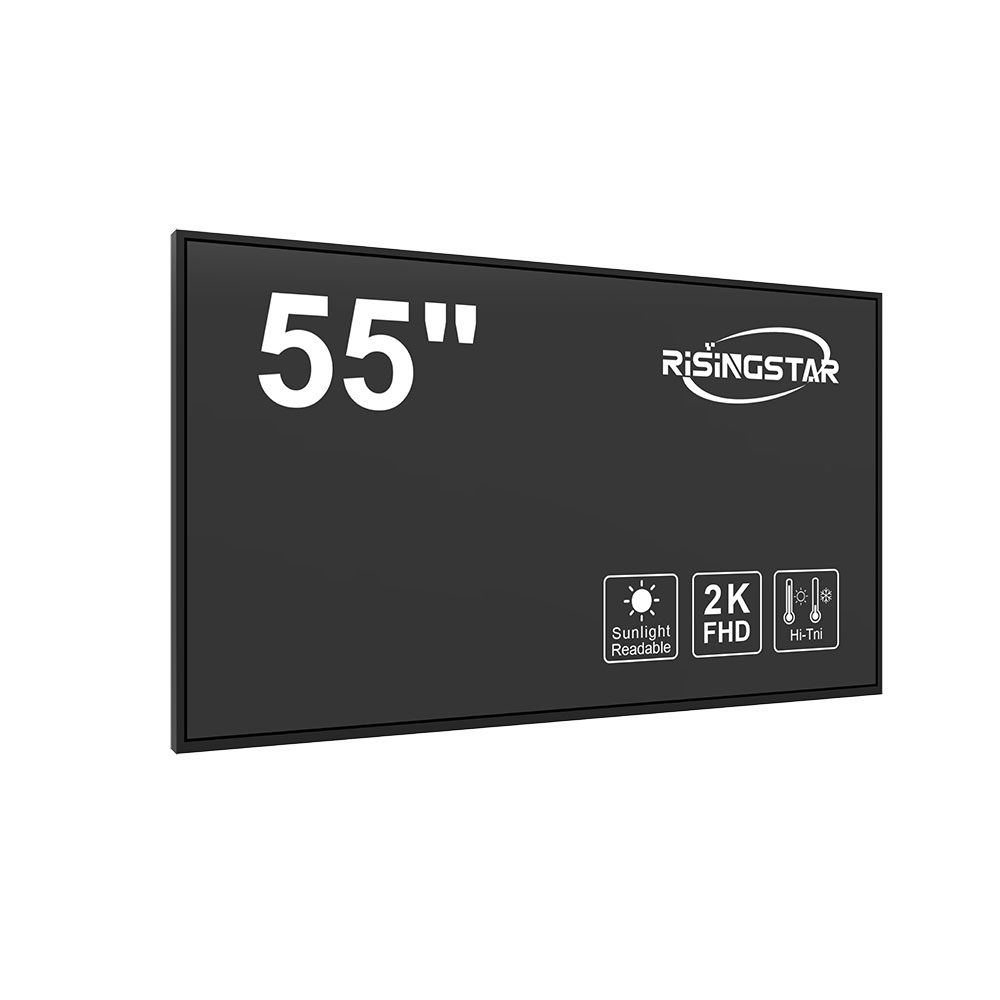
In today’s increasingly connected world, high-brightness sunlight-readable LCD displays are essential for outdoor applications ranging from industrial control systems and transportation interfaces to military equipment and medical devices. These screens must maintain visibility under direct sunlight—often exceeding 100,000 lux—and provide reliable performance in extreme temperatures, humidity, and vibration environments. Unlike standard indoor LCDs, which typically offer brightness levels between 250 and 400 cd/m², sunlight-readable displays commonly operate at 3,000 to 5,000 cd/m² or higher. This significant increase in luminance ensures clarity even in harsh daylight conditions, making them indispensable for mission-critical operations.
The engineering behind these displays involves multiple layers of optimization. First, the backlight system is upgraded with high-efficiency LED arrays that produce uniform, intense light without excessive power consumption. Second, advanced optical bonding techniques—such as vacuum lamination or adhesive bonding—are used to eliminate air gaps between the display panel and cover glass, reducing glare and improving contrast. Third, polarized filters and anti-reflective coatings (often using nanostructured surfaces) minimize external light reflection, while some models incorporate active ambient light sensors that dynamically adjust brightness based on real-time environmental conditions.
A well-known example is the use of such displays in aviation cockpits. According to a 2023 study by the Federal Aviation Administration (FAA), pilots reported a 78% reduction in visual fatigue when using high-brightness sunlight-readable LCDs during daytime flight operations compared to conventional screens. Similarly, in military applications like UAVs (unmanned aerial vehicles) and field communication terminals, these displays have proven resilient against dust, water ingress (IP67-rated), and shock resistance per MIL-STD-810G standards.
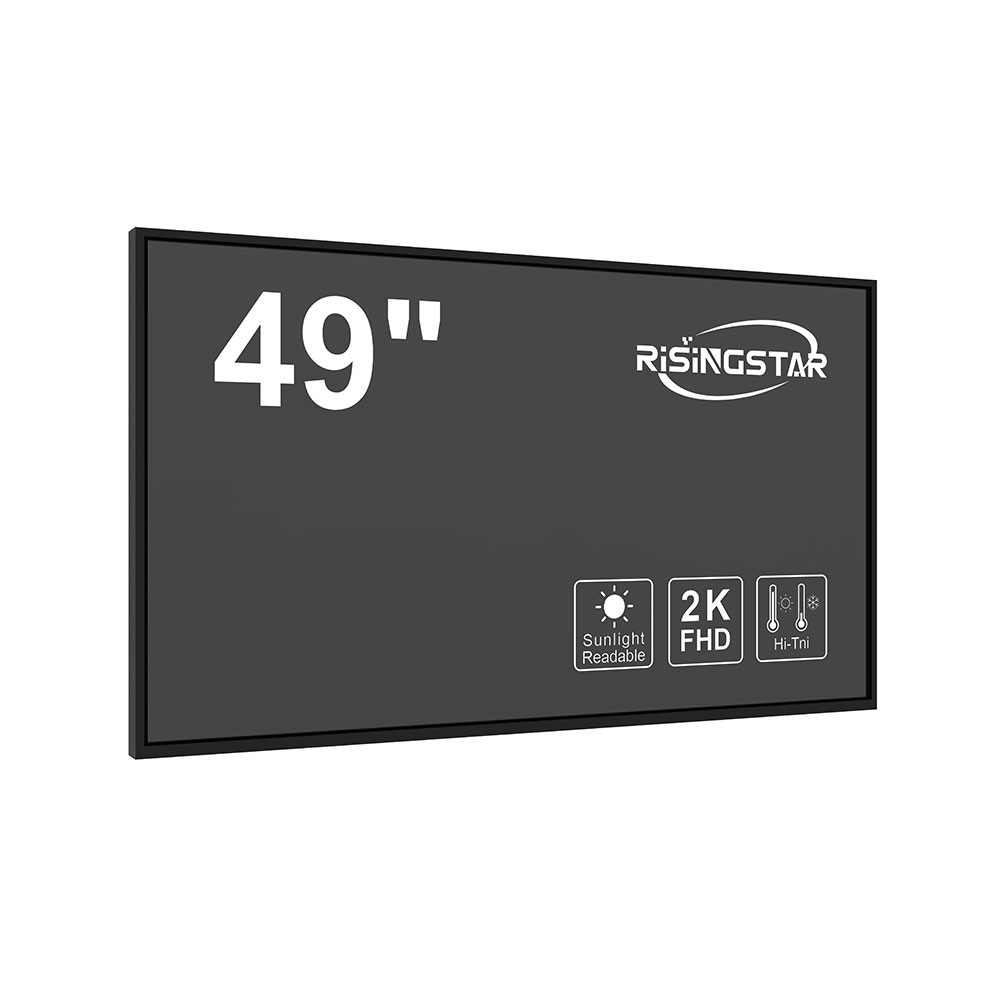
Manufacturers such as ELO Touch Systems, LG Display, and Innolux have developed specialized panels optimized for outdoor use. For instance, LG’s “Sunlight Readable” series utilizes an innovative multi-layered film stack combined with dynamic backlights that boost brightness up to 5,000 cd/m² while maintaining energy efficiency—a crucial factor for battery-powered devices. Additionally, some manufacturers integrate touch functionality with glove compatibility, enabling operation in cold climates where manual dexterity is limited.
From a technical standpoint, compliance with international standards like ISO 16750 (environmental testing for automotive electronics) and EN 60068 (general environmental testing) ensures durability across diverse operational scenarios. The selection of materials—including chemically strengthened glass (like Gorilla Glass) and UV-resistant polymers—also contributes to long-term reliability.
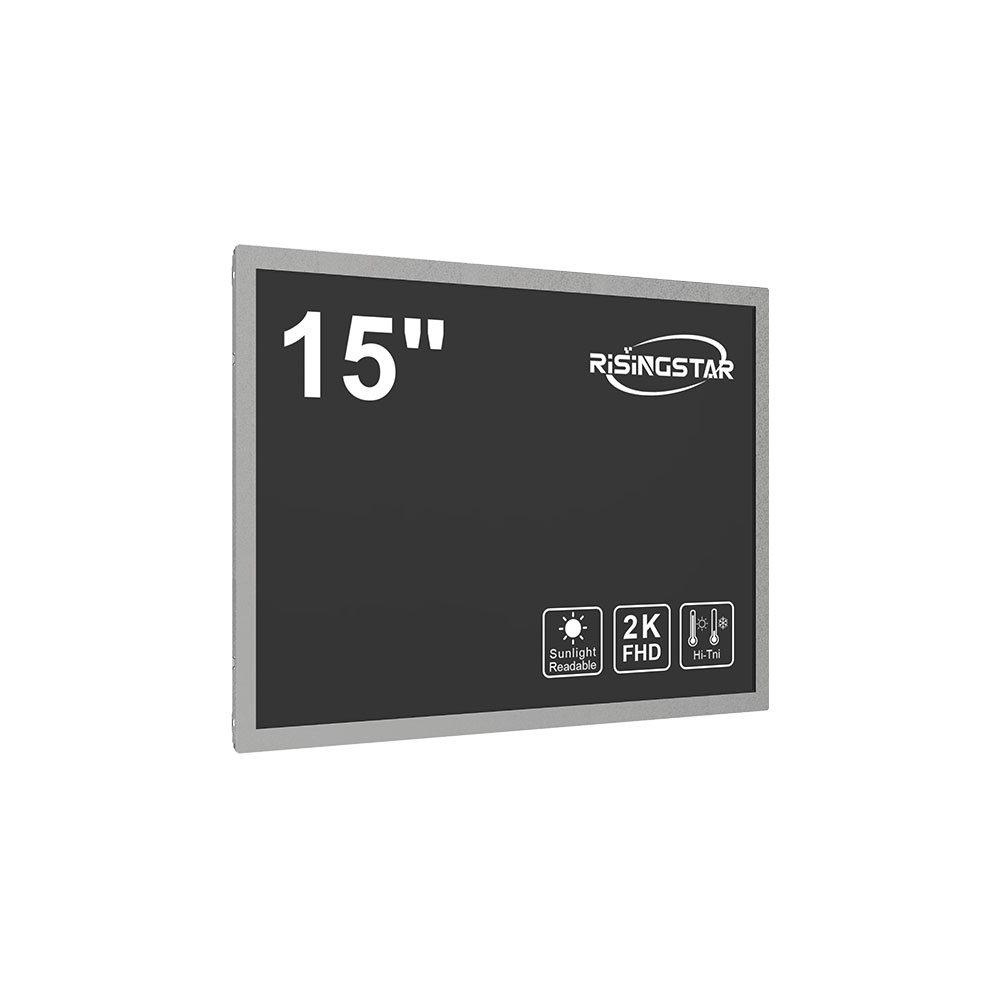
For global markets, especially in regions with high solar irradiance such as the Middle East, Australia, and parts of South America, deploying high-brightness sunlight-readable LCDs is no longer optional—it’s a requirement for functional, safe, and user-friendly design. As industries continue to adopt IoT-enabled outdoor systems, the demand for robust, readable, and efficient display technologies will only grow, pushing innovation toward smarter, more adaptive solutions.