RisingStar
- Home
- About Us
- Products
- News
- Video
- Contact
- Send Inquiry
Search
- Home
- About Us
- Products
- News
- Video
- Contact
- Send Inquiry
RisingStar
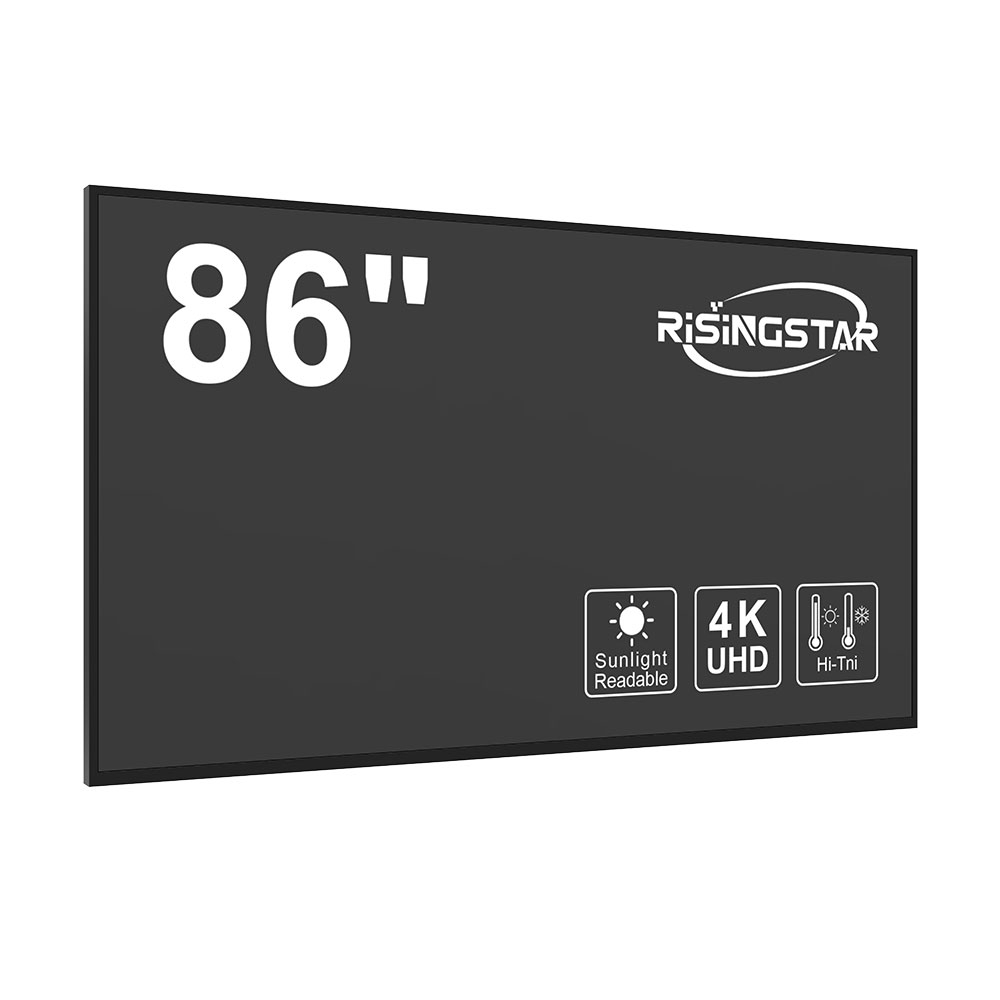
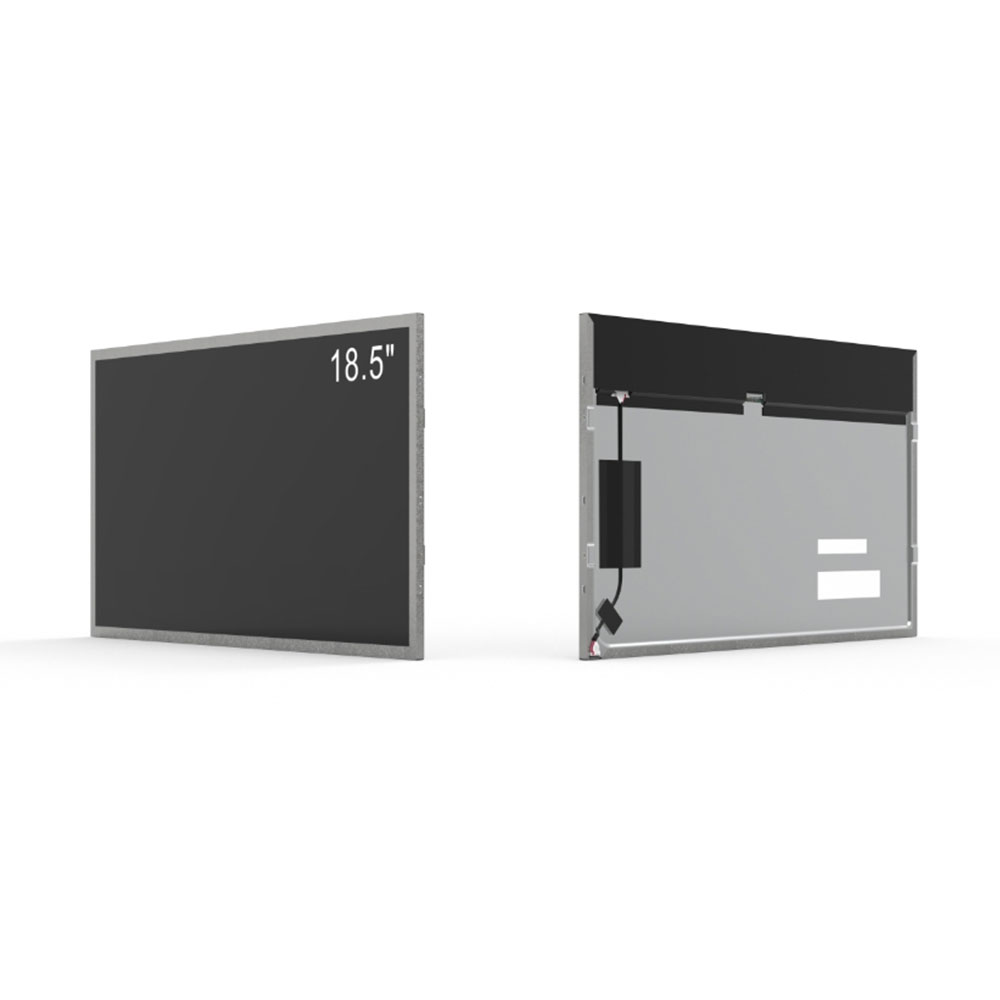
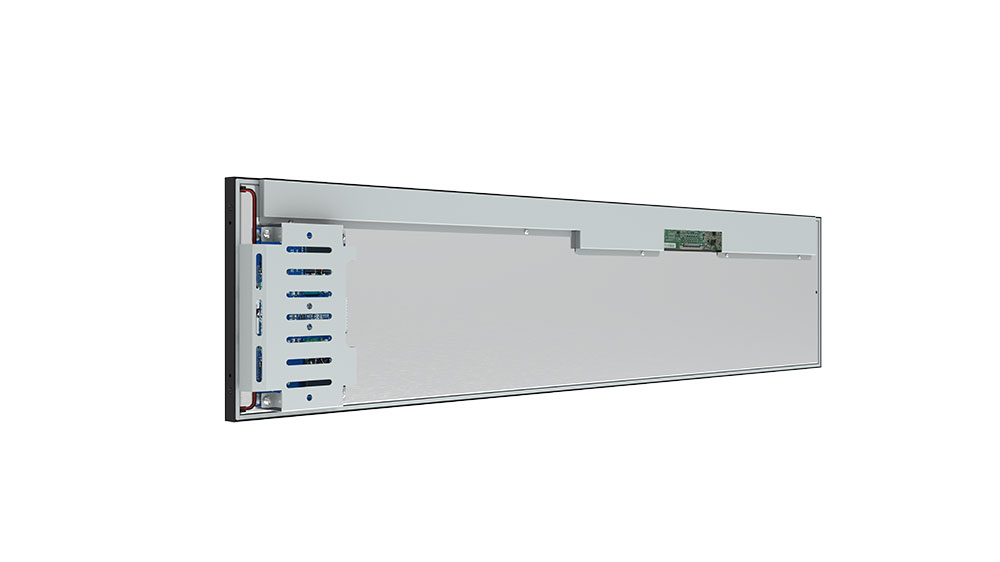
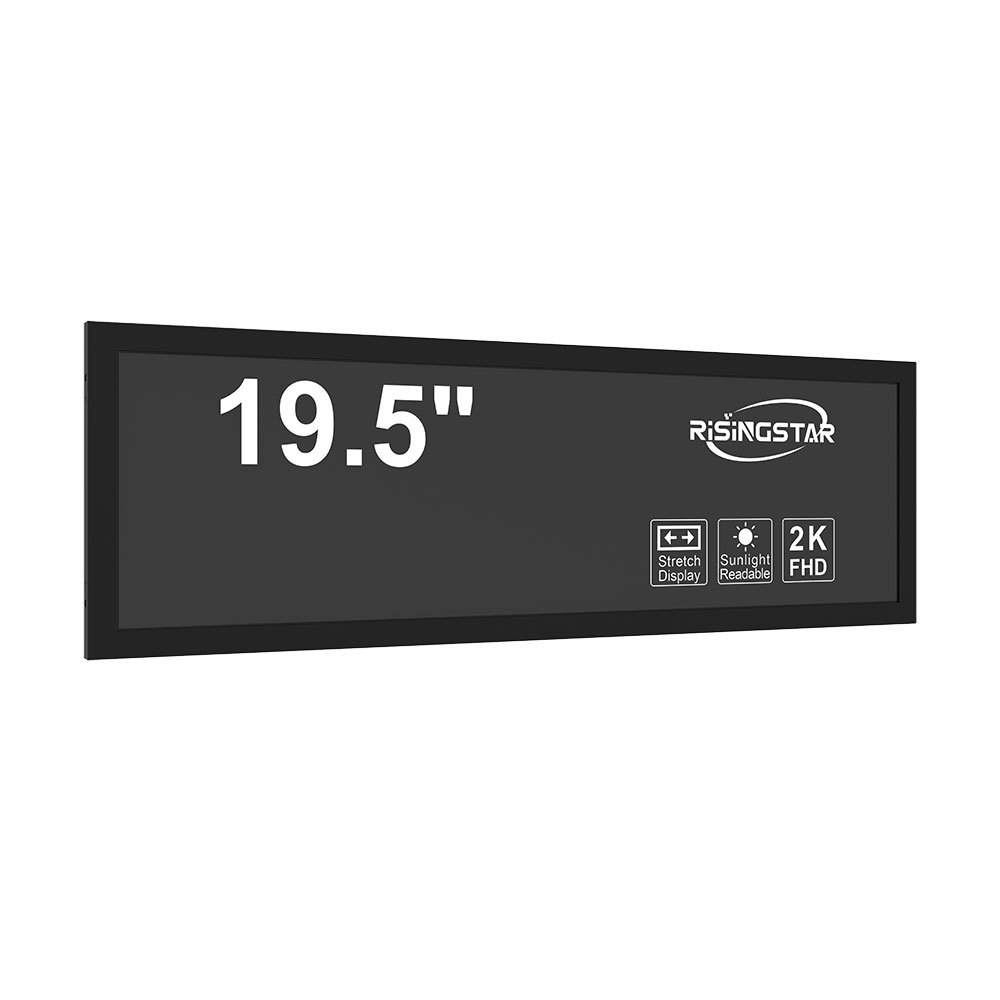
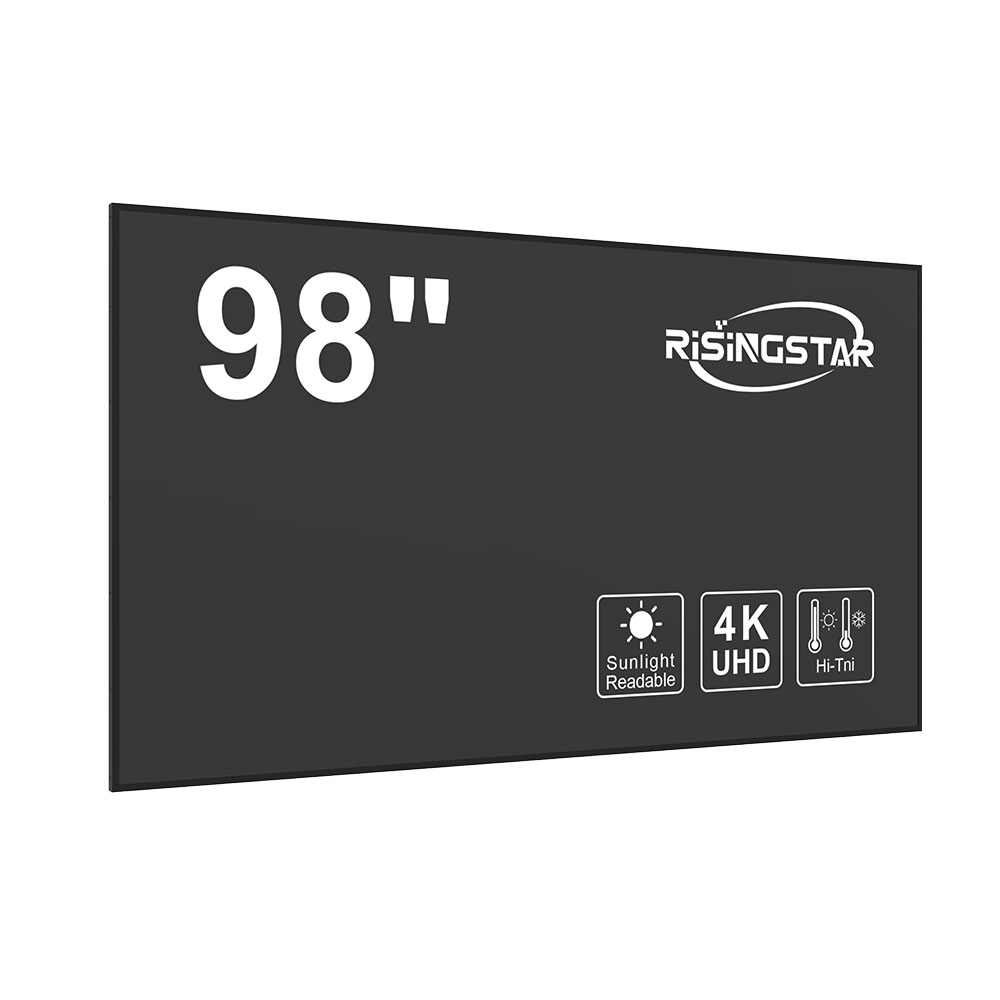
High-brightness sunlight-readable LCD screens are engineered to deliver optimal visibility under extreme lighting conditions, such as direct sunlight, low ambient light, or rapidly changing environmental illumination. These displays are critical in military, industrial, transportation, and outdoor consumer applications where standard LCDs fail due to poor contrast, washed-out colors, or unresponsive touch interfaces.
The core challenge in designing a sunlight-readable LCD lies in maximizing luminance while minimizing power consumption and heat generation. Industry-standard LCDs typically produce 200–300 nits of brightness—insufficient for reliable visibility outdoors. In contrast, high-brightness sunlight-readable LCDs achieve 1,500 to 5,000 nits or more, enabling clear readability even under direct solar radiation at 100,000 lux or higher. This is achieved through advanced backlighting technologies, such as LED arrays with high-efficiency phosphors and precision optical films like brightness enhancement films (BEFs) and diffusers. For example, the MIL-STD-188-137C standard requires display brightness levels above 2,000 nits for military-grade devices deployed in open-field environments.
Another key component is the use of anti-reflective coatings and polarized glass layers that reduce glare and increase contrast ratio. Some models integrate a transflective liquid crystal layer, which combines both transmissive and reflective modes—an innovative approach used in ruggedized handheld devices like those from Garmin or Panasonic Toughbook. This hybrid technology allows the screen to maintain clarity in both bright sunlight and dim indoor settings without requiring excessive power for backlighting.
Case studies illustrate real-world performance: A U.S. Army field unit using a 4,000-nit sunlight-readable display reported a 90% improvement in operational efficiency during daytime missions compared to standard LCDs. Similarly, in maritime applications, manufacturers like Nauticomp have integrated high-brightness panels into bridge control systems, reducing eye strain and enhancing safety in dynamic lighting conditions on ships.
Thermal management remains a critical design consideration. High-luminance LEDs generate more heat, which can degrade panel lifespan and cause thermal runaway in enclosed systems. Engineers address this by incorporating active cooling solutions (e.g., thermoelectric coolers) and passive heat sinks optimized via computational fluid dynamics (CFD). Additionally, modern displays leverage adaptive brightness control algorithms that dynamically adjust output based on ambient light sensors—a feature now common in automotive infotainment systems like Tesla’s Model S.
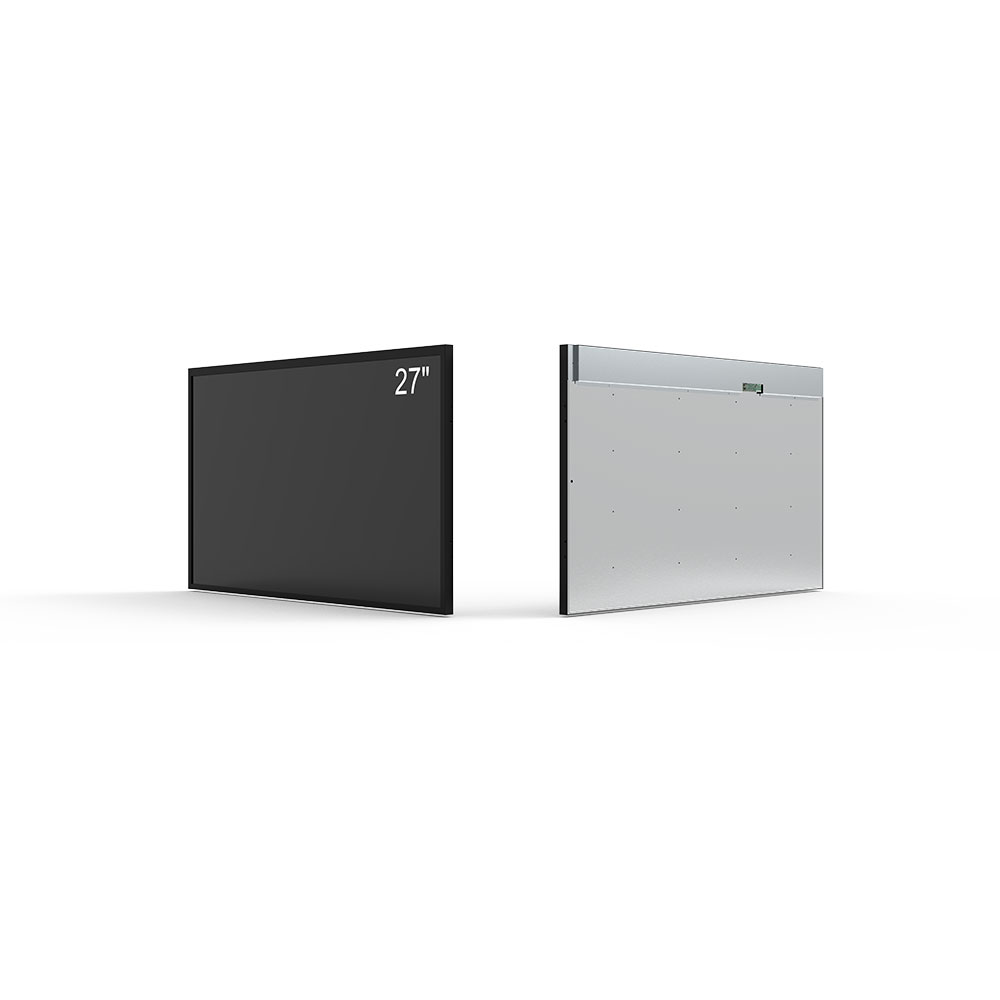
In summary, high-brightness sunlight-readable LCD technology represents a convergence of materials science, optical engineering, and system-level integration. As global demand grows—from electric vehicle dashboards to autonomous drones operating in desert environments—innovations in polarization, power-efficient LED arrays, and AI-driven ambient sensing will continue to redefine what’s possible in outdoor display performance.