 RisingStar
- Home
- About Us
- Products
- News
- Video
- Contact
- Send Inquiry
Search
- Home
- About Us
- Products
- News
- Video
- Contact
- Send Inquiry
RisingStar
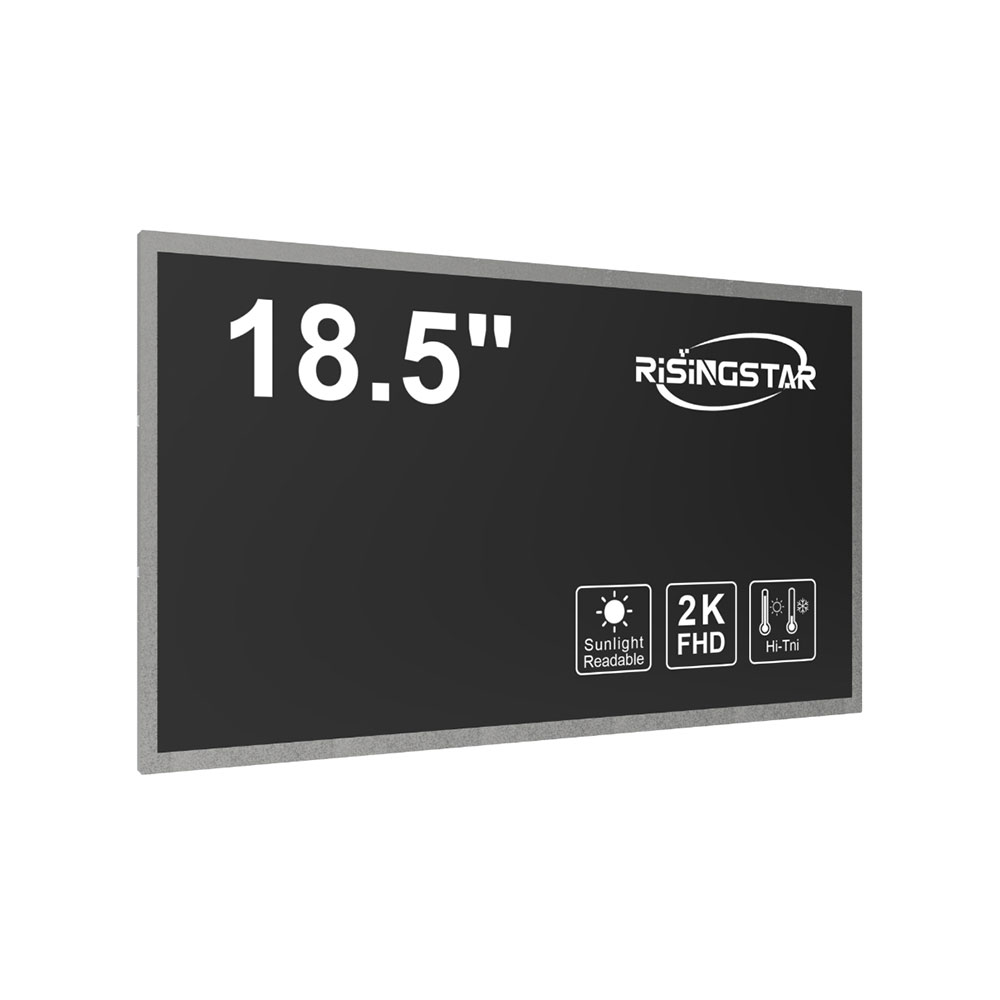
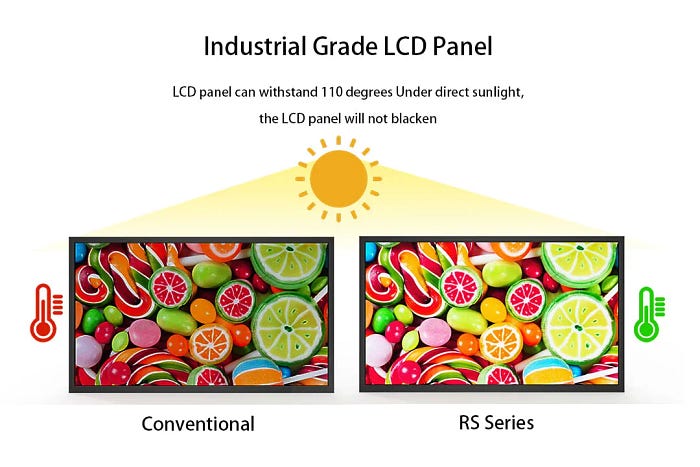
In today’s increasingly mobile and connected world, high-brightness sunlight-readable LCD screens have become indispensable in outdoor environments where visibility under direct sunlight is critical. These displays are engineered to maintain clarity, contrast, and responsiveness even in extreme lighting conditions—ranging from bright daylight to harsh midday sun. Unlike standard LCDs that often suffer from washout or poor readability in bright environments, sunlight-readable displays incorporate advanced optical technologies and materials to ensure consistent performance across diverse applications.
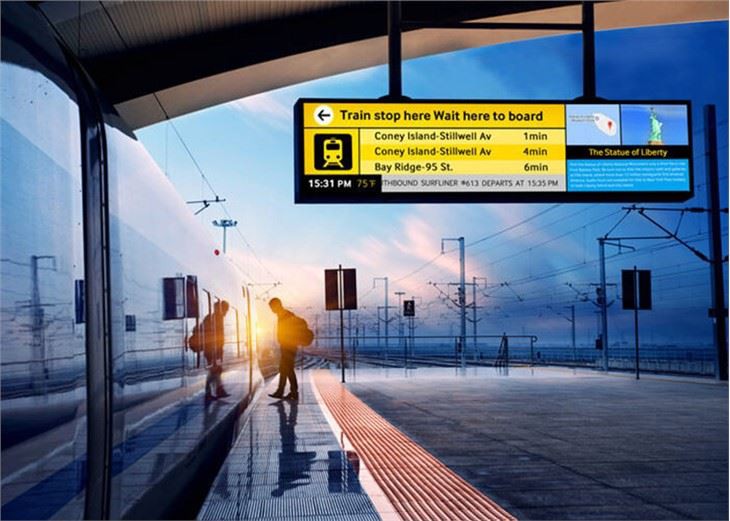
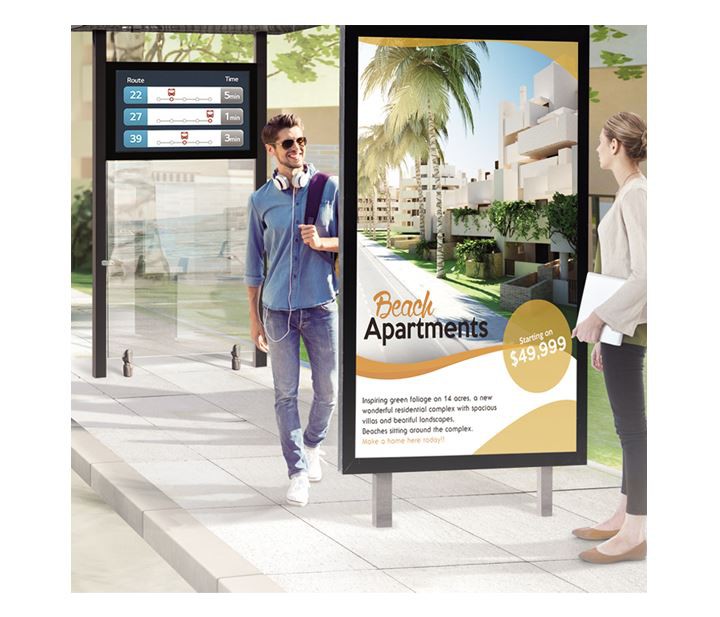
The introduction of high-brightness LCDs dates back to the early 2000s when military and industrial sectors began demanding more robust display solutions for field operations. Over time, these technologies evolved from niche products into mainstream components used in transportation (e.g., buses, trains), retail kiosks, medical devices, construction equipment, and agricultural machinery. According to a 2023 report by MarketsandMarkets, the global market for high-brightness LCDs is projected to exceed $15 billion by 2028, driven by rising demand in smart infrastructure, IoT-enabled devices, and autonomous systems.
At the core of sunlight-readable LCD technology lies a combination of hardware and software innovations. First, manufacturers utilize high-luminance backlighting—often exceeding 5,000 nits (cd/m²)—to overpower ambient light. Traditional LEDs are replaced with high-efficiency phosphor-based or RGB LED arrays optimized for color accuracy and brightness uniformity. Second, anti-reflective coatings and polarized glass layers reduce glare, while micro-louvered filters minimize light leakage. Third, adaptive brightness control systems adjust luminance dynamically based on ambient light sensors, improving energy efficiency without compromising visibility.
Case studies illustrate real-world effectiveness. For example, in 2021, Siemens deployed 6,000+ high-brightness LCD panels in their industrial automation systems across solar farms in Arizona. The panels maintained full functionality under 10,000 lux of sunlight exposure, reducing operator errors by 40% compared to legacy displays. Similarly, in Japan, Hitachi installed these screens in automated ticketing machines at railway stations, achieving 99.7% readability during peak sun hours—a key factor in maintaining operational uptime.
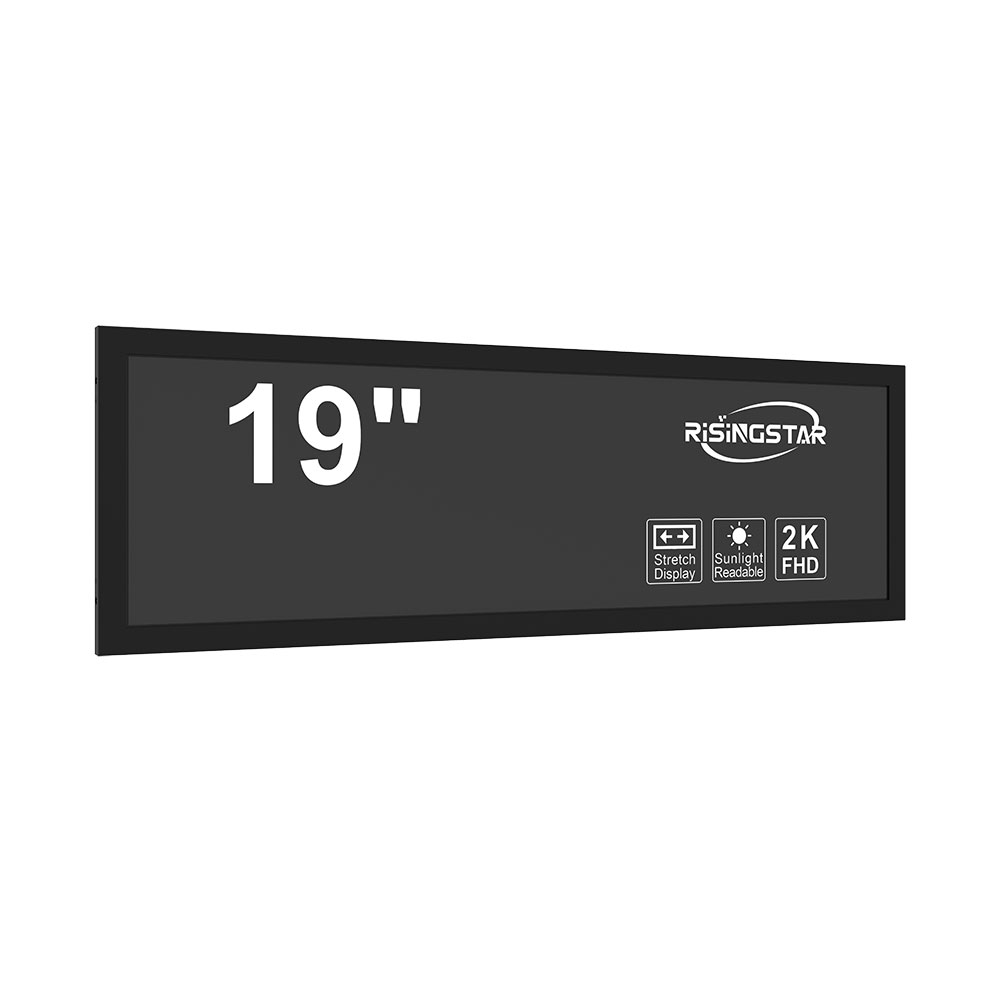
Another critical aspect is durability. Many sunlight-readable LCDs are rated IP65 or higher for dust and water resistance, making them suitable for harsh environments. They also meet MIL-STD-810G standards for shock, vibration, and temperature extremes (-20°C to +70°C). This makes them ideal not only for outdoor use but also for ruggedized applications such as oil rigs, mining sites, and emergency response vehicles.
From an engineering perspective, the integration of touch-sensitive layers with anti-glare films presents unique challenges. Manufacturers now employ capacitive or resistive touch technologies combined with infrared (IR) sensing for precise input in gloves or wet conditions. Additionally, some models support wide viewing angles (>170°) and fast response times (<20ms), ensuring smooth video playback and real-time data visualization.
Looking ahead, emerging trends include OLED-based sunlight-readable displays using quantum dot enhancements and AI-driven brightness optimization algorithms. While current LCD solutions dominate due to cost and maturity, future advancements may blur the line between traditional LCDs and next-gen emissive displays. Regardless, the demand for reliable, high-brightness, sunlight-readable LCDs will continue to grow as industries embrace digital transformation and edge computing.
In conclusion, high-brightness sunlight-readable LCD screens represent a mature yet rapidly evolving technology essential for modern outdoor and industrial applications. Their ability to deliver clear, readable visuals under challenging lighting conditions—supported by rigorous standards, real-world case validation, and continuous innovation—positions them as foundational tools in smart cities, mobility, and Industry 4.0 ecosystems.