RisingStar
- Home
- About Us
- Products
- News
- Video
- Contact
- Send Inquiry
Search
- Home
- About Us
- Products
- News
- Video
- Contact
- Send Inquiry
RisingStar
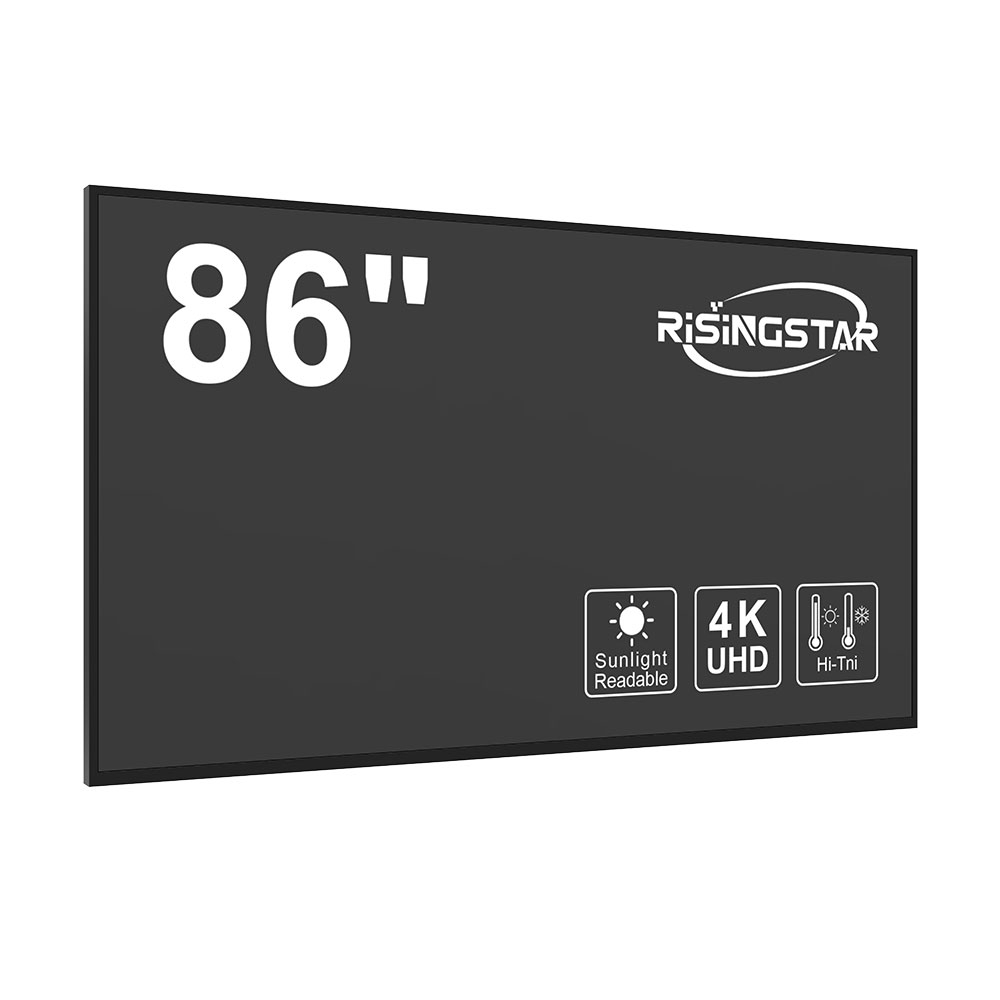
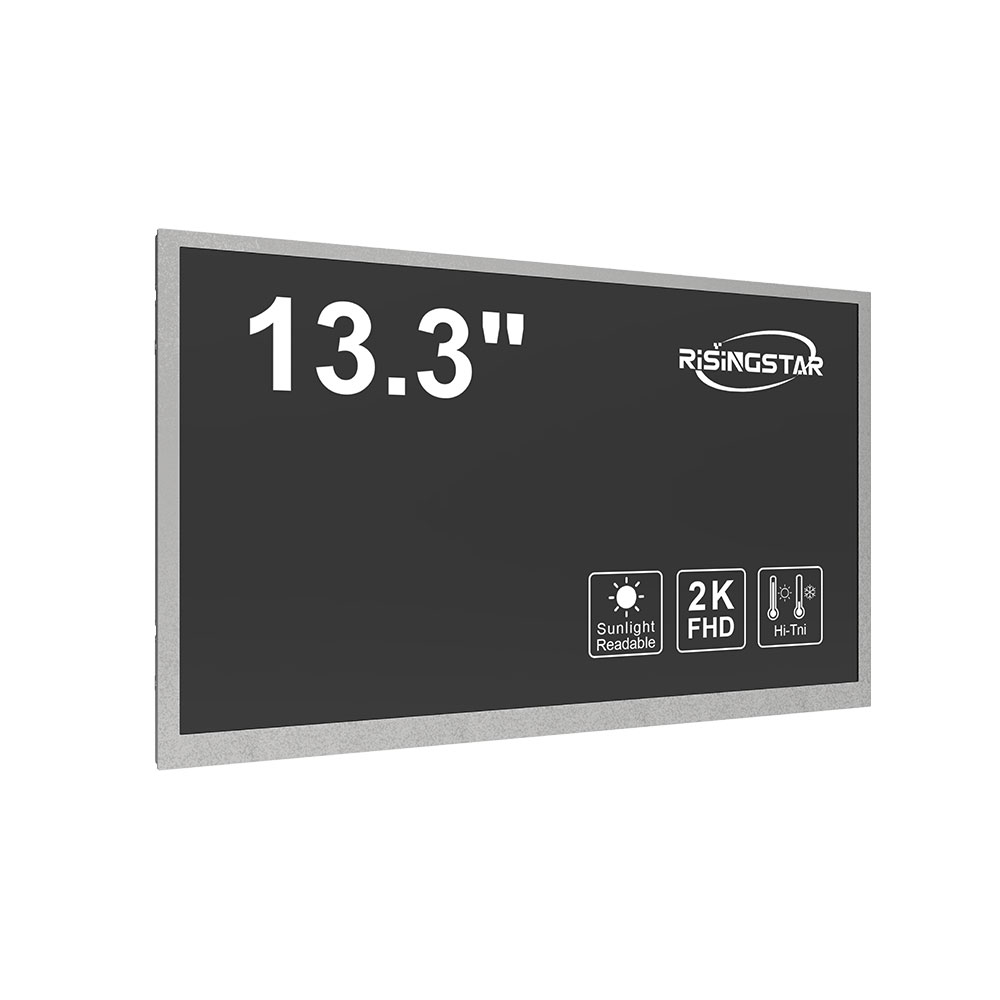
High-brightness sunlight-readable LCD displays are a critical technology for applications in outdoor and high-glare environments where standard LCDs fail to provide visibility. These specialized screens are engineered to maintain clarity under direct sunlight, making them essential in military, industrial, transportation, and public infrastructure sectors. According to industry reports from Display Supply Chain Consultants (DSCC), the global demand for high-brightness displays exceeded $1.8 billion in 2023 and is projected to grow at a CAGR of 6.2% through 2030.
The core challenge in designing such displays lies in achieving sufficient luminance—typically over 5,000 nits—to overcome ambient light conditions exceeding 100,000 lux in full sun. Unlike consumer-grade displays that max out around 500–1,000 nits, these industrial-grade panels use advanced backlighting systems such as LED arrays with optimized diffusers and reflective polarizers. For example, the U.S. Department of Defense’s MIL-STD-188-142 specification mandates display brightness levels of 5,000 nits minimum for battlefield communication devices, ensuring mission-critical readability.
Manufacturers like Sharp, LG Display, and BOE have developed proprietary technologies such as “Sunlight Readable Plus” and “HDR-LED” backlights that dynamically adjust brightness based on ambient light sensors. This not only improves power efficiency but also extends screen life by reducing unnecessary illumination during low-light periods. Case studies from aviation and maritime industries show that these displays reduce pilot workload and improve situational awareness by maintaining contrast ratios above 1000:1 even in direct sunlight.
In addition to brightness, other factors like wide viewing angles (up to 178°), anti-glare coatings, and ruggedized casings contribute to overall performance. Many modern units incorporate Corning Gorilla Glass or equivalent materials to resist scratches, impacts, and extreme temperatures ranging from -40°C to +70°C. Compliance with standards such as IP65 (dust and water resistance) and MIL-STD-810G ensures reliability in harsh operational environments.
Recent innovations include the integration of OLED-based sunlight-readable solutions, which offer superior contrast and lower power consumption compared to traditional LCDs. However, OLEDs face challenges in achieving consistent high brightness across large panels due to current limitations in emissive material longevity. As a result, hybrid LCD-OLED designs are emerging as a promising middle ground, combining the durability of LCDs with the visual superiority of OLEDs.
For global markets, manufacturers must also adhere to environmental regulations such as RoHS and REACH while optimizing for energy efficiency. The International Electrotechnical Commission (IEC) has established IEC 62368-1 for safety standards in display equipment, ensuring safe operation in both indoor and outdoor installations.
Ultimately, high-brightness sunlight-readable LCDs are no longer optional—they are a necessity in modern systems that operate beyond controlled indoor environments. Their adoption continues to accelerate across defense, automotive, agriculture, and smart city applications, driven by increasing demands for real-time data access in open-air conditions.