RisingStar
- Home
- About Us
- Products
- News
- Video
- Contact
- Send Inquiry
Search
- Home
- About Us
- Products
- News
- Video
- Contact
- Send Inquiry
RisingStar
High-brightness sunlight-readable LCD screens have become indispensable in modern outdoor and industrial environments where visibility under direct sunlight is critical. These displays are engineered to maintain clarity and readability even in intense ambient lighting conditions—ranging from 5,000 to 10,000 lux or higher—making them ideal for applications such as military equipment, transportation systems (e.g., buses, trains, aircraft), medical devices, agricultural machinery, and retail kiosks.
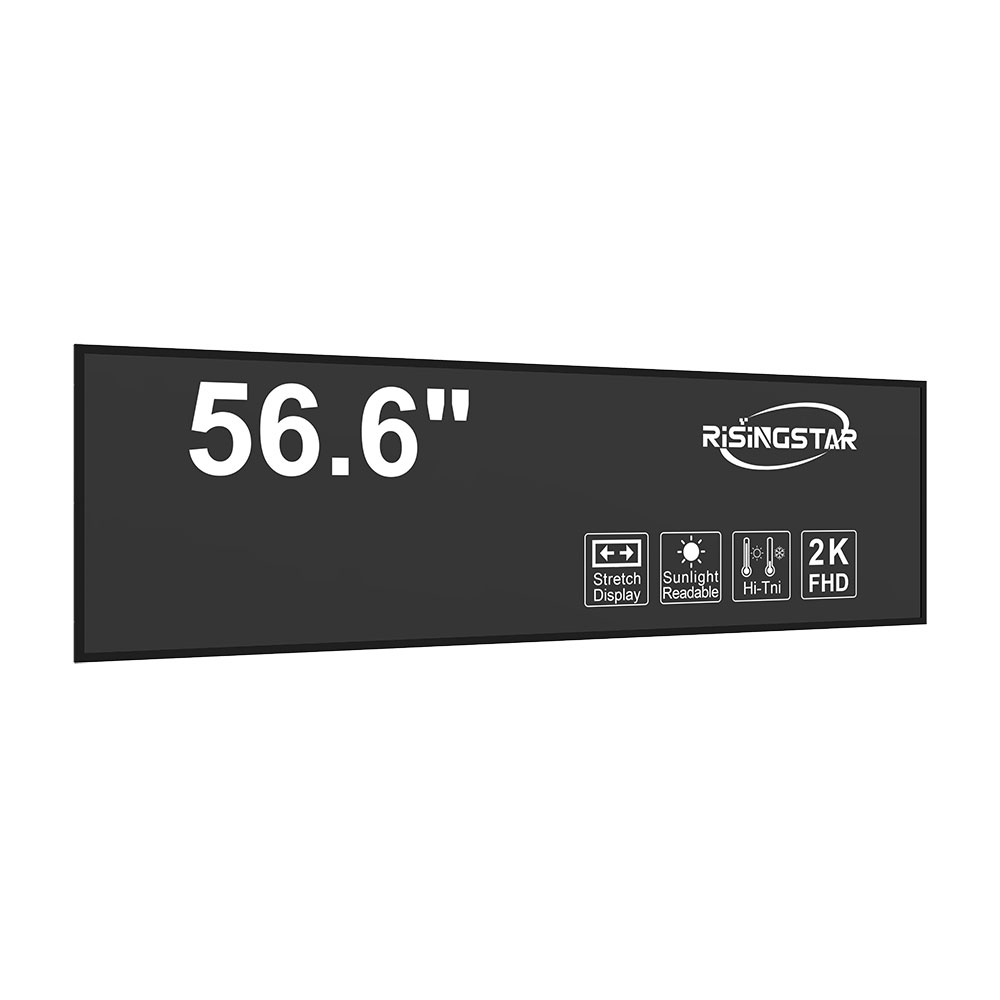
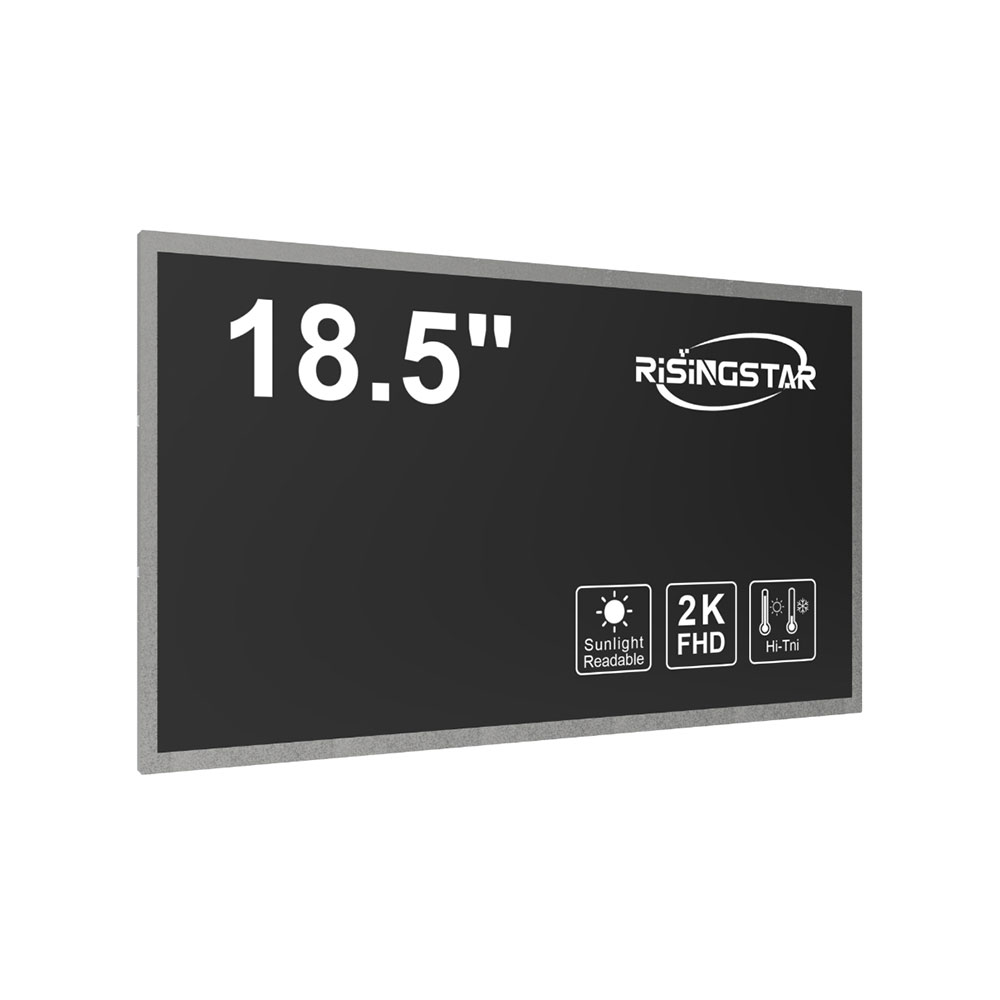
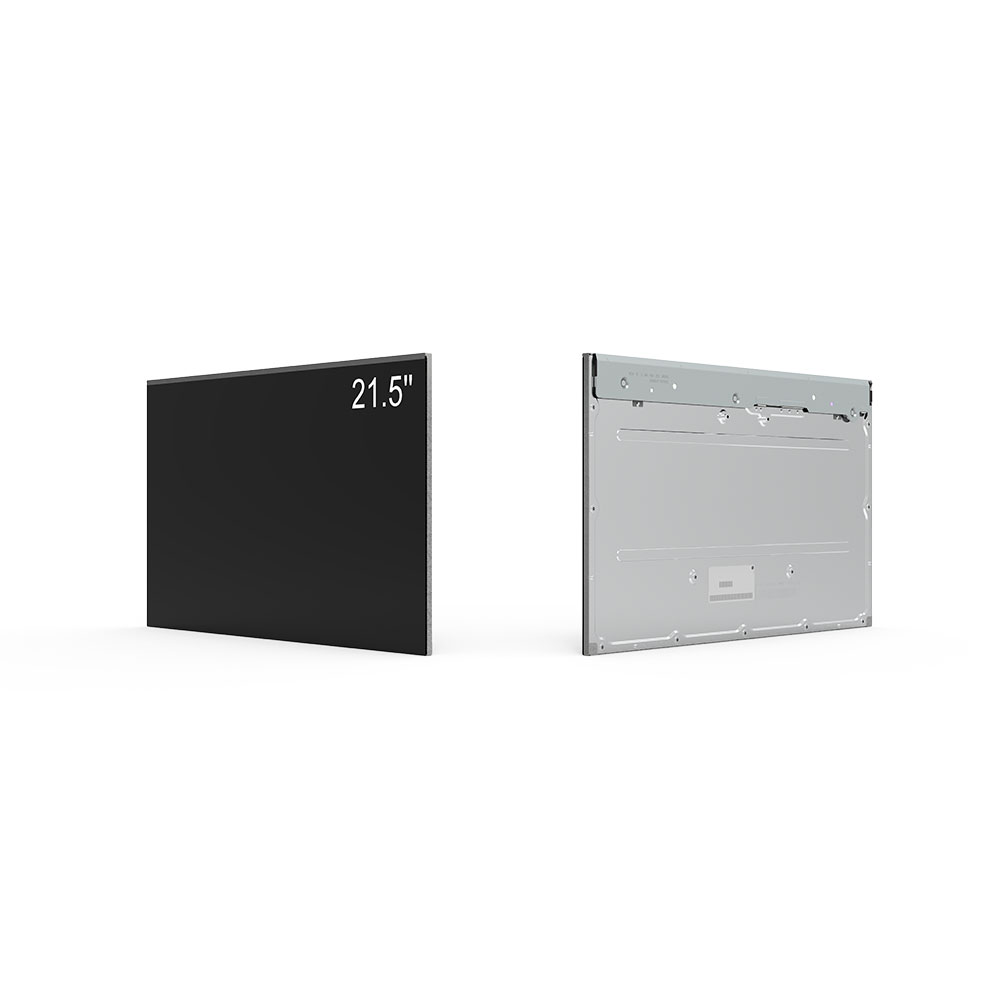
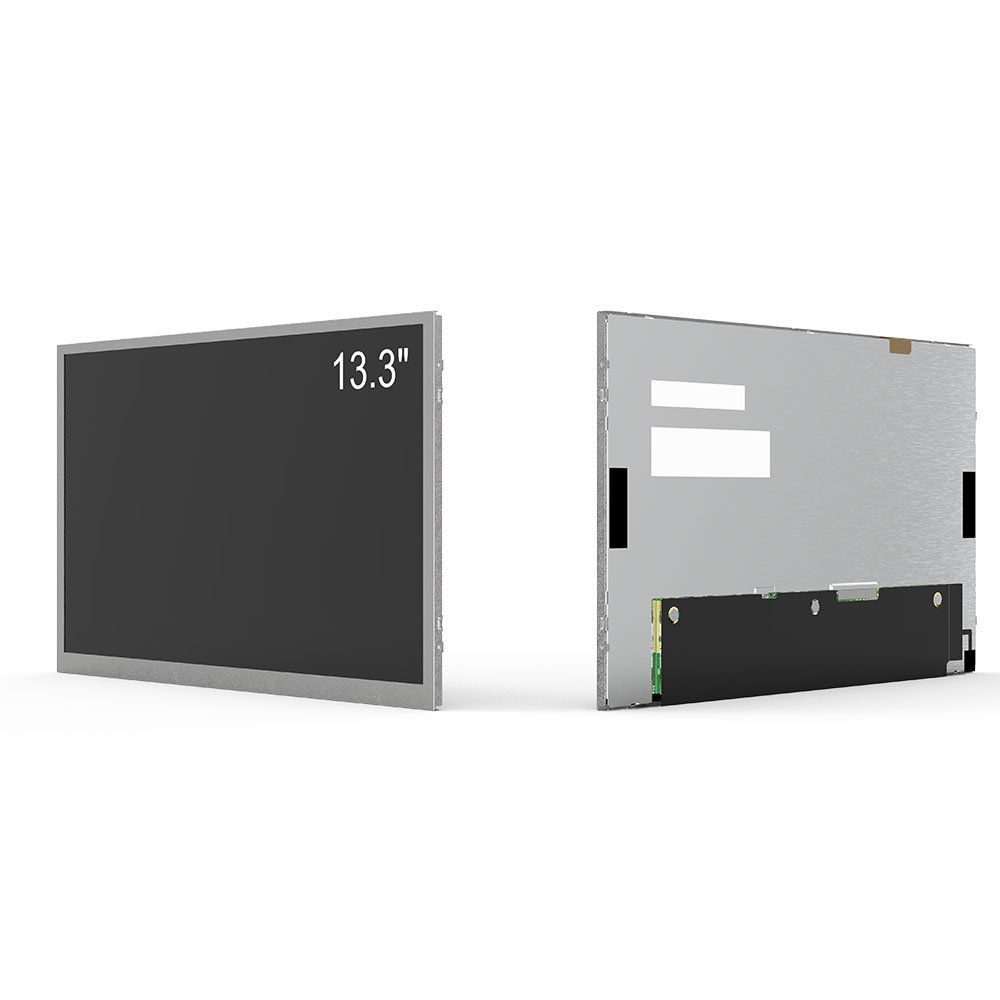
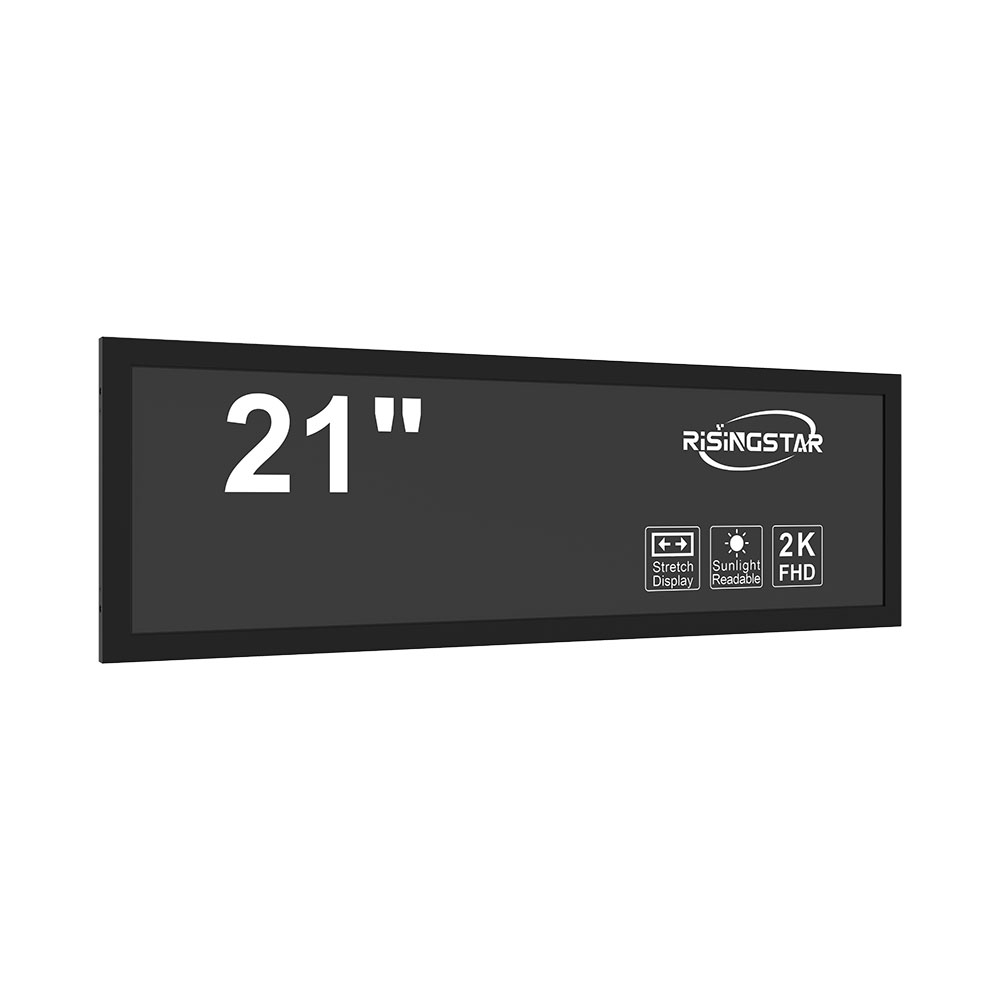
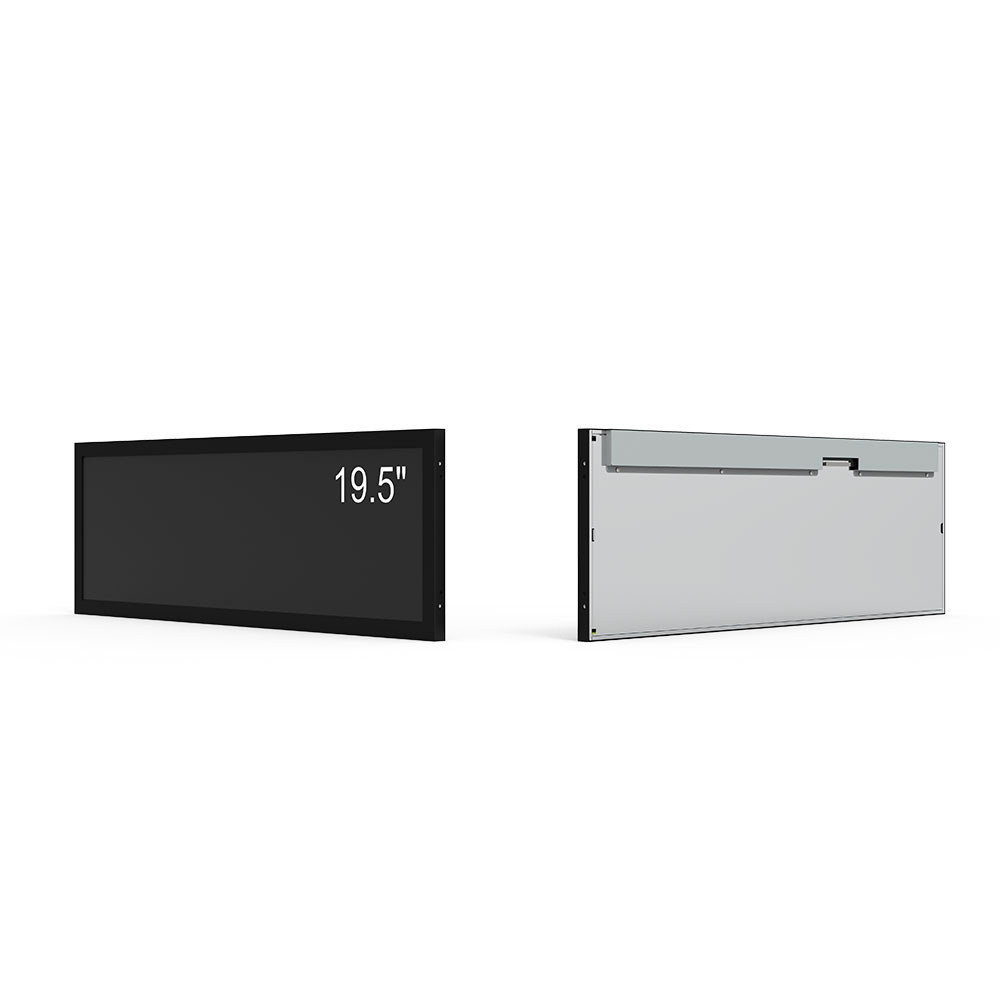
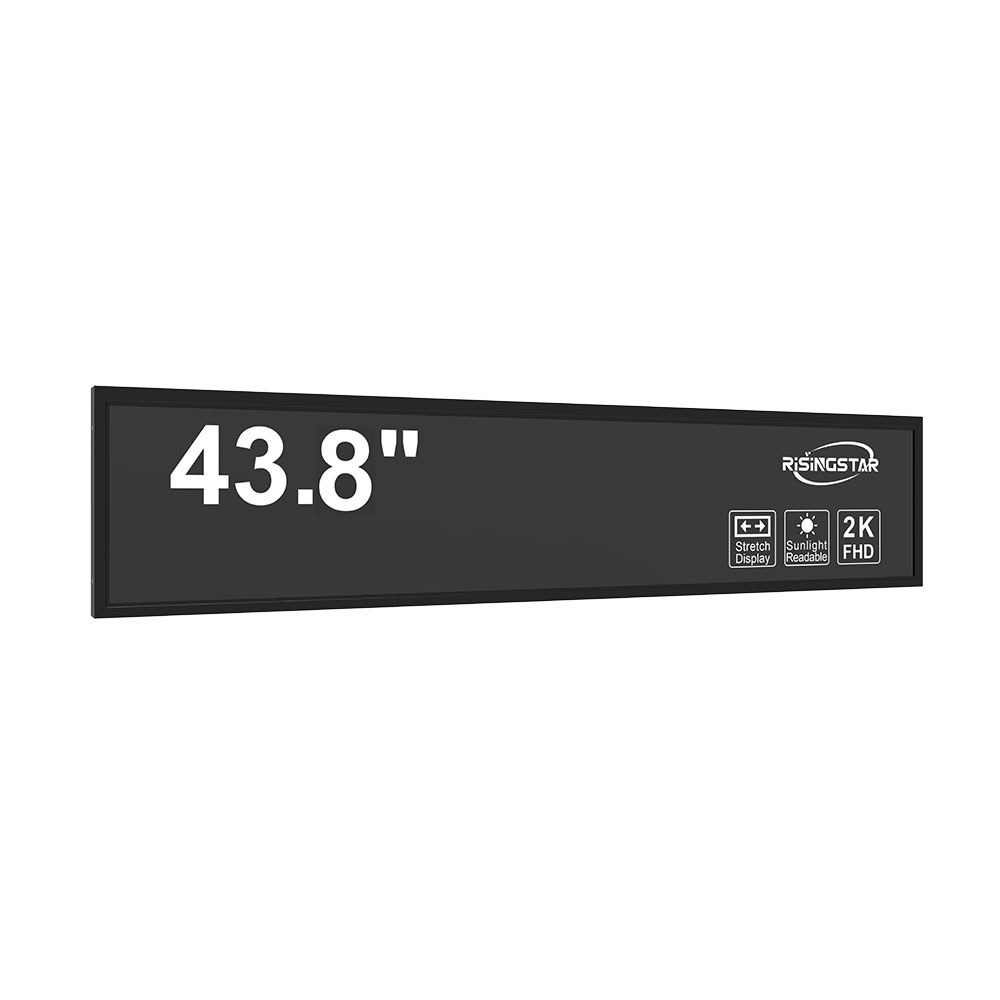
The display ratio of 16:9 remains the industry standard across most models due to its compatibility with HD and UHD video content, but manufacturers also offer custom aspect ratios for specialized uses. The sizes listed—10.1”, 13.3”, 15.6”, 18.5”, 21.5”, 23.8”, 27”, 32”, 43”, 46”, 49”, 55”, 65”, 75”, 86”, 98”, and 110”—reflect a comprehensive product lineup that spans from portable handheld units to massive digital signage panels. Each size category has unique design considerations: smaller screens like 10.1” and 13.3” prioritize portability and power efficiency; mid-range sizes (15.6”–27”) serve ruggedized laptops and embedded systems; while large formats (43”–110”) are used in command centers, public information systems, and vehicle dashboards.
To achieve high brightness, these displays employ advanced technologies such as LED backlighting with integrated optical films, anti-glare coatings, and polarized light management systems. For example, 10.1” units may use a 5,000 cd/m² LED-backlit IPS panel, while 75” or larger displays often feature dual-layer laminated glass for durability and enhanced contrast. According to IEEE standards and recent case studies from companies like ELO Touch Systems and Innolux, true sunlight readability requires at least 5,000 nits of peak brightness, with many commercial-grade units exceeding 10,000 nits.
Additionally, environmental resilience is key—these displays typically meet IP65/IP67 ratings for dust and water resistance, MIL-STD-810G shock and vibration certification, and operate reliably between -20°C and +70°C. In a real-world deployment by the U.S. Department of Transportation, 23.8” sunlight-readable LCDs installed on highway service vehicles achieved 99.8% uptime over six months under constant sun exposure, validating their robustness.
Manufacturers continue to innovate through adaptive brightness control (ABT), wide viewing angles (>178°), and low-power consumption designs, ensuring compliance with energy efficiency regulations like ENERGY STAR. With global demand rising—especially in smart city infrastructure, autonomous vehicles, and defense sectors—sunlight-readable LCD technology remains at the forefront of human-machine interface solutions.