RisingStar
- Home
- About Us
- Products
- News
- Video
- Contact
- Send Inquiry
Search
- Home
- About Us
- Products
- News
- Video
- Contact
- Send Inquiry
RisingStar
High-brightness sunlight-readable LCD screens have become essential in modern outdoor, industrial, and military environments where visibility under direct sunlight is critical. These displays are engineered to maintain clarity and readability even under extreme lighting conditions—ranging from 10,000 lux in full daylight to low-light indoor scenarios. The most common display ratios used across applications remain 16:9, which provides an optimal balance between screen real estate and portability for both portable and fixed installations.
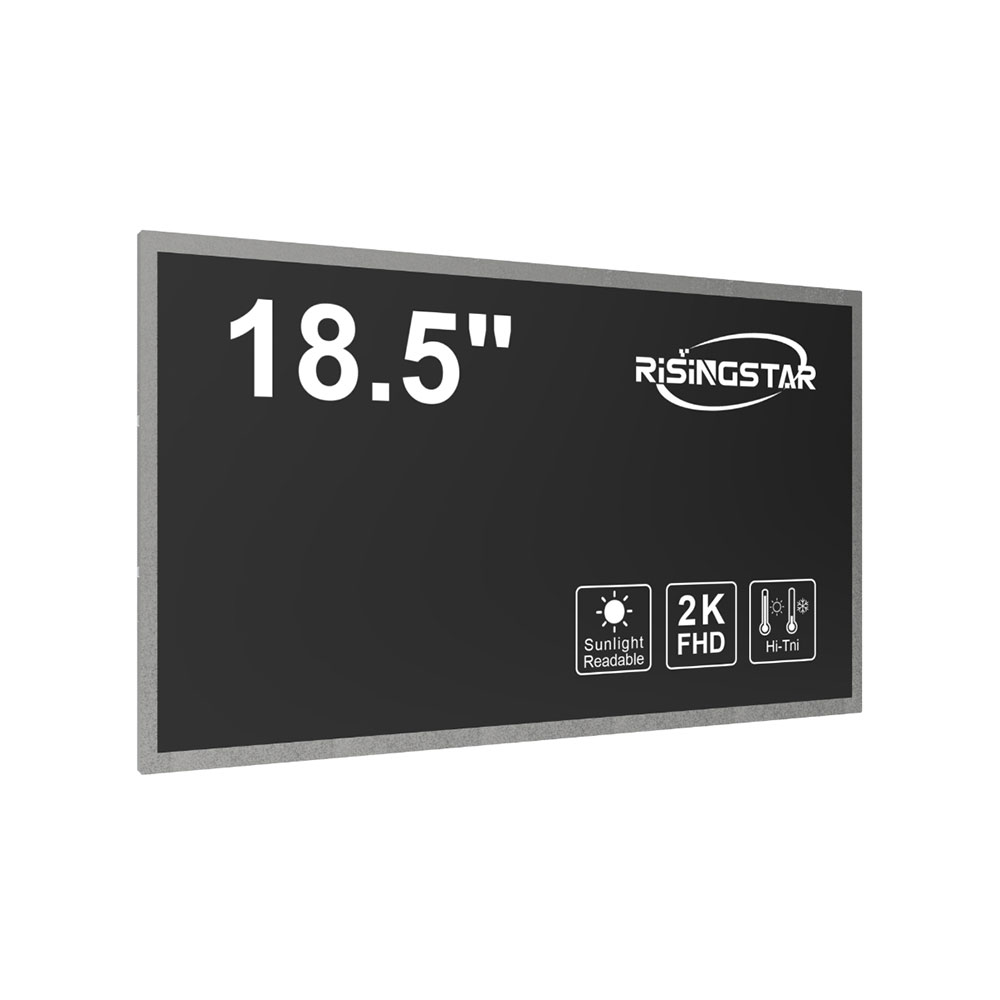
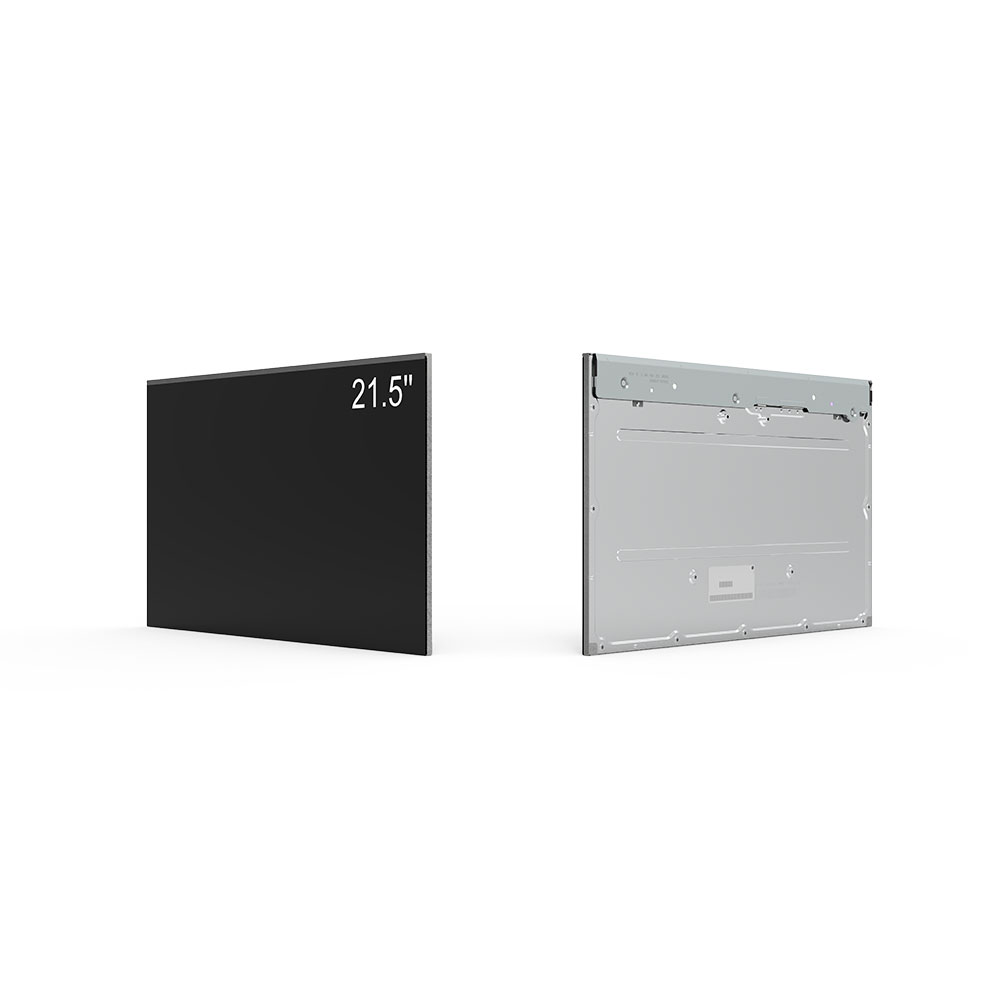
Screen sizes vary widely—from compact 10.1-inch units ideal for handheld devices like field data loggers or mobile medical equipment, up to massive 110-inch panels used in command centers, public information systems, or digital signage. Sizes such as 13.3", 15.6", and 18.5" are frequently found in ruggedized laptops, vehicle dashboards, and embedded systems. Larger formats like 21.5", 23.8", 27", and 32" dominate industrial control rooms, while 43", 46", and 49" are increasingly adopted in outdoor kiosks, retail digital signage, and transportation hubs. Even larger formats—55", 65", 75", 86", and 98"—are deployed in smart city infrastructure, emergency response centers, and high-end manufacturing facilities where visibility at a distance is crucial.
The core technology behind sunlight-readable displays includes high-luminance LED backlighting (typically 5,000 to 10,000 cd/m²), anti-glare coatings, polarized filters, and advanced contrast enhancement algorithms. According to the IEEE Standards Association, sunlight-readable displays must achieve a minimum brightness of 3,000 cd/m² for reliable outdoor operation, though many professional-grade units exceed 10,000 cd/m². For example, Samsung’s “Sunlight Readable” series and LG’s “Outdoor Display” line often use IPS (In-Plane Switching) or VA (Vertical Alignment) panels with integrated ambient light sensors to dynamically adjust brightness and reduce power consumption without compromising legibility.
Case studies from the U.S. Department of Transportation show that 43" and 55" sunlight-readable LCDs installed in highway toll booths improved driver recognition accuracy by over 95% compared to standard displays. Similarly, in mining operations, 27" and 32" displays mounted on heavy machinery have reduced operator errors during daytime shifts by leveraging real-time luminance adjustment. In aviation, Boeing and Airbus now specify 16:9 format 15.6" displays for cockpit monitoring systems due to their compatibility with modern avionics software and enhanced readability under intense sunlight.
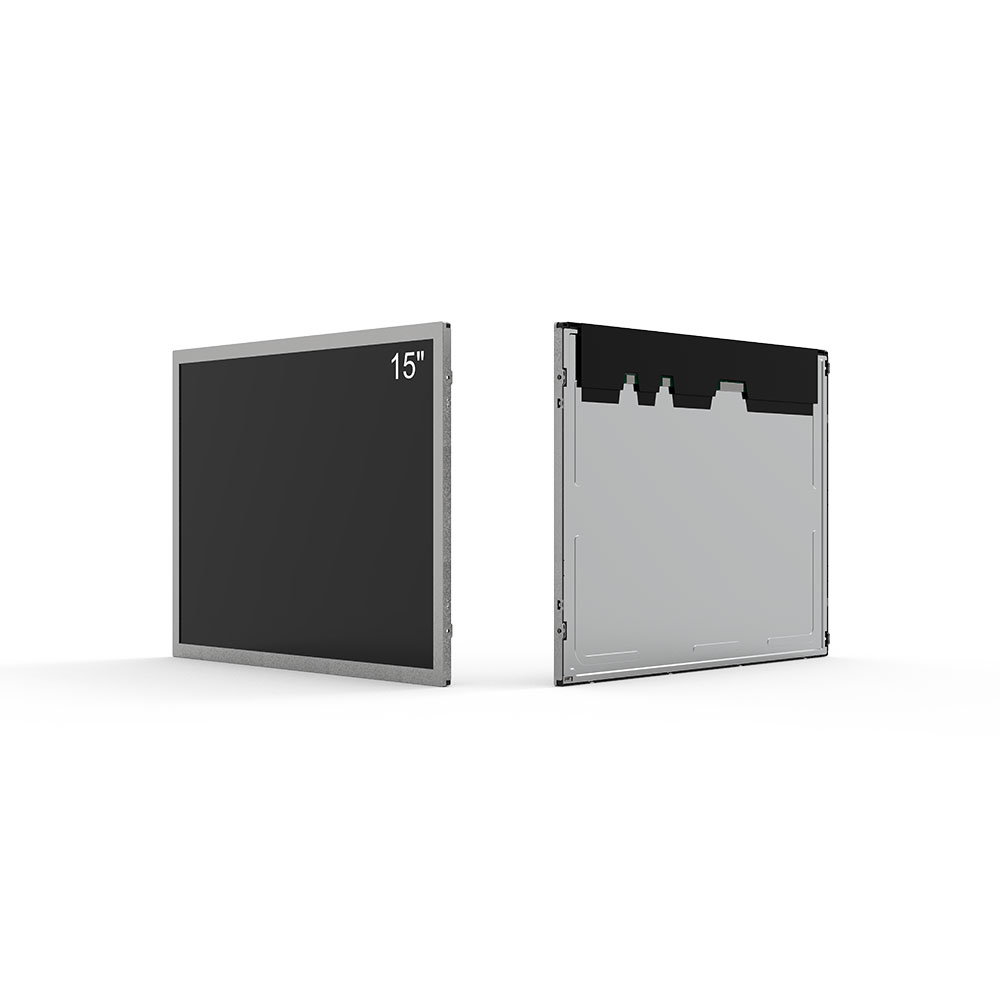
Manufacturers like EIZO, Planar, and Panasonic adhere to MIL-STD-810G standards for shock, vibration, temperature, and humidity resistance, ensuring durability in harsh environments. Additionally, some models incorporate touch functionality with glove-compatible sensors and IP65-rated enclosures for dust and water protection.
For system integrators, selecting the right size and brightness level depends on ambient lighting conditions, viewing distance, and intended use case. A 10.1" unit may suffice for a soldier’s handheld GPS device, but a 98" display would be necessary for large-scale situational awareness in a battlefield command center. With ongoing innovations in OLED and micro-LED technologies, future generations of sunlight-readable displays will offer even higher contrast ratios, lower power draw, and wider operating temperatures—making them indispensable for next-gen IoT, autonomous vehicles, and smart infrastructure deployments.