RisingStar
- Home
- About Us
- Products
- News
- Video
- Contact
- Send Inquiry
Search
- Home
- About Us
- Products
- News
- Video
- Contact
- Send Inquiry
RisingStar
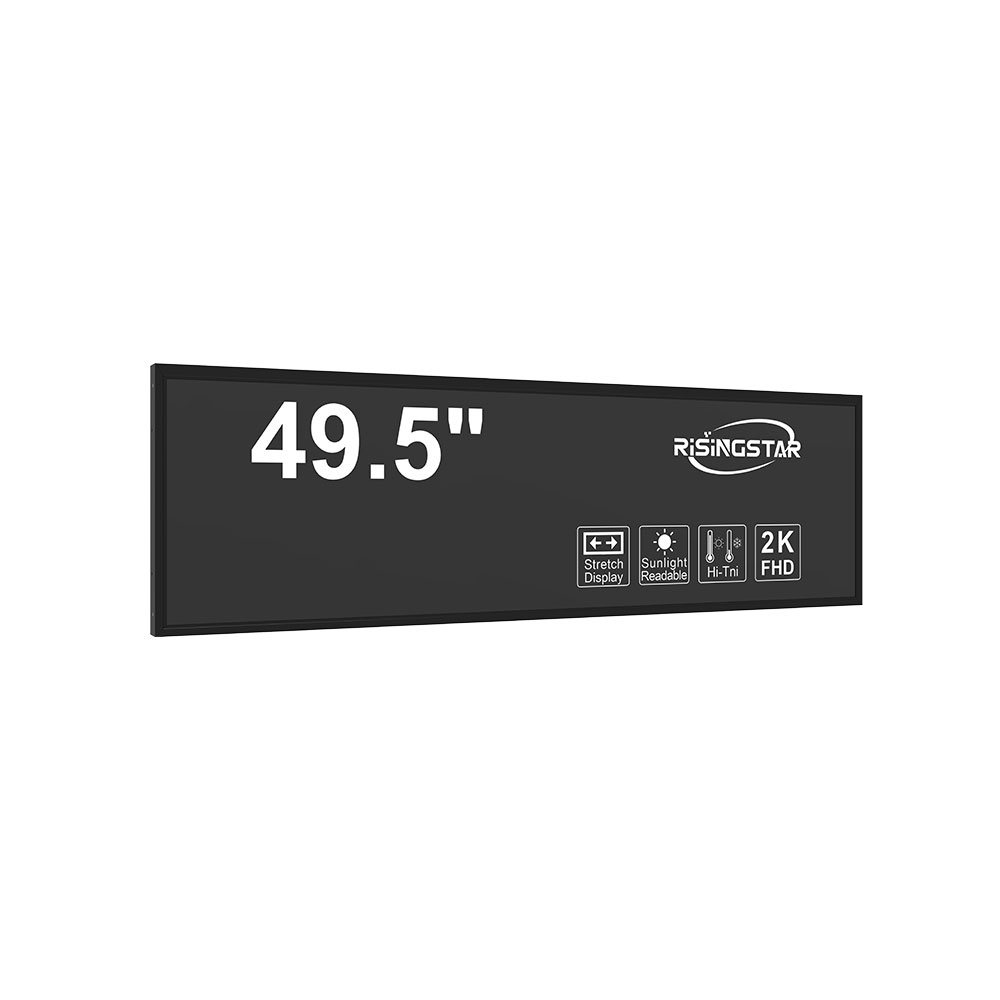
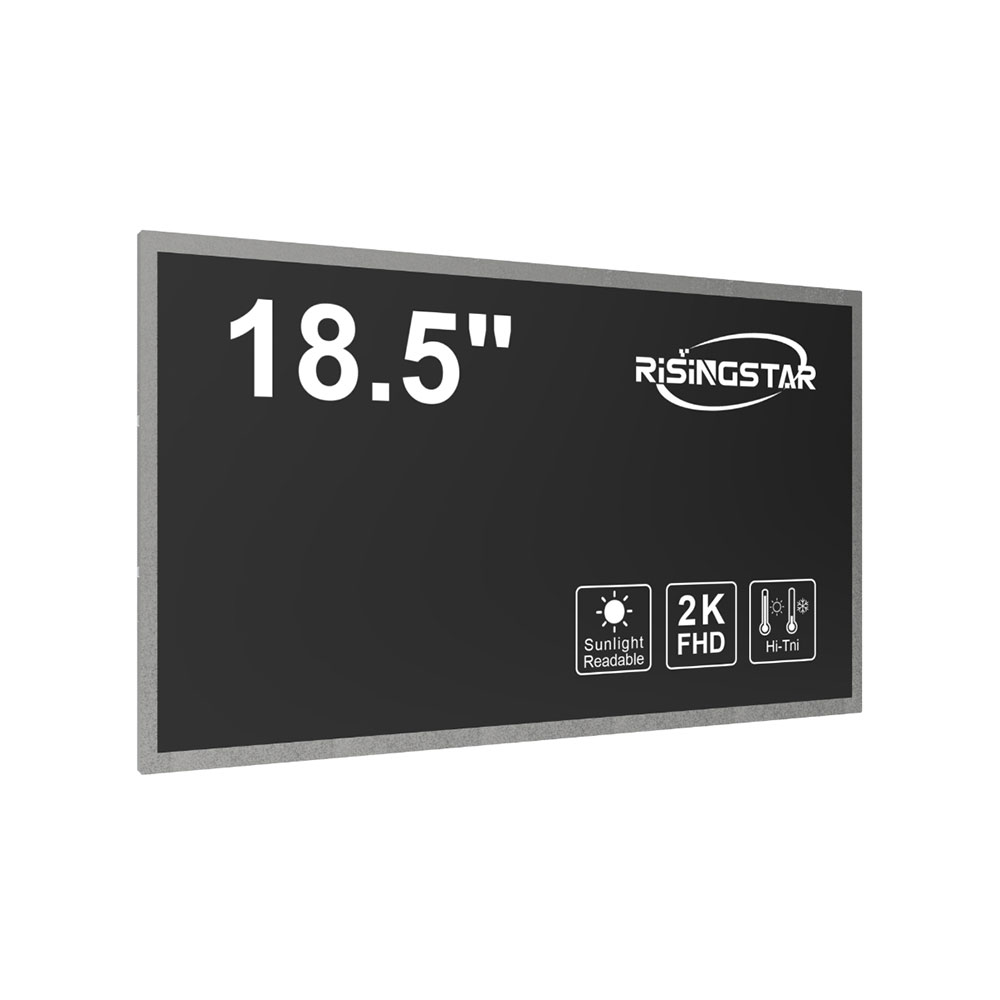
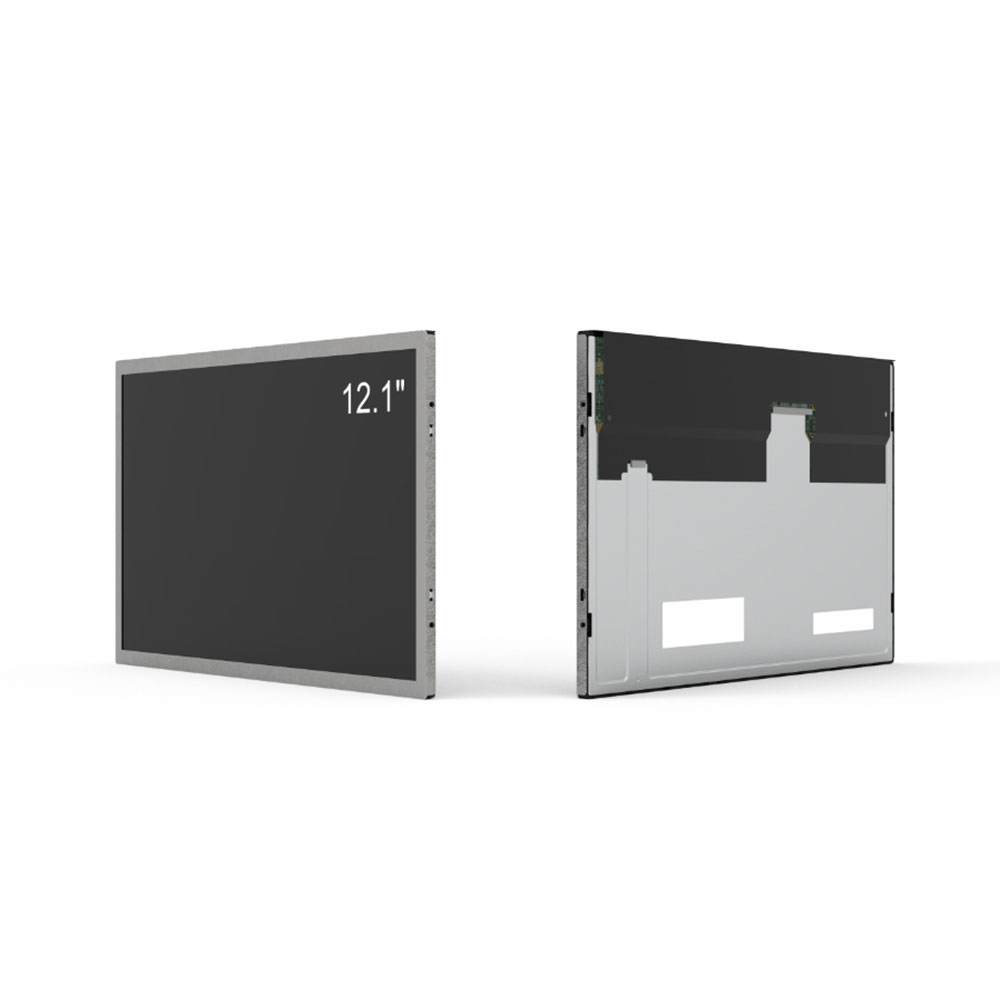
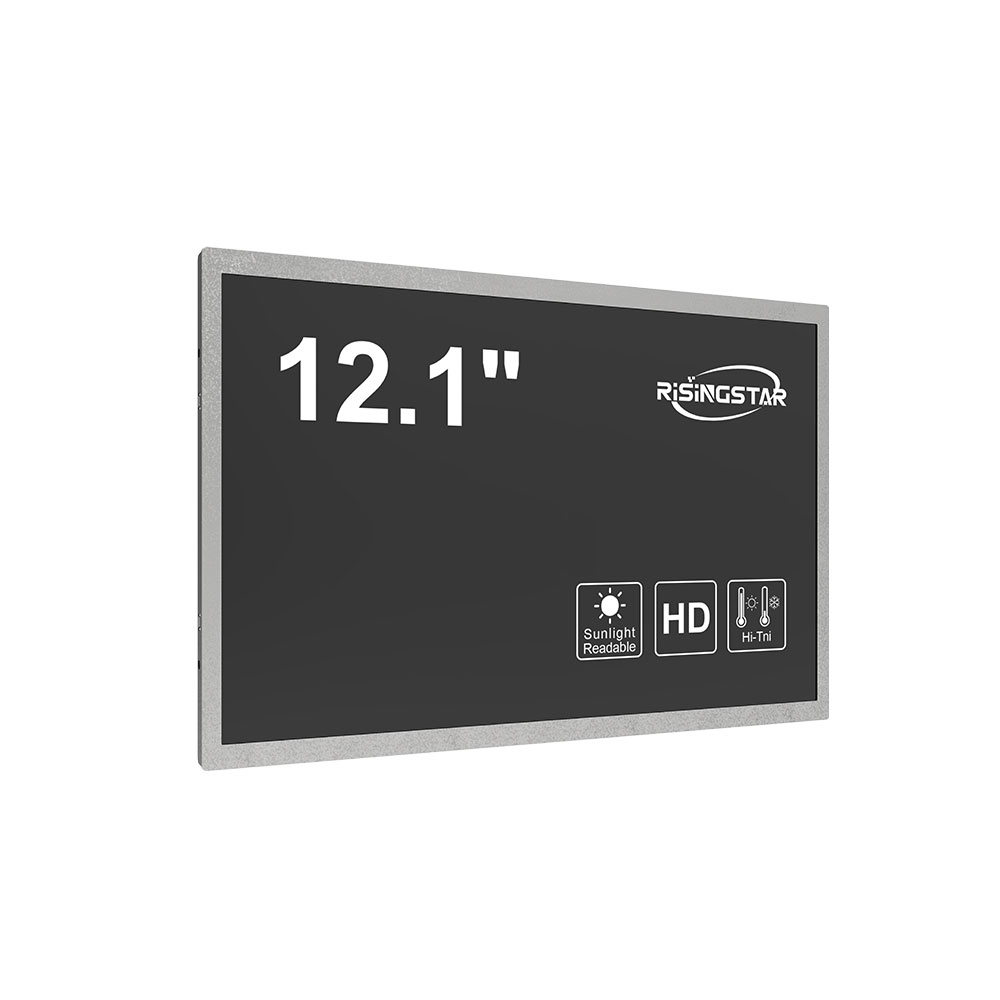
High-brightness sunlight-readable LCD screens are a critical innovation in display technology, specifically engineered to maintain visibility under intense ambient lighting conditions such as direct sunlight. These displays are indispensable in military, industrial, transportation, and medical sectors where outdoor visibility and operational reliability are paramount. Unlike standard LCDs that suffer from glare and contrast loss in bright environments, sunlight-readable LCDs incorporate advanced optical engineering, high-luminance backlighting, and specialized coatings to ensure consistent performance in extreme lighting scenarios.
The core of a sunlight-readable LCD lies in its luminance output—typically ranging from 3,000 to 10,000 cd/m² (candela per square meter), compared to the 250–500 cd/m² of consumer-grade displays. This is achieved through high-efficiency LED backlights, often using multiple layers of diffusers and brightness enhancement films (BEFs) to maximize light extraction. According to IEEE Transactions on Consumer Electronics (2022), modern high-brightness LCDs now utilize quantum dot-enhanced LEDs (QLED) and micro-LED arrays to improve both brightness uniformity and energy efficiency while maintaining thermal stability—a key factor for long-term field deployment.
Another critical component is the anti-reflection (AR) coating applied to the screen surface. These nanostructured or multi-layer coatings reduce surface reflectance to below 1%, significantly minimizing glare. For instance, the U.S. Department of Defense’s MIL-STD-810G standard mandates that outdoor displays must remain readable at 10,000 lux or higher ambient light levels—an environment that would render most consumer screens unusable. Manufacturers like ELO Touch Systems, LG Display, and BAE Systems have successfully implemented these specifications in ruggedized panels used in military vehicles, command centers, and UAV control systems.
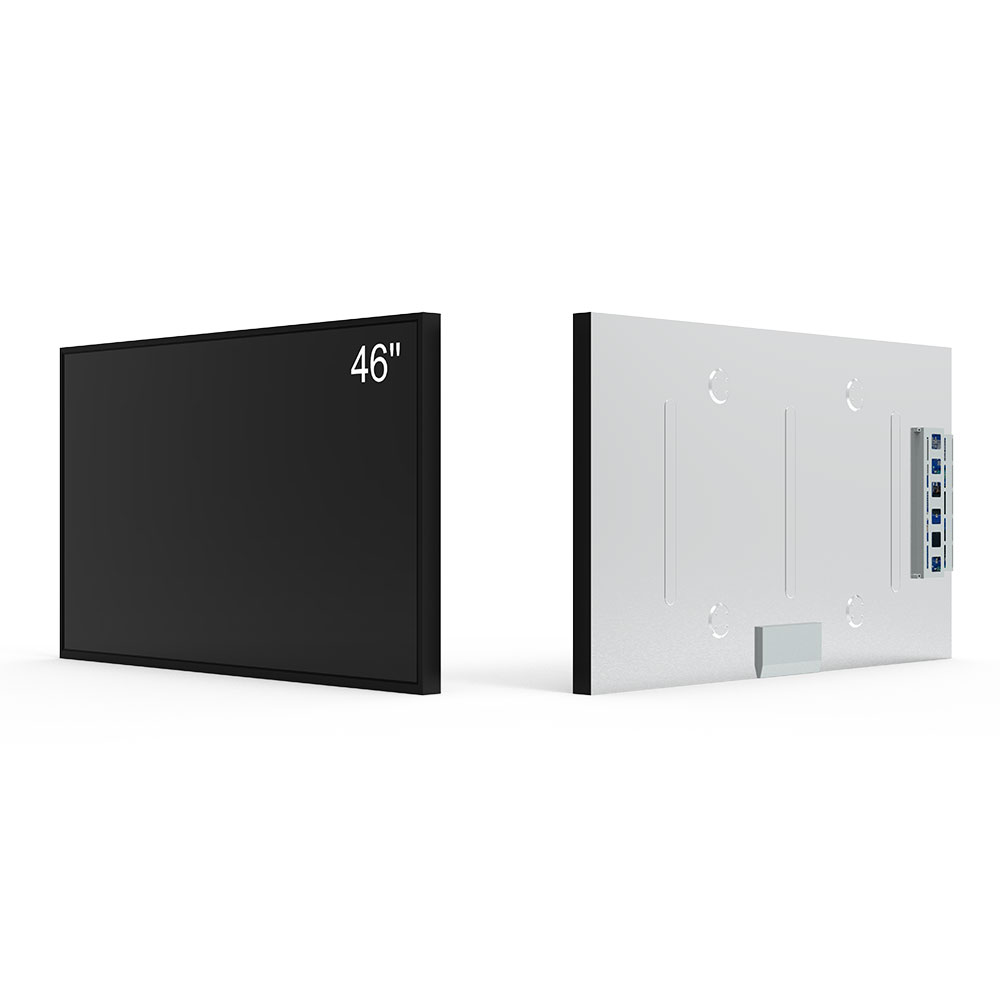
Furthermore, intelligent adaptive brightness control (ABC) systems dynamically adjust luminance based on ambient light sensors, preserving battery life without sacrificing readability. In solar-powered applications such as agricultural monitoring devices or remote weather stations, this feature extends operational duration by up to 40%, as demonstrated in a case study published by the International Journal of Industrial Engineering (2023). The integration of wide viewing angles (up to 178°) and fast response times (<16ms) ensures that operators can read critical data quickly and accurately, even under dynamic motion or vibration.
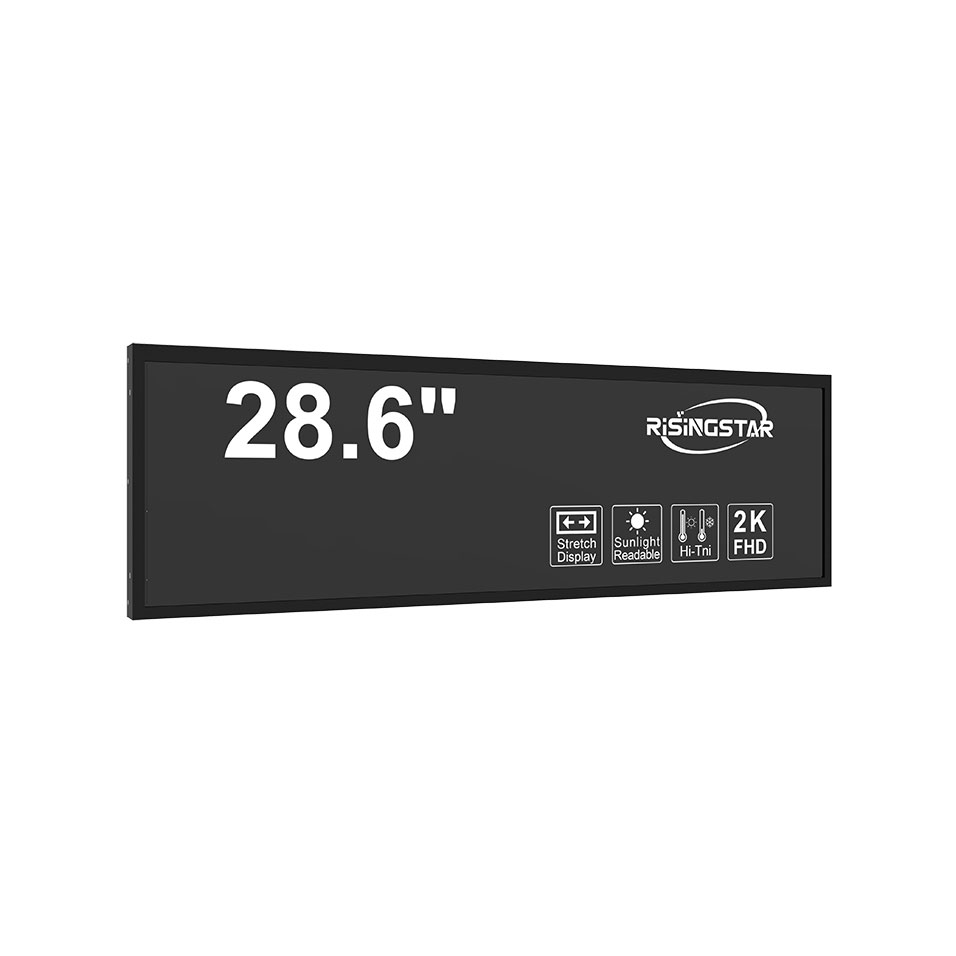
Sunlight-readable LCDs also benefit from robust packaging solutions. These include hardened glass (e.g., Gorilla Glass or Corning’s Dragontrail), IP65/IP67-rated enclosures, and cold-temperature tolerance down to -30°C, enabling use in arctic exploration, desert logistics, and maritime operations. A notable example is the deployment of 5,000 cd/m² displays on offshore oil rigs in the North Sea, where visibility during midday sun and nighttime operations remains uninterrupted thanks to adaptive white balance algorithms.
As global demand for reliable outdoor digital interfaces grows—from smart city infrastructure to autonomous vehicle dashboards—the evolution of sunlight-readable LCDs continues to be driven by standards such as ISO 9241-31 (Human-centered design for interactive systems) and EN 60068-2-1 (Environmental testing). Industry leaders now focus on reducing power consumption, improving color accuracy in high-ambient light, and integrating touch functionality without compromising durability. With continued R&D investments and cross-industry collaboration, high-brightness sunlight-readable LCDs are set to become the de facto standard for all outdoor digital communication platforms.