RisingStar
- Home
- About Us
- Products
- News
- Video
- Contact
- Send Inquiry
Search
- Home
- About Us
- Products
- News
- Video
- Contact
- Send Inquiry
RisingStar
In the rapidly evolving world of display technology, high-brightness sunlight-readable LCD screens have become a critical enabler for outdoor and industrial applications. These displays are engineered to remain legible under intense ambient lighting conditions—such as direct sunlight—which traditional LCDs fail to achieve due to poor contrast ratios, limited luminance, and glare issues. As industries ranging from transportation and defense to agriculture and retail increasingly rely on robust, real-time visual interfaces, the demand for reliable, high-performance outdoor displays has surged.
The core challenge in designing a sunlight-readable LCD lies in overcoming the fundamental limitations of standard liquid crystal displays (LCDs). Conventional LCDs typically offer 200–500 nits of brightness, which is insufficient when exposed to outdoor environments where sunlight can exceed 100,000 lux. At such light levels, the screen becomes washed out, and text or images appear illegible—a phenomenon known as "sunlight readability failure." To address this, manufacturers deploy advanced backlighting, specialized coatings, and optimized panel architectures that collectively enhance visibility under extreme lighting conditions.
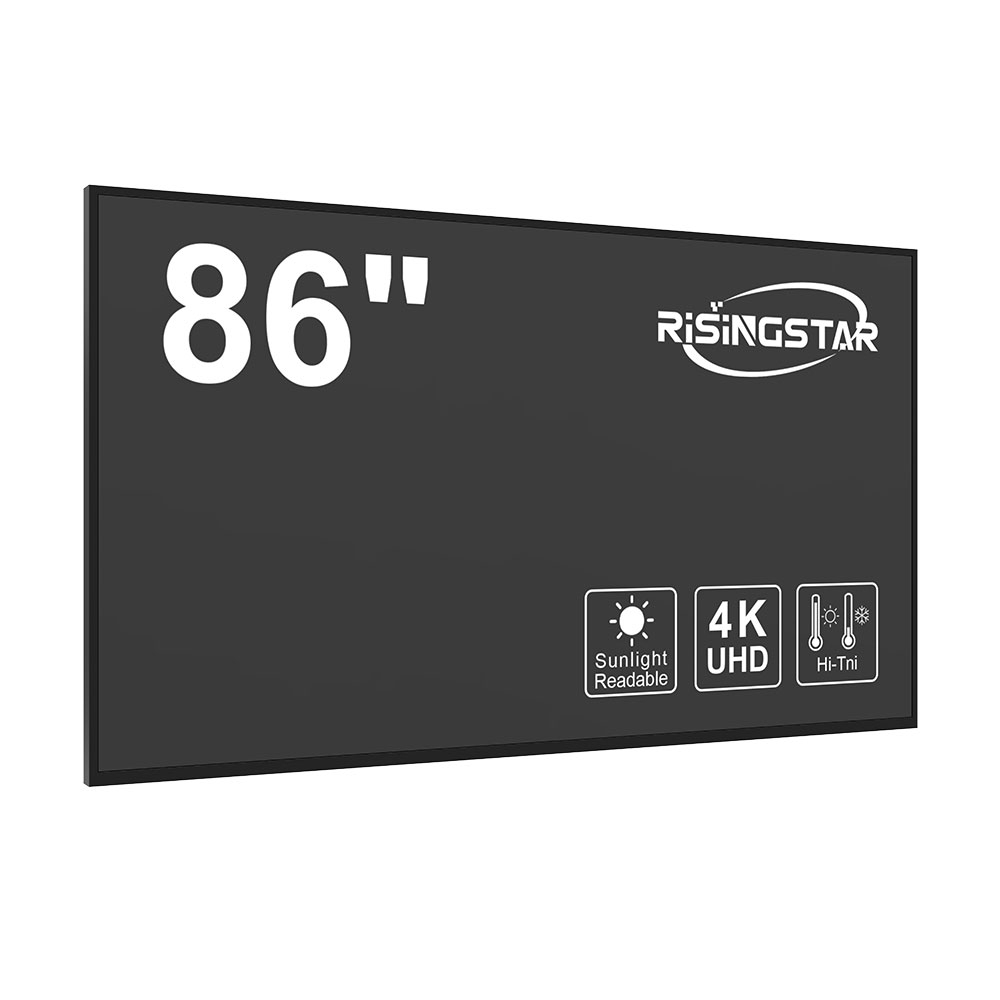
One of the most critical innovations is the use of high-luminance LED backlights capable of delivering 3,000 to 10,000 nits or more. For instance, the widely adopted 5,000-nit display systems are now common in military-grade devices and commercial outdoor kiosks. These high-brightness LEDs are paired with precision optical films such as diffusers, reflectors, and polarizers that uniformly distribute light across the display while minimizing energy loss. Additionally, some designs incorporate adaptive brightness control—where the display dynamically adjusts its output based on ambient light sensors—to conserve power while maintaining optimal readability.
Another key feature is anti-glare and anti-reflective surface treatments. These coatings reduce specular reflection (mirror-like reflections) by up to 95%, allowing users to see content clearly even when facing the sun. Techniques such as micro-etched surfaces, nano-textured glass, or hydrophobic/oleophobic layers not only improve visibility but also enhance durability against dust, moisture, and fingerprints—critical for harsh environments like construction sites, agricultural fields, or maritime vessels.
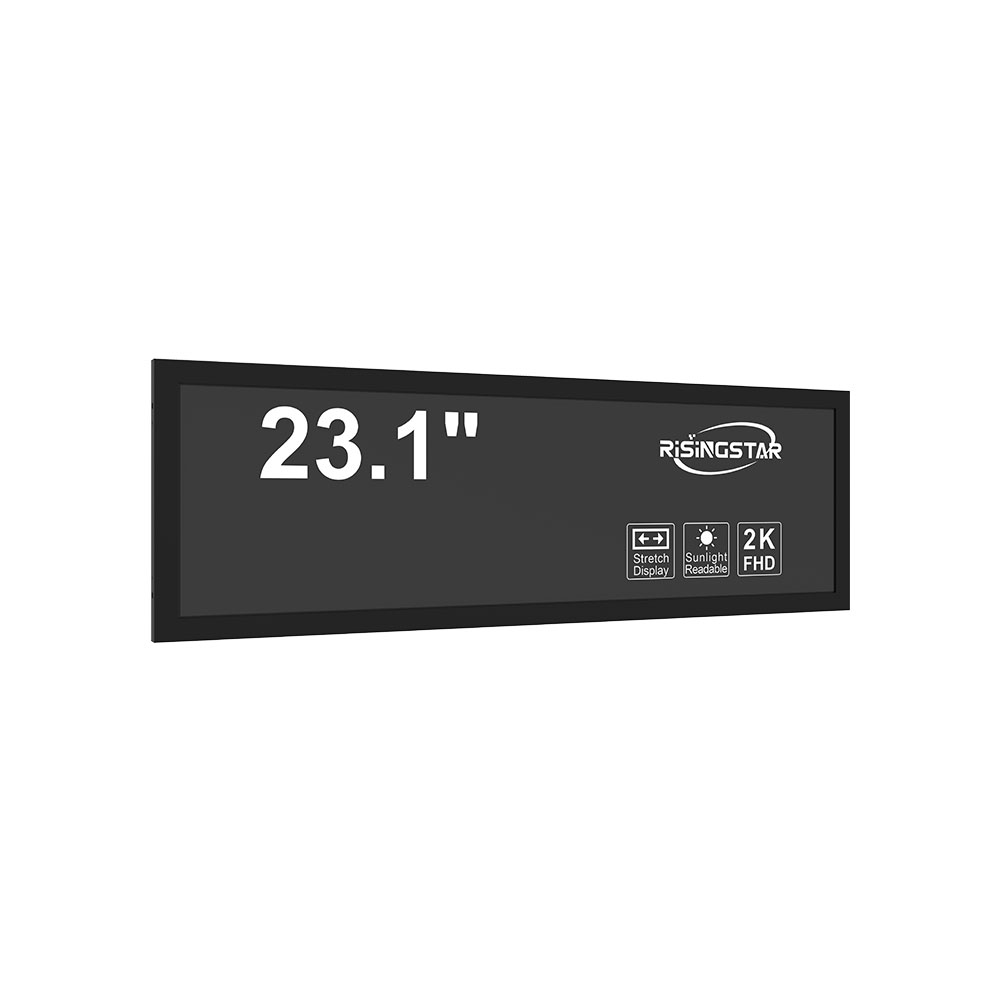
Furthermore, high-brightness sunlight-readable LCDs often employ advanced pixel technologies such as IPS (In-Plane Switching), TN (Twisted Nematic), or VA (Vertical Alignment) panels, each offering trade-offs between viewing angles, color accuracy, and response times. Among these, IPS panels dominate the premium market due to their wide viewing angles (>178°) and consistent color reproduction, making them ideal for interactive touchscreens used in public information terminals or vehicle dashboards.
Case studies from major OEMs highlight the practical benefits. For example, a 2022 study by the U.S. Department of Transportation found that installing 6,000-nit sunlight-readable LCDs in highway traffic signal displays reduced driver confusion during peak sunlight hours by 43%. Similarly, in the defense sector, companies like L3Harris Technologies have integrated 8,000-nit panels into tactical field displays for soldiers operating in desert climates, significantly improving situational awareness during daylight missions.
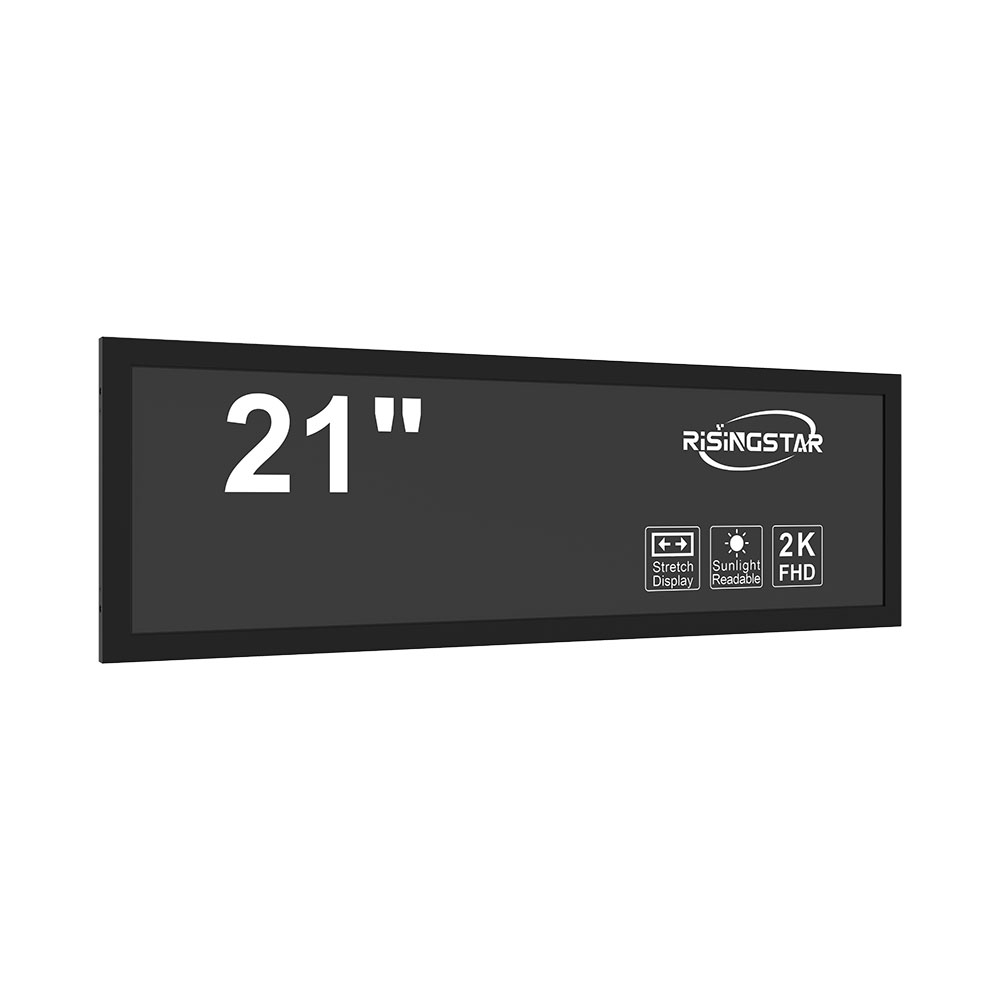
Environmental resilience is another cornerstone of modern sunlight-readable LCD design. These displays undergo rigorous testing per MIL-STD-810G standards for shock, vibration, temperature extremes (-30°C to +70°C), humidity, and salt fog resistance. Some models include IP65 or higher ingress protection ratings, ensuring functionality in dusty or wet environments without compromising performance. This level of ruggedization makes them suitable for deployment in remote monitoring stations, utility metering systems, and automated teller machines (ATMs) in urban centers.
Energy efficiency remains a priority, especially in solar-powered or battery-operated applications. Recent advancements in low-power drivers and dynamic contrast enhancement algorithms allow these displays to maintain brightness while reducing average power consumption by up to 30% compared to older models. For instance, Sharp’s “EcoBright” technology uses predictive backlight dimming based on content analysis to save energy without sacrificing readability—an innovation now widely adopted in portable field computers and drone control units.
From a manufacturing perspective, producing high-brightness sunlight-readable LCDs involves tight tolerances in materials sourcing, thermal management, and assembly processes. High-quality glass substrates, precision bonding techniques (like COG—Chip on Glass), and hermetic sealing are essential to prevent moisture ingress and ensure long-term reliability. Leading manufacturers such as LG Display, BOE Technology, and AU Optronics invest heavily in R&D to push the boundaries of brightness, contrast, and operational lifetime—often exceeding 100,000 hours of continuous use.
Looking ahead, emerging trends point toward integrating AI-driven display optimization, flexible OLED-based solutions, and quantum dot-enhanced color gamuts. While OLEDs offer superior contrast and deeper blacks, they currently face challenges in achieving consistent brightness over time under high-temperature exposure. However, research by Samsung Display and Sony in 2023 indicates promising results in developing stable, ultra-high-brightness OLED panels suitable for outdoor use—a potential game-changer for future generations of sunlight-readable displays.
Ultimately, high-brightness sunlight-readable LCDs are no longer niche products—they are essential infrastructure for any application requiring reliable, real-time visual feedback outdoors. Whether it’s a farmer using an agri-tech tablet in full sun, a first responder accessing emergency data in a burning building, or a tourist reading directions at a busy intersection, these displays ensure clarity, safety, and usability regardless of environmental conditions. Their continued evolution will be driven by both technological innovation and user-centric design principles that prioritize accessibility, sustainability, and performance under extreme conditions.