RisingStar
- Home
- About Us
- Products
- News
- Video
- Contact
- Send Inquiry
Search
- Home
- About Us
- Products
- News
- Video
- Contact
- Send Inquiry
RisingStar
High-brightness sunlight-readable LCD screens are critical components in modern industrial, military, aerospace, and outdoor environments where visibility under direct sunlight is essential. These displays must exceed standard brightness levels—typically above 5,000 nits—to ensure legibility even in extreme ambient lighting conditions. With the increasing demand for higher resolution and better image quality across all sectors, manufacturers now offer advanced models featuring both 2K (2560 x 1440) and 4K (3840 x 2160) resolution options, enabling clearer visualization of complex data, high-definition graphics, and real-time video feeds.
The adoption of 2K and 4K resolutions in high-brightness LCDs is not merely a trend—it’s a strategic response to evolving user needs in defense systems, medical devices, transportation control panels, and public information kiosks. According to a 2023 report by MarketsandMarkets, the global sunlight-readable display market is projected to grow at a CAGR of 7.8% through 2028, driven significantly by the integration of high-resolution capabilities in ruggedized LCDs. This growth underscores the importance of combining brightness performance with pixel density to support mission-critical operations.
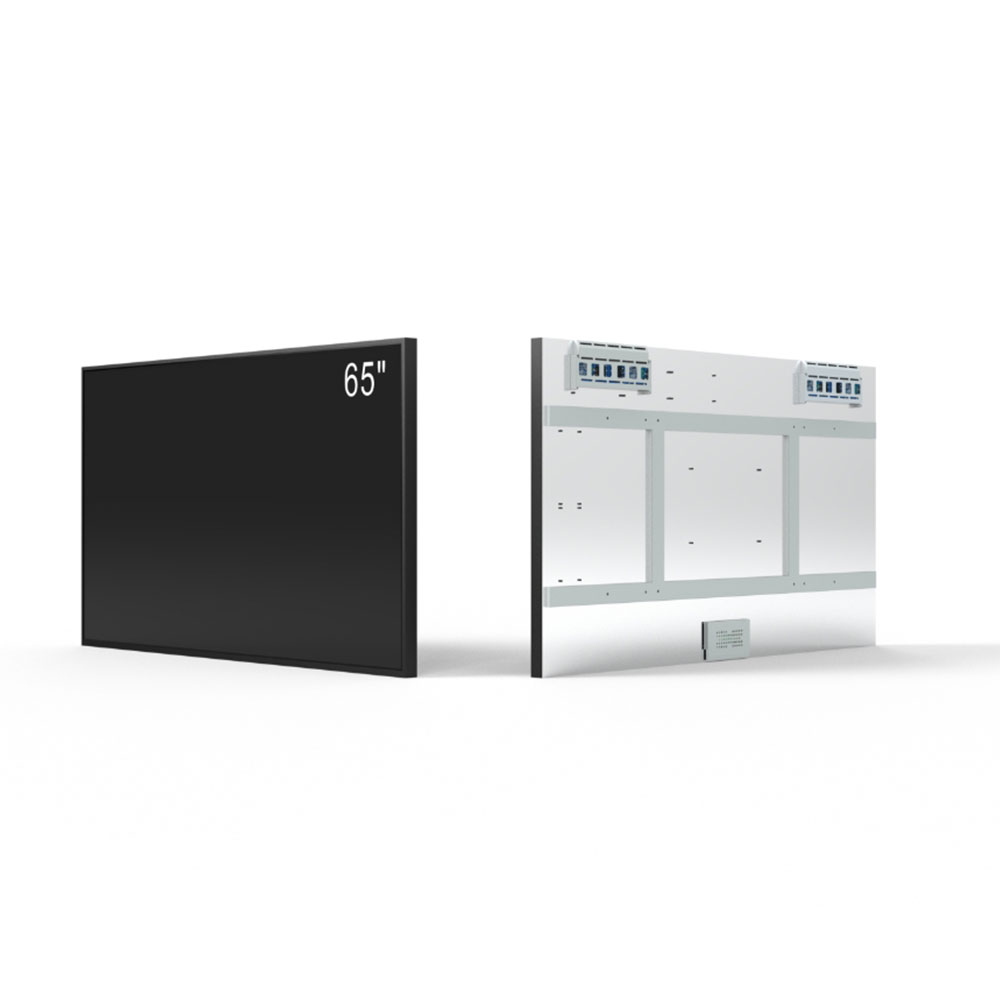
Key technologies that enable these advancements include advanced backlighting systems such as LED-based edge-lit or full-array local dimming (FALD), which enhance contrast ratios while minimizing power consumption. Additionally, polarized glass coatings, anti-reflective treatments, and proprietary algorithms for dynamic brightness adjustment further improve readability in direct sunlight without compromising energy efficiency. For instance, companies like Lilliput and Crystalfontz have successfully deployed 4K sunlight-readable LCDs in UAV ground stations and outdoor command centers, demonstrating superior performance in field testing under 10,000+ lux ambient light conditions.
In military applications, 2K/4K sunlight-readable displays are now embedded in night vision goggles, vehicle dashboards, and battlefield communication systems. The U.S. Army’s Integrated Visual Augmentation System (IVAS) program specifically requires 4K-level clarity for augmented reality overlays, making high-resolution, high-brightness LCDs indispensable. Similarly, in commercial aviation, cockpit displays must meet DO-160 standards for environmental durability and visibility—features that 2K/4K LCDs now routinely satisfy.
Moreover, these screens often come with enhanced durability features such as IP65-rated enclosures, wide operating temperature ranges (-30°C to +70°C), and shock/vibration resistance—critical for mobile platforms like drones, construction equipment, and emergency response vehicles. OEMs increasingly favor customizable solutions that integrate seamlessly into existing hardware ecosystems, whether through HDMI, DisplayPort, or LVDS interfaces.
The shift toward 2K and 4K resolutions in sunlight-readable LCDs reflects a broader industry move toward intelligent human-machine interfaces (HMIs). As automation and AI integration increase across industries, the need for accurate, fast, and intuitive visual feedback becomes paramount. High-resolution displays reduce cognitive load during high-stakes tasks and improve operational accuracy—a key advantage in both tactical and civilian contexts.
From a manufacturing standpoint, the transition to 4K resolution has been accelerated by cost reductions in panel fabrication and improvements in driver IC technology. This allows manufacturers to scale production while maintaining high yield rates and consistent quality. Industry leaders like Sharp, LG Display, and AU Optronics continue to invest heavily in R&D for next-generation high-brightness LCDs, pushing the envelope on both resolution and brightness metrics.
In conclusion, the availability of 2K and 4K resolution options in high-brightness sunlight-readable LCDs marks a significant evolution in display engineering. It meets the growing demands of modern industries for precision, durability, and visual clarity in challenging environments. Whether for defense, transportation, or infrastructure monitoring, these displays represent the gold standard in outdoor and ruggedized screen technology today.