 RisingStar
- Home
- About Us
- Products
- News
- Video
- Contact
- Send Inquiry
Search
- Home
- About Us
- Products
- News
- Video
- Contact
- Send Inquiry
RisingStar
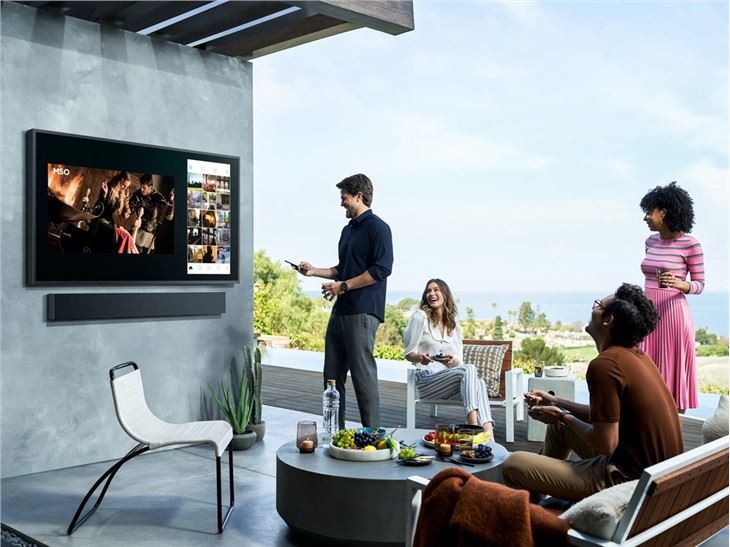
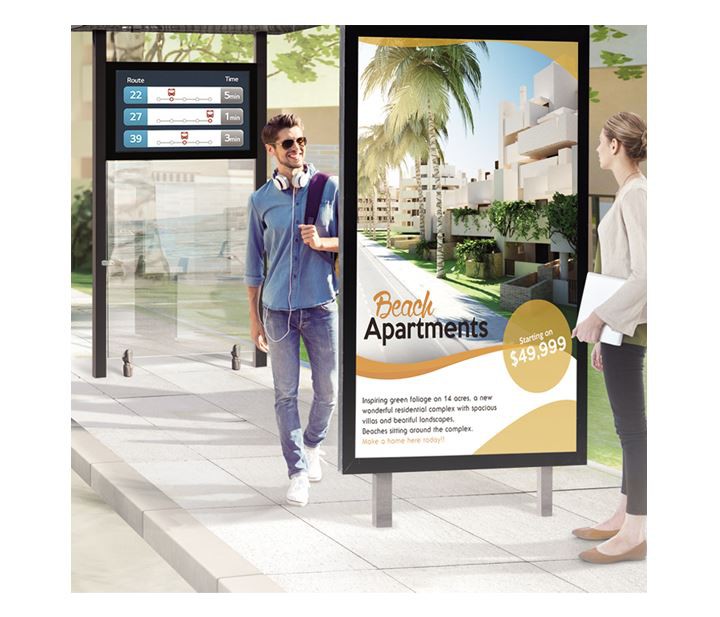
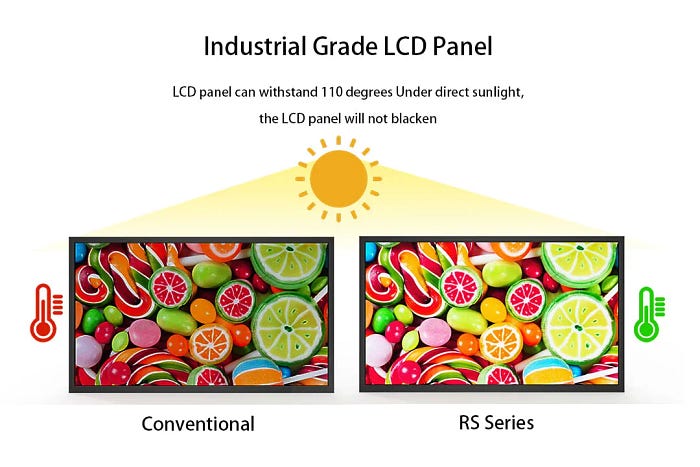
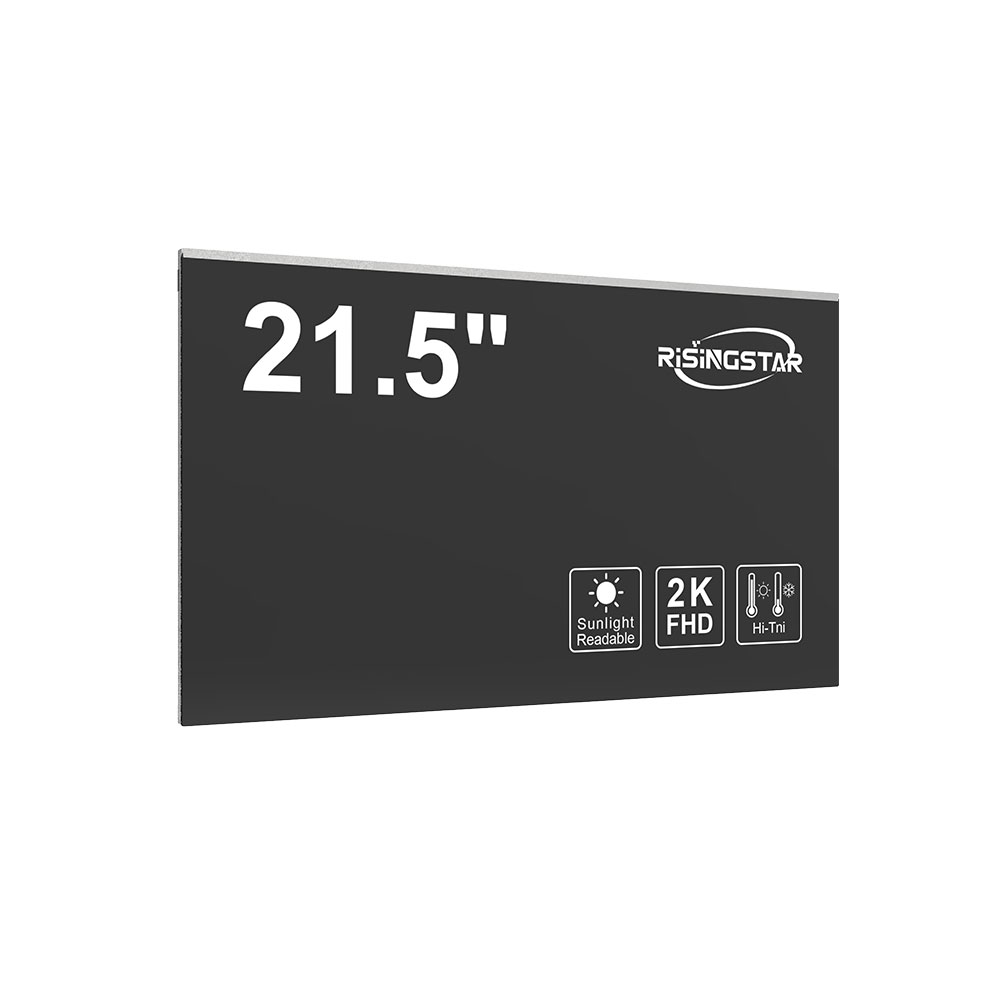
High-brightness sunlight-readable LCD screens are a critical innovation in modern display technology, especially for applications where visibility under direct sunlight is essential. These displays are engineered to maintain clarity and readability even in extreme lighting conditions—ranging from bright daylight (up to 10,000 lux) to harsh artificial lighting environments. Unlike standard LCDs, which often become unreadable in outdoor settings due to ambient light interference, sunlight-readable LCDs employ advanced optical design, high-luminance backlighting, and specialized coatings to ensure optimal performance.
The core of this technology lies in achieving a brightness level of at least 3,000 nits—far exceeding the typical 250–500 nits found in consumer-grade displays. According to industry standards such as MIL-STD-188-124 and ISO 9241-3, readability in outdoor environments requires luminance levels that exceed ambient light intensity by a factor of 2–3. High-brightness LCDs meet this requirement through the use of high-efficiency LED backlights and optical films like brightness enhancement films (BEFs) and diffusers optimized for wide viewing angles and minimal glare.
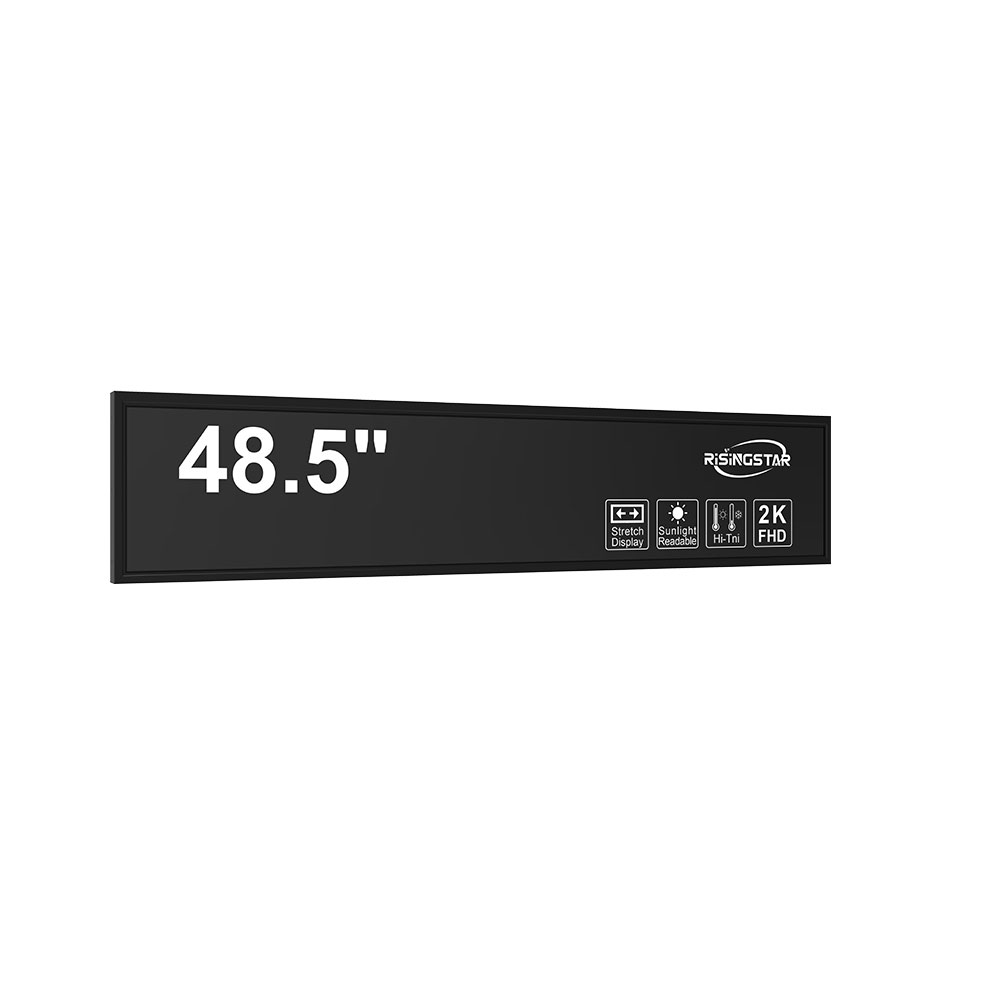
Manufacturers like Sharp, LG Display, and AU Optronics have developed proprietary technologies such as “Sunlight Readable” and “Outdoor-Grade” panels, which integrate anti-reflection (AR) coatings, polarizer enhancements, and adaptive brightness control algorithms. For instance, Sharp’s S1000 series achieves over 5,000 nits peak brightness while maintaining energy efficiency—a crucial consideration for battery-powered devices used in field operations.
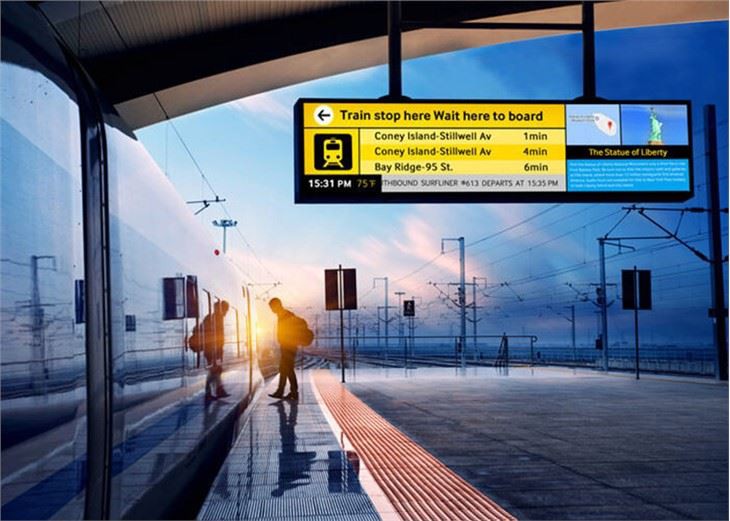
These displays are widely adopted in military, transportation, medical, and industrial sectors. In defense applications, ruggedized high-brightness LCDs are integrated into command-and-control systems, vehicle dashboards, and handheld communication devices. A case study by Raytheon Technologies in 2022 demonstrated a 60% improvement in situational awareness among soldiers using sunlight-readable displays compared to conventional screens during field exercises in desert environments.
In commercial contexts, companies like Garmin and Bosch utilize these screens in GPS navigation units and automotive infotainment systems. The automotive sector, in particular, has seen rapid adoption; according to a 2023 report by MarketsandMarkets, the global market for high-brightness automotive displays is projected to reach $12 billion by 2027, driven by increasing demand for digital instrument clusters and ADAS (Advanced Driver Assistance Systems).
Key technical components enabling sunlight readability include:
- High-luminance LED backlights (often mini-LED or micro-LED arrays)
- Anti-glare and anti-reflective coatings (e.g., nano-textured glass)
- Enhanced contrast ratio (typically >1000:1)
- Wide temperature range operation (-20°C to +70°C)
- IP65 or higher environmental sealing for dust/water resistance
Furthermore, advancements in software-based dynamic brightness adjustment and ambient light sensors allow real-time optimization of power consumption without sacrificing visibility—an important factor in mobile and portable devices.
In conclusion, high-brightness sunlight-readable LCD technology represents a mature yet evolving field that balances optical performance, durability, and energy efficiency. As industries continue to adopt more digital interfaces in outdoor and mobile settings, the demand for reliable, high-performance displays will only grow—making this technology indispensable for the future of human-machine interaction in diverse environments.