 RisingStar
- Home
- About Us
- Products
- News
- Video
- Contact
- Send Inquiry
Search
- Home
- About Us
- Products
- News
- Video
- Contact
- Send Inquiry
RisingStar
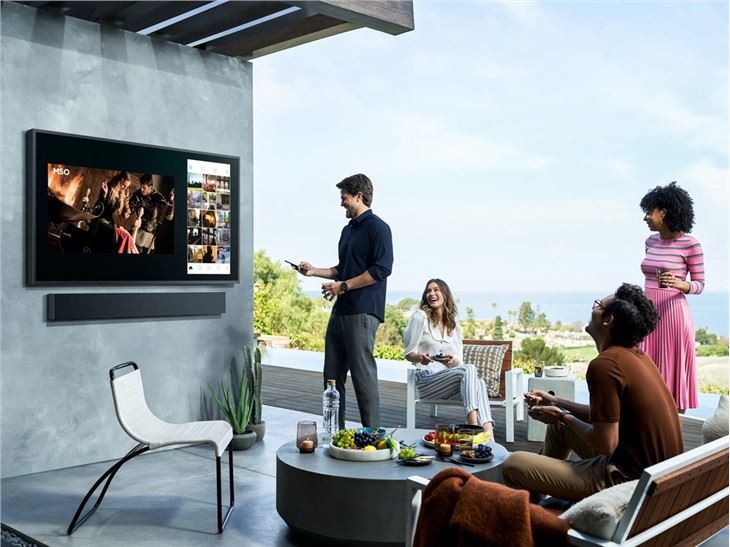
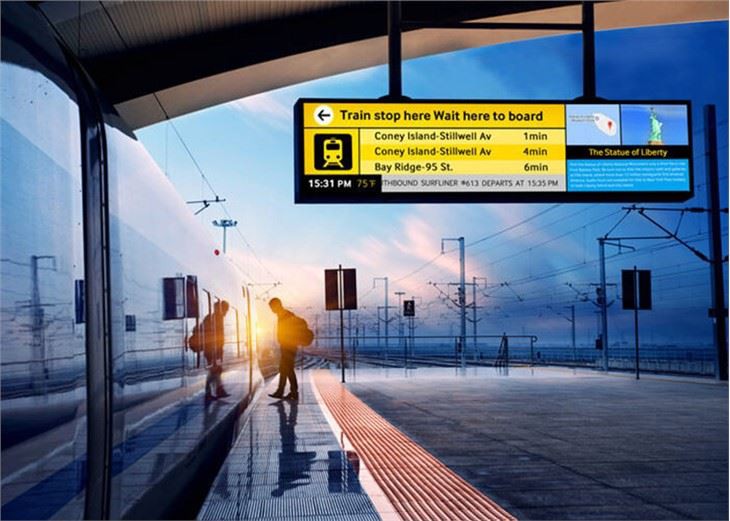
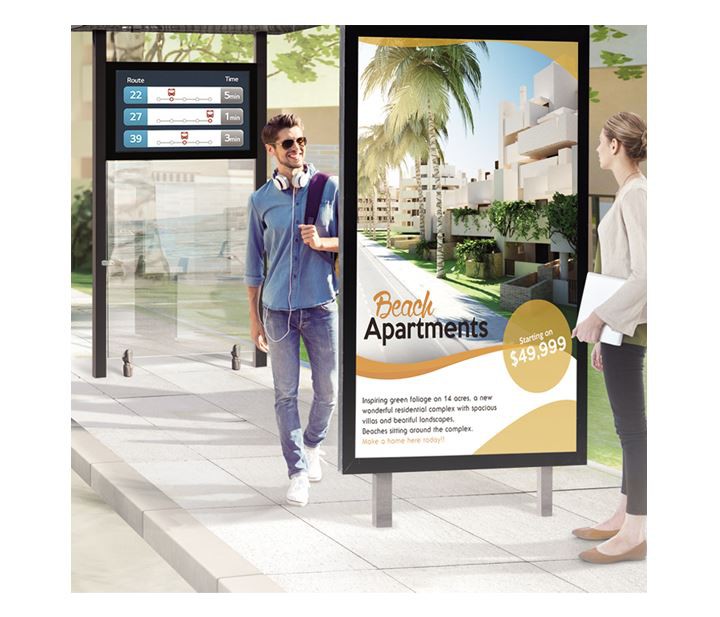
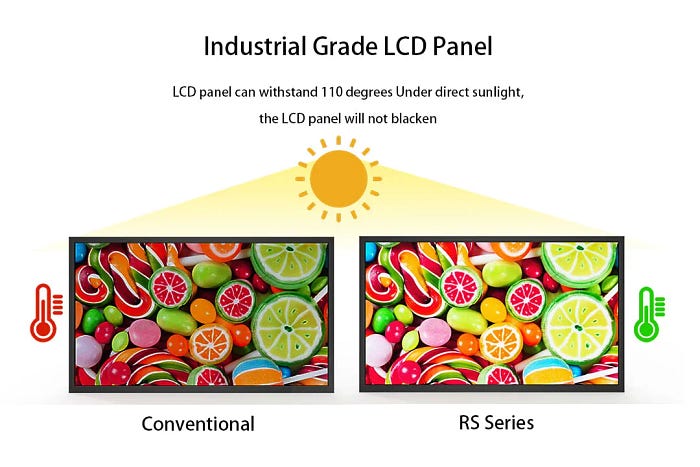
High brightness LCDs (Liquid Crystal Displays) are a critical component in modern electronic systems where visibility under direct sunlight or extreme ambient lighting is essential. These displays typically offer luminance levels of 3,000 cd/m² or higher—far exceeding the standard 250–500 cd/m² found in consumer-grade screens—ensuring readability in outdoor and industrial environments such as military equipment, automotive dashboards, aviation instrumentation, construction machinery, and public transit signage. The engineering behind high brightness LCDs involves not only advanced backlighting technologies like LED arrays with optical films but also optimized liquid crystal materials, polarization layers, and anti-glare coatings.
One of the primary challenges in achieving sunlight readability is managing glare and contrast ratio degradation under intense illumination. High-brightness LCDs address this by incorporating ambient light sensors that dynamically adjust screen brightness, reducing power consumption while maintaining clarity. Additionally, some models use transflective technology—combining reflective and transmissive modes—to enhance visibility in both bright and low-light conditions without relying solely on active backlights. This hybrid approach is especially effective in battery-powered devices like handheld field tools and tactical communication units.
Case studies from the U.S. Department of Defense highlight the deployment of high-brightness LCDs in ruggedized tablets used by soldiers in desert and jungle combat zones. These displays operate reliably at over 5,000 cd/m² and have demonstrated superior performance compared to conventional IPS panels, which often become unreadable under midday sun. Similarly, in the automotive industry, OEMs like Tesla and BMW integrate high-brightness LCDs into their infotainment systems, ensuring drivers can read navigation and vehicle status information even in full sunlight during long drives.
From an industry standards perspective, MIL-STD-810G and ISO 16750-3 provide guidelines for environmental durability, including temperature extremes (-40°C to +70°C), shock, vibration, and humidity resistance—requirements that high-brightness LCD modules must meet to be deployed in defense and transportation sectors. According to a 2023 report by MarketsandMarkets, the global high-brightness LCD market is projected to grow at a CAGR of 7.3% from 2023 to 2030, driven by increasing demand in smart cities, autonomous vehicles, and IoT-enabled industrial applications.
Manufacturers like Sharp, LG Display, and AU Optronics have pioneered innovations such as micro-lens arrays, edge-lit LED configurations, and enhanced polarizer stacks that improve brightness uniformity and reduce energy loss. These advancements are complemented by software-based calibration techniques that ensure consistent color accuracy across different viewing angles and ambient light conditions—a key requirement for medical diagnostics and professional imaging applications.
In summary, high brightness LCDs represent a convergence of materials science, optical engineering, and real-time adaptive control systems. Their role in enabling reliable human-machine interaction in demanding environments makes them indispensable across defense, mobility, and industrial sectors. As next-generation applications like AR/VR headsets and autonomous drones push the boundaries of display performance, high-brightness LCDs will remain a foundational technology—optimized for peak visibility, durability, and efficiency.