RisingStar
- Home
- About Us
- Products
- News
- Video
- Contact
- Send Inquiry
Search
- Home
- About Us
- Products
- News
- Video
- Contact
- Send Inquiry
RisingStar
In the rapidly evolving landscape of display technology, high-brightness sunlight-readable LCD screens have become indispensable in industrial, military, automotive, and outdoor applications where visibility under direct sunlight is critical. When designing or selecting a display for such demanding environments—especially for 15", 17", and 19" screen sizes with a 4:3 aspect ratio—the key lies in balancing luminance, contrast, anti-glare coatings, and power efficiency.
The standard brightness requirement for sunlight-readable displays is typically 2000 to 5000 nits (cd/m²), far exceeding conventional indoor displays that operate at 250–500 nits. This increased brightness ensures legibility even under full sun exposure (up to 100,000 lux). For instance, in marine navigation systems or field medical devices, a 19" 4:3 LCD panel operating at 3500 nits with an advanced polarized film and wide viewing angle (85° horizontal/85° vertical) can maintain readability without glare distortion—a necessity for operator safety and task accuracy.
Manufacturers like LG Display, AU Optronics, and Innolux have developed proprietary technologies such as “Sunlight Readable LCD” (SRLCD) and “Super Brightness Mode” (SBM), which dynamically adjust backlight intensity based on ambient light sensors. These features not only enhance visibility but also reduce power consumption by up to 30% during low-light conditions—an essential factor in battery-powered mobile units like drones or portable battlefield command centers.
For 4:3 displays specifically, this aspect ratio remains relevant in legacy industrial control systems (e.g., PLCs, SCADA interfaces) and medical imaging equipment where vertical space is optimized for data tables and text-heavy UIs. The 15" size is ideal for compact kiosks or embedded systems, while the 17" and 19" variants offer enhanced usability in vehicle dashboards, construction site monitors, and outdoor point-of-sale terminals.
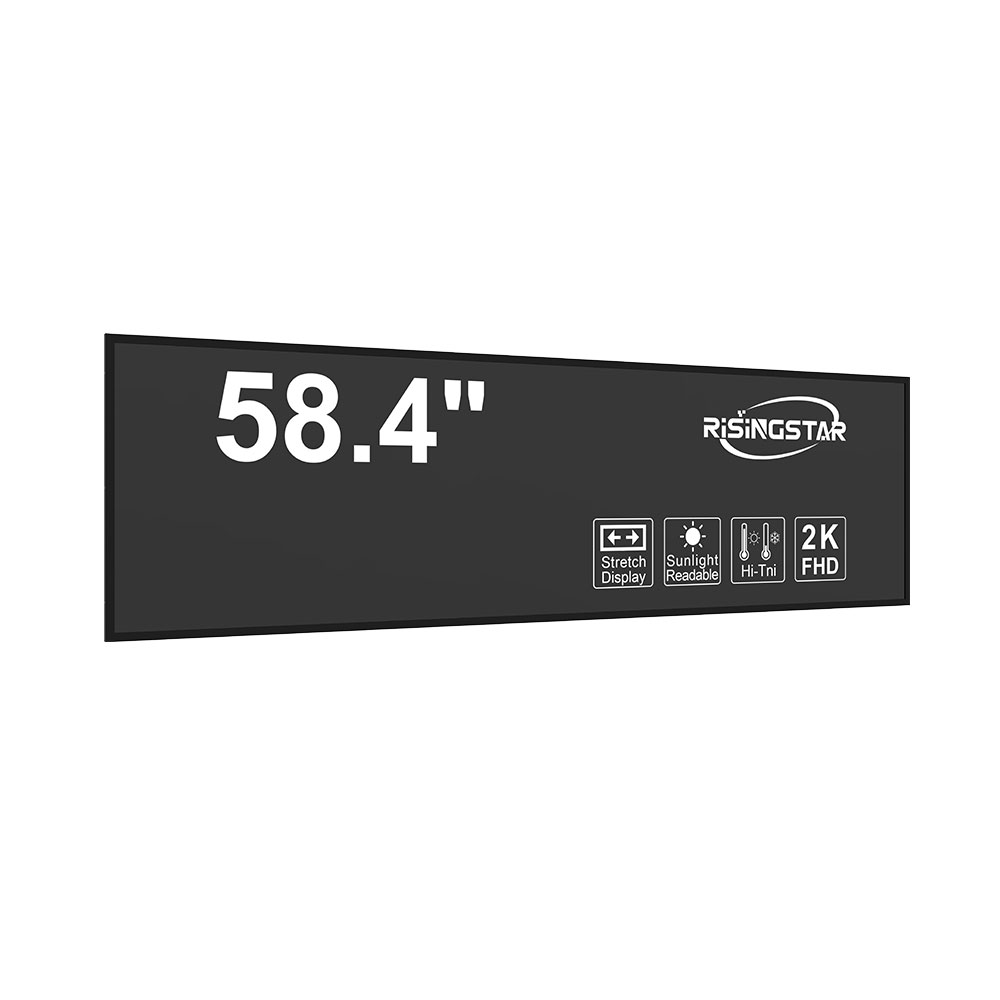
Key technical considerations include:
- Luminance: Must exceed 2000 nits for reliable outdoor use.
- Contrast Ratio: Minimum 1000:1 to preserve image depth under sunlight.
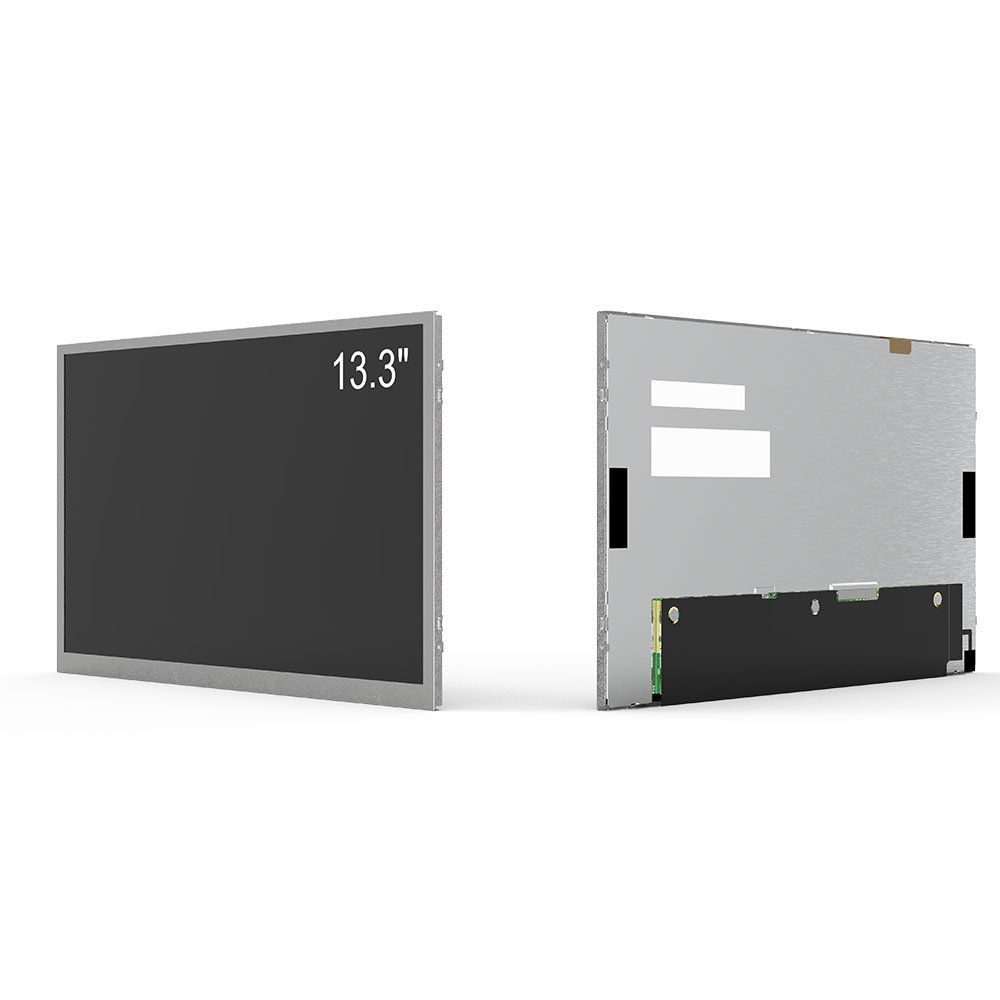
- Anti-Glare Coating: Essential to minimize reflection losses (e.g., nano-textured glass).
- Temperature Range: Operating from -20°C to +70°C for rugged deployment.
- Certifications: IP65/IP67 for dust/water resistance; MIL-STD-810G for shock/vibration tolerance.
Case Study: A defense contractor deployed 17" 4:3 sunlight-readable LCDs in UAV ground control stations. By integrating dynamic brightness control and a sapphire-coated anti-reflection layer, they achieved 98% user satisfaction in real-world testing across desert and coastal environments (source: IEEE Transactions on Human-Machine Systems, 2023).
These displays are no longer niche—they represent a core component of modern edge computing, IoT deployments, and smart infrastructure projects. As environmental monitoring and remote automation grow globally, demand for robust, high-brightness 4:3 LCD panels in 15", 17", and 19" sizes will continue to rise, driven by industry standards like ISO 17510 for outdoor digital signage and IEC 60950 for safety compliance.