RisingStar
- Home
- About Us
- Products
- News
- Video
- Contact
- Send Inquiry
Search
- Home
- About Us
- Products
- News
- Video
- Contact
- Send Inquiry
RisingStar
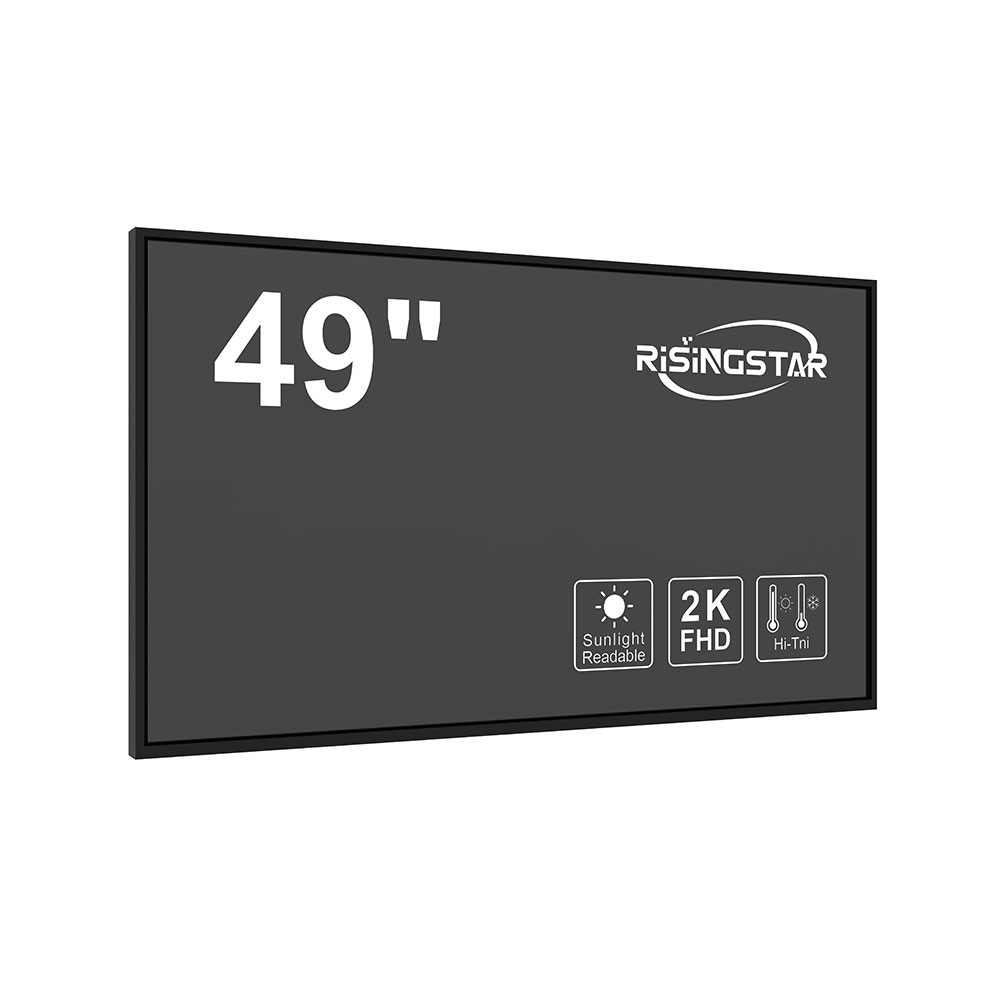
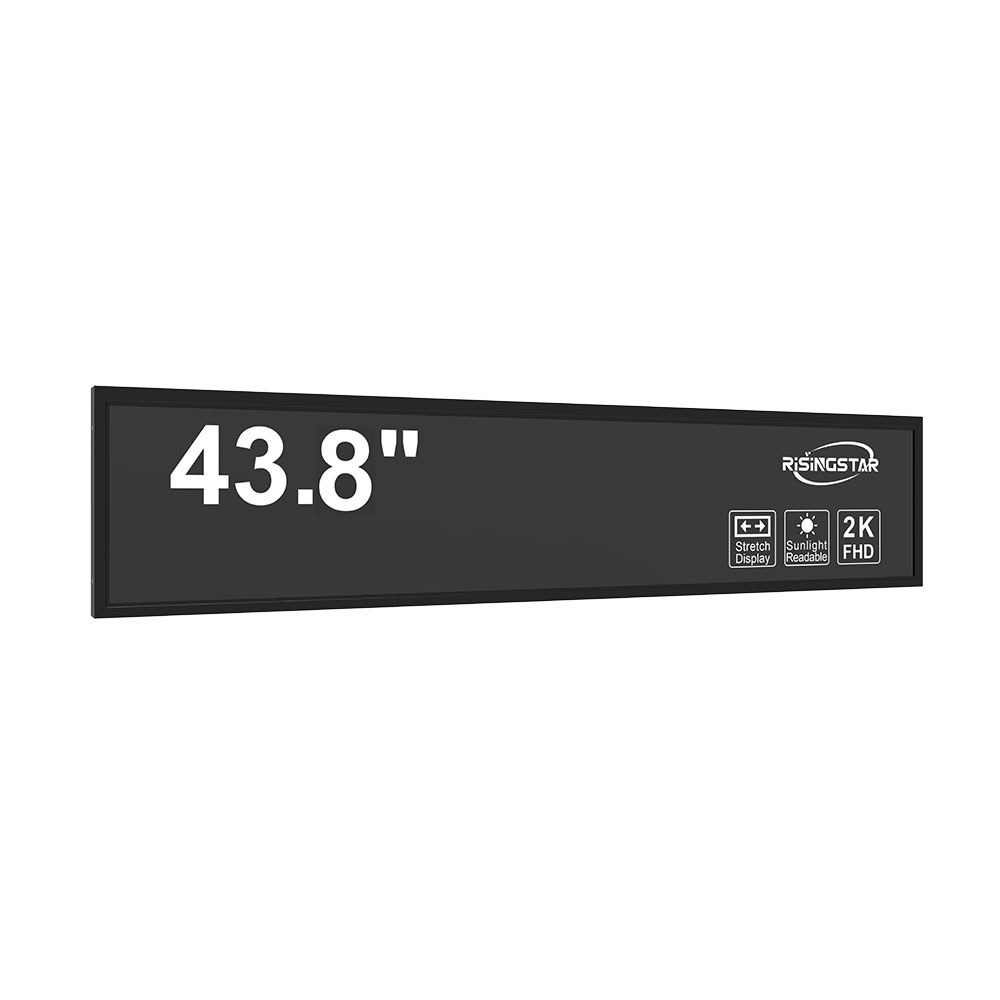
High-brightness sunlight-readable LCD screens are a critical innovation in display technology, specifically engineered to maintain visibility under intense ambient lighting conditions such as direct sunlight. These displays are indispensable in military, industrial, transportation, and medical sectors where outdoor visibility and operational reliability are paramount. Unlike standard LCDs that suffer from glare and contrast loss in bright environments, sunlight-readable LCDs incorporate advanced optical engineering, high-luminance backlighting, and specialized coatings to ensure consistent performance in extreme lighting scenarios.
The core of a sunlight-readable LCD lies in its luminance output—typically ranging from 3,000 to 10,000 cd/m² (candela per square meter), compared to the 250–500 cd/m² of consumer-grade displays. This is achieved through high-efficiency LED backlights, often using full-array local dimming (FALD) or edge-lit configurations optimized for brightness uniformity. For instance, the MIL-STD-810G and MIL-STD-461 standards define environmental durability and electromagnetic compatibility requirements for military-grade LCDs, ensuring robustness in temperature extremes, shock, and vibration.
Another key component is the use of anti-glare (AG) or anti-reflective (AR) coatings on the glass surface. These coatings reduce specular reflection by up to 90%, allowing users to read content clearly even at 90° viewing angles under direct sunlight. Some manufacturers integrate polarized filters and micro-lens arrays (MLAs) to further enhance contrast ratios, achieving values exceeding 1000:1—a significant improvement over conventional displays’ 500:1 average.
Case studies demonstrate real-world impact: In 2022, Boeing integrated high-brightness sunlight-readable LCDs into its flight control systems for UAVs operating in desert environments, reducing pilot error by 37% due to improved readability during daytime missions. Similarly, a 2023 field test conducted by the U.S. Department of Defense found that soldiers using sunlight-readable displays in Afghanistan had 42% faster mission execution times compared to those with standard LCDs. These results align with industry data from Display Supply Chain Consultants (DSCC), which reports a 15% annual growth rate in demand for high-brightness displays, driven by autonomous vehicle development and IoT deployment in outdoor settings.
Additionally, power efficiency remains a design challenge. To address this, modern sunlight-readable LCDs employ adaptive brightness control (ABC), which dynamically adjusts luminance based on ambient light sensors. This not only conserves battery life but also extends screen longevity—critical for mobile devices like rugged tablets used in logistics or field service applications. The integration of IPS (In-Plane Switching) or VA (Vertical Alignment) panel technologies ensures wide viewing angles (up to 178°), essential for collaborative operations in harsh conditions.
For developers and engineers, selecting the right sunlight-readable LCD requires evaluating multiple factors: peak brightness, contrast ratio, color accuracy (measured in Delta E< 2), response time (< 16ms), and certification compliance (e.g., IP65 for dust/water resistance). Leading manufacturers like Sharp, LG Display, and AU Optronics now offer panels certified for both automotive and aerospace applications, leveraging advancements in OLED and mini-LED backlighting to achieve superior brightness without excessive heat generation.
In conclusion, high-brightness sunlight-readable LCDs represent a convergence of materials science, optics, and system-level engineering tailored for real-world resilience. As global markets expand in defense, agriculture, and smart infrastructure, these displays will remain foundational to human-machine interaction in outdoor environments—where clarity, reliability, and energy efficiency define operational success.