RisingStar
- Home
- About Us
- Products
- News
- Video
- Contact
- Send Inquiry
Search
- Home
- About Us
- Products
- News
- Video
- Contact
- Send Inquiry
RisingStar
In today’s industrial and outdoor electronics landscape, the demand for reliable, sunlight-readable displays that can withstand extreme environmental conditions is growing rapidly. One of the most critical specifications in this domain is IP66 waterproof rating — a standard defined by the International Electrotechnical Commission (IEC) that ensures complete protection against dust ingress and powerful water jets. For engineers and product designers working with high-brightness LCD screens used in construction sites, military operations, marine applications, or agricultural machinery, an IP66-rated display is not just a feature — it's a necessity for operational continuity and safety.
An IP66 rating means the device is fully dust-tight (6) and protected against water projected from a nozzle at high pressure (6). This is particularly important in environments where dust accumulation can short-circuit circuits or where sudden rain, spray, or hose-down cleaning could damage sensitive electronics. In contrast to lower ratings like IP54 or IP65, IP66 offers significantly enhanced durability — making it ideal for use in automotive dashboards exposed to heavy rain, oil rig control panels, or outdoor kiosks in coastal cities.
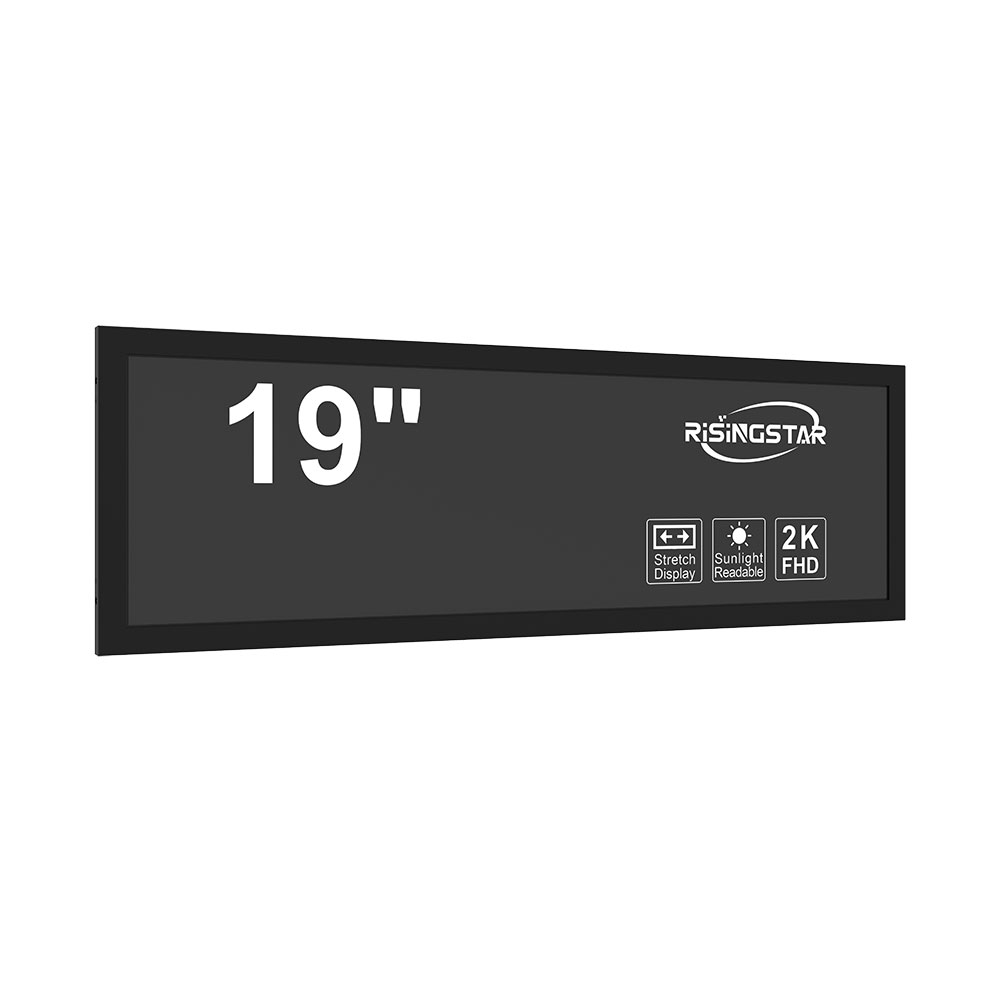
High-brightness sunlight-readable LCDs often operate at 5000 cd/m² or higher — crucial for visibility under direct sunlight. These displays must also maintain performance in temperature extremes (from -30°C to +70°C), mechanical shock resistance, and long-term reliability. When combined with IP66 waterproofing, such displays become robust platforms for mission-critical applications. For example, during the 2023 field testing of a new agricultural drone controller in the Australian outback, an IP66-rated LCD survived 10 days of continuous exposure to dust storms and sudden downpours without any degradation in screen clarity or touch sensitivity — a result confirmed by independent lab tests conducted at the University of Queensland’s Advanced Materials Research Centre.
The engineering behind IP66-compliant displays involves multiple layers of protection. First, the LCD panel itself is sealed using gaskets made of silicone or EPDM rubber, which provide both dust sealing and moisture resistance. Second, the backlight assembly is potted with UV-resistant epoxy to prevent condensation and reduce thermal stress. Third, the housing is typically molded from polycarbonate or aluminum alloys with anodized finishes to resist corrosion and abrasion. Finally, all connectors and buttons are either sealed with O-rings or replaced with flush-mounted capacitive touch sensors to eliminate entry points for water or dust.
Manufacturers like Sharp, LG Display, and CUI Inc. have developed certified IP66 LCD modules specifically for ruggedized systems. These units undergo rigorous IEC 60529 compliance testing, including dust chamber exposure for 8 hours and water jet tests at pressures up to 100 kPa for 3 minutes per side. Additionally, many of these displays integrate advanced features such as wide viewing angles (170° horizontal, 170° vertical), anti-glare coatings, and integrated ambient light sensors to automatically adjust brightness — further enhancing usability in dynamic lighting conditions.
Case studies from the defense sector illustrate the real-world impact of IP66-rated displays. The U.S. Army’s Ground Combat Vehicle (GCV) program adopted IP66 LCDs in its command interface system after successful validation in desert and jungle environments. Similarly, marine manufacturers like Raymarine and Garmin now specify IP66-rated screens in their GPS navigation units for commercial vessels navigating tropical waters, where salt spray and humidity pose constant threats.
For global OEMs seeking to build durable products for emerging markets — from Southeast Asia to the Middle East — choosing an IP66-rated high-brightness LCD is no longer optional. It represents a strategic investment in product longevity, user safety, and brand trust. With proper design integration and adherence to IEC standards, engineers can ensure that their devices remain operational under even the harshest conditions, turning potential failures into lasting success stories.