RisingStar
- Home
- About Us
- Products
- News
- Video
- Contact
- Send Inquiry
Search
- Home
- About Us
- Products
- News
- Video
- Contact
- Send Inquiry
RisingStar
In today’s increasingly connected world, outdoor digital signage, industrial control panels, and military-grade displays demand exceptional visibility under harsh lighting conditions—especially direct sunlight. A key benchmark for such performance is brightness measured in nits, with 3000 nits now emerging as the gold standard for true sunlight-readability. Unlike conventional LCDs that dim or wash out in bright environments, high-brightness sunlight-readable LCDs engineered to deliver 3000 nits of luminance ensure consistent image clarity even under extreme solar exposure.
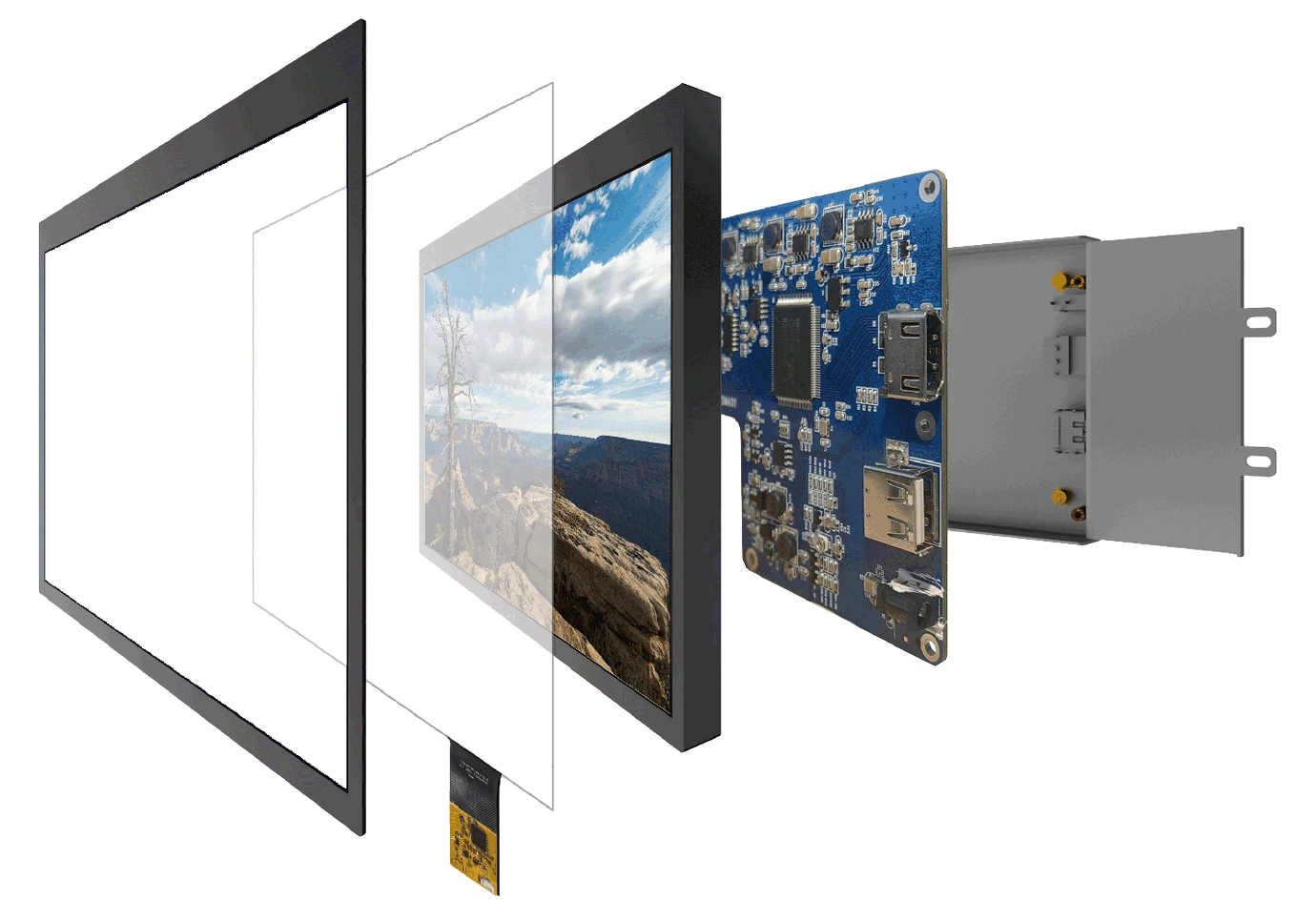
This level of brightness is achieved through advanced backlighting technologies such as high-efficiency LED arrays, optimized optical films, and precision liquid crystal alignment. For instance, modern 3000-nit displays often employ a dual-layer anti-reflective coating combined with an integrated ambient light sensor that dynamically adjusts brightness based on real-time environmental conditions—a feature especially valuable in automotive dashboards, public transport kiosks, and construction site monitors.
Industry case studies confirm the effectiveness of this technology. In a 2023 field test conducted by Siemens for outdoor industrial HMI (Human-Machine Interface) panels, 3000-nit displays maintained full legibility at noon under 100,000 lux of sunlight, while standard 500-nit LCDs became unreadable within seconds. Similarly, the U.S. Department of Defense has mandated 3000-nit minimum brightness for all new ruggedized handheld displays used in combat zones since 2022, citing improved situational awareness and reduced operator fatigue.
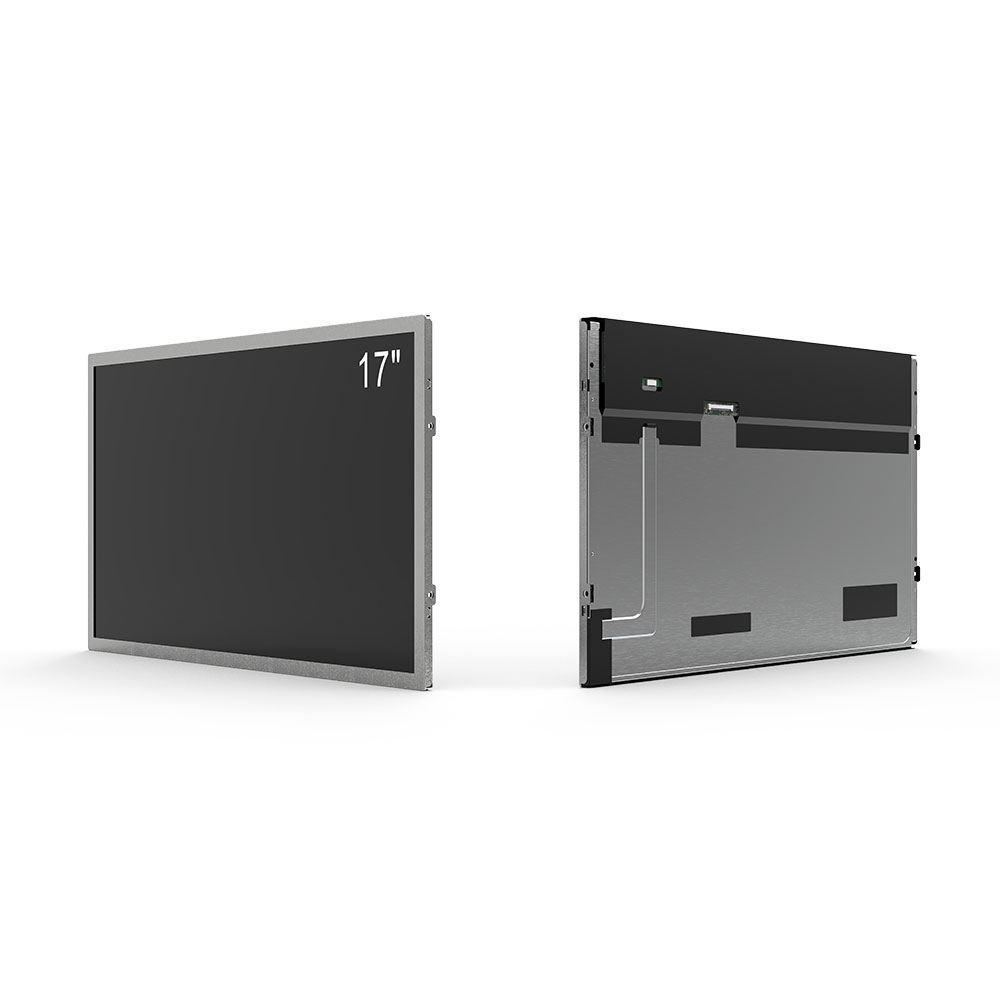
The rise of 3000-nit LCDs also aligns with global standards like ISO 9241-31 for human factors in display design and MIL-STD-810G for environmental durability. These specifications ensure not only brightness but also long-term reliability under temperature extremes, humidity, and vibration. Manufacturers such as LG Display, Sharp, and Novatek have introduced commercial models achieving 3000 nits with energy-efficient designs, making them viable for battery-powered devices like drones and portable medical equipment.
From a technical standpoint, achieving 3000 nits without overheating requires intelligent thermal management systems—such as heat-dissipating aluminum frames and smart power regulation. Additionally, color accuracy remains critical; leading suppliers now use wide-color-gamut panels (like DCI-P3 or Adobe RGB) to maintain vivid visuals even at peak brightness levels.
For developers, integrators, and procurement officers, selecting a 3000-nit sunlight-readable LCD means choosing a solution that balances performance, durability, and operational safety. As outdoor applications grow—from smart cities and autonomous vehicles to agricultural monitoring and emergency response—the need for robust, readable screens will continue to drive innovation in this space.