 RisingStar
- Home
- About Us
- Products
- News
- Video
- Contact
- Send Inquiry
Search
- Home
- About Us
- Products
- News
- Video
- Contact
- Send Inquiry
RisingStar
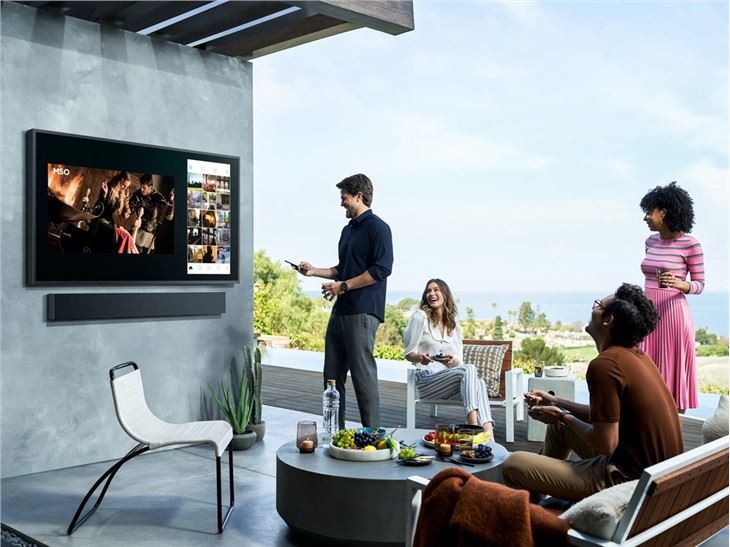
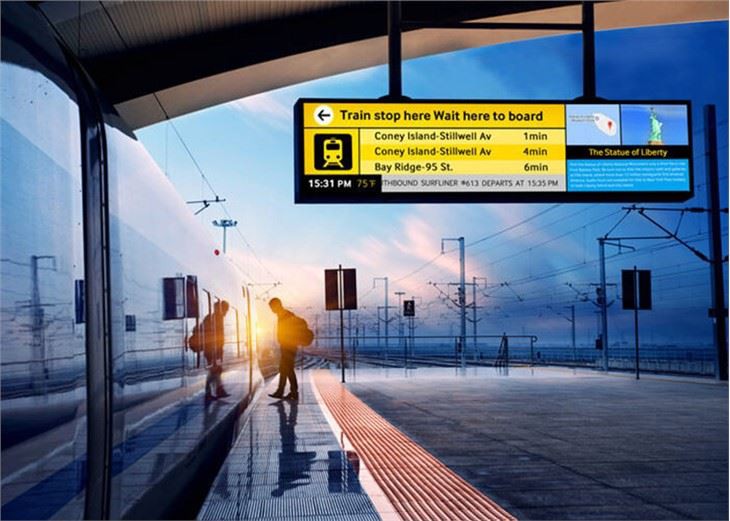
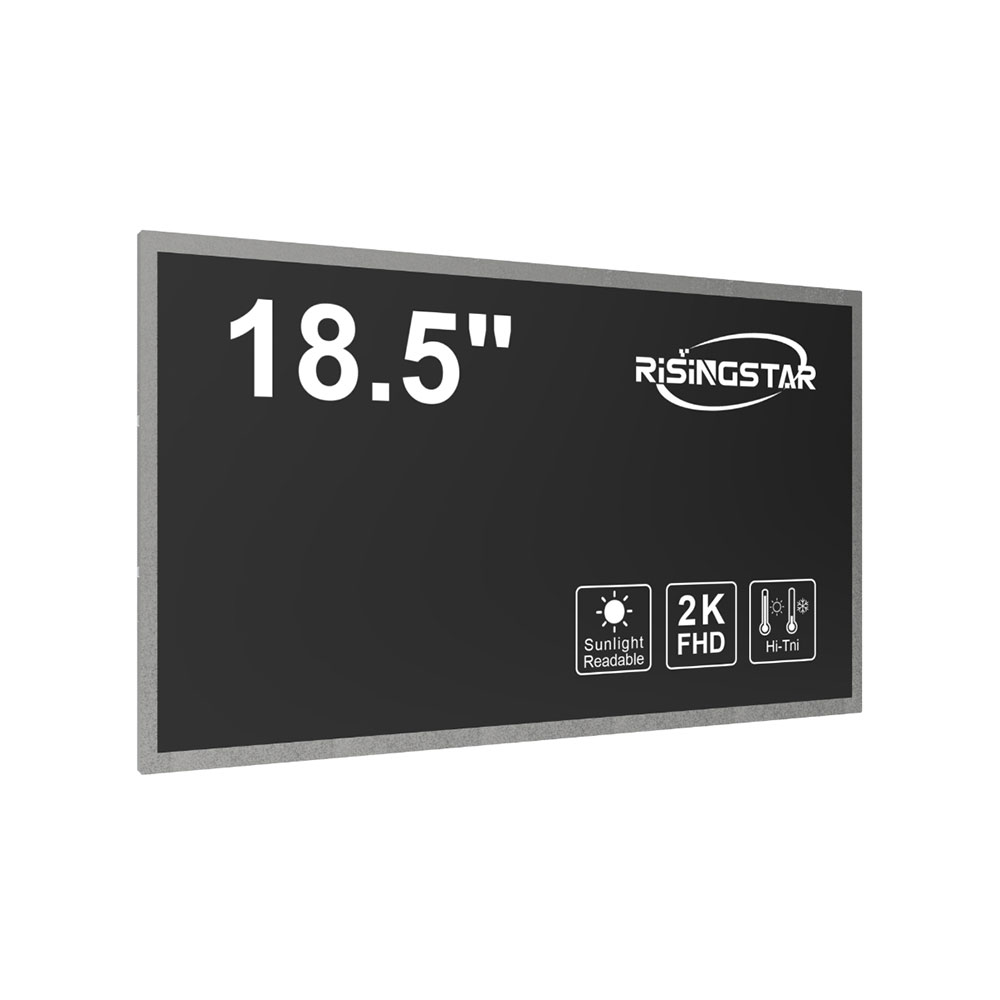
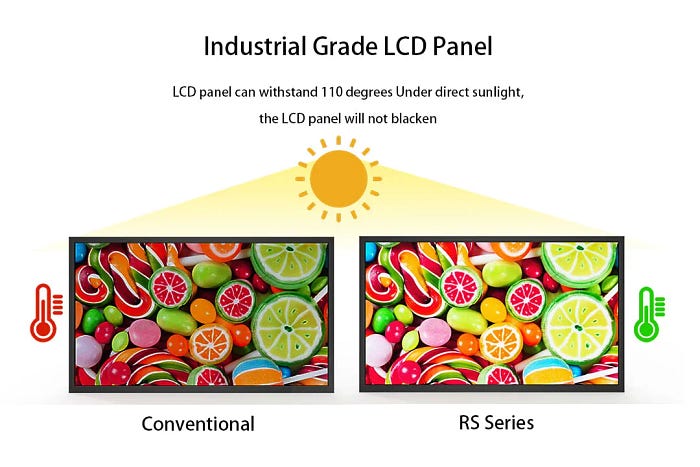
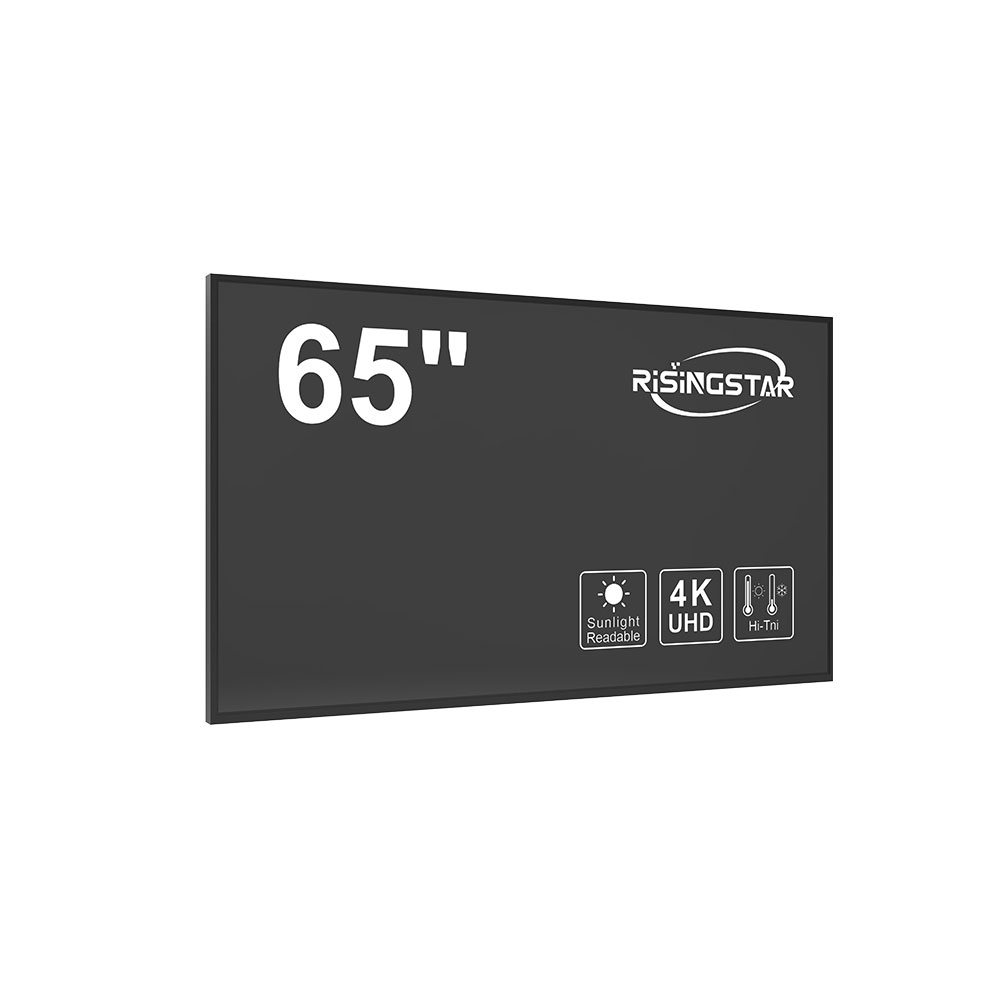
High-brightness sunlight-readable LCD screens are essential components in modern outdoor electronic systems, particularly in industrial, military, transportation, and consumer applications where visibility under direct sunlight is critical. These displays must maintain clarity, contrast, and color accuracy even under intense ambient light conditions—often exceeding 100,000 lux in full daylight. Unlike standard LCDs that dim or become illegible outdoors, high-brightness sunlight-readable LCDs use advanced backlighting, anti-glare coatings, and optimized panel technologies to ensure consistent performance.
The main body of this discussion focuses on three key technical aspects: brightness levels, display technologies, and real-world applications. First, brightness is measured in nits (candelas per square meter). For true sunlight readability, displays must exceed 3,000 nits, with many professional-grade models reaching 5,000–10,000 nits. This level ensures the screen outshines direct sunlight while maintaining power efficiency—a balance achieved through LED backlight arrays and dynamic brightness control algorithms. Second, display technologies such as transflective LCDs combine reflective and transmissive modes, enabling passive operation in low-light environments and active illumination in bright ones. This hybrid approach reduces power consumption by up to 60% compared to fully backlit alternatives. Third, case studies from industries like aviation, automotive, and field service demonstrate the impact of these screens. For example, the U.S. Department of Defense mandates 5,000-nit displays for battlefield communication devices, while Tesla’s in-car infotainment systems now integrate 4,000-nit sunlight-readable panels for driver safety.
A growing trend in the industry is the integration of touch functionality into high-brightness displays, allowing for reliable interaction in extreme environments. Technologies like infrared touch sensors and projected capacitive touch overlays have been adapted for durability against dust, moisture, and physical stress. Additionally, standards such as MIL-STD-810G for ruggedization and ISO 16750 for automotive environmental resilience guide product design and testing protocols. These certifications ensure that displays perform reliably across temperature ranges (-30°C to +70°C), humidity levels, and mechanical shocks typical in outdoor deployments.
In conclusion, high-brightness sunlight-readable LCD screens are not merely a convenience but a necessity for mission-critical applications. As global demand rises—from smart city infrastructure to autonomous vehicles—the engineering behind these displays continues to evolve. Innovations in materials science, energy-efficient LEDs, and AI-driven brightness management promise even higher performance with lower power draw. Industry leaders like Sharp, LG Display, and BOE Technology are investing heavily in R&D, ensuring that future displays will meet the demands of increasingly complex outdoor digital ecosystems.