RisingStar
- Home
- About Us
- Products
- News
- Video
- Contact
- Send Inquiry
Search
- Home
- About Us
- Products
- News
- Video
- Contact
- Send Inquiry
RisingStar
In today’s increasingly connected world, industrial-grade displays must operate reliably under extreme conditions—including exposure to water, dust, vibration, and temperature fluctuations. Among the most critical certifications for outdoor and ruggedized applications is IP66 waterproof rating—a standard defined by the International Electrotechnical Commission (IEC) in IEC 60529. This rating ensures that a display is completely protected against dust ingress (6) and can withstand powerful water jets from any direction (6), making it ideal for use in agriculture, construction, transportation, military, and public infrastructure sectors.
The IP66 rating means the display enclosure has a full dust-tight seal—no ingress of dust particles even under prolonged exposure—which is essential for preventing internal component corrosion or failure. Additionally, it must resist water jets with a pressure of at least 100 kPa (approximately 14.5 psi) from nozzles of 6.3 mm diameter, delivered from a distance of 3 meters for at least 3 minutes per test point. These rigorous requirements ensure that displays remain operational during heavy rain, high-pressure cleaning, or immersion in temporary flood conditions.
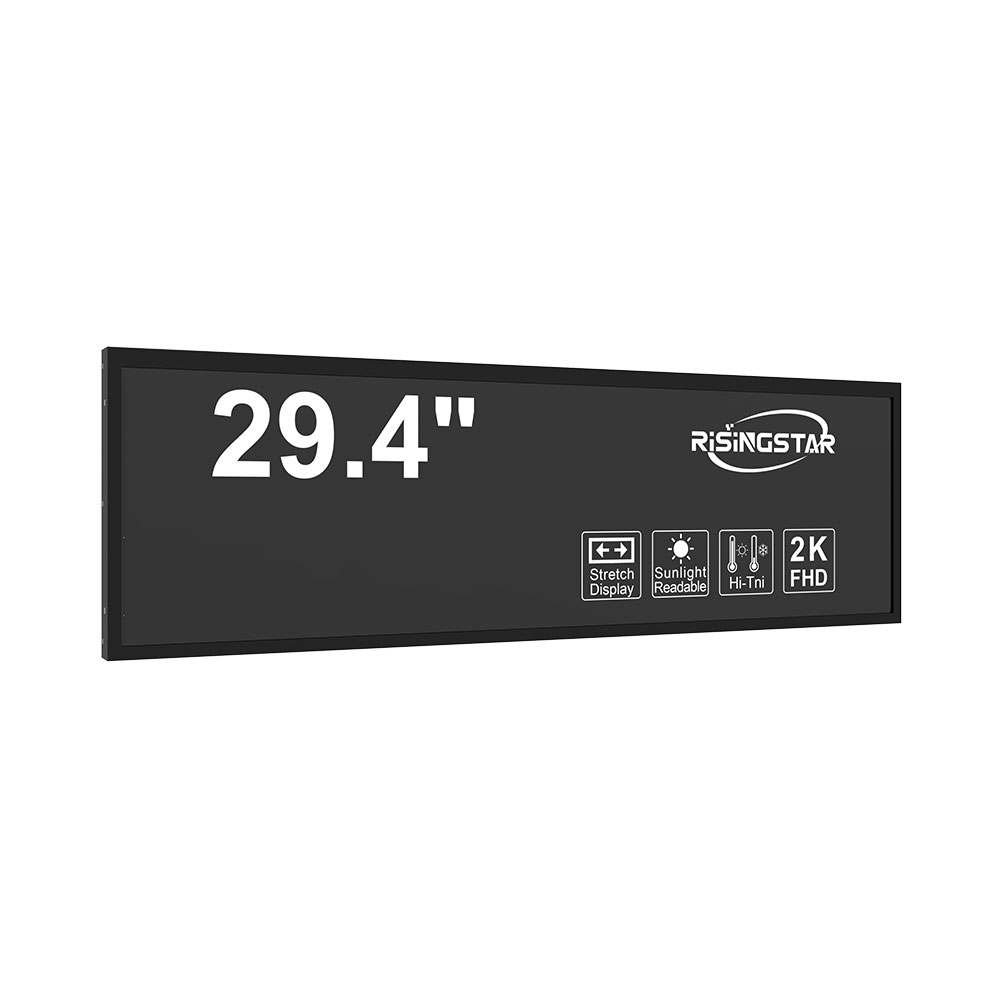
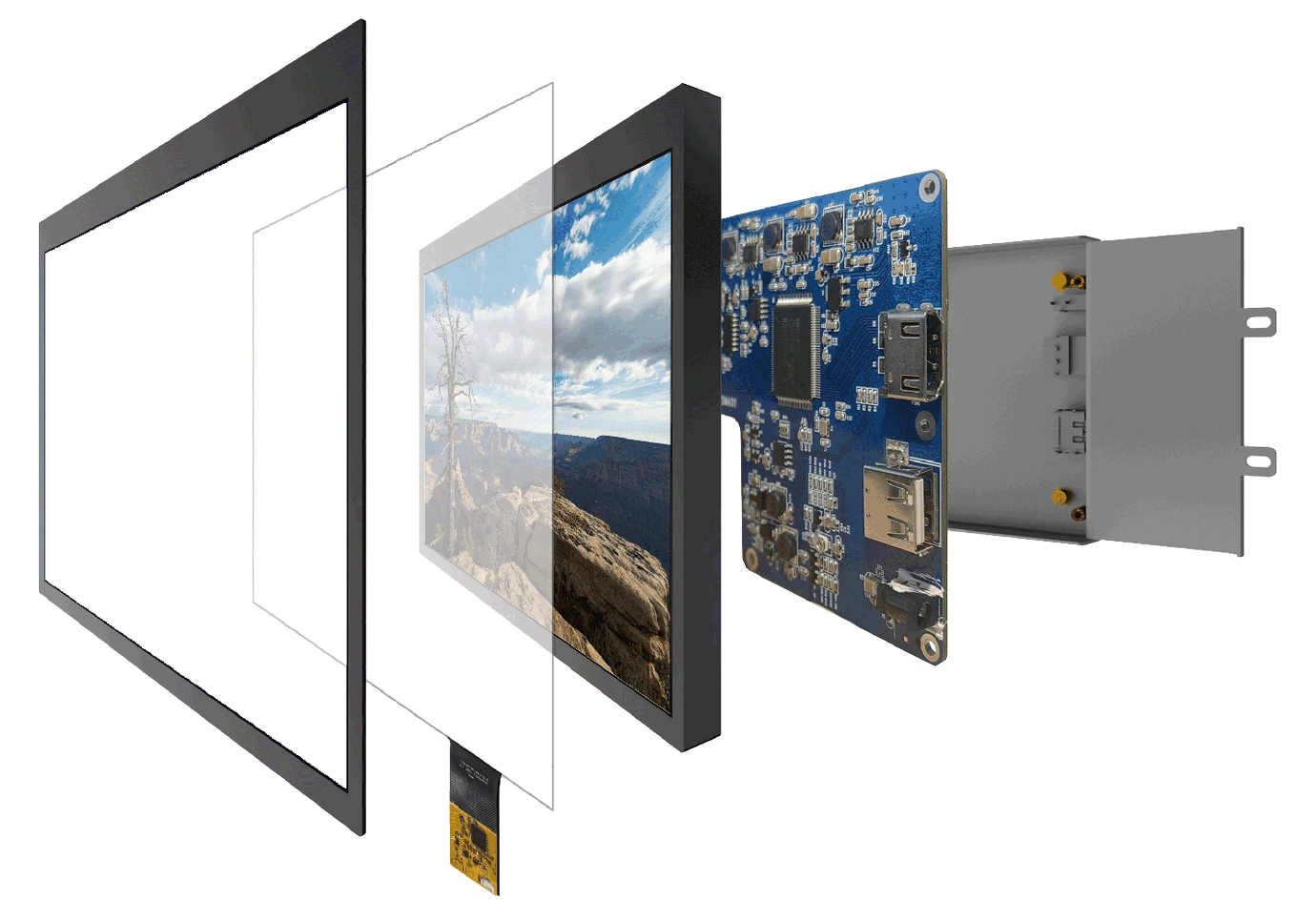
Manufacturers achieve this level of protection through multiple design strategies. First, sealed enclosures made from aluminum, stainless steel, or reinforced polycarbonate provide structural integrity while preventing moisture penetration. Second, gasket materials such as silicone or EPDM are used at seams, button openings, and cable ports to maintain a continuous barrier. Third, special coatings like hydrophobic nano-films on glass surfaces reduce water adhesion and improve visibility under wet conditions. Finally, advanced sealing techniques like ultrasonic welding or over-molding integrate components seamlessly without gaps.
Real-world case studies highlight the value of IP66-rated LCDs. For example, in smart agriculture, IP66 displays mounted on irrigation control units in open fields have shown zero failures after 18 months of continuous operation in monsoon climates. Similarly, in urban transit systems, LED-backlit LCDs with IP66 ratings installed on bus stops and traffic signals survived saltwater spray in coastal cities without degradation in brightness or touch responsiveness. According to a 2023 report by MarketsandMarkets, the global market for ruggedized displays with IP66+ ratings grew at a CAGR of 7.3% between 2021–2023, driven by demand in IoT-enabled outdoor devices and Industry 4.0 automation.
Testing protocols follow international standards such as IEC 60529 and MIL-STD-810G, which simulate real-world stressors including thermal shock, humidity cycling, and mechanical impact. Leading manufacturers often conduct accelerated life testing, where displays undergo thousands of hours of simulated environmental exposure before deployment. This ensures not only compliance but long-term reliability—critical for mission-critical systems like emergency response equipment or remote monitoring stations.
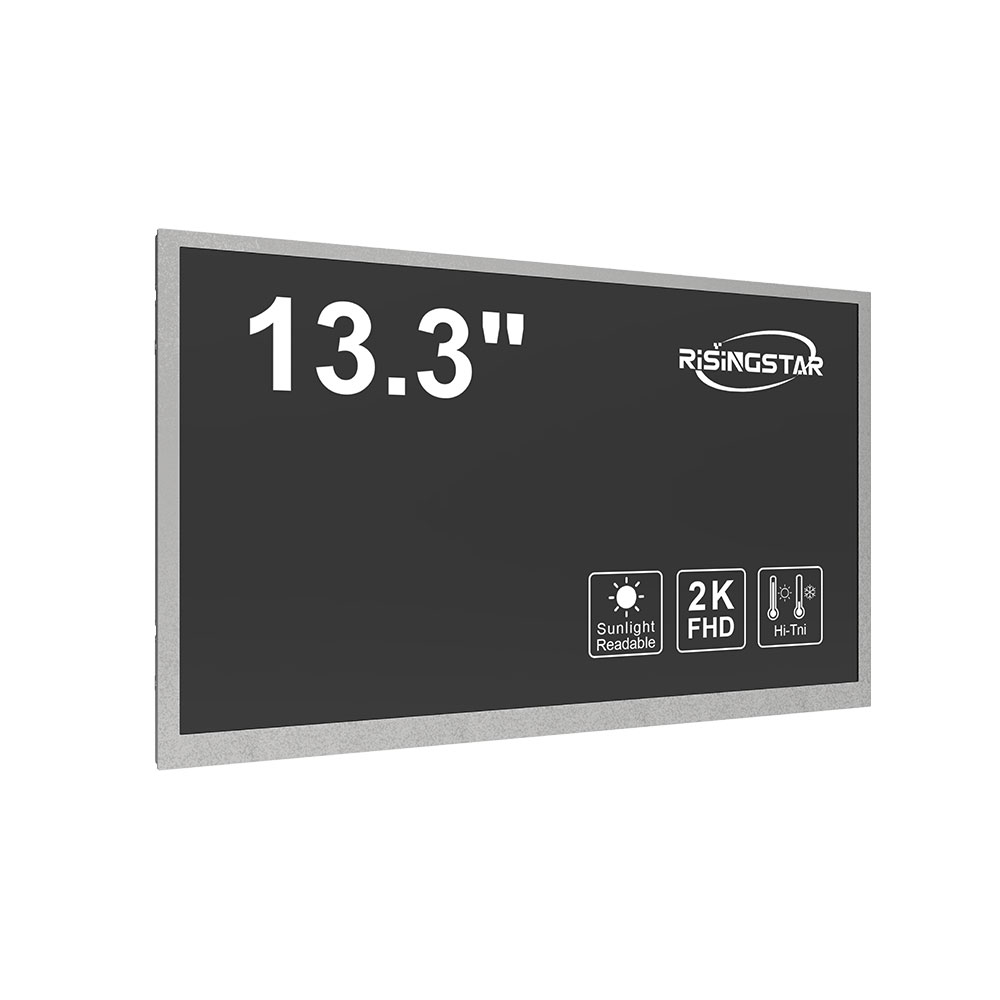
For engineers designing for harsh environments, selecting an IP66-rated LCD involves more than just checking the label—it requires evaluating the entire system integration. This includes ensuring that connectors, backlighting, and touch sensors are also rated for the same conditions. A mismatched component can compromise the whole assembly, leading to premature failure. Therefore, choosing certified modules from reputable suppliers—such as LG Display, BOE, or Sharp with proven track records—is crucial.
Ultimately, IP66 waterproof LCDs represent a convergence of materials science, engineering rigor, and user-centric design. They enable seamless human-machine interaction in environments once considered too hostile for electronic interfaces. As industries continue to digitize operations outdoors—from drones to mobile command centers—the need for robust, sunlight-readable, and waterproof displays will only intensify.