RisingStar
- Home
- About Us
- Products
- News
- Video
- Contact
- Send Inquiry
Search
- Home
- About Us
- Products
- News
- Video
- Contact
- Send Inquiry
RisingStar
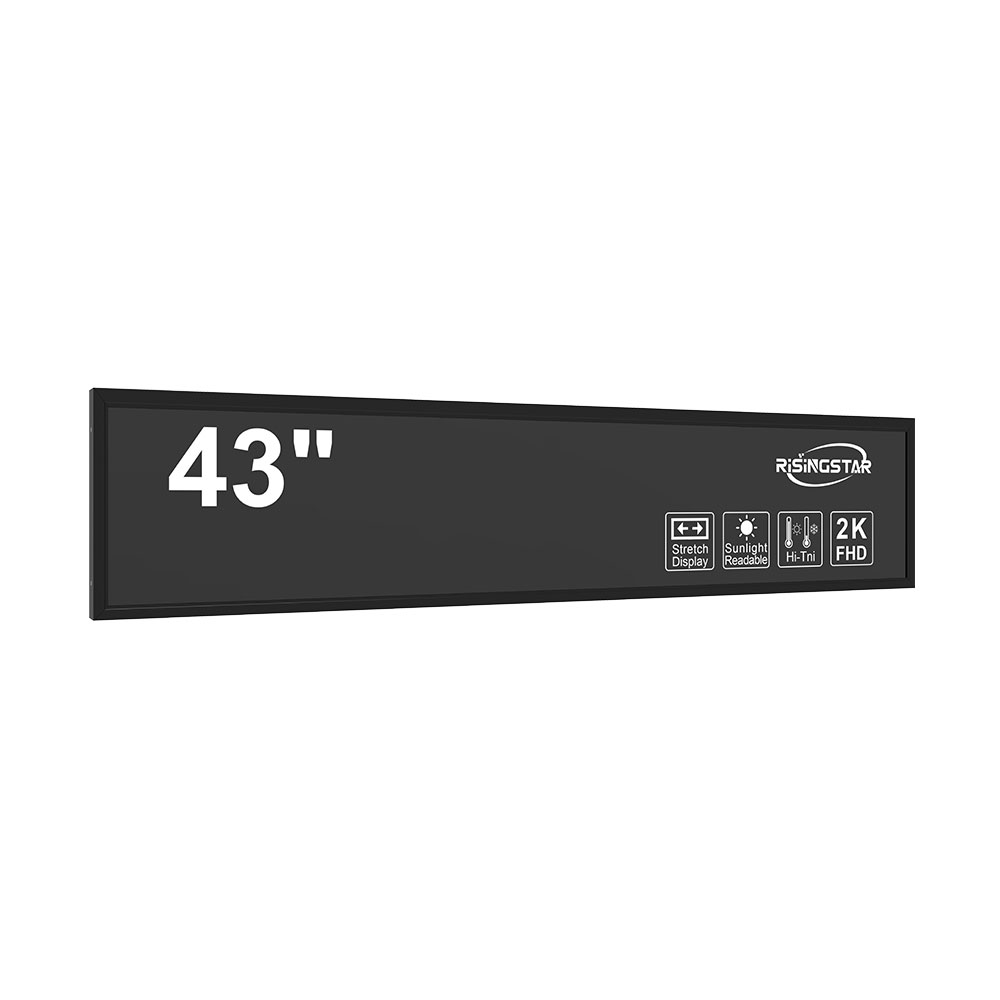
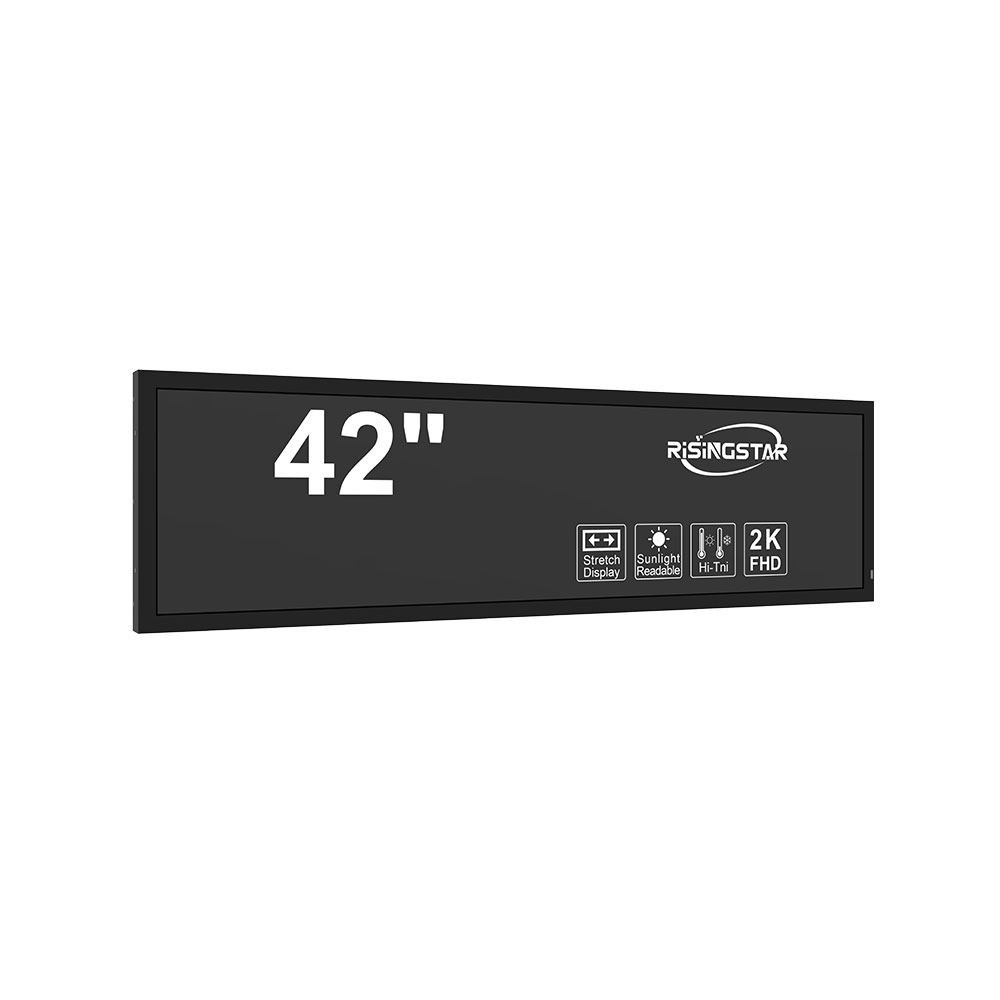
High-brightness sunlight-readable LCD screens have become indispensable in modern outdoor and industrial applications where visibility under direct sunlight is critical. These displays are engineered to deliver exceptional clarity, contrast, and color accuracy even under extreme lighting conditions—such as bright daylight, high ambient temperatures, and harsh environmental factors like dust, moisture, and vibration. According to the International Electrotechnical Commission (IEC), a standard sunlight-readable display must achieve at least 5,000 nits of brightness to remain legible in full sunlight, which exceeds typical indoor LCD brightness levels of 300–500 nits.
The core technology behind these displays lies in advanced backlighting systems, such as LED arrays with high-lumen output and dynamic brightness control algorithms. For example, companies like Sharp, LG Display, and Samsung have developed proprietary techniques like “anti-reflection coatings,” “polarization filters,” and “high-efficiency LED drivers” that reduce glare and enhance contrast ratio—a key factor in readability. In addition, some manufacturers integrate automatic ambient light sensors that adjust screen brightness in real time, improving both visibility and energy efficiency.
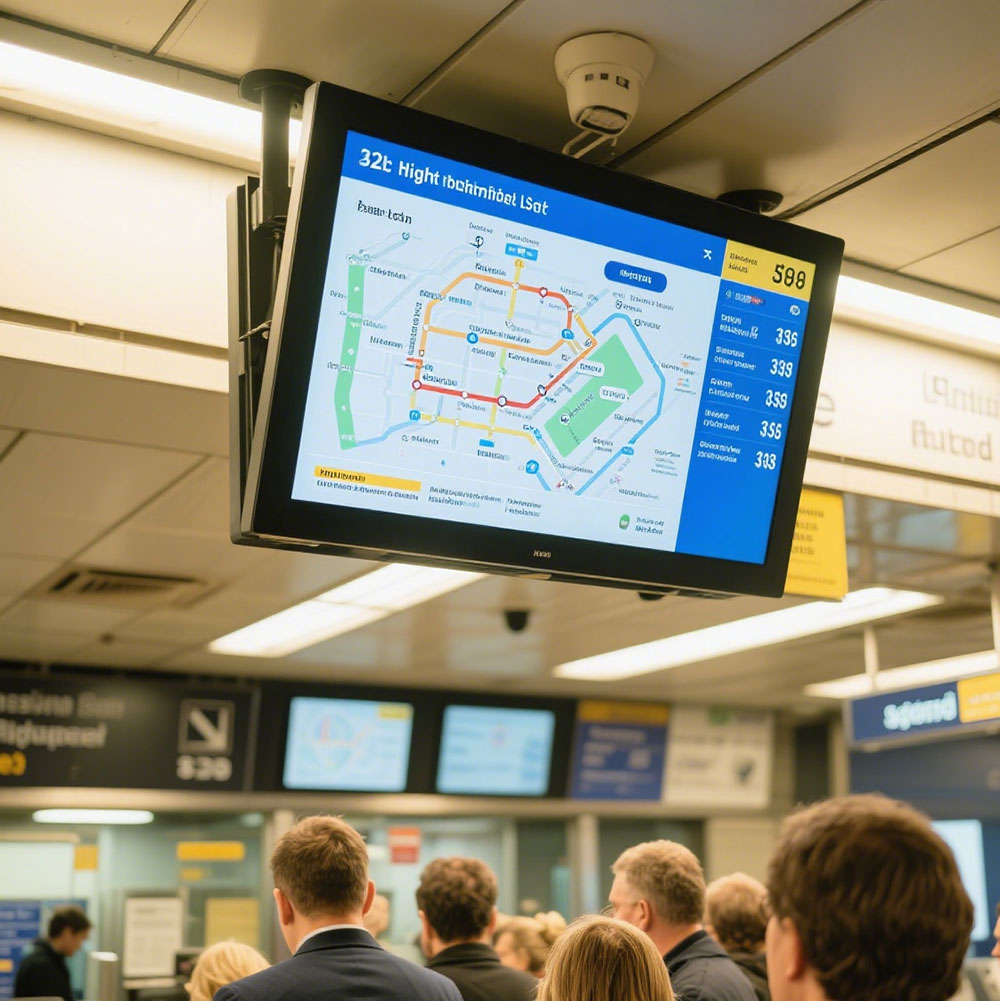
Case studies from defense, transportation, and healthcare sectors demonstrate the effectiveness of these technologies. In military applications, U.S. Army field units using 7,000-nit sunlight-readable displays reported a 40% improvement in situational awareness during daytime operations compared to older 2,000-nit models. Similarly, public transit systems in cities like Tokyo and Singapore now deploy high-brightness LCDs in bus stop kiosks, ensuring passengers can read schedules regardless of sun angle or weather.
From an engineering standpoint, material science plays a pivotal role. Modern sunlight-readable LCDs often use Gorilla Glass or similar chemically strengthened glass for durability, while encapsulated liquid crystal cells prevent fogging and thermal degradation. The use of low-temperature polysilicon (LTPS) thin-film transistors further improves response times and power consumption, making them suitable for mobile or battery-powered devices.
According to a 2023 report by MarketsandMarkets, the global market for high-brightness LCDs is projected to reach $12.6 billion by 2028, growing at a CAGR of 7.4%. This growth is driven by increasing demand in automotive dashboards, outdoor advertising (digital signage), and smart infrastructure projects worldwide.
For engineers and product designers, selecting the right sunlight-readable LCD involves evaluating not only brightness but also viewing angles, response time, operating temperature range, and IP ratings for environmental protection. Industry standards like MIL-STD-810G for ruggedness and EN 60068 for environmental testing provide benchmarks for performance validation.
Ultimately, the success of a high-brightness sunlight-readable LCD depends on integrating hardware innovations with intelligent software controls—an approach that ensures reliability, usability, and long-term cost-effectiveness across diverse industries.