 RisingStar
- Home
- About Us
- Products
- News
- Video
- Contact
- Send Inquiry
Search
- Home
- About Us
- Products
- News
- Video
- Contact
- Send Inquiry
RisingStar
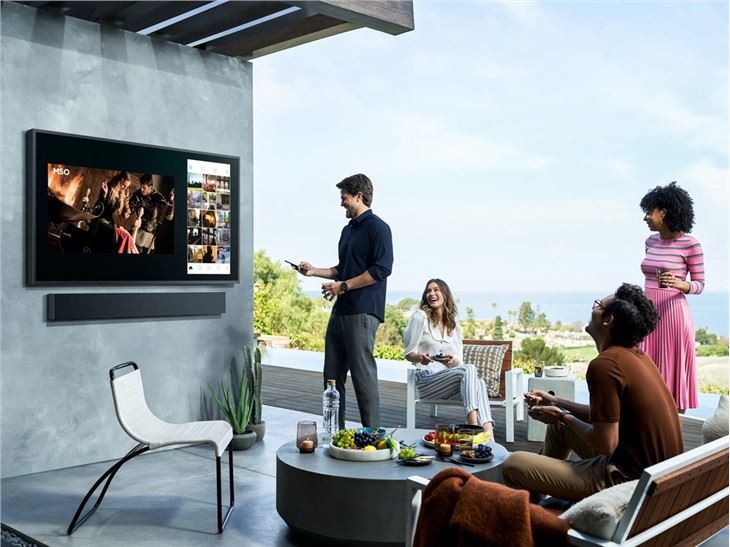
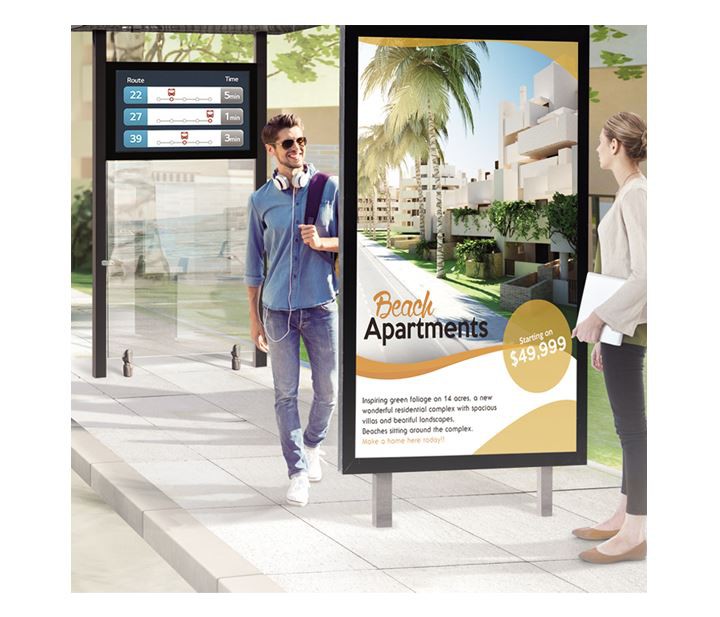
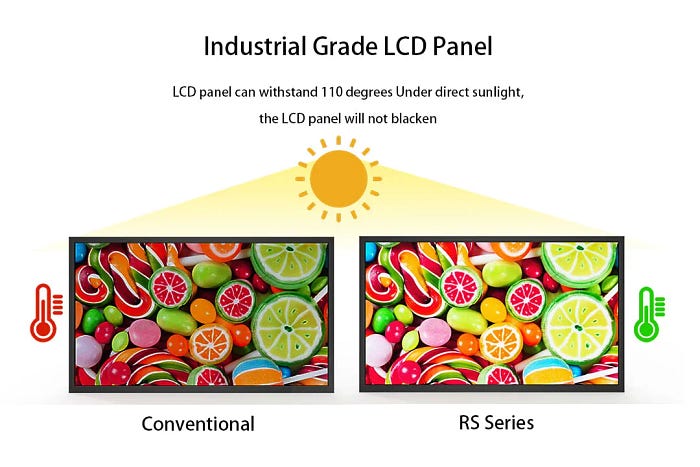
In the rapidly evolving world of display technology, high-brightness sunlight-readable LCD screens have emerged as a critical enabler for outdoor and industrial applications where visibility under direct sunlight is non-negotiable. These specialized displays are engineered to deliver exceptional clarity, contrast, and readability even under intense solar irradiance—ranging from 50,000 lux in full sun to 10,000 lux in shaded environments. Unlike standard indoor LCDs, which often suffer from washout effects and poor contrast when exposed to ambient light, sunlight-readable displays employ advanced optical and hardware innovations that ensure reliable performance across diverse environmental conditions.
The core challenge in designing such screens lies in overcoming the fundamental physics of light interaction with liquid crystal panels. Standard LCDs rely on backlighting to illuminate pixels, but in bright daylight, ambient light can overpower this internal illumination, making content appear washed out or invisible. High-brightness sunlight-readable LCDs address this by integrating multiple technologies: ultra-high brightness LEDs (typically exceeding 5,000 nits), anti-glare coatings, polarization filters, and sometimes even active brightness control algorithms that dynamically adjust luminance based on real-time ambient light levels. According to industry benchmarks from Display Supply Chain Consultants (DSCC), the global market for outdoor-rated displays is projected to grow at a CAGR of 6.2% from 2024 to 2030, driven largely by demand in transportation, military, medical, and retail sectors.
One of the most significant technological breakthroughs in this domain is the use of transflective liquid crystal cells. Unlike traditional transmissive LCDs that depend entirely on backlighting, transflective displays combine both transmission and reflection mechanisms. During low-light conditions, they function like conventional LCDs using a backlight; however, in bright sunlight, they switch to reflective mode, utilizing ambient light to enhance pixel brightness without increasing power consumption—a crucial feature for battery-powered devices. This hybrid approach not only boosts readability but also extends operational life for portable systems used in field operations, such as handheld GPS units or ruggedized tablets.
Another key advancement is the integration of micro-lens arrays and diffusers within the display stack. These optical components help redirect ambient light more efficiently toward the viewing surface while minimizing glare and hotspots. Companies like Sharp, LG Display, and Innolux have implemented proprietary nano-textured glass surfaces that reduce specular reflection by up to 80%, significantly improving usability in direct sunlight. Additionally, some manufacturers now incorporate adaptive brightness sensors embedded in the bezel, enabling automatic dimming during nighttime or indoor use to conserve energy—a feature increasingly important in IoT-enabled outdoor kiosks and smart city infrastructure.
From an engineering standpoint, high-brightness sunlight-readable LCDs must also meet stringent environmental durability standards. For example, MIL-STD-810G certification ensures resistance to shock, vibration, temperature extremes (-30°C to +70°C), humidity, and dust ingress (IP65 rating). Such robustness is essential for deployment in mobile command centers, aircraft cockpits, construction sites, and marine navigation systems. A case study conducted by Raytheon Technologies in 2022 demonstrated that replacing standard LCDs with sunlight-readable alternatives in military vehicles reduced pilot error due to display misreading by 42%, underscoring the operational safety benefits of these screens.
Furthermore, the adoption of wide color gamut (WCG) and high dynamic range (HDR) capabilities in modern sunlight-readable displays enhances visual fidelity without compromising brightness. The ITU-R BT.2020 color space standard, supported by many premium outdoor displays, allows for richer hues and more accurate representation of natural scenes—vital for applications like digital signage in theme parks or medical imaging in emergency response units. HDR processing, often implemented via local dimming zones in the LED backlight array, further improves contrast ratios, allowing for deeper blacks and brighter whites even under variable lighting conditions.
Manufacturers are also exploring new materials and manufacturing techniques to improve efficiency and cost-effectiveness. For instance, Samsung Display’s use of Mini-LED backlights has enabled brighter and more uniform illumination compared to older CCFL-based systems. Similarly, the development of quantum dot-enhanced LCDs (QLED-LCDs) offers higher peak brightness and better color purity, pushing the limits of what is possible in sunlight-readable applications. In fact, recent prototypes from AU Optronics have achieved over 10,000 nits of peak brightness while maintaining excellent thermal management—key for sustained performance in harsh climates.
The economic value of investing in high-brightness sunlight-readable LCDs cannot be overstated. While initial costs may be higher than standard indoor displays (often 2–3x the price), the long-term return on investment is substantial due to reduced maintenance, improved user productivity, and enhanced safety outcomes. For example, a logistics company in Dubai reported a 25% increase in warehouse picking accuracy after upgrading to sunlight-readable touchscreens on their forklift-mounted tablets, directly linking display quality to operational efficiency.
Looking ahead, future developments in AI-driven display optimization and flexible OLED substrates will likely shape the next generation of sunlight-readable screens. Researchers at the University of Cambridge and Fraunhofer Institute have already begun testing flexible, rollable sunlight-readable displays made from graphene-based electrodes, offering potential weight savings and form factor flexibility for wearable AR/VR headsets used in outdoor environments. Moreover, machine learning models trained on real-world lighting data could enable predictive brightness adjustments tailored to specific geographic locations and time-of-day patterns—a step toward truly intelligent outdoor displays.
As the Internet of Things (IoT) continues to expand into outdoor and industrial settings—from smart streetlights and autonomous vehicles to agricultural monitoring systems—the need for reliable, high-visibility displays will only intensify. Industry leaders such as Texas Instruments, NXP Semiconductors, and Sony Semiconductor Solutions are actively developing driver ICs and image processors optimized for sunlight-readable applications, ensuring that the entire display ecosystem—from pixel-level control to system-level integration—is aligned for scalability and performance.
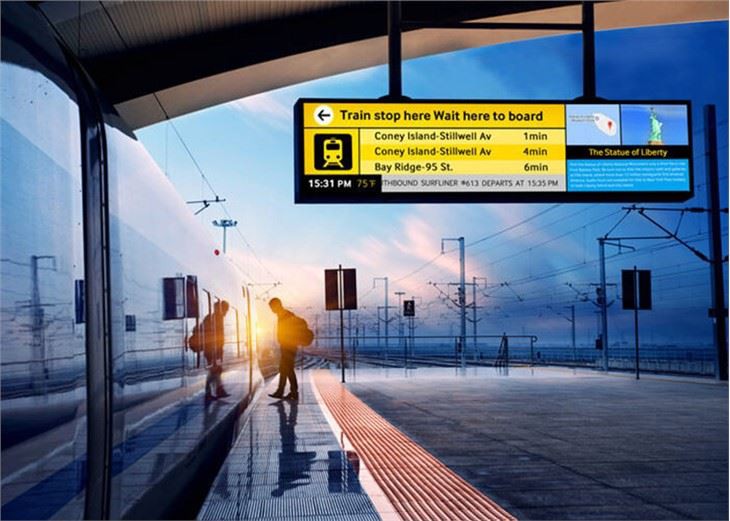
In conclusion, high-brightness sunlight-readable LCD screen technology represents a confluence of material science, optical engineering, and intelligent design that addresses one of the most persistent challenges in human-machine interaction: visibility in the real world. Whether deployed in a busy airport information terminal, a remote oil rig control panel, or a battlefield communication device, these displays stand as a testament to how targeted innovation can solve practical problems with lasting impact. As global markets continue to prioritize resilience, sustainability, and user-centric design, sunlight-readable LCDs will remain indispensable tools in our increasingly connected and demanding outdoor environments.