RisingStar
- Home
- About Us
- Products
- News
- Video
- Contact
- Send Inquiry
Search
- Home
- About Us
- Products
- News
- Video
- Contact
- Send Inquiry
RisingStar
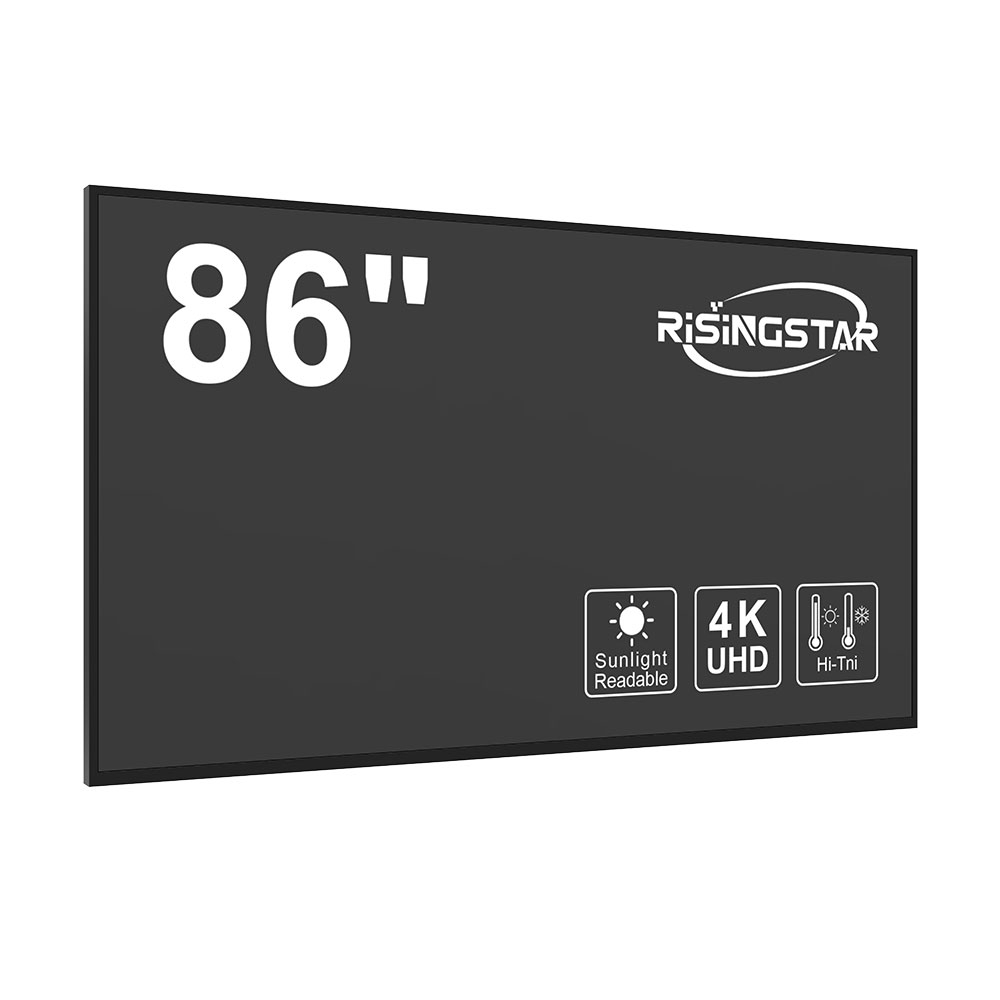
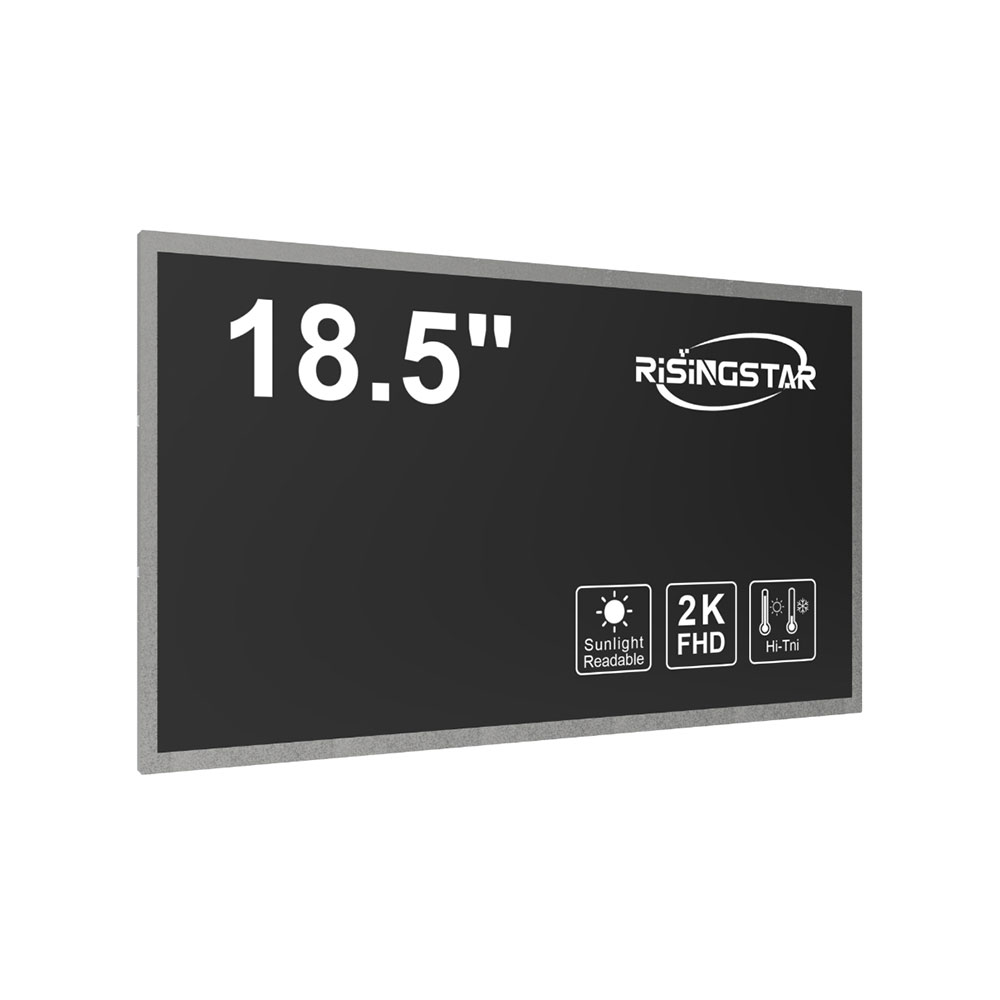
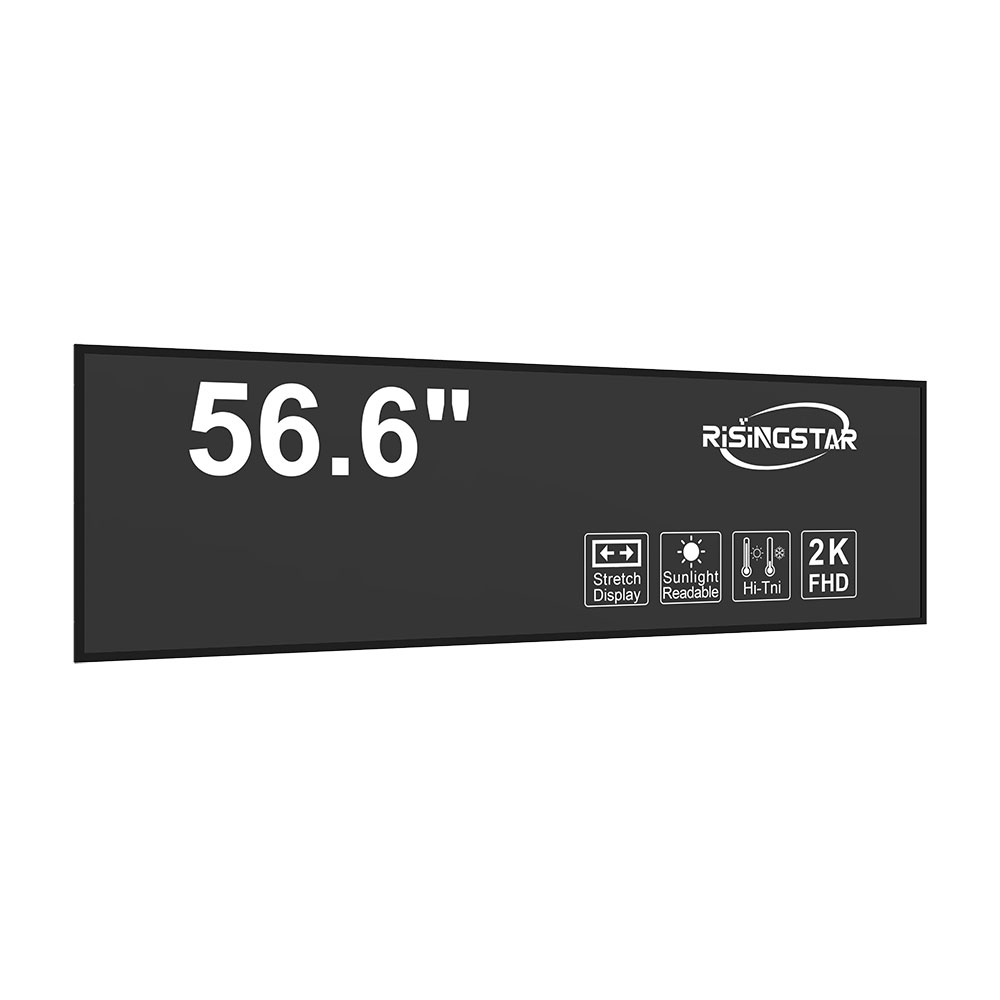
High-brightness sunlight-readable LCD screens have emerged as a critical technology for outdoor and high-ambient-light applications, addressing a longstanding limitation of standard liquid crystal displays (LCDs) which become nearly unreadable in direct sunlight. According to Wikipedia’s entry on sunlight-readable displays, these devices are engineered to maintain clear visibility under ambient illumination levels of 10,000 lux or higher—equivalent to bright midday sunlight—compared to typical indoor displays optimized for less than 1,000 lux. The global market for these displays has seen robust growth, with Grand View Research reporting that the high-brightness outdoor LCD segment is projected to hit $4.2 billion by 2030, growing at a compound annual growth rate (CAGR) of 7.8% driven by demand in automotive, industrial, and public digital signage sectors.
Core technologies enabling sunlight readability in LCD screens center on three key areas: backlighting optimization, anti-reflective (AR) and anti-glare (AG) surface treatments, and optical design refinement. Standard LCD backlights typically deliver 200 to 500 nits of brightness, insufficient for direct sunlight, while high-brightness models use advanced LED arrays or edge-lit direct-drive systems that push brightness to 5,000 to 15,000 nits—some specialized industrial or automotive models exceed 20,000 nits. A critical innovation here is the use of wide-band polarizers, which reduce unwanted ambient light reflection by filtering out glare-causing wavelengths, a technology refined by 3M’s display solutions division, which states that optimized polarizers can cut screen reflection by up to 65% when paired with AR coatings. Optical bonding, another key technique, eliminates the air gap between the LCD panel and its protective cover glass; this reduces internal light scattering and reflection by nearly 70%, per testing from Sharp Corporation’s display R&D team, a leading manufacturer of high-brightness LCDs.
Industry standards define performance benchmarks for these displays, ensuring consistent functionality across applications. The International Organization for Standardization (ISO) 9241-303:2020 sets requirements for display visibility under varying ambient light conditions, specifying that sunlight-readable displays must maintain a contrast ratio of at least 10:1 at 10,000 lux to be considered usable. For automotive applications, the Society of Automotive Engineers (SAE) J1211 standard outlines visibility requirements for in-vehicle displays, mandating that infotainment and instrument clusters remain readable in direct sunlight while minimizing driver distraction—a requirement that has led major automakers like Tesla and Ford to integrate high-brightness sunlight-readable LCDs into their latest models, including Tesla’s Cybertruck instrument display and Ford’s F-150 Lightning infotainment system.
Case studies highlight real-world applications of these technologies. Garmin’s outdoor marine displays, designed for use on boats in open sunlight, use 8,000-nit transflective LCDs that balance backlighting efficiency with readability, operating reliably in up to 12,000 lux of ambient light without excessive power draw. In public infrastructure, the city of Dubai deployed over 2,000 high-brightness LCD digital bus stop signs in 2022, relying on Sharp’s 10,000-nit displays with anti-reflective coatings to ensure visibility in Dubai’s harsh desert sunlight, reducing maintenance costs by 22% compared to older, lower-brightness signs due to improved durability and readability. Industrial applications, such as construction equipment control panels, also leverage these displays: Caterpillar’s latest heavy machinery line uses 7,000-nit sunlight-readable LCDs that function in temperatures ranging from -40°C to 85°C, making them suitable for extreme outdoor work environments.
Challenges remain in the widespread adoption of these displays, including higher power consumption (high-brightness models use 30-50% more energy than standard LCDs), increased heat generation, and higher manufacturing costs. Recent innovations are addressing these gaps, such as low-power high-brightness LED drivers developed by NXP Semiconductors that reduce power consumption by 25% while maintaining brightness levels, and heat-dissipating cover glass materials from Corning that extend panel lifespan in high-temperature outdoor settings. As demand for outdoor digital experiences grows—driven by smart city initiatives, electric vehicle adoption, and outdoor industrial automation—the evolution of high-brightness sunlight-readable LCD technology continues to focus on balancing performance, efficiency, and cost, positioning these displays as a foundational technology for the outdoor digital ecosystem.