 RisingStar
- Home
- About Us
- Products
- News
- Video
- Contact
- Send Inquiry
Search
- Home
- About Us
- Products
- News
- Video
- Contact
- Send Inquiry
RisingStar
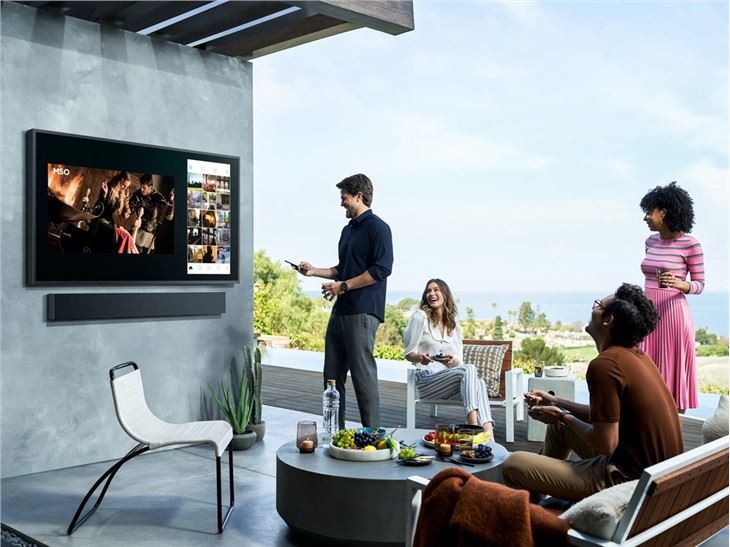
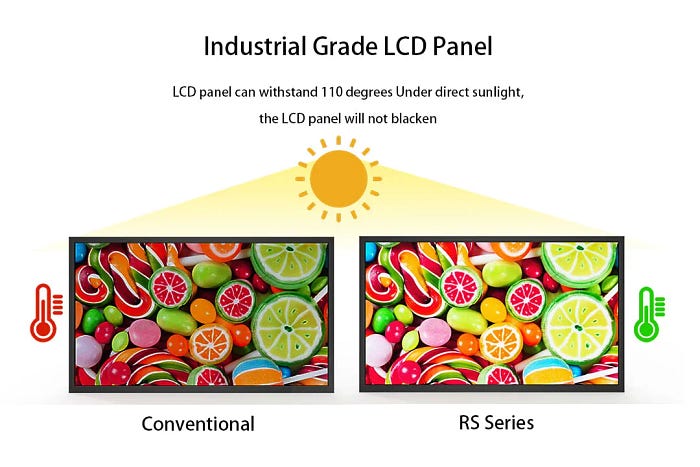
High-brightness sunlight-readable LCD displays have become essential in modern outdoor and industrial environments where visibility under direct sunlight is critical. These displays are engineered to deliver exceptional clarity even in extreme lighting conditions—ranging from bright daylight (over 10,000 lux) to low-light indoor settings. Their applications span military, transportation, medical devices, retail kiosks, and agricultural monitoring systems.
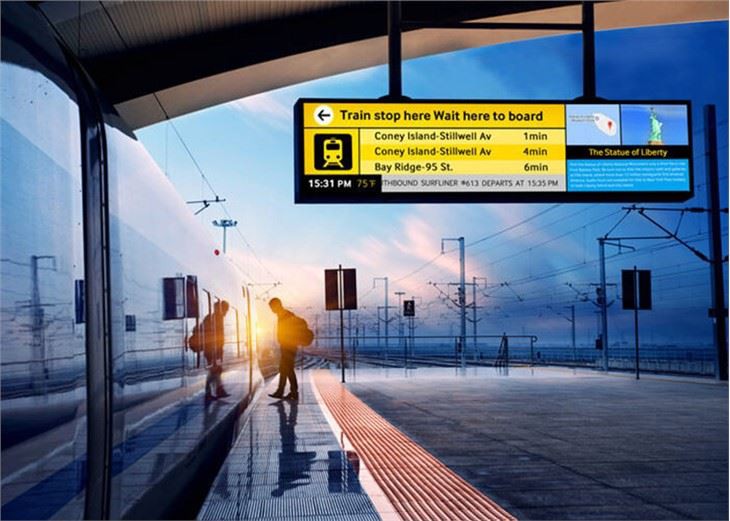
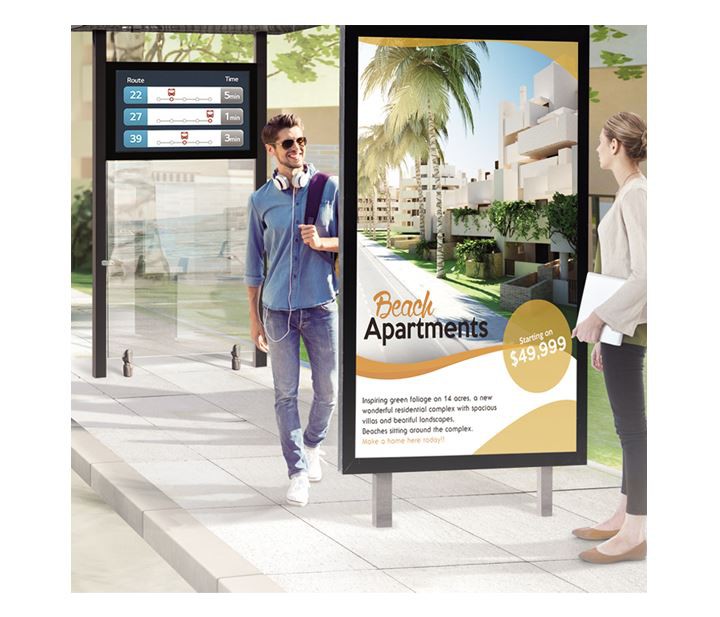
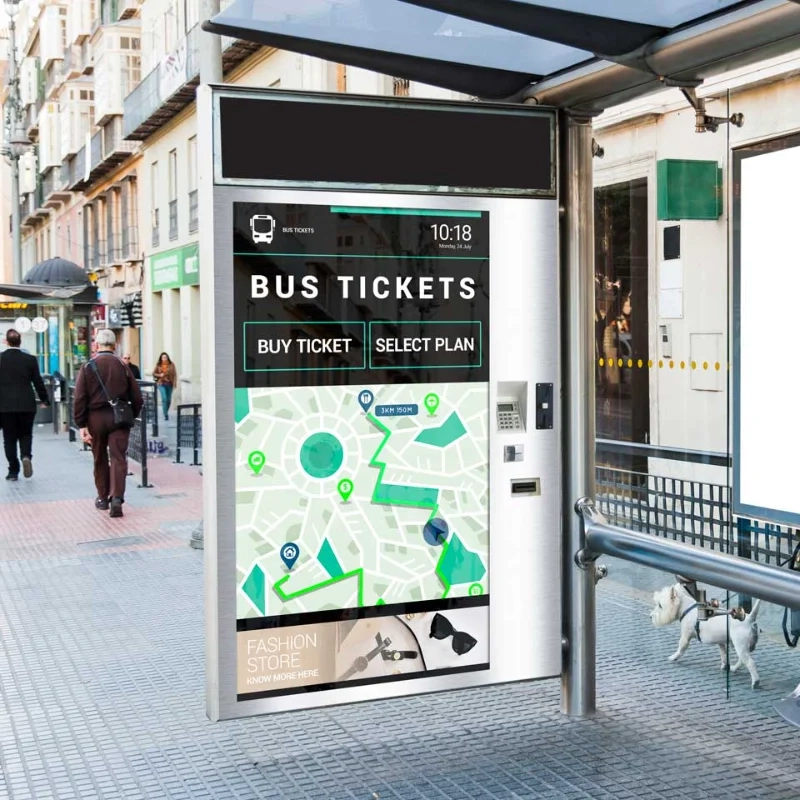
One of the most notable practical applications is in military field operations, where soldiers rely on handheld or vehicle-mounted displays for navigation, communication, and mission planning. For instance, the U.S. Department of Defense has adopted high-brightness LCDs with brightness levels up to 7,000 nits in tactical tablets and night vision systems. Similarly, in public transportation, buses and trains now use sunlight-readable screens for real-time route information and passenger alerts, ensuring legibility during daytime travel.
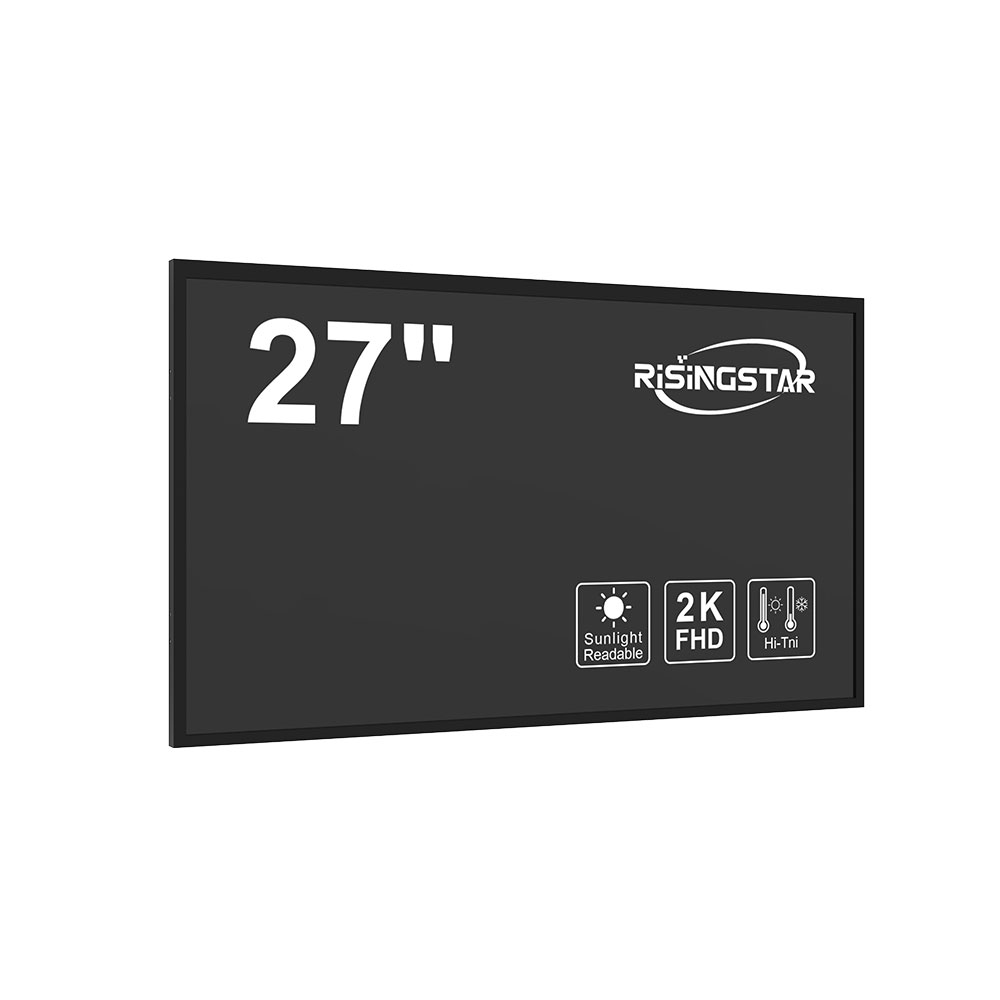
The advantages of these displays are manifold. First, they offer superior contrast ratios and wide viewing angles (typically 170° horizontal and vertical), making them suitable for multi-user environments like control rooms or shared workstations. Second, their use of advanced backlighting technologies—such as LED arrays with local dimming or cold cathode fluorescent lamps (CCFL)—enables energy efficiency without compromising brightness. Third, many models now support ruggedized IP65 or higher ratings, offering protection against dust, water, and mechanical shock—critical for industrial automation or construction site monitoring.
However, common problems persist. One issue is thermal management; prolonged exposure to high ambient temperatures can cause premature aging of components, especially if passive cooling solutions are inadequate. Another challenge is color accuracy degradation under varying light conditions—a known limitation when using uncalibrated panels. To mitigate this, manufacturers increasingly integrate automatic brightness sensors (ambient light sensors) and dynamic white balance adjustments, as seen in recent designs by companies like LG Display and Sharp Corporation.
Recent trends show a shift toward mini-LED and micro-LED backlights for higher peak brightness and better local dimming control. For example, Samsung’s QLED-based sunlight-readable displays now achieve 10,000 nits peak brightness, surpassing traditional LED-backlit LCDs. Additionally, the integration of touch technology—such as projected capacitive (PCAP) touch layers—has improved usability in gloves or wet conditions, a necessity in manufacturing and emergency response sectors.
From a standards perspective, the ISO 14122-3:2018 guideline for visual display units in hazardous environments emphasizes the importance of luminance stability and readability in outdoor contexts. Furthermore, MIL-STD-810H testing protocols validate durability against vibration, shock, and temperature extremes—ensuring reliability in military-grade applications.
In conclusion, high-brightness sunlight-readable LCDs represent a convergence of engineering innovation and user-centric design. As industries continue to digitize operations in outdoor and harsh environments, the demand for robust, readable, and energy-efficient displays will only grow—driving advancements in materials science, optical engineering, and smart sensor integration.