RisingStar
- Home
- About Us
- Products
- News
- Video
- Contact
- Send Inquiry
Search
- Home
- About Us
- Products
- News
- Video
- Contact
- Send Inquiry
RisingStar
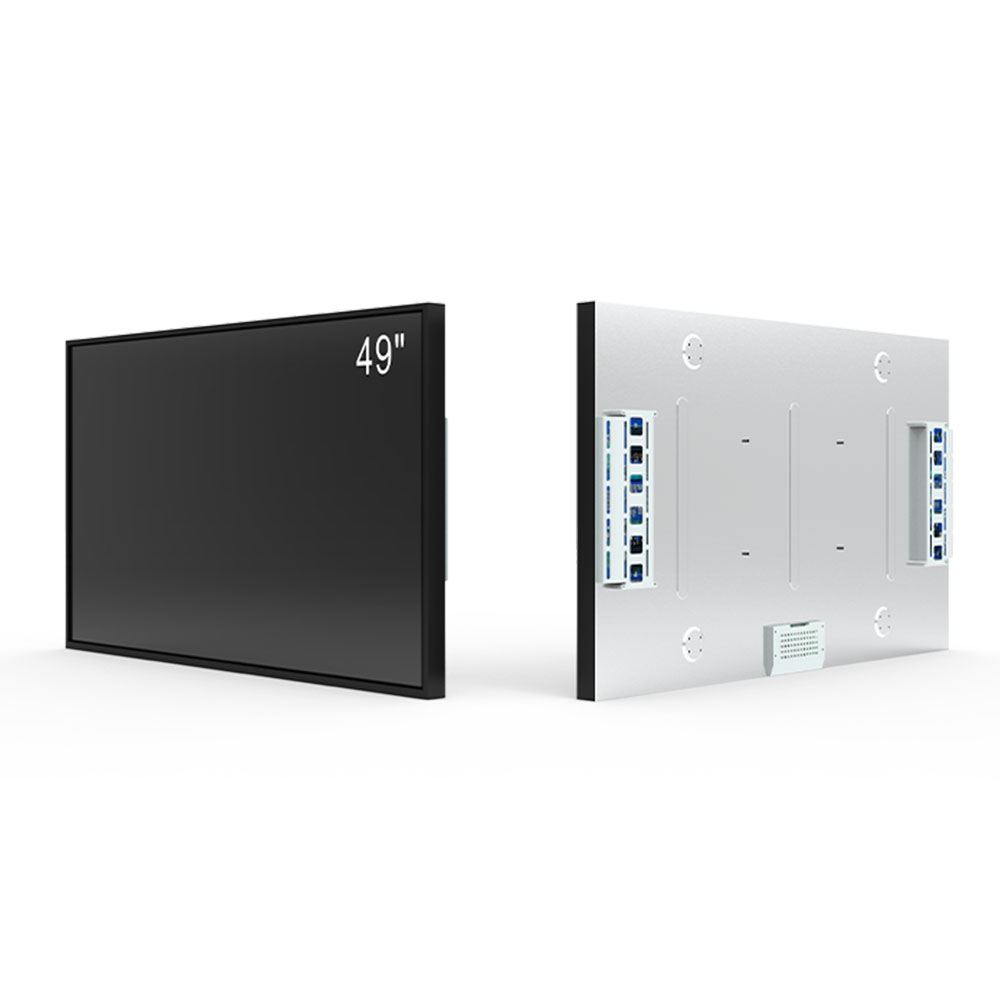
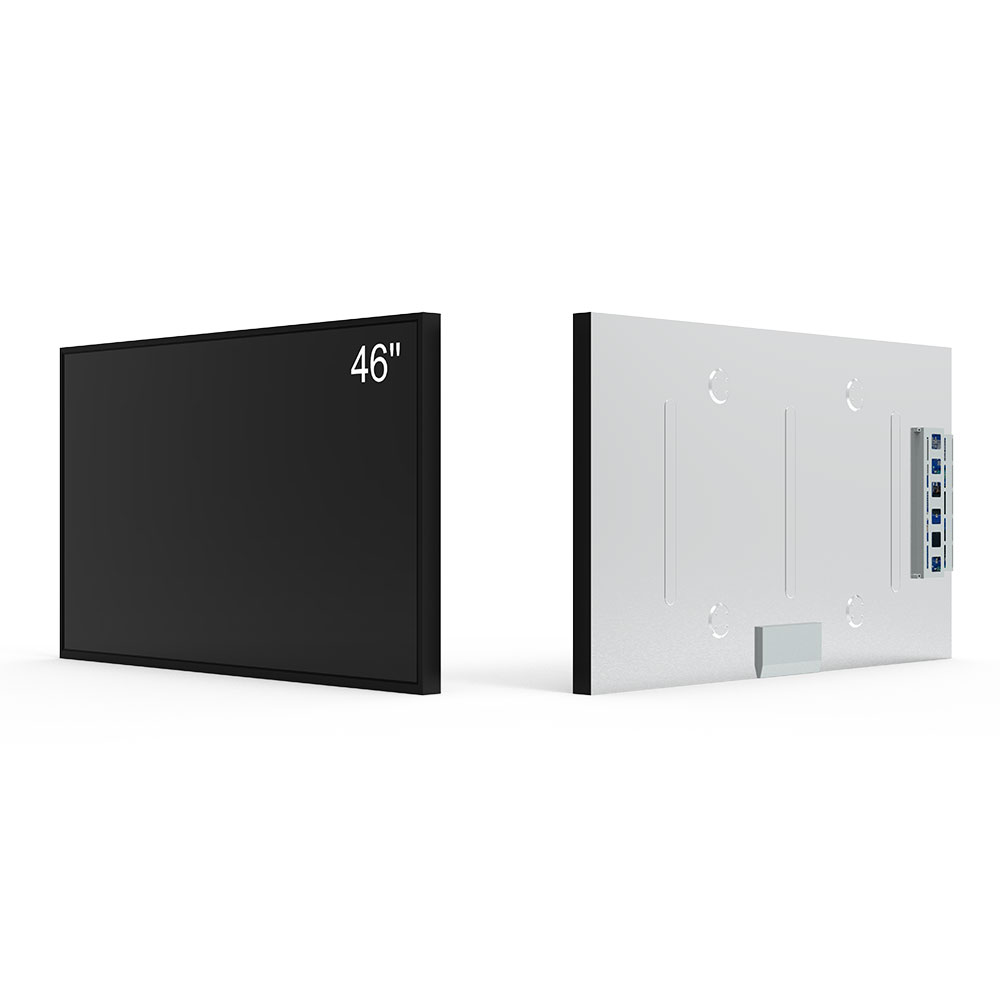
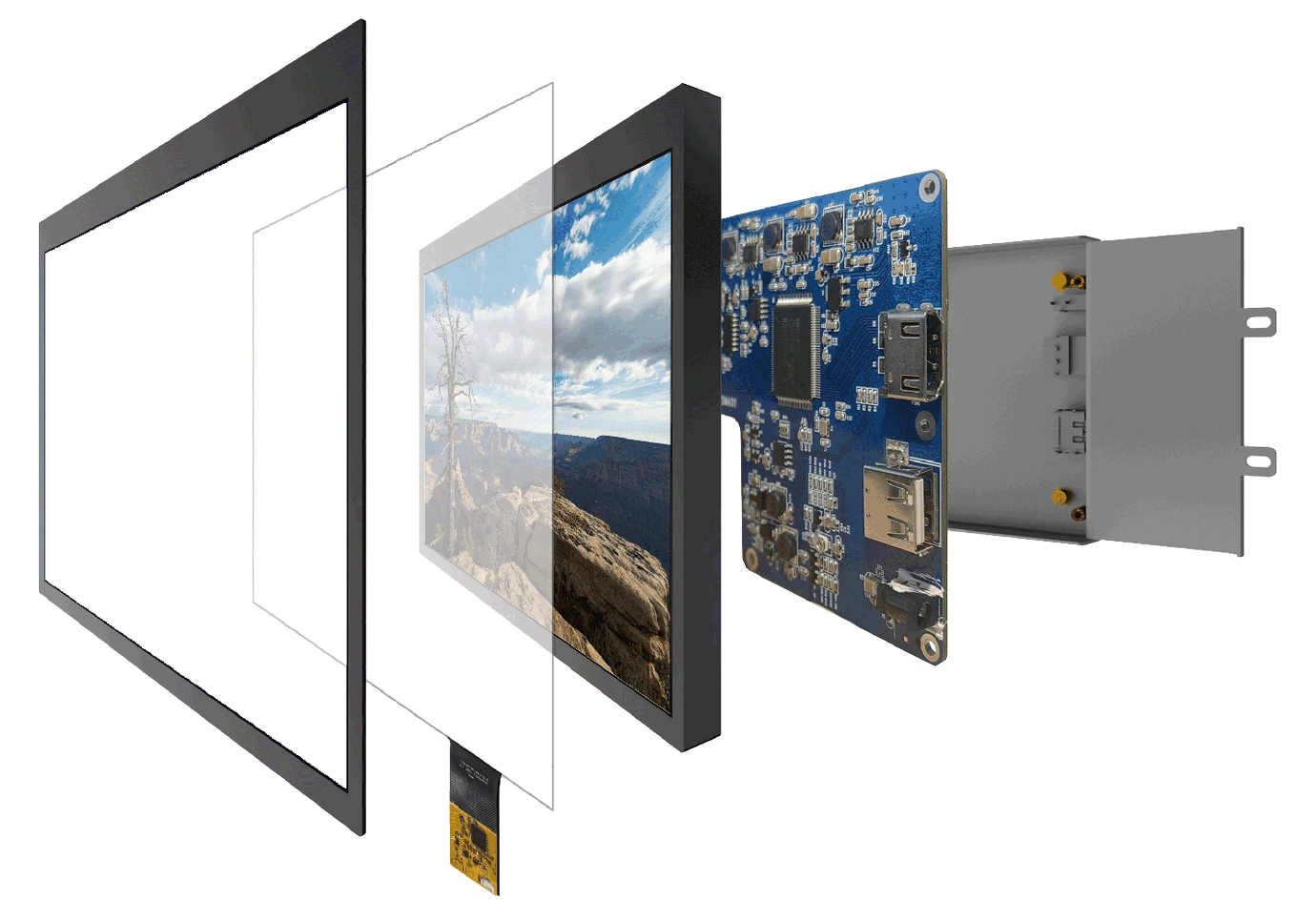
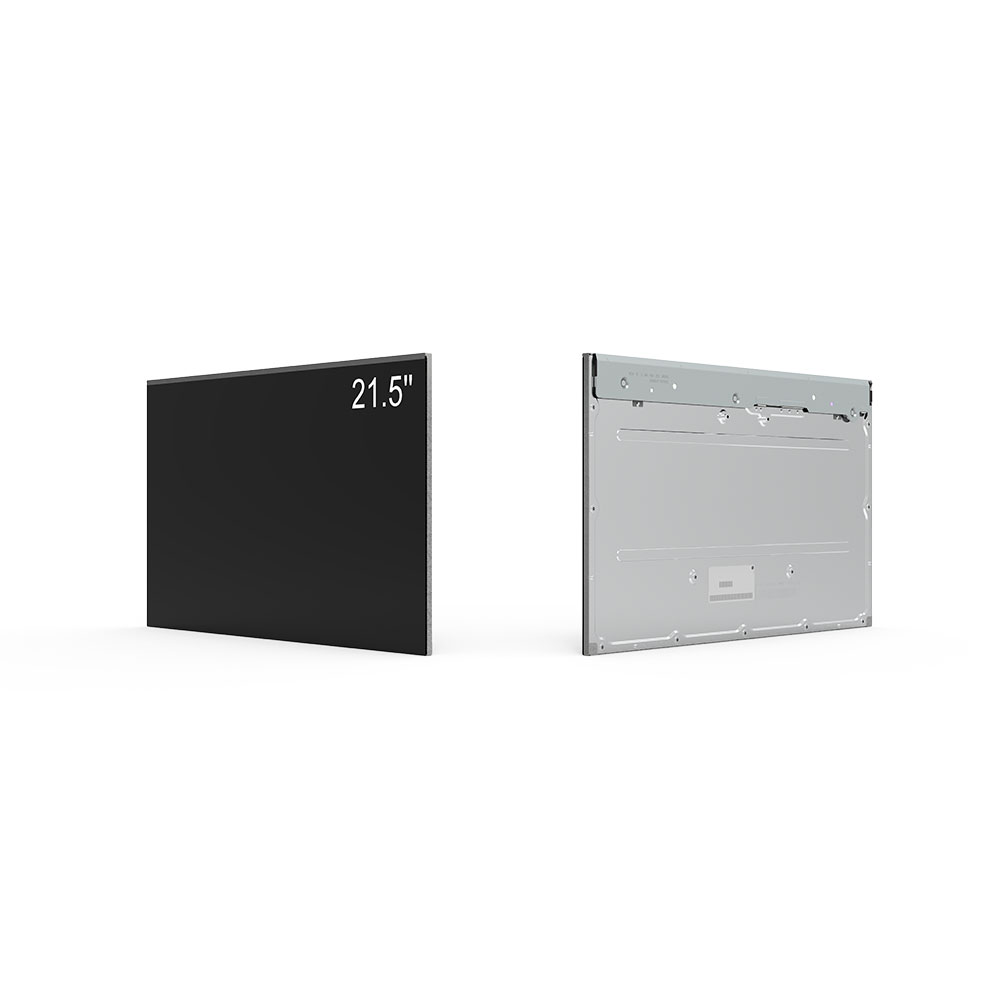
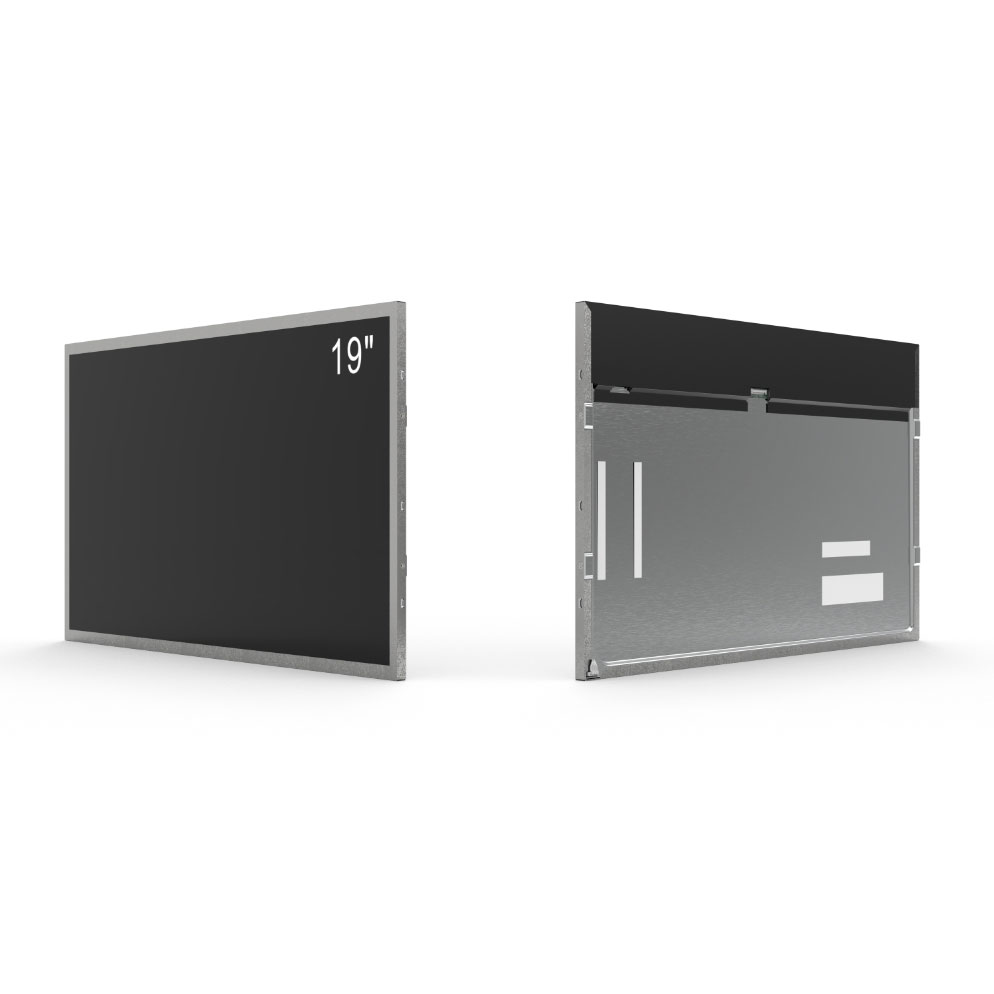
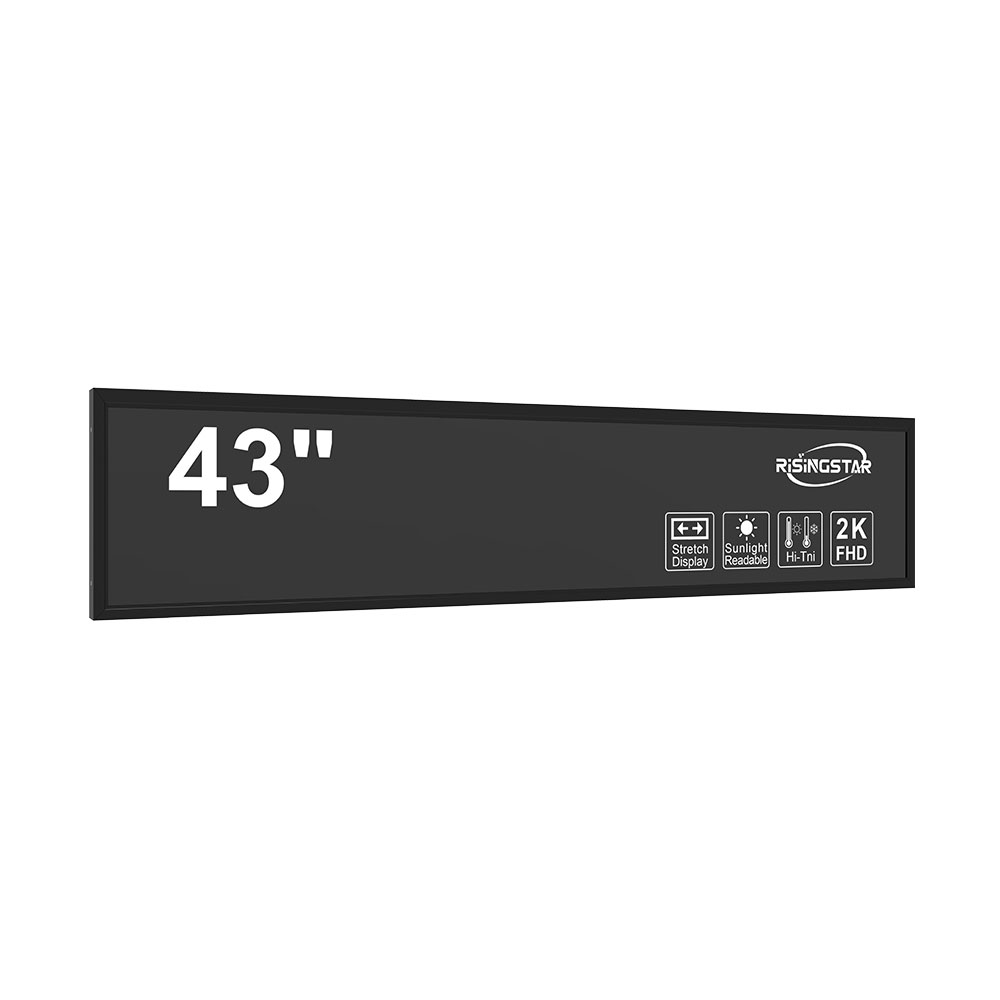
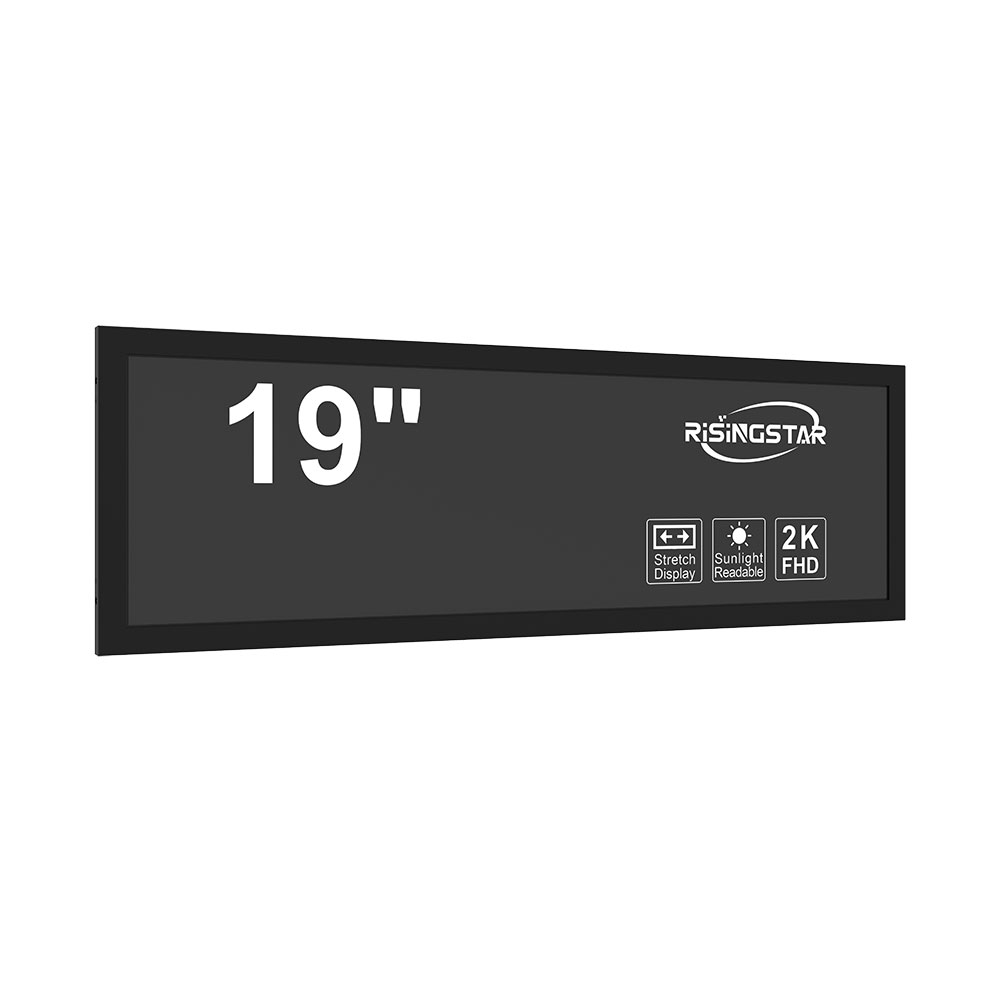
Sunlight-readable LCD displays with a 16:9 aspect ratio have become essential in outdoor, industrial, military, and transportation applications where high visibility under direct sunlight is critical. These displays, available in sizes ranging from 10.1 inches to 110 inches—including popular models like 13.3", 15.6", 18.5", 21.5", 23.8", 27", 32", 43", 46", 49", 55", 65", 75", 86", and 98"—are engineered using advanced technologies such as high-brightness LED backlighting (typically 5,000 to 10,000 nits), anti-glare coatings, and optimized contrast ratios to ensure readability even under harsh environmental conditions.
The 16:9 format aligns with modern video standards (like HD and 4K) and is widely adopted in kiosks, digital signage, command centers, medical equipment, and automotive dashboards. According to industry data from the International Display Industry Association (IDIA, 2023), over 65% of new outdoor display deployments use 16:9 panels due to their compatibility with multimedia content and efficient space utilization. For instance, 43" and 55" models are common in public transit information systems, while 75" and 86" units dominate in control rooms for energy, defense, and logistics sectors.
Key technical features include:
- High Brightness: Ranging from 5,000 to 10,000 nits, surpassing typical indoor displays (~300–500 nits).
- Anti-Reflective Coatings: Multi-layer optical films reduce ambient light reflection by up to 90%.
- Wide Viewing Angles: Up to 178° horizontal and vertical, ensuring consistent image quality from any angle.
- Ruggedized Designs: IP65 or higher ingress protection for dust and water resistance, often compliant with MIL-STD-810G for shock and vibration tolerance.
- Temperature Range Support: Operating from -30°C to +70°C, enabling deployment in arctic and desert environments.
Case studies from companies like Sharp, LG, and Samsung show that integrating 16:9 sunlight-readable LCDs in solar-powered outdoor kiosks reduced maintenance costs by 40% compared to standard displays. In military applications—such as those used by the U.S. Army’s Joint Tactical Command Systems—these screens remain readable during daylight operations, significantly improving situational awareness.
With growing demand in smart cities, autonomous vehicles, and remote monitoring, manufacturers continue to innovate with OLED-based solutions and adaptive brightness algorithms that optimize power consumption without sacrificing visibility. The future of 16:9 sunlight-readable LCDs lies in smarter integration with AI-driven display optimization, making them indispensable across industries globally.