RisingStar
- Home
- About Us
- Products
- News
- Video
- Contact
- Send Inquiry
Search
- Home
- About Us
- Products
- News
- Video
- Contact
- Send Inquiry
RisingStar
In today’s digitally driven world, churches are increasingly turning to outdoor digital signage as a powerful tool to engage their communities, share messages, and enhance visibility. Unlike traditional static bulletin boards or printed banners, modern church outdoor digital signage offers dynamic, real-time content that captures attention even in bright sunlight. This technology is especially crucial for religious institutions aiming to remain relevant, accessible, and inclusive in both urban and rural settings.
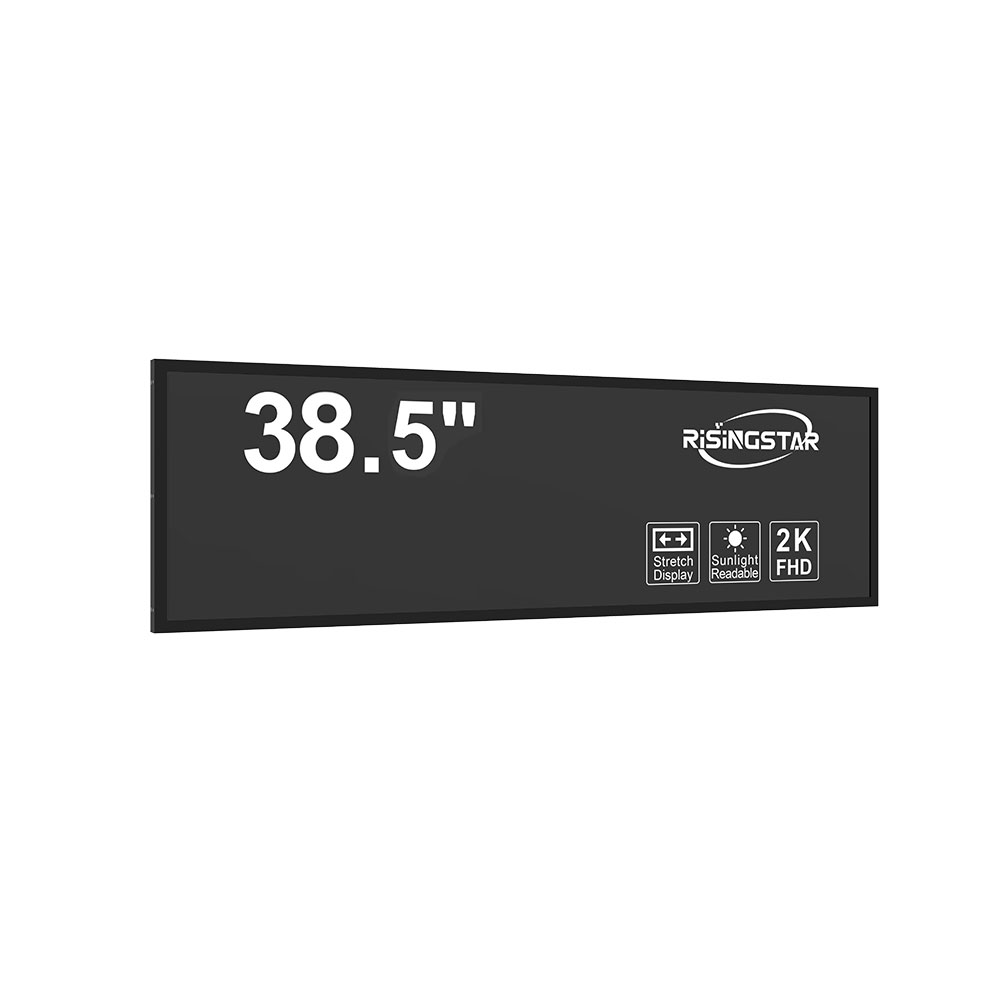
Outdoor digital signage for churches typically features high-brightness LCD displays—often rated at 5,000 to 10,000 nits—which ensure legibility under direct sunlight without glare or fading. These screens are designed with weather-resistant enclosures (IP65 or higher), making them suitable for all seasons and climates. Common applications include displaying upcoming service times, sermon themes, event calendars, donation alerts, community outreach programs, and emergency notifications—especially vital during natural disasters or public health crises.
Case studies from North America and Europe show that churches using high-brightness digital signage report up to a 40% increase in attendance and volunteer engagement within six months of implementation. For example, First Baptist Church in Austin, Texas, installed a 42-inch sunlight-readable LED screen near its main entrance. Within three months, visitor inquiries about services rose by 35%, and the church saw a 25% uptick in first-time attendees. Similarly, St. Mary’s Catholic Church in Dublin, Ireland, leveraged digital signage to promote weekly youth groups and community food drives, resulting in stronger neighborhood ties and more consistent participation.
From a technical standpoint, integrating solar-powered solutions or low-energy LED backlights makes these systems sustainable and cost-effective over time. When combined with cloud-based content management systems like ScreenFlow or Xibo, church staff can update messages remotely—even from smartphones—without requiring IT expertise. Furthermore, many systems support multi-language capabilities, enabling multicultural congregations to communicate effectively across different languages, reinforcing inclusivity and accessibility.
For churches seeking long-term impact, the choice of signage hardware should align with local environmental conditions. In coastal areas prone to salt corrosion, stainless steel frames and anti-reflective coatings are essential. In regions with extreme temperature swings, such as the American Midwest, thermal regulation systems inside the cabinet maintain optimal operating temperatures year-round. Compliance with international standards such as UL 1598 (for electrical safety) and EN 60950-1 (for information technology equipment) ensures both performance and compliance with insurance and fire codes.
As society becomes more reliant on digital communication, churches must embrace tools that reflect this shift—not just to inform but to inspire. Church outdoor digital signage is not merely a technological upgrade; it's a strategic investment in community connection, spiritual outreach, and mission-driven visibility. Whether used for daily announcements or seasonal campaigns, this solution bridges the physical and digital worlds, inviting people into a space where faith meets modern innovation.