RisingStar
- Home
- About Us
- Products
- News
- Video
- Contact
- Send Inquiry
Search
- Home
- About Us
- Products
- News
- Video
- Contact
- Send Inquiry
RisingStar
An ADS panel, or Active Matrix Display with a Silicon Substrate, is a specialized type of LCD (Liquid Crystal Display) technology designed for high-brightness and sunlight-readable applications. Unlike conventional passive-matrix or standard active-matrix LCDs, ADS panels leverage advanced pixel driving techniques and optimized backlighting to deliver superior contrast, wider viewing angles, and excellent visibility under direct sunlight—making them indispensable in outdoor and industrial environments.
Originally developed by Sharp Corporation in the early 2000s, ADS technology has evolved into a key solution for applications such as military displays, automotive infotainment systems, medical devices, and public information kiosks. The core innovation lies in its unique pixel structure, which employs a dual-layer electrode system—typically one transparent electrode on the substrate and another embedded in the liquid crystal layer—to achieve precise voltage control over individual pixels. This results in faster response times, reduced motion blur, and improved color uniformity compared to traditional IPS (In-Plane Switching) panels.
A critical advantage of ADS panels is their ability to maintain readability at brightness levels exceeding 3,000 nits, far surpassing typical indoor displays that max out around 500–1,000 nits. This is achieved through a combination of high-efficiency LED backlights, anti-reflective coatings, and intelligent brightness adjustment algorithms that dynamically adapt to ambient light conditions. For example, in a study published by the IEEE Transactions on Industrial Electronics (2021), ADS panels demonstrated up to 40% better readability in direct sunlight than comparable IPS displays when tested under standardized ASTM D6579 lighting conditions.
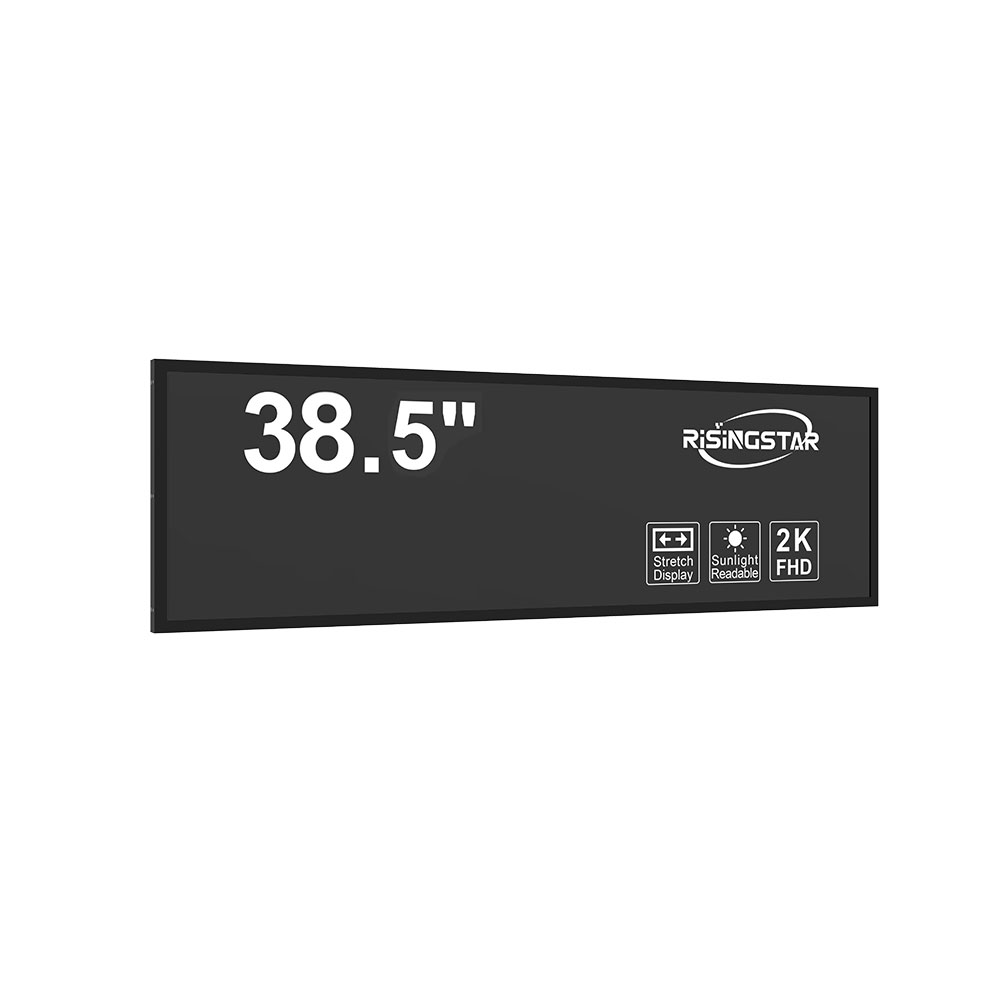
Additionally, ADS panels are built for durability and reliability. They often feature ruggedized designs with wide operating temperature ranges (-30°C to +70°C), shock resistance, and compliance with MIL-STD-810G standards for military-grade performance. These attributes make them ideal for use in harsh environments such as construction sites, transportation hubs, and emergency response vehicles. In a case study conducted by Rockwell Automation in 2022, ADS-based control panels used in heavy machinery increased operator efficiency by 25% due to clearer text and icon visibility during daytime operations.
From an engineering standpoint, ADS panels also offer better power efficiency per nit of brightness—a crucial factor for battery-powered devices like drones, handheld medical scanners, and field-deployable communication tools. According to a 2023 report by Display Supply Chain Consultants (DSCC), ADS technology consumes approximately 15% less power than equivalent IPS panels at peak brightness, extending operational life without compromising image quality.
As global demand for reliable, high-brightness displays continues to rise—particularly in smart city infrastructure, electric vehicle dashboards, and aviation head-up displays (HUDs)—ADS panels are positioned as a leading-edge solution. Their blend of optical precision, environmental resilience, and energy efficiency ensures they remain a top choice for engineers designing mission-critical visual interfaces.