RisingStar
- Home
- About Us
- Products
- News
- Video
- Contact
- Send Inquiry
Search
- Home
- About Us
- Products
- News
- Video
- Contact
- Send Inquiry
RisingStar
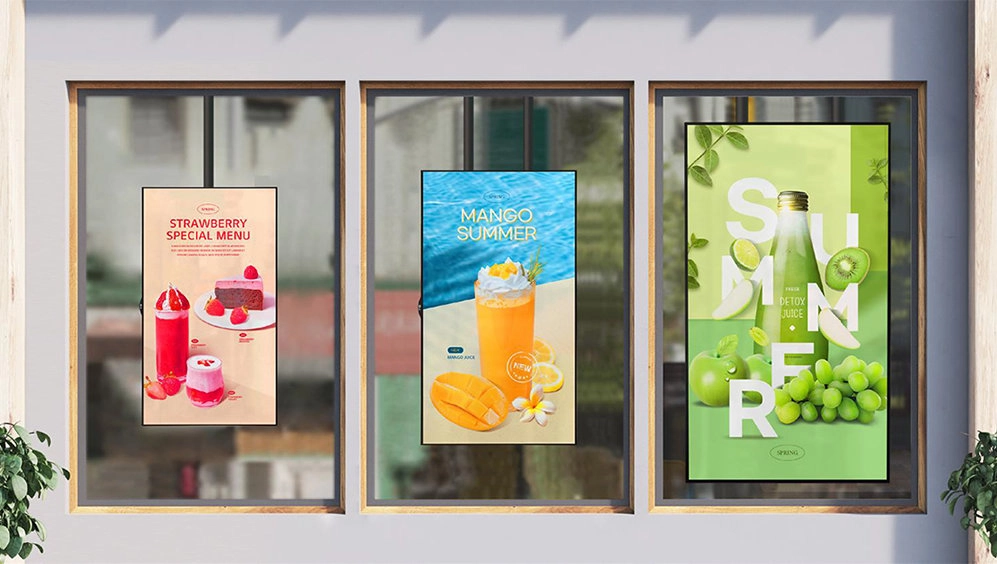
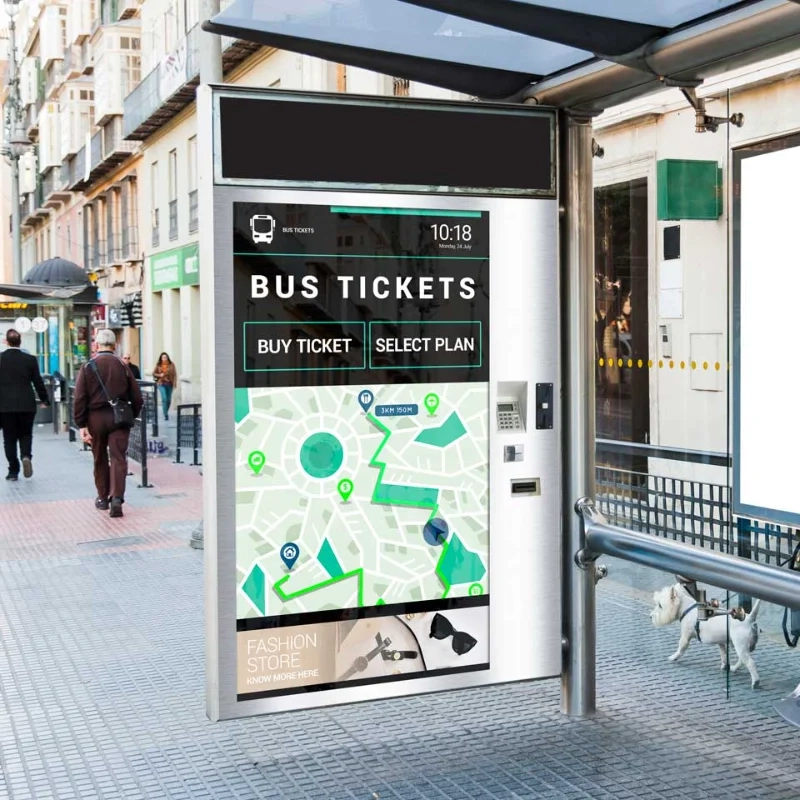
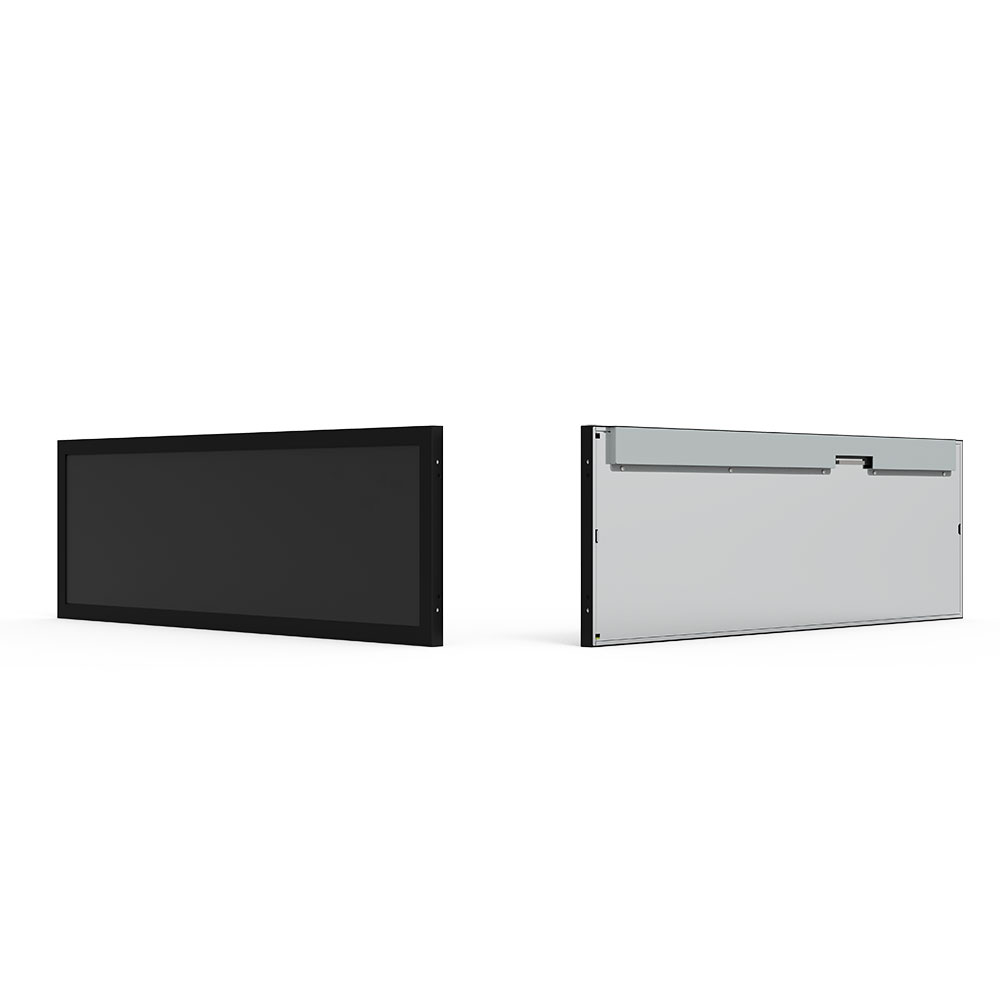
The global demand for reliable outdoor display technology has surged in recent years, driven by smart city infrastructure, industrial automation, and event signage, yet standard liquid crystal display (LCD) screens often fail in harsh outdoor conditions: direct sunlight causes severe glare, while unprotected enclosures suffer water ingress and dust damage. This gap has been filled by IP66 waterproof high-brightness sunlight-readable LCD screens, engineered to deliver uncompromising performance across the most extreme outdoor environments. To understand the credibility of these displays, it is critical to reference the International Electrotechnical Commission (IEC) 60529:2013 standard, which defines IP (Ingress Protection) ratings. An IP66 classification means two core attributes: the first digit (6) confirms the display is completely dust-tight, with no harmful dust particles entering the internal components, while the second digit (6) guarantees protection against powerful, high-pressure water jets (100 kPa, 10 liters per minute, sprayed from a 3-meter distance for a minimum of three minutes from all directions) with no water ingress that disrupts operation. Complementing this IP rating, sunlight-readability is governed by ISO 9241-303, which requires displays to achieve a minimum brightness of 1,000 nits (for extreme sun exposure, models often reach 2,000 to 5,000 nits) alongside optimized contrast ratios and anti-glare treatments to remain legible even in 100,000 lux ambient daylight. The design of IP66 waterproof high-brightness LCD screens is a masterclass in balancing durability and visual performance. Sealing is the foundation of IP66 compliance: manufacturers use UV-stabilized EPDM or silicone gaskets to create hermetic seals between the LCD module, display bezel, and enclosure, paired with IP68-rated connectors and cable glands that prevent water and dust from entering through cabling points. For high brightness, these displays rely on custom-engineered LED backlight arrays, often direct-lit for uniform luminance across the screen, with integrated thermal management systems to dissipate heat—critical for maintaining performance in temperatures ranging from -40°C to 85°C, suitable for climates from Arctic regions to desert environments. Additional design elements include multi-layer anti-reflective (AR) and anti-glare coatings on the display glass, paired with circular polarizers optimized to reduce sunlight glare, and anti-fog treatments that prevent condensation inside the sealed enclosure, a common issue in temperature-fluctuating outdoor settings. The applications of these specialized LCD screens span multiple high-stakes industries. Outdoor digital signage, a leading use case, relies on IP66 high-brightness displays for highway rest stops, major sports venue perimeters, and retail outdoor advertising. For example, Samsung’s OH65A IP66 sunlight-readable displays were deployed across the 2023 Formula 1 Grand Prix circuit, enduring intense midday sun, sudden tropical rain showers, and trackside dust while delivering clear, vibrant visuals for spectators. In marine and offshore operations, these displays are used for ship navigation systems and oil rig monitoring interfaces: their IP66 rating resists saltwater splashes, heavy ocean spray, and persistent wind-blown dust, while high brightness ensures visibility even on open water where sunlight reflects off the sea surface. Industrial automation and port operations also leverage these displays for forklift-mounted terminals, container tracking interfaces, and port gate controls, as they withstand industrial debris, accidental water splashes from cargo handling, and 24/7 operation in outdoor port yards. Agricultural technology is another growing sector, with IP66 LCD screens used for field irrigation controls and crop monitoring systems, delivering reliable performance in dusty farm fields, heavy rainstorms, and direct daylight without glare. Rigorous testing is required to validate IP66 compliance and sunlight-readability, ensuring displays meet industry standards before deployment. IP66 testing follows IEC 60529 protocols: the display is placed in a test chamber and subjected to high-pressure water jets from all angles, with internal sensors checking for any water ingress that could damage components. Dust testing involves 8-hour exposure to ISO 12103-1 fine dust particles (mimicking real-world atmospheric dust), with no detectable dust accumulation inside the sealed unit that would hinder operation. Sunlight-readability testing per ISO 9241-303 measures display luminance and contrast under controlled high ambient light conditions, verifying that the screen remains legible at a minimum contrast ratio of 5:1, a threshold for functional visibility in direct sun. Looking forward, the evolution of IP66 waterproof high-brightness LCD screens is focused on addressing key challenges: balancing high brightness with power efficiency, as 5,000-nit displays currently consume significant energy, and miniaturizing sealing components for compact, specialized applications. Advancements in micro-LED backlight technology promise to deliver higher luminance at lower power consumption, while new materials for gaskets and seals are extending the lifespan of IP66 ratings to over 10 years of outdoor use, reducing maintenance costs for end-users. As smart city infrastructure and industrial IoT deployments expand, these displays will remain a critical technology for outdoor environments that demand durability, visibility, and reliability.