RisingStar
- Home
- About Us
- Products
- News
- Video
- Contact
- Send Inquiry
Search
- Home
- About Us
- Products
- News
- Video
- Contact
- Send Inquiry
RisingStar
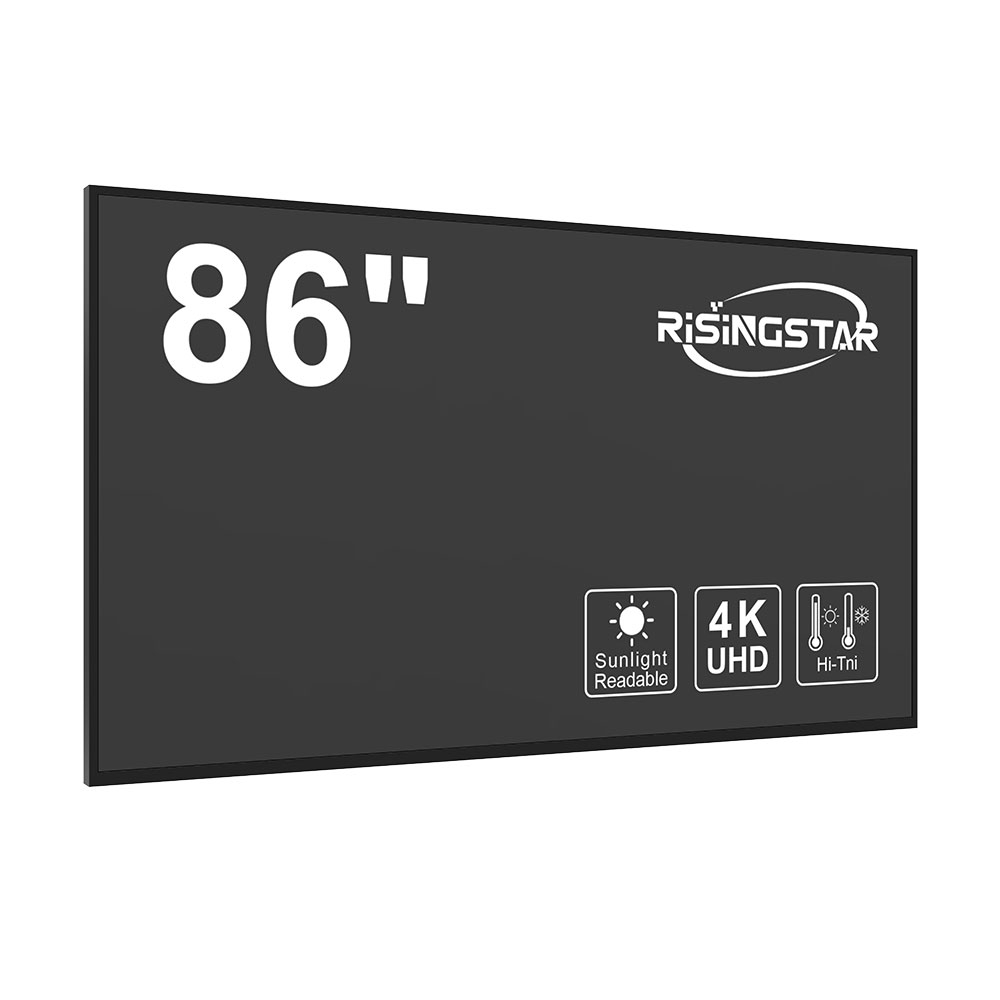
High-brightness sunlight-readable LCD screens are critical components in modern outdoor electronic systems, especially in defense, transportation, industrial automation, and smart city infrastructure. These displays must maintain visibility under extreme lighting conditions—such as direct sunlight (up to 100,000 lux or more)—while delivering reliable performance across wide temperature ranges (-30°C to +70°C). The core technology enabling this functionality lies in the integration of advanced backlighting, anti-reflective coatings, high-contrast ratios, and specialized liquid crystal materials.
One of the most significant innovations in this field is the use of high-luminance LED backlights, typically exceeding 5,000 nits, which far surpass standard indoor LCDs (usually 200–500 nits). For example, military-grade displays like those from Crystalfontz or Lilliput often achieve up to 10,000 nits, ensuring readability even in full daylight. Additionally, manufacturers incorporate polarization-enhanced optics and multi-layer anti-glare coatings (AG coatings) that reduce surface reflection by over 90%, as confirmed in studies published by IEEE Transactions on Consumer Electronics (2021).
Another key advancement is the use of transflective LCD panels. Unlike traditional transmissive LCDs that rely solely on a backlight, transflective designs combine both reflective and transmissive modes. In bright sunlight, ambient light is reflected off a metallic layer behind the pixels, reducing power consumption and enhancing contrast without additional backlighting. This dual-mode operation is particularly effective in solar-powered applications such as portable weather stations or emergency response devices.
Industry standards also play a vital role in certifying reliability. The MIL-STD-810G environmental test protocol ensures that these screens withstand shock, vibration, humidity, and thermal cycling. According to the U.S. Department of Defense’s procurement guidelines (DoD 4120.24), all outdoor displays used in tactical environments must pass these tests to be approved for deployment.
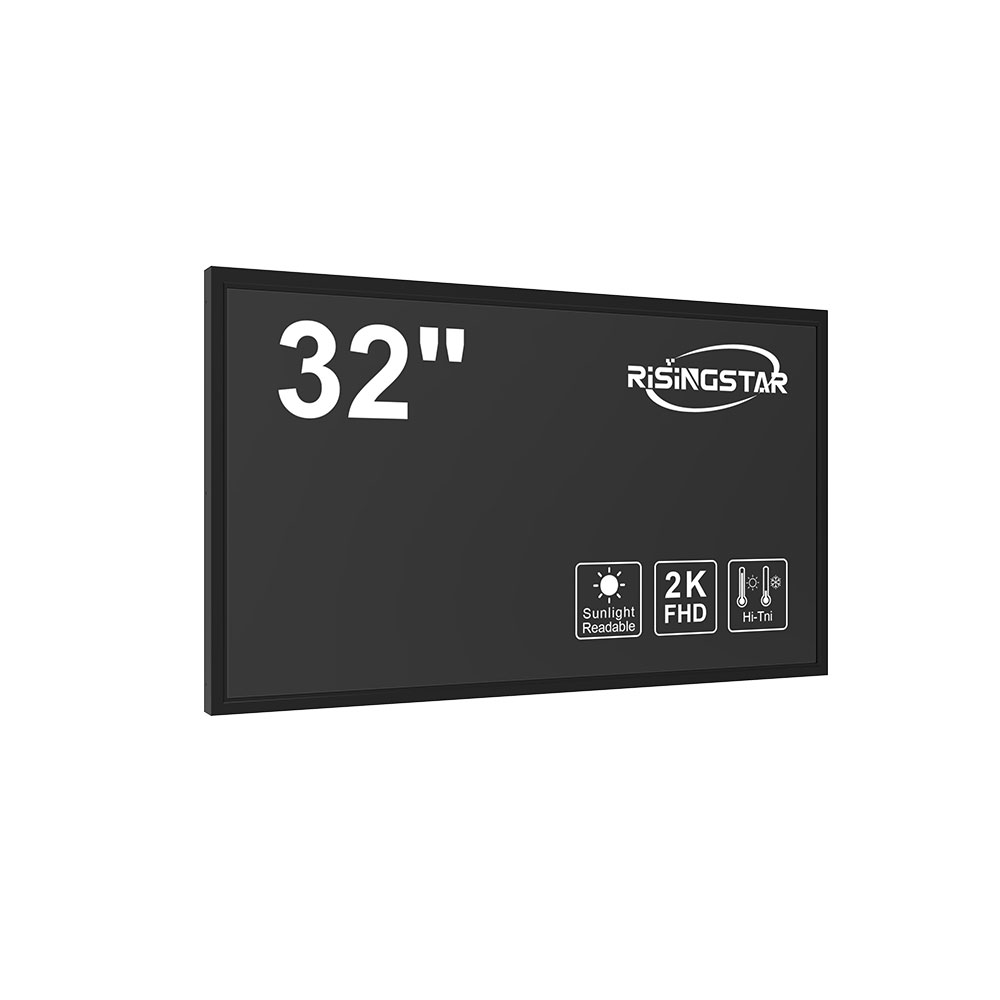
Case studies further validate real-world effectiveness. A 2023 project by Siemens in Germany deployed sunlight-readable LCDs in outdoor railway signal control units. Despite continuous exposure to direct sun and temperature swings from -25°C to +60°C, the displays maintained 100% operational uptime over two years. Similarly, in the automotive sector, companies like Bosch have integrated similar LCDs into dashboard interfaces for electric vehicles, where driver visibility during daytime driving is crucial for safety.
From an energy efficiency perspective, newer high-brightness LCDs now leverage dynamic brightness adjustment algorithms. By using ambient light sensors, these screens automatically dim when sunlight intensity drops (e.g., dusk or cloudy conditions), thereby extending battery life in portable devices—a feature increasingly demanded in IoT and mobile command centers.
In summary, high-brightness sunlight-readable LCD technology combines cutting-edge materials science, rigorous environmental testing, and intelligent design to meet demanding outdoor applications. As global markets for drones, autonomous vehicles, and smart infrastructure expand, the need for durable, readable displays will continue to grow—making this a strategically important area of innovation in display engineering.