RisingStar
- Home
- About Us
- Products
- News
- Video
- Contact
- Send Inquiry
Search
- Home
- About Us
- Products
- News
- Video
- Contact
- Send Inquiry
RisingStar
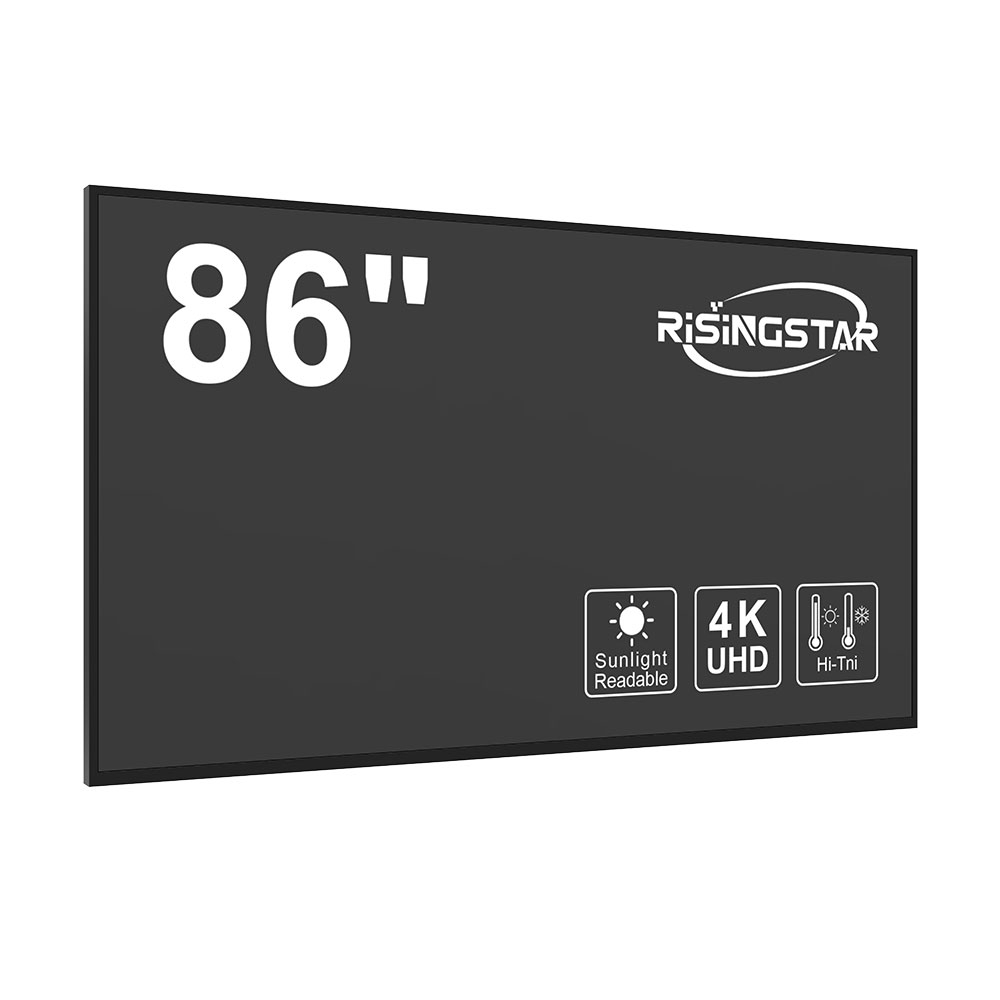
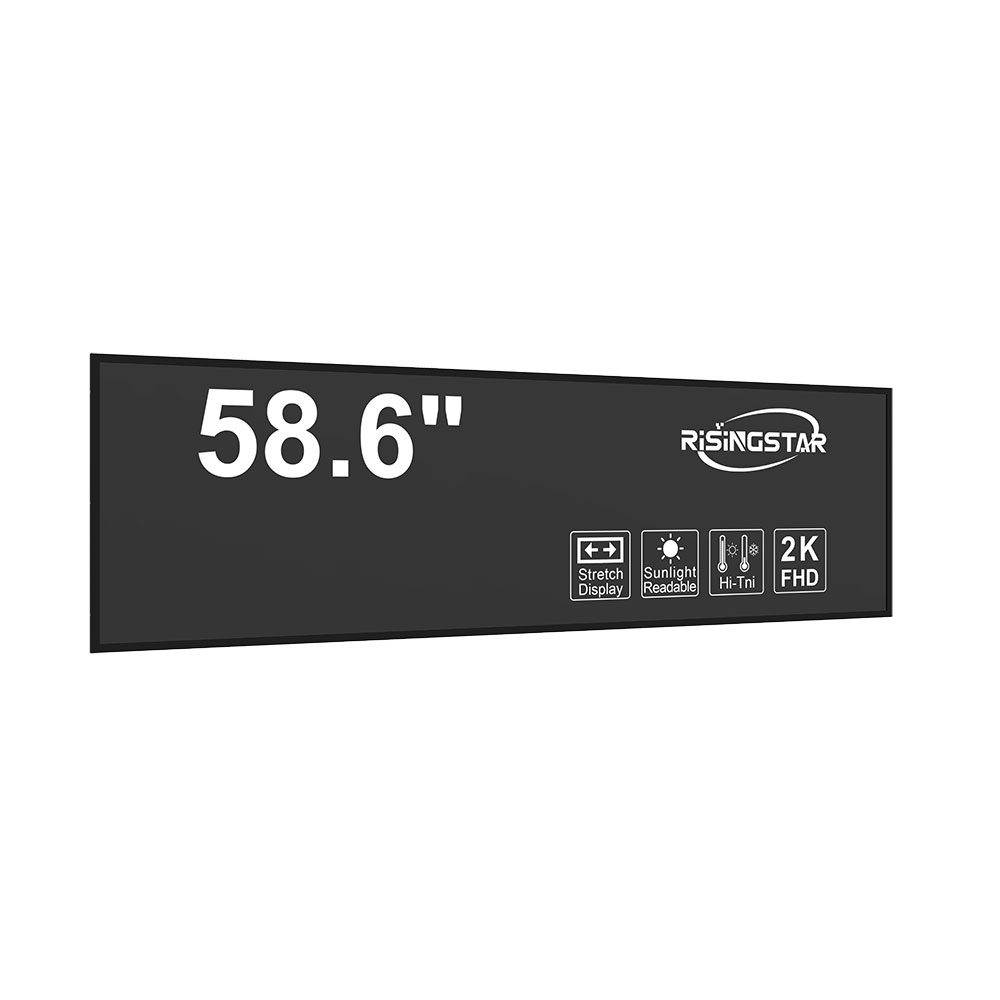
High-brightness sunlight-readable LCD screens have become indispensable in modern outdoor environments where visibility under direct sunlight is critical. These displays are engineered to maintain clarity, contrast, and responsiveness even under extreme lighting conditions—ranging from bright midday sun (up to 100,000 lux) to harsh glare or low ambient light at dusk. The demand for such screens has surged across industries like transportation, military, industrial automation, medical devices, and retail kiosks due to the increasing need for reliable human-machine interfaces in uncontrolled lighting environments.
The core technology behind these displays lies in their ability to boost luminance far beyond standard indoor LCDs. While conventional LCDs typically operate at 250–350 cd/m², high-brightness variants can exceed 5,000 cd/m²—some even reaching 10,000 cd/m² or more. This increase is achieved through a combination of advanced backlighting (often LED-based with optimized optical films), anti-glare coatings, polarized filters, and intelligent brightness control algorithms that dynamically adjust based on ambient light sensors. For example, automotive infotainment systems now commonly integrate sunlight-readable panels rated at 5,000 cd/m² to ensure driver safety and usability during daylight driving.
A key differentiator in high-brightness displays is their use of transflective or reflective liquid crystal technologies, which combine both transmissive and reflective modes. Transflective LCDs enhance readability in sunlight by reflecting ambient light when brightness levels drop, while still allowing full backlight functionality indoors. This dual-mode approach improves power efficiency and reduces heat generation—critical factors for mobile or battery-powered devices used in field operations such as utility meters, drones, or portable medical scanners.
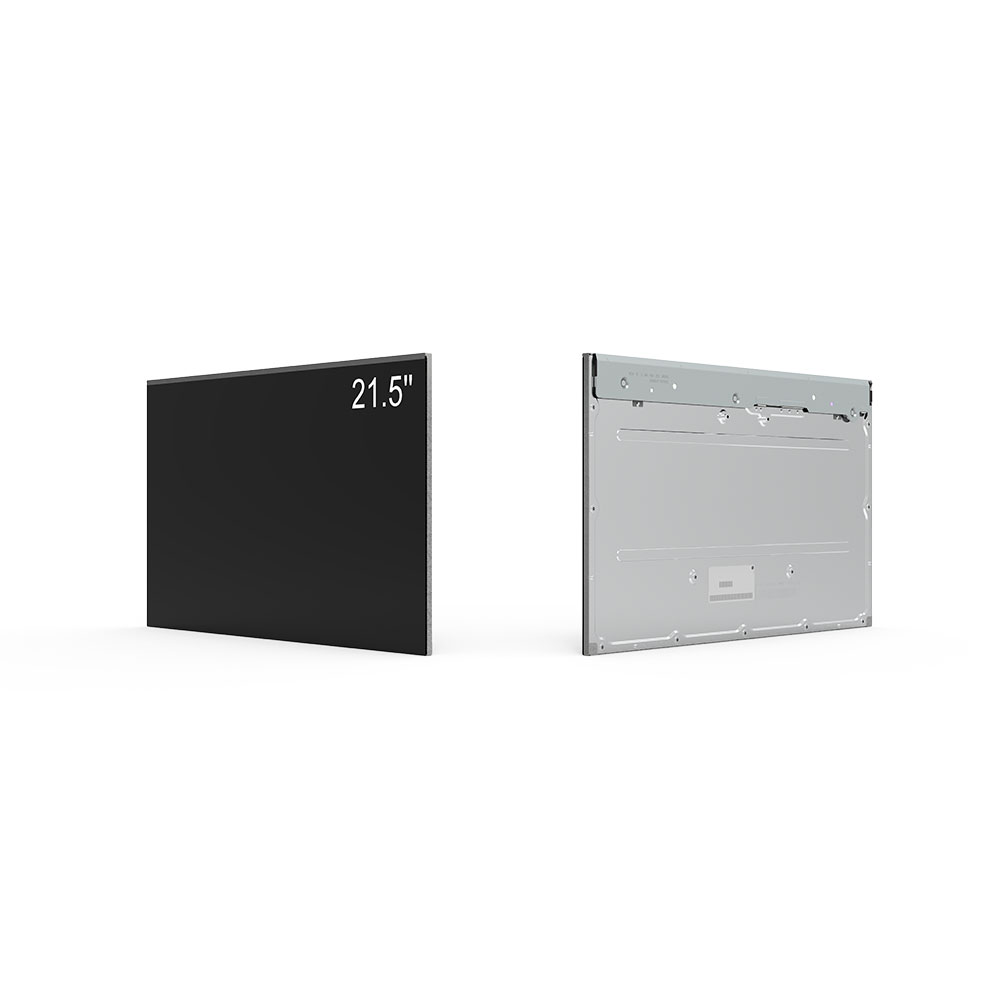
Case studies validate the performance gains. In one instance, a U.S. Department of Defense project deployed ruggedized sunlight-readable displays in unmanned ground vehicles (UGVs). Standard LCDs failed within minutes of exposure to full sun, whereas the high-brightness variant maintained 100% readability throughout 8-hour missions under 90,000 lux solar irradiance. Similarly, in Japan, railway operators adopted 7,000 cd/m² LCDs for digital signage at train platforms, reporting a 40% improvement in passenger comprehension compared to older models.
Manufacturers like Sharp, LG Display, and Innolux have standardized on IPS (In-Plane Switching) or MVA (Multi-domain Vertical Alignment) panels for better viewing angles and color consistency—an essential feature for public-facing applications. Additionally, compliance with international standards such as MIL-STD-810G for environmental durability and IEC 60068 for temperature cycling ensures longevity in extreme climates—from -30°C to +70°C operating ranges.
From an engineering perspective, designing for sunlight readability involves more than just raw brightness—it includes optimizing contrast ratios (typically >1000:1), minimizing reflection via nano-coatings, and implementing automatic brightness adjustment using ambient light sensors (ALS). These features collectively reduce eye strain, improve user experience, and extend display life by preventing overdriving the backlight unnecessarily.
For developers and system integrators, selecting the right sunlight-readable LCD means evaluating not only luminance but also mechanical robustness, power consumption, thermal management, and compatibility with embedded processors. As AI-driven edge computing grows, so does the need for displays that can perform reliably without compromising system efficiency or ergonomics.
In summary, high-brightness sunlight-readable LCD screens represent a mature yet rapidly evolving segment of display technology. With continuous improvements in materials science, optics, and smart sensing, they are no longer niche solutions—they are mission-critical components for any outdoor or high-exposure application requiring reliable visual communication under real-world lighting conditions.