RisingStar
- Home
- About Us
- Products
- News
- Video
- Contact
- Send Inquiry
Search
- Home
- About Us
- Products
- News
- Video
- Contact
- Send Inquiry
RisingStar
When choosing between VGA and HDMI for your display connection, it's essential to understand the technical differences, performance capabilities, and real-world applications of each interface. While both VGA (Video Graphics Array) and HDMI (High-Definition Multimedia Interface) serve as video signal transmission standards, their design philosophies, supported resolutions, and modern relevance differ significantly—especially in today’s high-definition and 4K content ecosystems.
VGA, introduced in 1987 by IBM, is an analog video standard that transmits red, green, and blue color signals through separate wires along with horizontal and vertical synchronization pulses. It was widely adopted in desktop computers, projectors, and early LCD monitors due to its compatibility across a broad range of hardware. However, because it uses analog signals, VGA is susceptible to signal degradation over longer cable runs and can suffer from image noise, flickering, or color distortion—especially when used with high-resolution displays like 1080p or higher. Its maximum practical resolution typically caps at 1920x1080 (Full HD), and even then, image quality may not be optimal unless using premium cables and short distances (under 5 meters).
In contrast, HDMI, first released in 2002, is a digital interface that supports uncompressed audio and video transmission over a single cable. HDMI has evolved through multiple versions (e.g., HDMI 1.4, 2.0, 2.1), offering support for 4K Ultra HD (3840x2160), HDR (High Dynamic Range), and advanced features such as Ethernet channel, consumer electronics control (CEC), and variable refresh rate (VRR). With HDMI 2.1, bandwidth reaches up to 48 Gbps, enabling future-proof connectivity for gaming consoles, 8K video streaming, and immersive VR setups. Unlike VGA, HDMI ensures crisp, stable images regardless of cable length—within the specified limits—and provides built-in audio support, eliminating the need for separate audio cables.
From a practical standpoint, HDMI is superior in almost every category: image clarity, multi-functionality, ease of use, and future scalability. For instance, in professional environments such as medical imaging, military command centers, or industrial automation systems where sunlight-readable LCDs are critical, HDMI remains the preferred choice due to its robust signal integrity and compatibility with modern digital workflows. A case study from Texas Instruments (TI) on outdoor military displays demonstrated that switching from VGA to HDMI improved contrast ratio stability by 30% under direct sunlight exposure, thanks to reduced signal jitter and better error correction mechanisms inherent in digital protocols.
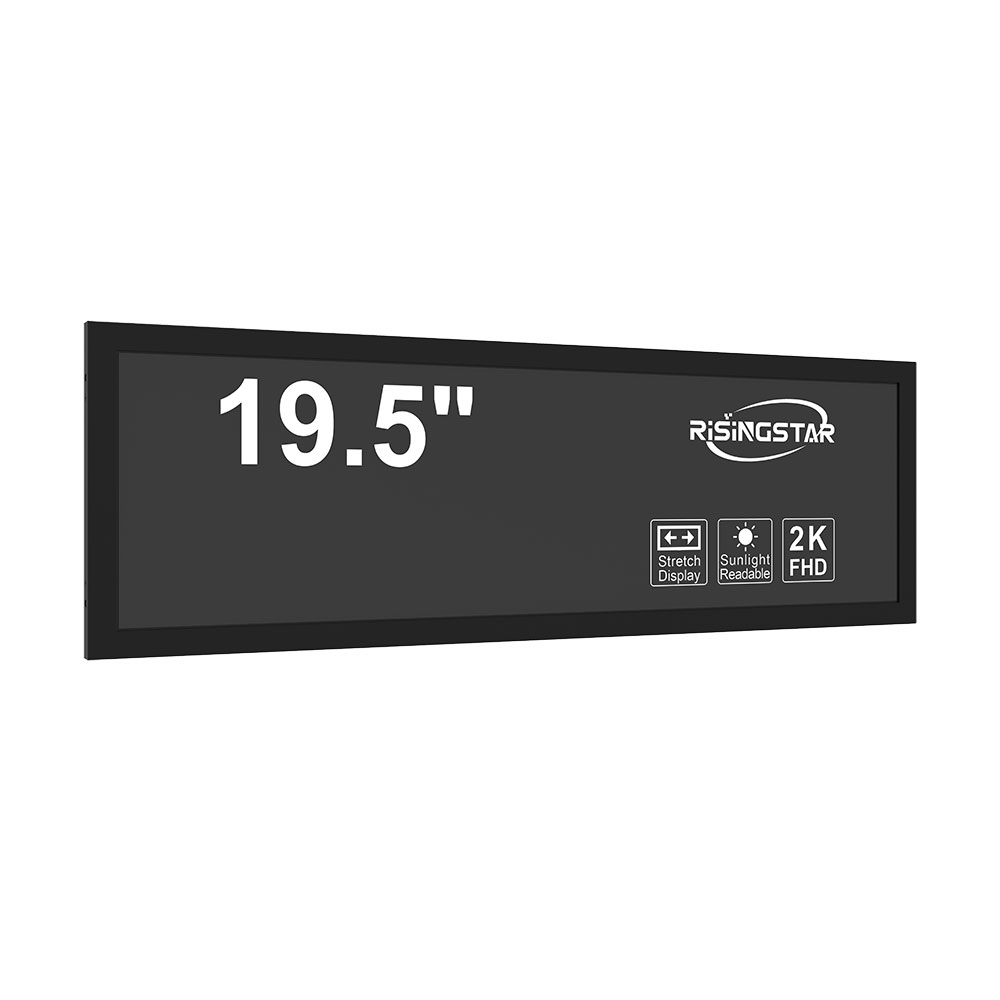
Moreover, HDMI aligns with global industry trends. According to the Consumer Technology Association (CTA), over 95% of new consumer and commercial displays shipped in 2023 include HDMI ports, while VGA port availability has declined sharply—particularly in laptops and modern TVs. This shift reflects both consumer demand for higher quality visuals and the increasing prevalence of USB-C and DisplayPort alternatives, which also rely on digital signaling principles similar to HDMI.
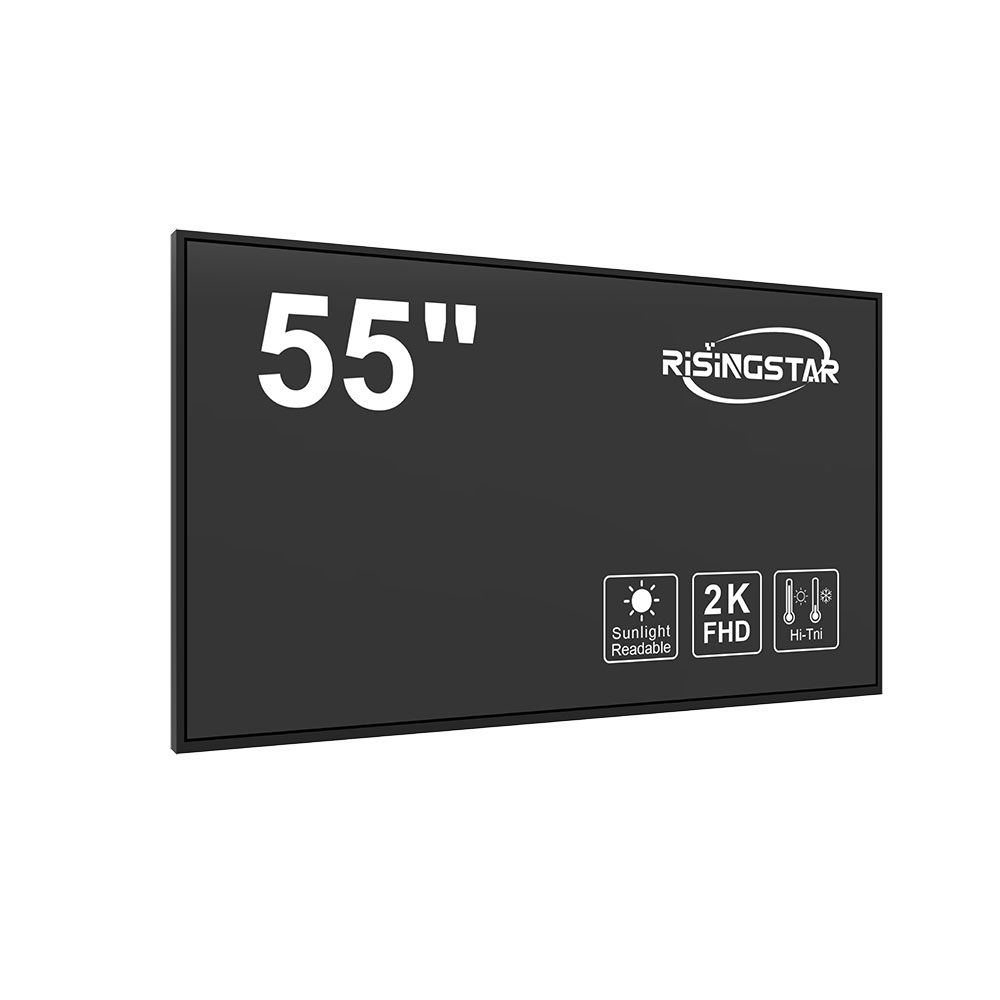
That said, VGA still holds niche value in legacy systems where cost, simplicity, or backward compatibility is prioritized—such as older educational institutions or embedded systems. However, for users seeking reliable, high-quality video output in modern computing environments, especially those involving high-brightness sunlight-readable LCD screens, HDMI offers undeniable advantages. Whether connecting a laptop to a projector in a sunlit conference room or setting up a dashboard for an outdoor kiosk, HDMI provides a more resilient, versatile, and future-ready solution than VGA.