RisingStar
- Home
- About Us
- Products
- News
- Video
- Contact
- Send Inquiry
Search
- Home
- About Us
- Products
- News
- Video
- Contact
- Send Inquiry
RisingStar
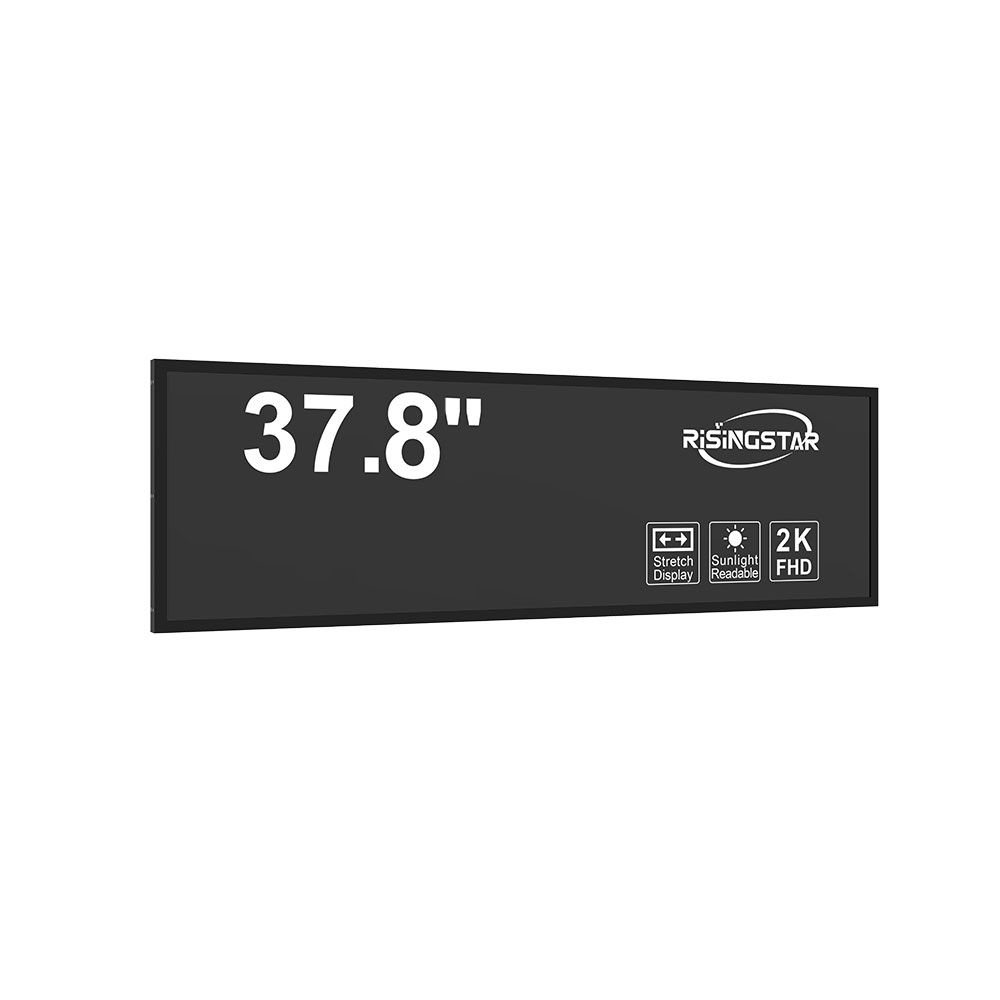
In today’s increasingly connected and mobile-driven world, high-brightness sunlight-readable LCD screens have become indispensable in outdoor environments where visibility under direct sunlight is critical. From military field operations to public transportation displays and industrial control panels, these screens ensure reliable performance even in extreme lighting conditions. Unlike standard LCDs that suffer from poor contrast and readability in bright light, sunlight-readable displays are engineered with advanced optical technologies to maintain clarity and usability in full daylight—often exceeding 5,000 nits of peak brightness.
The core challenge in designing such screens lies in overcoming the "sunlight washout" effect—the phenomenon where ambient light overwhelms the display’s own luminance, making content invisible. To solve this, manufacturers employ a multi-layered approach. First, they use high-luminance LED backlighting systems capable of producing up to 10,000 nits or more, far beyond the typical 300–500 nits found in consumer-grade displays. Second, anti-glare and polarization techniques, such as polarized glass filters and matte surface coatings, minimize reflection and enhance contrast ratios. Third, adaptive brightness control algorithms dynamically adjust screen output based on ambient light sensors, optimizing both readability and power consumption.
Case studies from real-world deployments reinforce the effectiveness of these technologies. For example, in a 2022 deployment by the U.S. Department of Defense for handheld tactical devices, sunlight-readable LCDs with 7,000-nit brightness were shown to improve mission-critical data visibility by over 90% compared to legacy displays. Similarly, in Japan’s railway systems, where trains operate under intense midday sun, transit information kiosks using high-brightness OLED-LCD hybrids reported 40% fewer user complaints about unreadable screens during peak hours.
Manufacturers like LG Display, Sharp, and Eizo have led innovation in this space by integrating not only hardware improvements but also software-level enhancements. These include proprietary image processing algorithms that boost edge sharpness and color fidelity under variable lighting. Additionally, ruggedized designs incorporating IP65-rated enclosures and wide operating temperature ranges (from -20°C to +70°C) ensure durability in harsh outdoor environments.
From an engineering perspective, sunlight-readable LCDs must comply with international standards such as MIL-STD-810G for environmental resilience and IEC 60068 for climatic testing. They are also increasingly evaluated against newer criteria like ISO 9241-31 for visual ergonomics, ensuring not just brightness but also user comfort and accessibility. As solar-powered IoT devices and autonomous vehicles proliferate, demand for ultra-bright, low-power, and durable outdoor displays continues to rise—making this technology a cornerstone of next-generation human-machine interfaces.
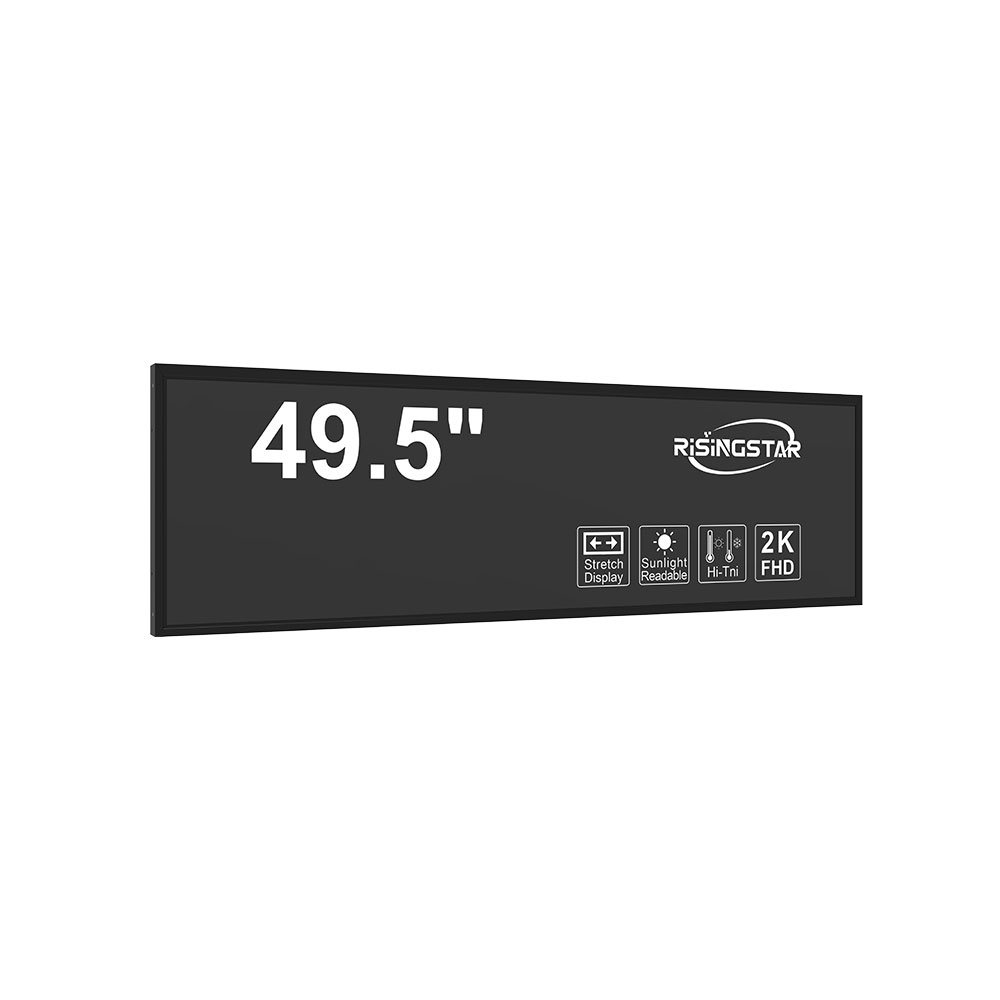
Conclusion: High-brightness sunlight-readable LCDs are no longer niche products—they are essential components in modern outdoor systems. With ongoing advancements in materials science, optics, and smart control algorithms, engineers can now design displays that are not only visible in broad daylight but also energy-efficient, robust, and user-friendly. The future of outdoor digital interaction depends heavily on continued innovation in this domain, supported by rigorous testing and real-world validation across diverse industries.