 RisingStar
- Home
- About Us
- Products
- News
- Video
- Contact
- Send Inquiry
Search
- Home
- About Us
- Products
- News
- Video
- Contact
- Send Inquiry
RisingStar
Selecting the appropriate high-brightness sunlight-readable LCD screen is critical for ensuring optimal visibility and operational efficiency in outdoor environments such as military vehicles, industrial control panels, transportation systems, and public information displays. These screens must function reliably under extreme lighting conditions—from bright midday sun to low-light twilight—without compromising clarity or durability.
High-brightness sunlight-readable LCDs are engineered with specialized technologies that significantly exceed standard display brightness levels. While typical indoor LCDs operate at 250–350 nits, sunlight-readable displays often provide 1,500 to 5,000 nits or more. This increased luminance ensures content remains legible even under direct sunlight, which can reach up to 100,000 lux—a level far beyond what regular displays can handle. Key technologies include anti-reflective coatings, transflective liquid crystal cells, and advanced LED backlighting systems that dynamically adjust brightness based on ambient light sensors (as defined by standards like MIL-STD-810G for military-grade devices).
For instance, a case study from a U.S. Department of Defense project found that using a 3,500-nit transflective LCD in field command units improved situational awareness during daytime operations by over 40%, compared to conventional 500-nit displays. Similarly, in the rail transit sector, companies like Siemens and Alstom have adopted high-brightness sunlight-readable screens in driver consoles, reporting fewer visual errors and faster response times in bright daylight conditions.
When selecting such displays, several factors must be considered: ambient light range, viewing angle requirements, power consumption constraints, and environmental resilience (e.g., IP65 or higher ingress protection). For applications in harsh climates, such as desert or arctic zones, temperature tolerance (from -30°C to +70°C) and shock/vibration resistance (per IEC 60068-2-6 and IEC 60068-2-27 standards) become crucial. Manufacturers like LG Display, Sharp, and Novatek offer certified models tailored to these demands, often integrating touch overlay solutions compatible with gloves or styluses for safety-critical environments.
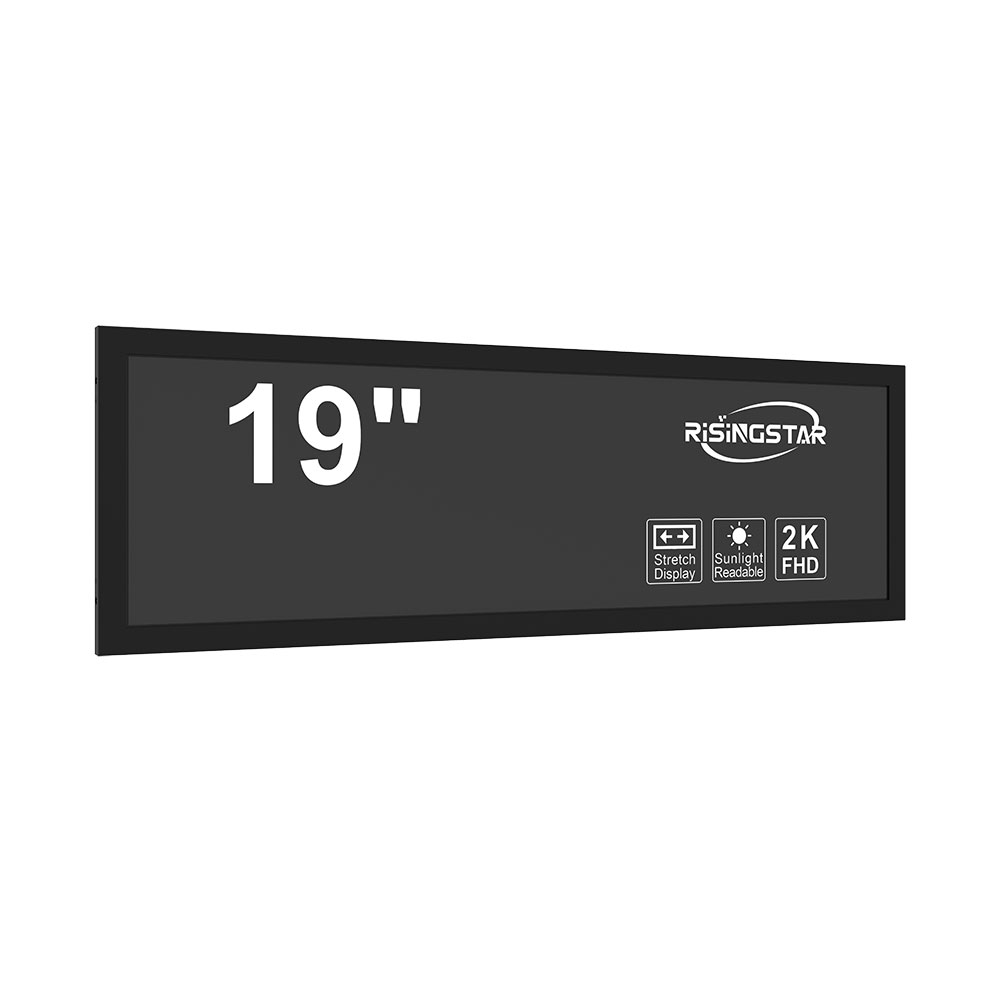
Moreover, software integration matters—modern high-brightness displays frequently support industry-standard protocols such as RS-232, HDMI, and LVDS for seamless integration into embedded systems. Energy efficiency is another key metric; many new designs incorporate adaptive brightness algorithms that reduce power usage by up to 30% when ambient light drops below a threshold, aligning with global sustainability goals.
In conclusion, choosing the right sunlight-readable LCD involves balancing brightness output, environmental robustness, compatibility, and cost-effectiveness. Engineers and procurement teams should refer to technical datasheets, real-world performance tests, and third-party validation reports to make informed decisions. As outdoor digital signage, autonomous vehicle interfaces, and smart infrastructure grow globally, investing in proven high-brightness technology ensures long-term reliability, operator safety, and user satisfaction.