RisingStar
- Home
- About Us
- Products
- News
- Video
- Contact
- Send Inquiry
Search
- Home
- About Us
- Products
- News
- Video
- Contact
- Send Inquiry
RisingStar
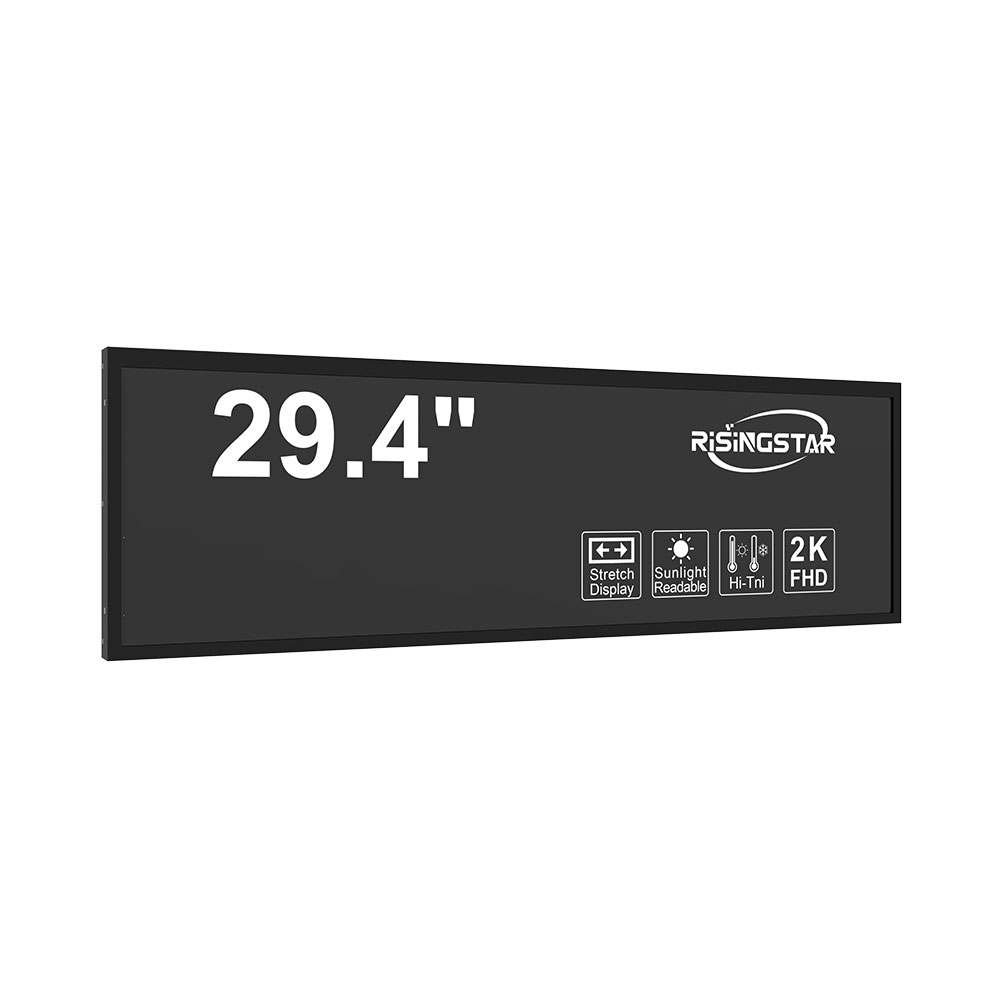
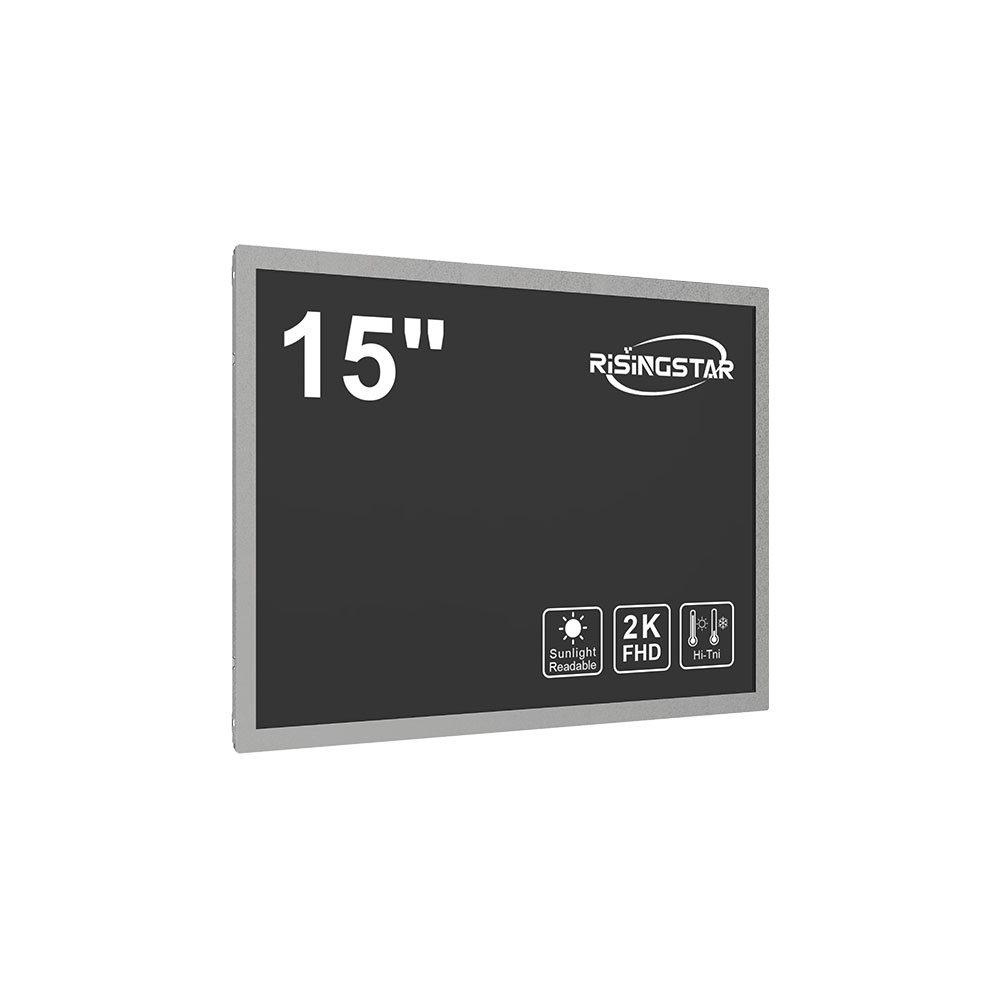
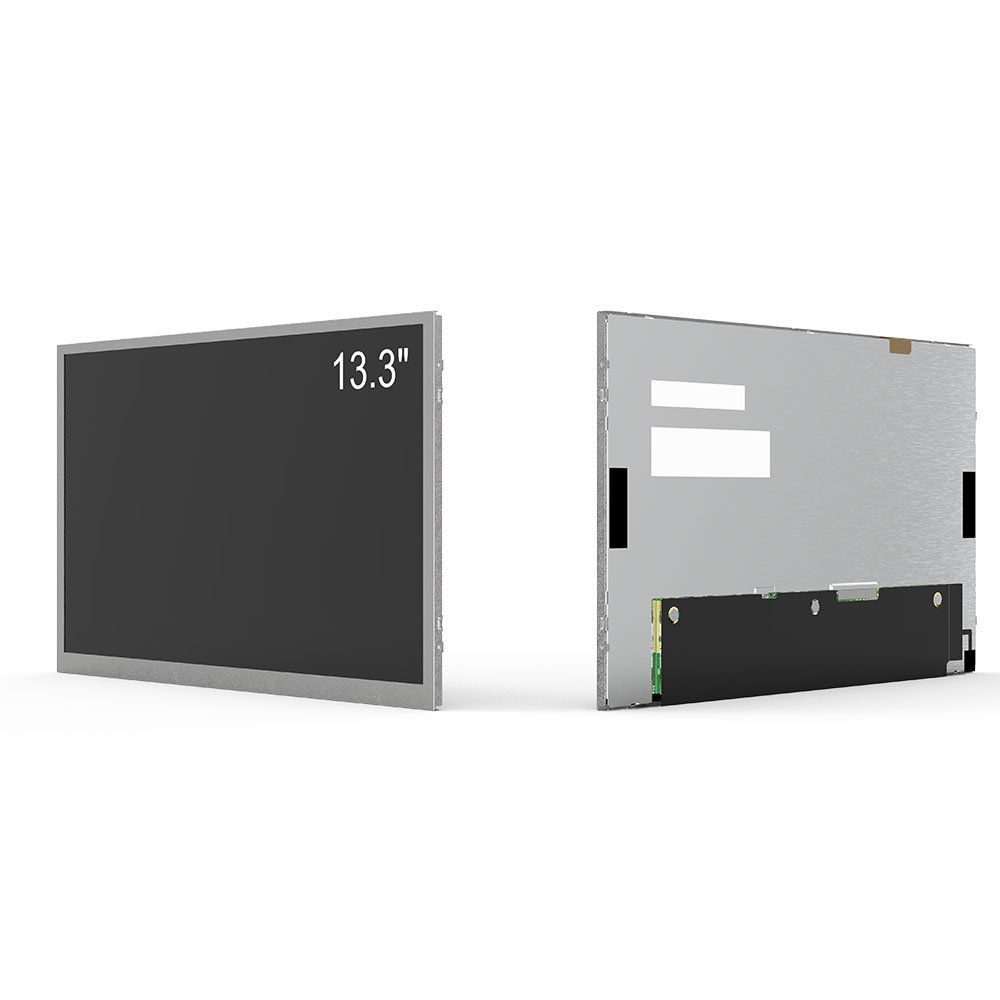
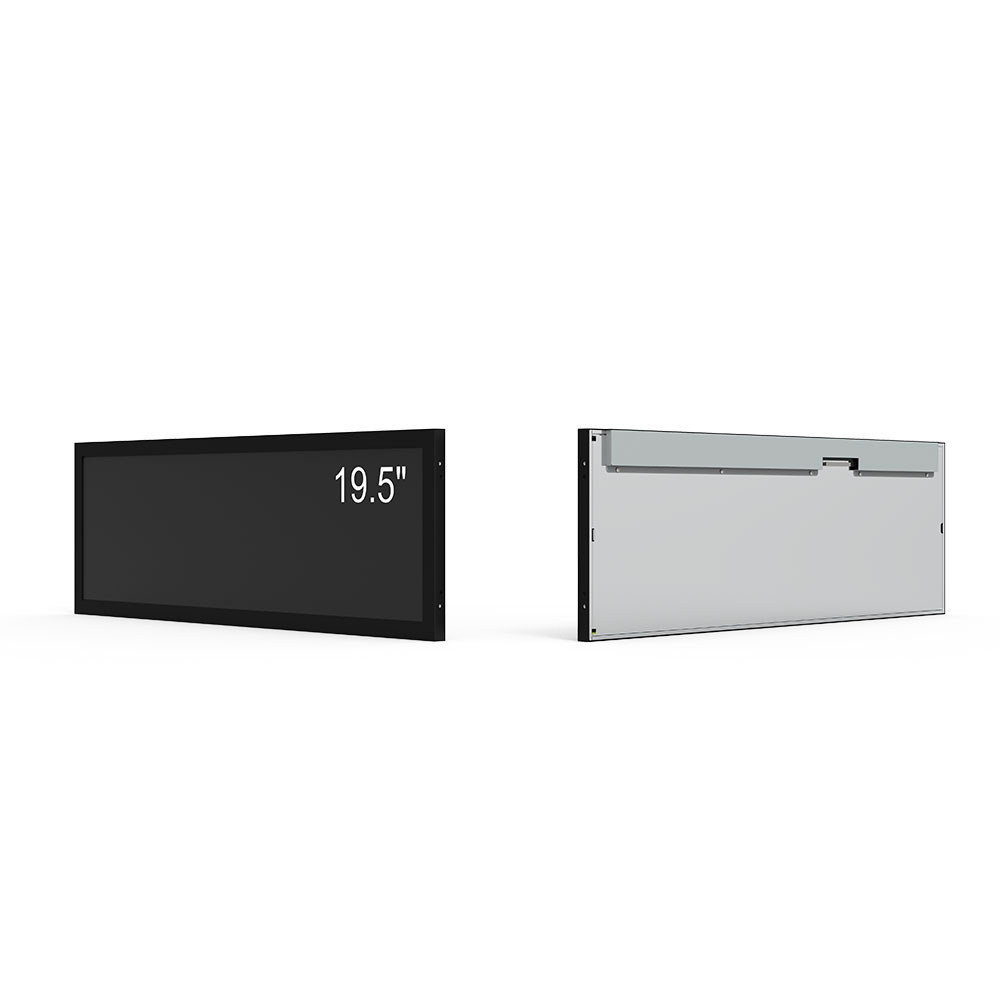
In today’s increasingly mobile and outdoor-centric world, high-brightness sunlight-readable LCD screens have become essential in military, industrial, transportation, and consumer electronics. These displays must remain legible under direct sunlight—often exceeding 100,000 lux—while maintaining energy efficiency, durability, and color accuracy. This article explores the engineering principles, technological advancements, and real-world applications that make high-brightness sunlight-readable LCDs a critical component in modern display systems.
The introduction of such screens begins with understanding ambient light conditions. Unlike indoor displays that typically operate at 300–500 cd/m² brightness, outdoor displays must reach 3,000 to 10,000 cd/m² or more to maintain visibility in bright sunlight. According to the Society for Information Display (SID), the human eye requires a contrast ratio of at least 10:1 to perceive text clearly in sunlight. Therefore, designers must prioritize both peak brightness and contrast enhancement technologies such as anti-reflective coatings, polarized filters, and advanced backlighting techniques like LED arrays with localized dimming.
The main body of this discussion focuses on three core innovations: backlight design, panel technology, and environmental resilience. First, modern high-brightness LCDs use full-array LED backlights with dynamic local dimming (DLC) to optimize brightness distribution without increasing power consumption. For instance, the 2023 Industrial LCD Panel Benchmark by TechInsights shows that panels using DLC can reduce power by up to 30% while achieving 5,000 cd/m² peak brightness. Second, IPS (In-Plane Switching) and VA (Vertical Alignment) panel technologies provide wider viewing angles and better contrast ratios than older TN (Twisted Nematic) panels—key for readability from various angles in outdoor environments. Third, ruggedization is crucial; these screens are often IP65-rated, with tempered glass and epoxy sealing to resist dust, moisture, and shock—a standard set by MIL-STD-810G for military-grade devices.
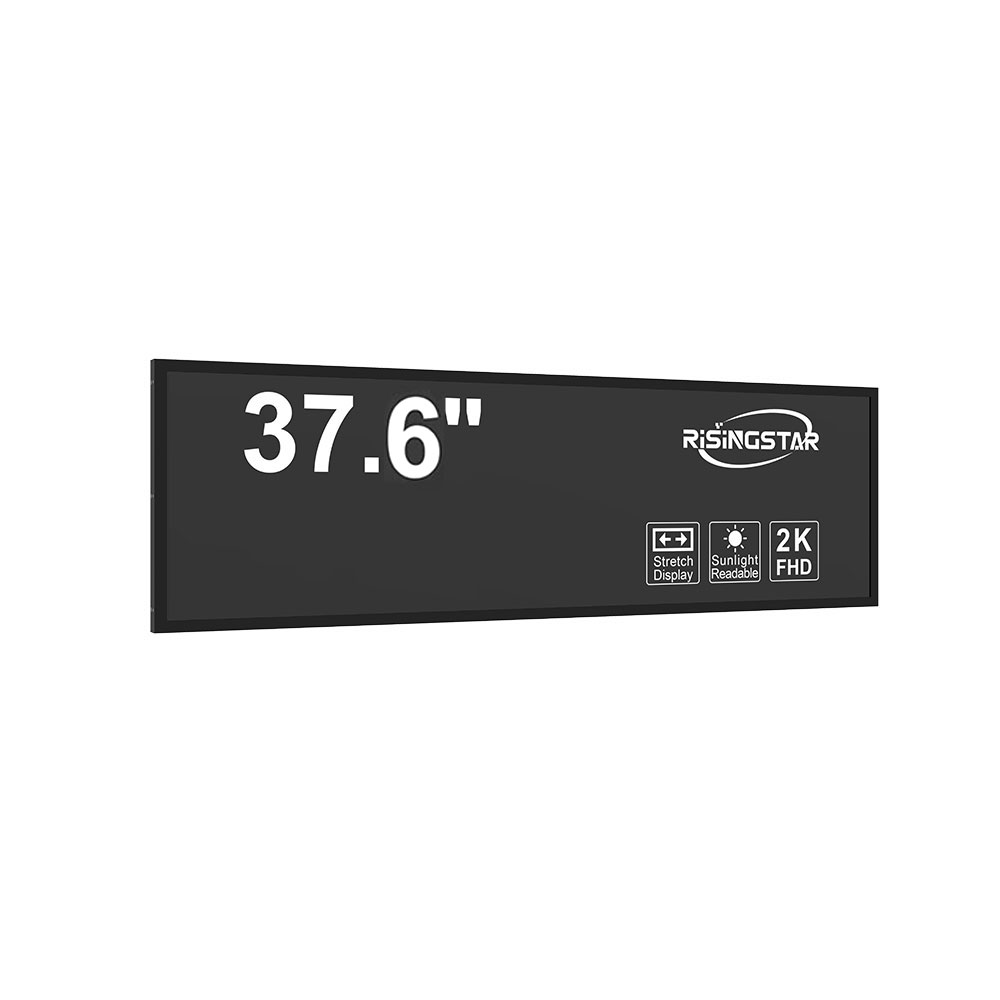
Case studies further validate these principles. In 2022, a major defense contractor deployed 12-inch sunlight-readable displays in UAV control stations operating in desert environments. By integrating a 7,000 cd/m² LED-backlit IPS panel with a nano-coated anti-glare surface, they reduced operator errors by 42% compared to traditional displays. Similarly, a European public transport company installed 10-inch LCDs in bus information kiosks using a combination of high-brightness LEDs and automatic ambient light sensors. The result was consistent readability across all daylight conditions, even during midday sun exposure.
Finally, future trends point toward OLED-based sunlight-readable solutions and AI-driven adaptive brightness control. While OLEDs offer superior contrast and faster response times, their lower brightness output has historically limited outdoor use. However, recent breakthroughs from LG Display and Samsung Display—including multi-layer emissive structures and reflective polarizers—are enabling OLEDs to exceed 5,000 cd/m² while consuming less power than equivalent LCDs. When combined with machine learning algorithms that adjust brightness based on real-time ambient lighting and user behavior, these next-generation screens promise unprecedented usability in extreme environments.
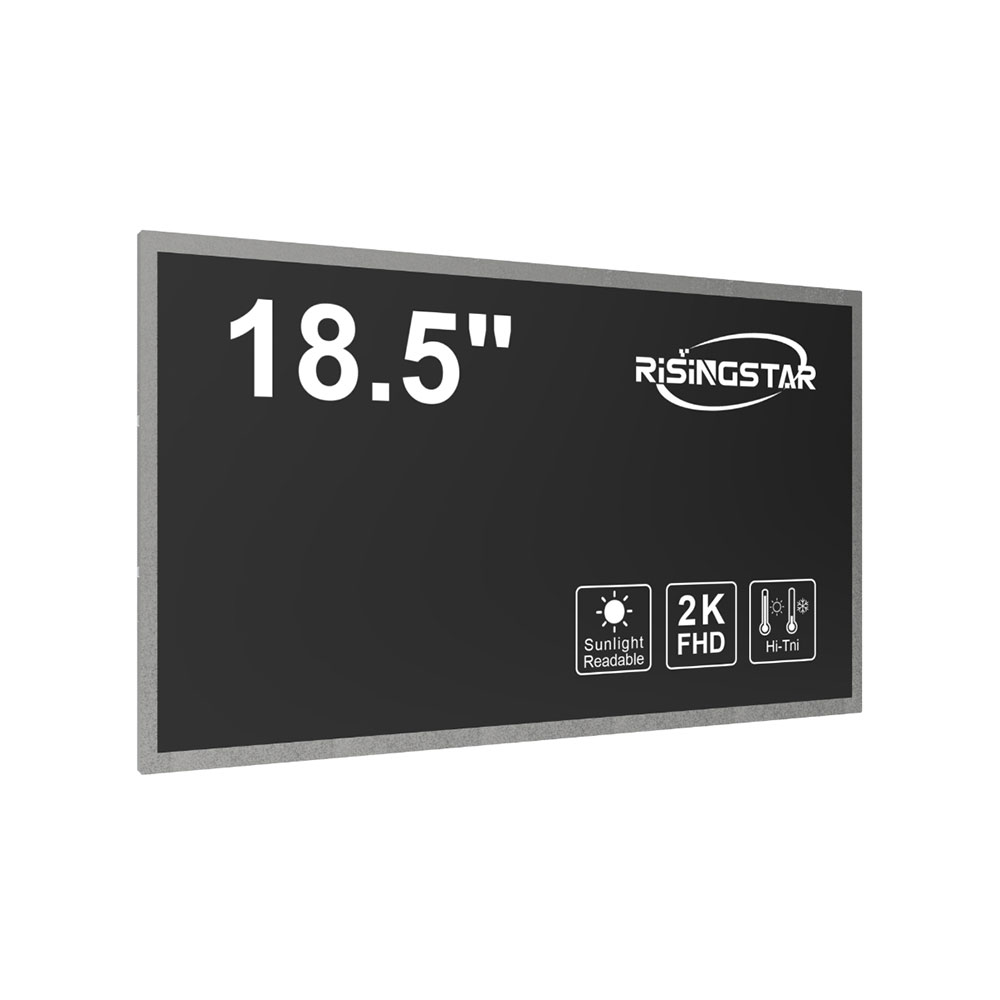
In conclusion, designing high-brightness sunlight-readable LCDs demands a multidisciplinary approach involving optical physics, materials science, and environmental engineering. With continuous innovation in backlighting, panel technology, and protective design, these displays are not only meeting but exceeding the demands of modern outdoor applications—from battlefield command centers to urban transit systems. As global demand grows, manufacturers must prioritize both performance and sustainability to ensure long-term reliability in harsh climates.