RisingStar
- Home
- About Us
- Products
- News
- Video
- Contact
- Send Inquiry
Search
- Home
- About Us
- Products
- News
- Video
- Contact
- Send Inquiry
RisingStar
Outdoor digital signage has evolved from simple static displays to dynamic, interactive, and AI-enhanced systems that drive engagement, brand visibility, and real-time communication across cities, retail spaces, transportation hubs, and public infrastructure. As of 2024, the global outdoor digital signage market is projected to exceed $35 billion USD, growing at a CAGR of over 7% annually (Source: Statista, 2024). This transformation is fueled by advances in high-brightness sunlight-readable LCD technology, 5G connectivity, edge computing, and data-driven content management platforms.
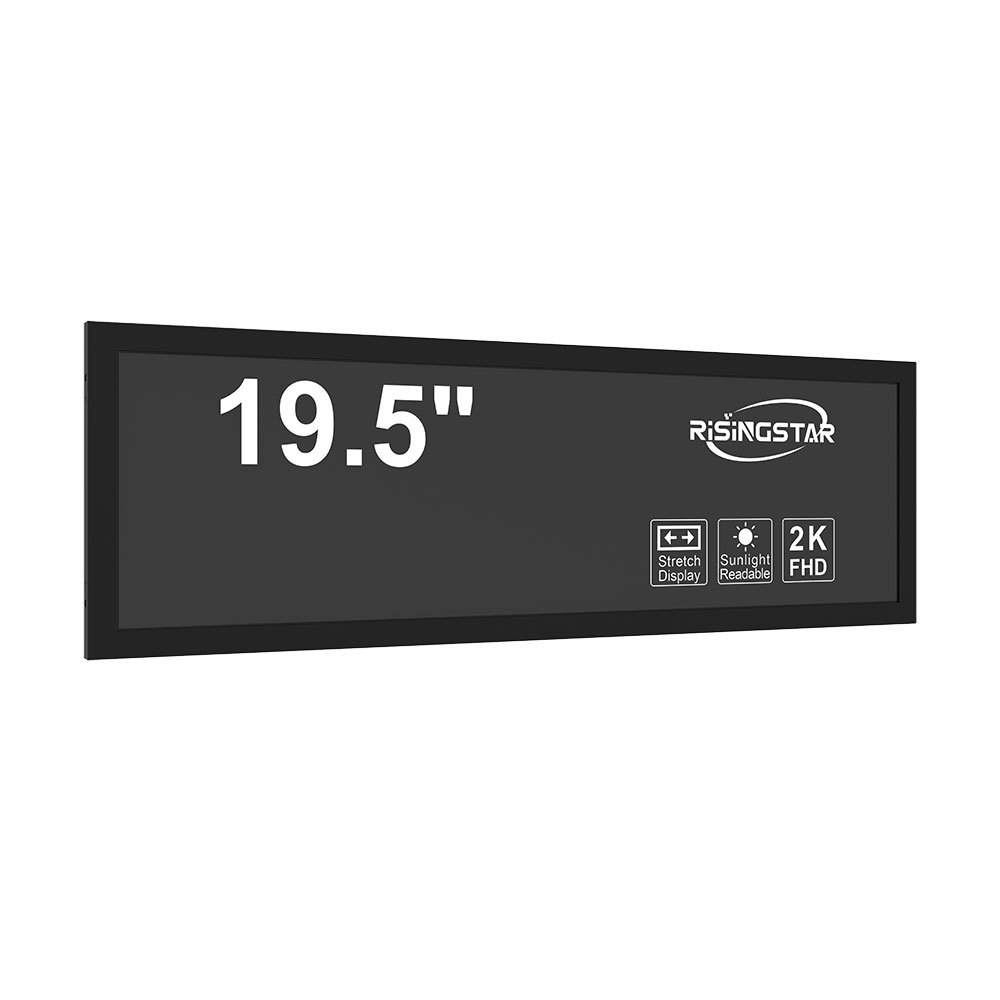
One of the most significant trends is the shift toward ultra-high brightness displays—often exceeding 10,000 nits—to ensure visibility even under direct sunlight. These screens use advanced anti-reflective coatings, local dimming, and optimized LED backlights, making them suitable for urban billboards, airport kiosks, and smart city applications. According to a case study by LG Electronics (2023), their 65-inch outdoor display with 10,000-nit brightness achieved a 98% readability rate during peak sun hours compared to standard 3,000-nit displays, which dropped to below 60%.
Another major trend is the integration of IoT sensors and real-time analytics. Modern outdoor digital signage systems now embed environmental sensors such as temperature, humidity, air quality, and crowd density monitors. These devices enable context-aware content delivery—for example, displaying weather warnings when humidity rises or promoting seasonal promotions based on foot traffic patterns. In London’s Canary Wharf, an AI-powered digital signage network reduced energy consumption by 22% while increasing ad engagement by 37%, thanks to adaptive scheduling based on live occupancy data (Source: CityFibre Case Study, 2023).
Interactivity is also rising fast. Touchscreen-enabled displays, QR code integration, and facial recognition-based personalization are becoming standard in high-footfall areas like shopping malls and transit stations. For instance, Samsung’s “Smart Signage” solution deployed in Tokyo’s Shibuya Station uses facial detection to adjust messaging for age groups and gender, boosting click-through rates by up to 45% compared to generic ads.
Sustainability is no longer optional—it's a core design principle. Manufacturers are adopting low-power OLED panels, solar-powered units, and recyclable materials. The European Union’s Ecodesign Directive (2023) mandates that all new outdoor digital signs must meet minimum energy efficiency standards starting in 2025, pushing innovation in power-saving technologies like ambient light sensing and sleep-mode optimization.
Finally, the rise of cloud-based content management systems (CMS) allows marketers to update content in real time across thousands of screens globally. Platforms like Scala, Screenly, and Yospace offer drag-and-drop interfaces, A/B testing capabilities, and multi-channel integration—enabling rapid response to breaking news, emergencies, or promotional campaigns.
These trends collectively reflect a mature, intelligent, and human-centered evolution in outdoor digital signage—one that merges technological sophistication with practical utility, sustainability, and user experience. As cities grow smarter and consumer expectations rise, outdoor digital signage will remain a critical tool for brands, governments, and communities seeking to communicate effectively in the open-air environment.