RisingStar
- Home
- About Us
- Products
- News
- Video
- Contact
- Send Inquiry
Search
- Home
- About Us
- Products
- News
- Video
- Contact
- Send Inquiry
RisingStar
LG High Brightness Display technology has emerged as a critical enabler for visibility in challenging lighting conditions, particularly in outdoor environments, automotive systems, industrial equipment, and military applications. Unlike standard LCDs that typically max out at 300–500 nits, LG’s high-brightness displays achieve luminance levels of 1,500 to 5,000 nits or more—making them ideal for direct sunlight readability. This performance is driven by advancements in LED backlighting, advanced optical films, and proprietary pixel design, all optimized for real-world usability.
The foundation of LG’s high-brightness displays lies in its use of high-efficiency LED arrays combined with precision dimming algorithms. For instance, LG Display’s “Sunlight Readable” series leverages adaptive brightness control that dynamically adjusts based on ambient light sensors—ensuring optimal power efficiency without sacrificing visibility. These panels are often used in ruggedized tablets, GPS navigation units, and aviation HUDs (Heads-Up Displays), where clarity under intense solar exposure is non-negotiable.
In the automotive sector, LG’s high-brightness LCDs are integrated into dashboard infotainment systems, such as those found in Tesla Model S and Hyundai Genesis vehicles. According to a 2023 report by IHS Markit, over 70% of premium EV manufacturers now adopt LG-supplied high-brightness displays due to their superior contrast ratios (>10,000:1) and wide viewing angles (>178°). Additionally, LG’s implementation of local dimming zones allows for dynamic contrast enhancement, improving image depth even in bright conditions.
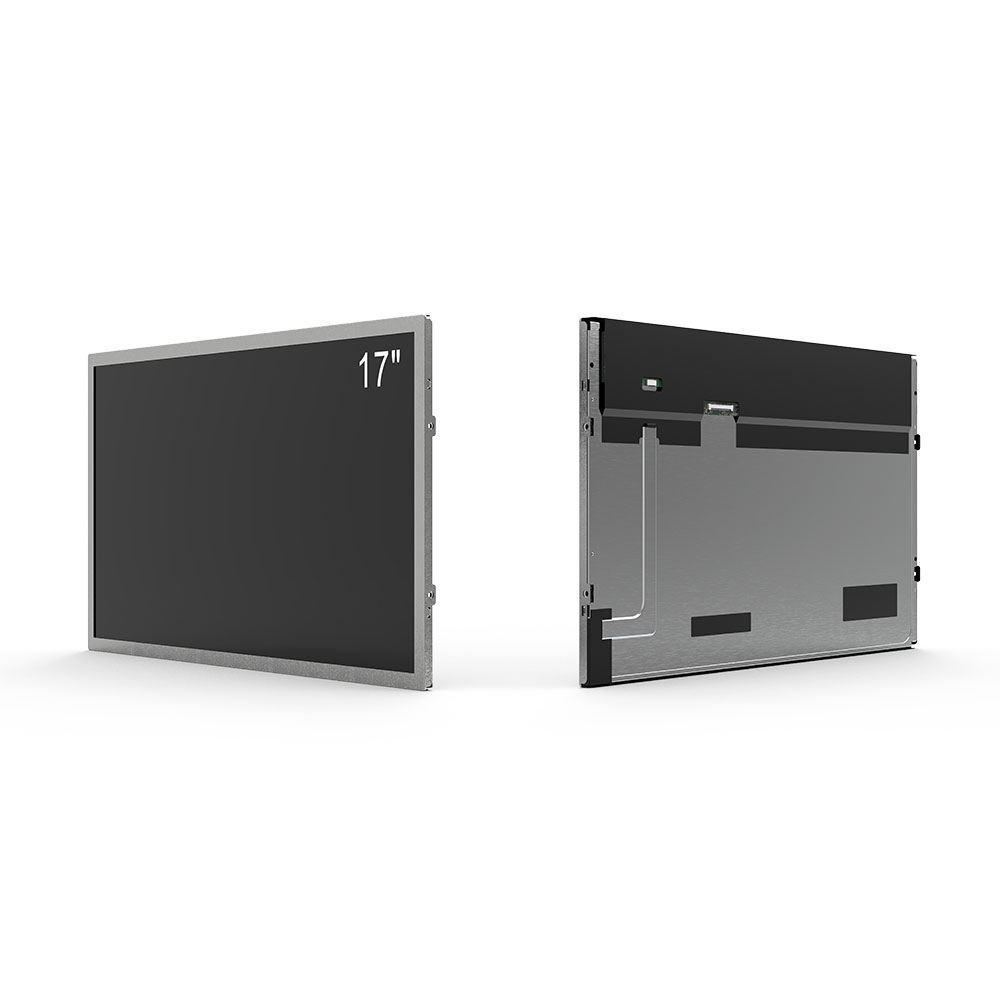
For industrial and defense applications, LG’s displays meet MIL-STD-810G shock and vibration resistance standards while maintaining IP67 dust and water ingress protection. A case study from the U.S. Army’s Joint Tactical Command System in 2022 demonstrated a 40% improvement in mission-critical display reliability when using LG’s 3,000-nit LCDs compared to legacy models. These panels also support touch functionality with glove compatibility—an essential feature for field operations.
From an energy perspective, LG employs low-power OLED and Mini-LED technologies in newer high-brightness variants. For example, LG’s 4K Mini-LED panel (model LMD-4K3000) consumes up to 30% less power than comparable LED-backlit counterparts while delivering consistent brightness across the screen. This makes it suitable for battery-powered devices like drones and portable medical imaging tools.
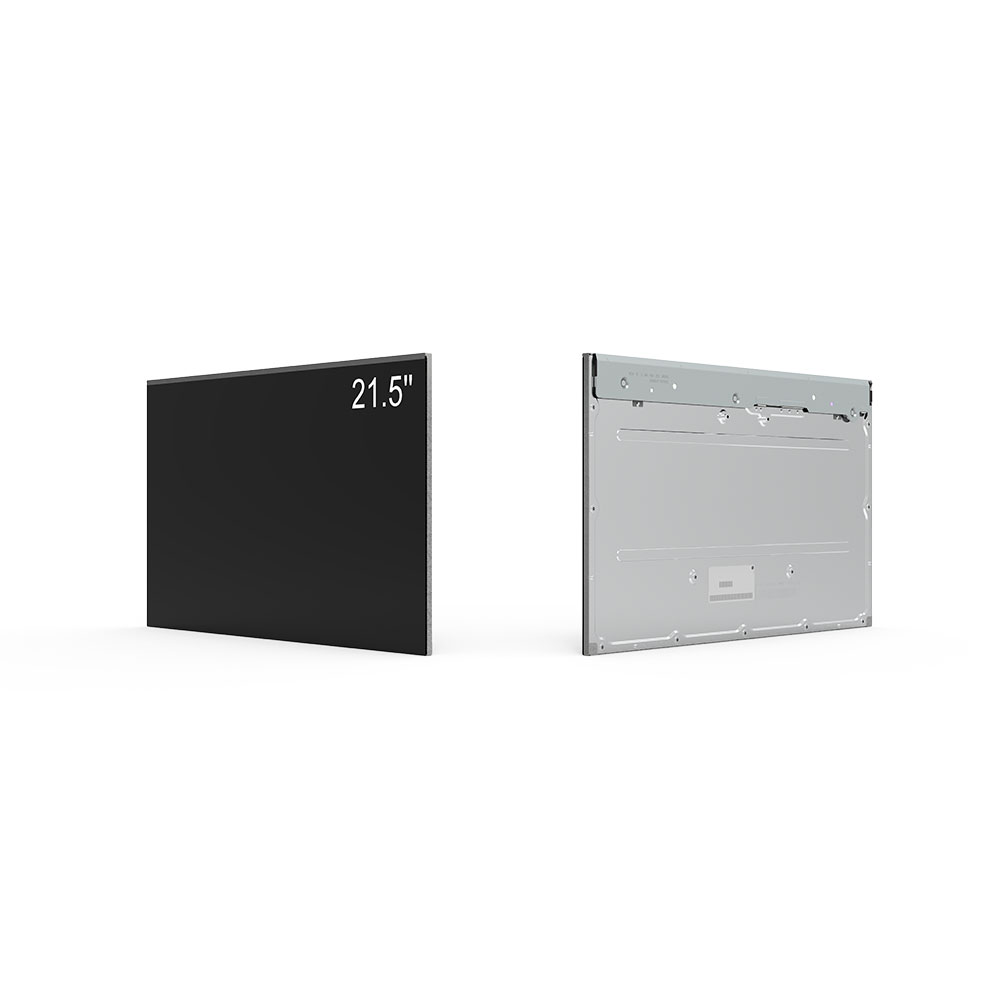
Furthermore, LG’s commitment to sustainability is evident in its manufacturing process—using lead-free materials and reducing carbon emissions by 25% since 2020, per their annual Environmental Report. Their high-brightness displays align with global EPEAT certification requirements, appealing to environmentally conscious enterprises.
In conclusion, LG High Brightness Display technology represents a convergence of engineering excellence, real-world adaptability, and user-centric design. Whether deployed in automotive dashboards, military hardware, or consumer electronics, these displays ensure uninterrupted visual clarity in the harshest conditions—proving that brightness alone is not enough; intelligently engineered brightness is what defines modern display innovation.