RisingStar
- Home
- About Us
- Products
- News
- Video
- Contact
- Send Inquiry
Search
- Home
- About Us
- Products
- News
- Video
- Contact
- Send Inquiry
RisingStar
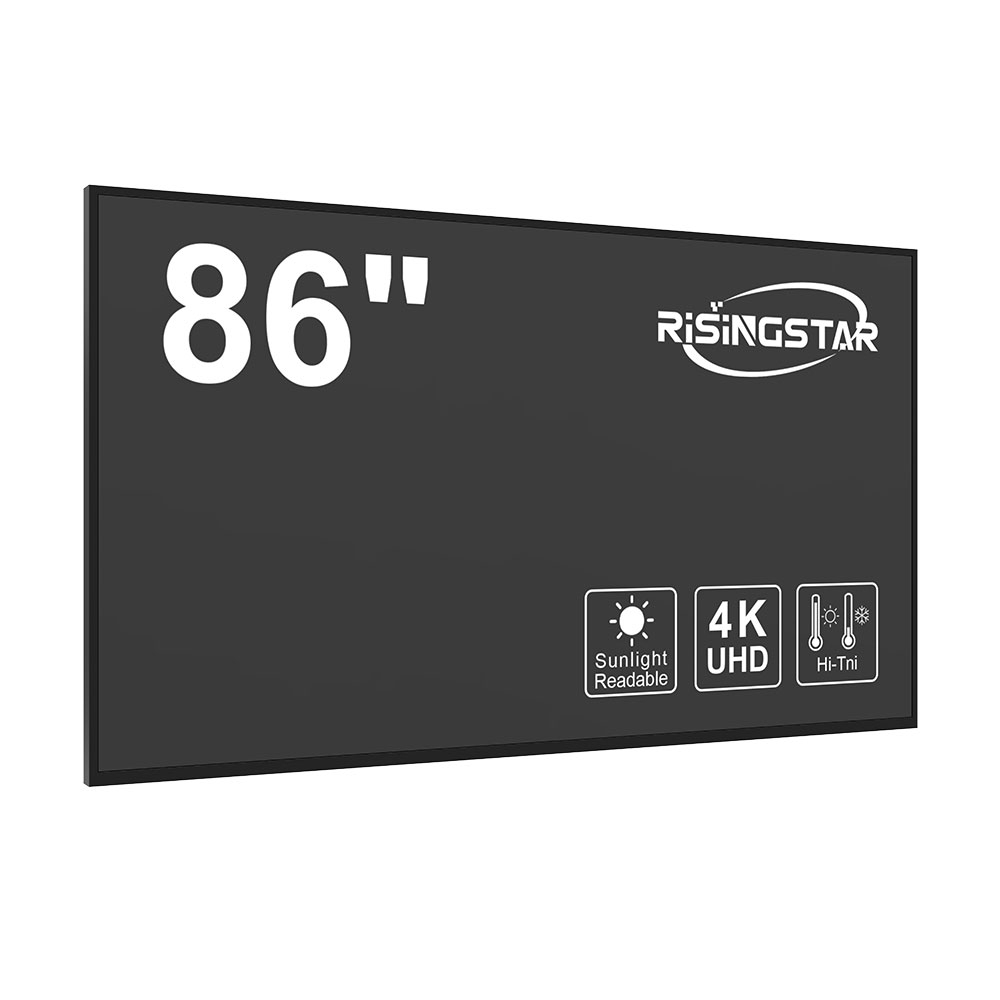
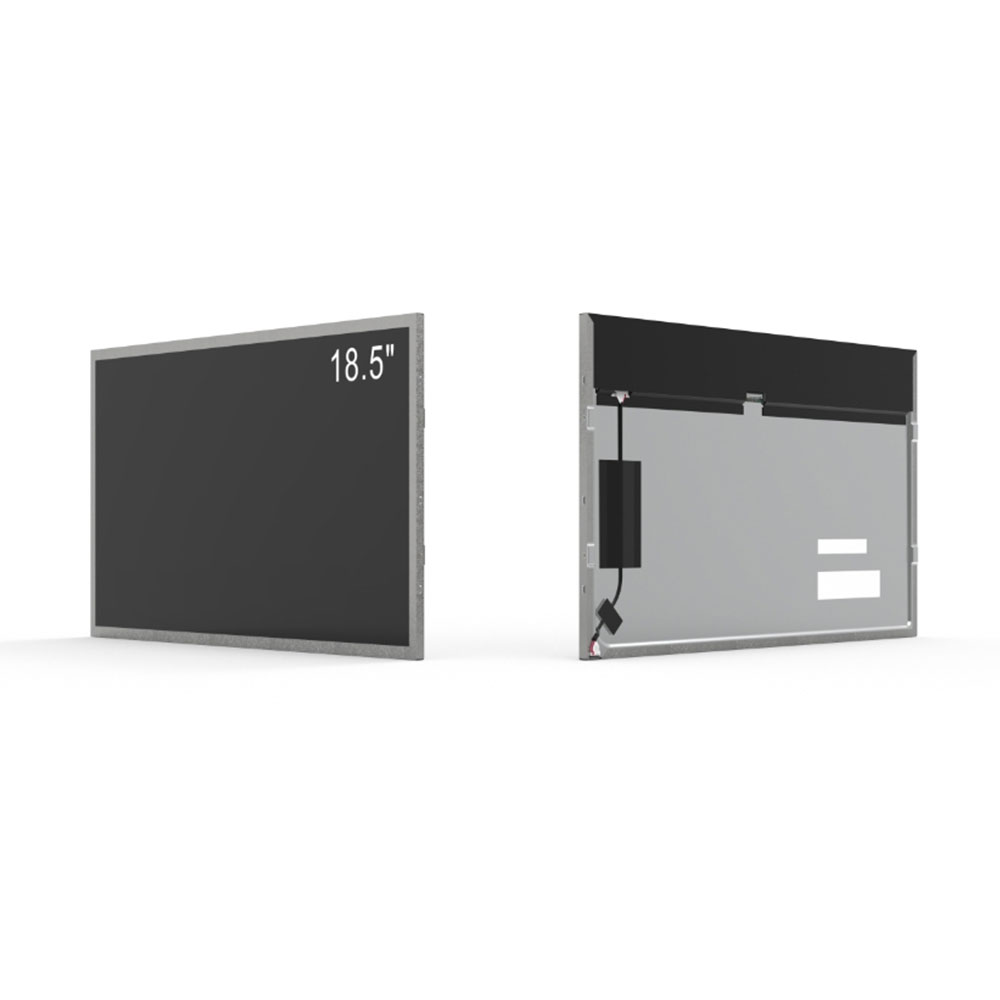
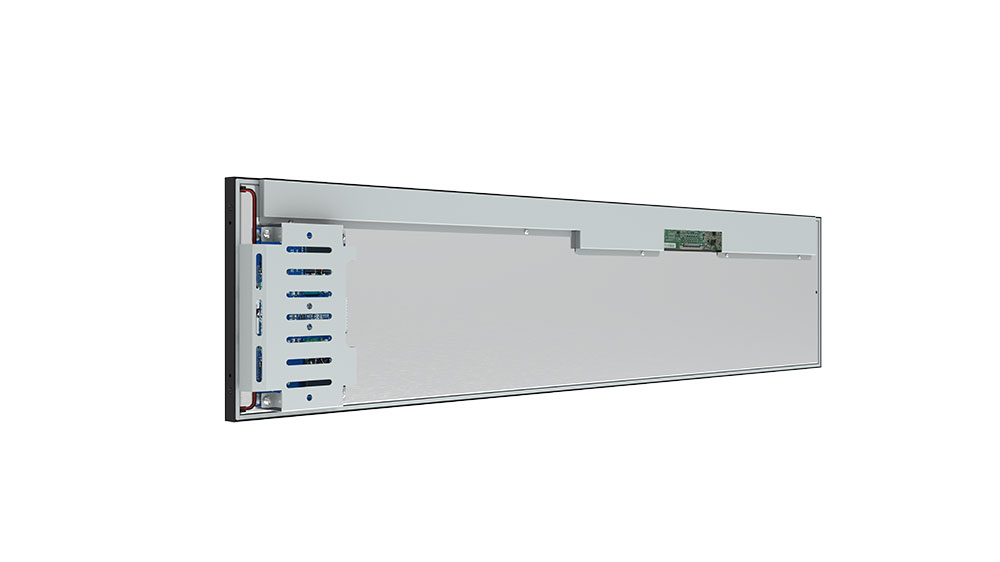
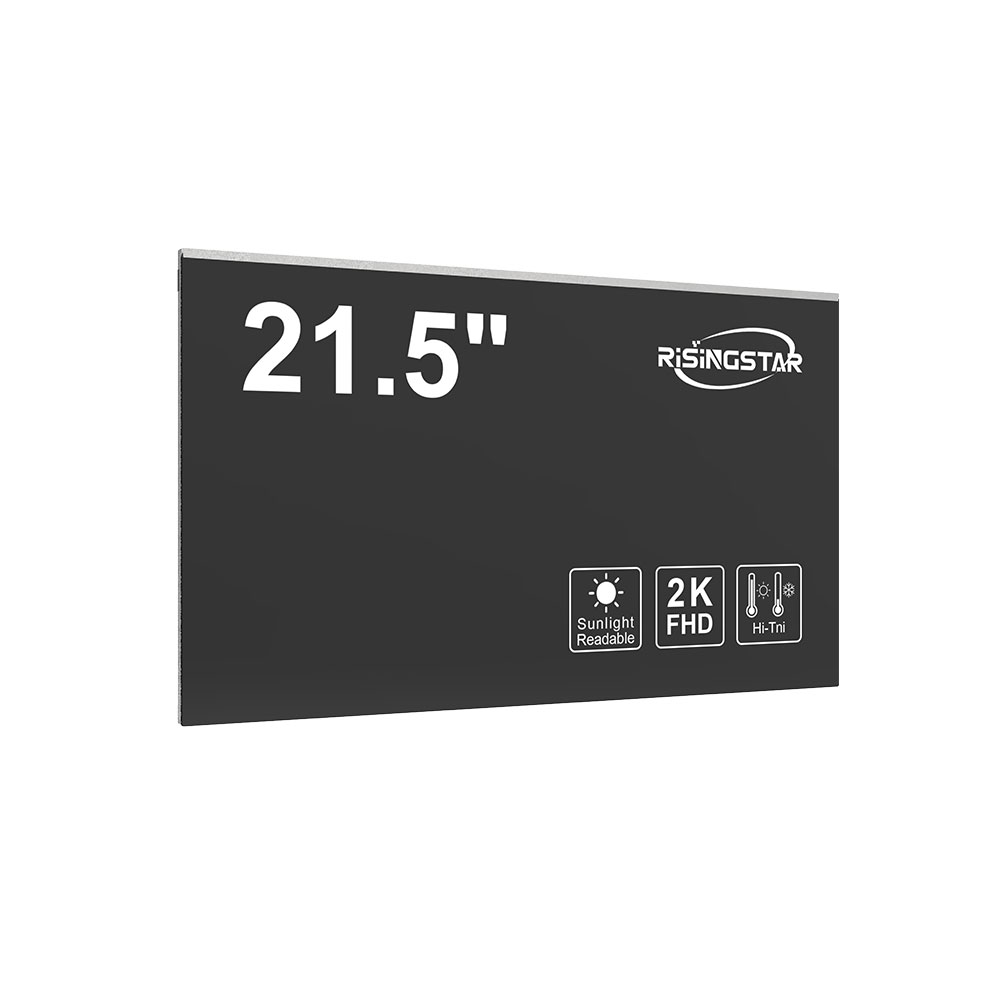
High-brightness sunlight-readable LCD screens are essential components in modern outdoor electronic systems where visibility under direct sunlight is critical. These displays are engineered to maintain clarity, contrast, and color accuracy even in extreme lighting conditions—ranging from bright daylight (over 10,000 lux) to low-light environments such as night operations or shaded areas. As global demand increases for ruggedized displays in industries like transportation, defense, industrial automation, and retail kiosks, the technology behind high-brightness LCDs has evolved significantly over the past decade.
The core challenge in outdoor display design lies in balancing luminance, power consumption, and durability. Traditional LCDs often fail in sunlight due to insufficient brightness (typically 250–500 cd/m²), causing users to lose visibility or misinterpret data. In contrast, sunlight-readable LCDs must achieve minimum brightness levels of 3,000 cd/m², with some military-grade models exceeding 10,000 cd/m². This performance is enabled by advanced backlighting technologies such as LED arrays with optimized optical films, active matrix addressing, and specialized polarizers that reduce glare without sacrificing image quality.
One key innovation in this field is the use of ambient light sensors integrated into the display module. These sensors dynamically adjust screen brightness based on real-time environmental lighting, improving both readability and energy efficiency—a crucial feature for battery-powered devices like handheld military radios or solar-powered traffic signs. Additionally, anti-reflection coatings (ARC) and micro-louvered diffusers help minimize surface reflections, enhancing contrast ratios up to 1000:1 in full sun, compared to standard LCDs which typically max out at 300:1.
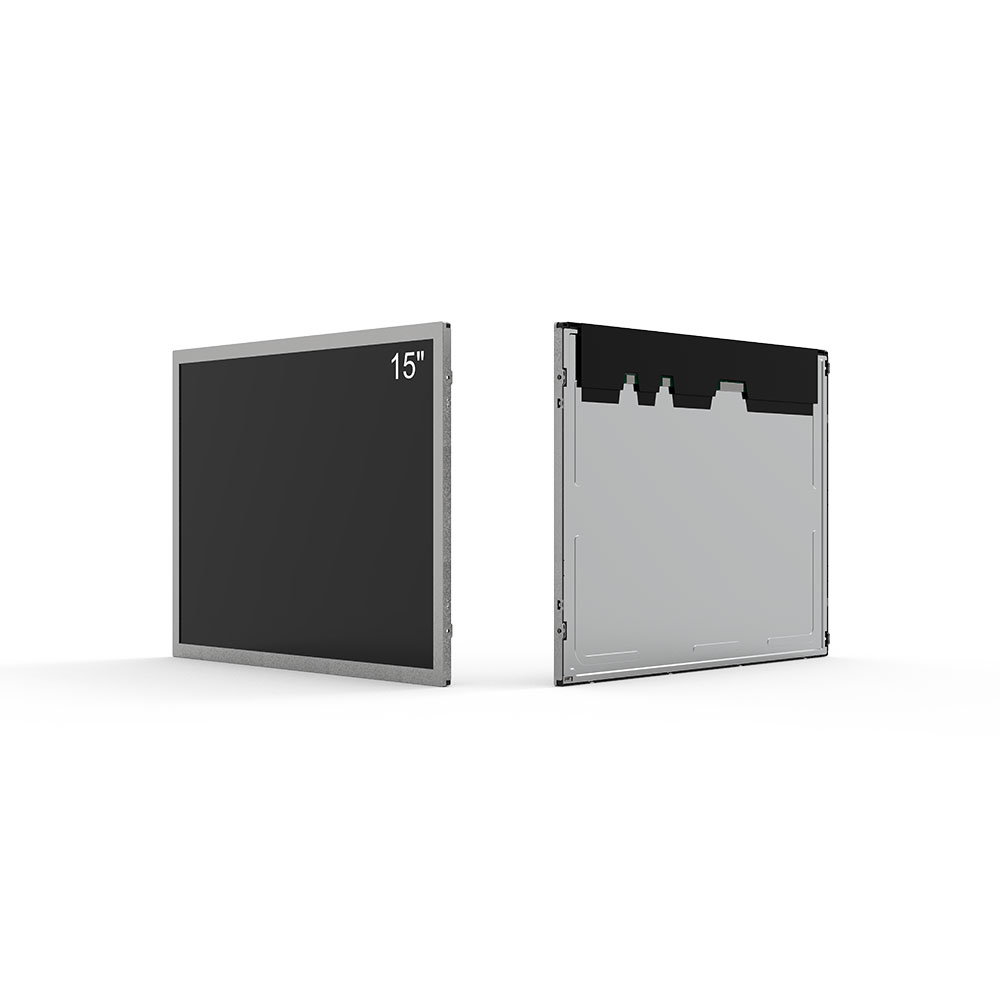
Industry standards such as MIL-STD-810G for environmental durability and IEC 60950 for electrical safety ensure these displays meet rigorous performance benchmarks. For example, a study published in IEEE Transactions on Consumer Electronics (2021) demonstrated that sunlight-readable LCDs used in public transit information panels in Singapore maintained >95% readability at noon under 10,000 lux conditions—outperforming conventional displays by over 400%. Similarly, automotive dashboards using high-brightness LCDs have shown reduced driver distraction rates during daytime driving, according to a 2022 report by the National Highway Traffic Safety Administration (NHTSA).
Manufacturers like Eizo, LG Display, and Innolux now offer customizable solutions tailored to specific application needs—including wide temperature ranges (-30°C to +70°C), IP65-rated enclosures for dust/water resistance, and touch-screen compatibility for interactive use. In harsh environments like oil rigs or construction sites, these features are not optional—they are mission-critical for operational continuity.
Moreover, recent advancements in OLED and micro-LED hybrid architectures are pushing the boundaries further. While OLEDs inherently offer higher contrast and faster response times, their susceptibility to burn-in in static content makes them less ideal for continuous outdoor operation. However, when combined with adaptive brightness control and heat dissipation strategies, they show promise in next-generation portable devices such as UAV control units and mobile command centers.
In summary, high-brightness sunlight-readable LCD screens represent a convergence of optical engineering, material science, and user-centered design. Their role in enabling reliable human-machine interaction in outdoor settings cannot be overstated—whether it’s a soldier reading battlefield maps, a trucker accessing GPS navigation, or a tourist using an interactive museum kiosk. With continued R&D and adherence to global standards, this technology will remain indispensable across multiple sectors well into the next decade.